
HISTORY & TIMELINE
24 August

A journey through
24 August in history

The story of 24 August runs from the last known hieroglyphic inscription, carved at Philae in 394, to the vote in Prague that made Pluto a dwarf planet in 2006. In between come the Visigoths’ sack of Rome, the pope’s annulment of Magna Carta, the Ottoman victory at Marj Dabiq, the St Bartholomew’s Day massacre in Paris, the Treaty of Córdoba, the burning of Washington, Matthew Webb’s swim across the English Channel, Amelia Earhart’s non-stop flight across the United States, the creation of the Australian Antarctic Territory, Tadeusz Mazowiecki’s appointment as Poland’s first non-communist prime minister in four decades and Ukraine’s declaration of independence.

I
EARLIEST RECORDS

Ancient & Early History

The earliest worthwhile records and events connected with this date.

394
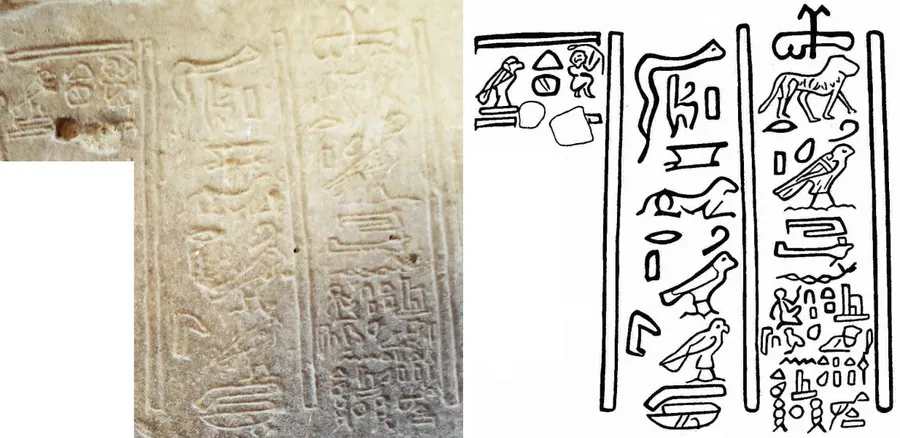
The hieroglyphic inscription of Esmet-Akhom at Philae, shown in a photograph and a drawingThe hieroglyphic inscription of Esmet-Akhom at Philae, shown in a photograph and a drawingImage: A. Parrot, Mickey Mystique · CC BY-SA 4.0
culture · Africa

The last known hieroglyphs are carved at Philae

Egyptians had written in hieroglyphs for well over 3,000 years, but by the 4th century AD few people could still read them. Greek was the language of government, Christianity was spreading fast, and the old temples were closing. One of the last places where the old gods were still served was the temple of Isis on the island of Philae, near Aswan in the far south of Egypt, which was also a place of pilgrimage for Nubians from further up the Nile. There a priest named Esmet-Akhom carved a figure of the Nubian god Mandulis beside a short hieroglyphic text, with a longer note in demotic script. The inscription dates itself to the birthday of Osiris in year 110 of the era of Diocletian, which works out as 24 August 394. It is the last known inscription in hieroglyphs. The temple at Philae itself was closed under the emperor Justinian in the 530s, and the script was not read again until Champollion deciphered it in the 1820s.

Source: Britannica: Hieroglyphic writing, Christianity and the Greek alphabet ↗
410
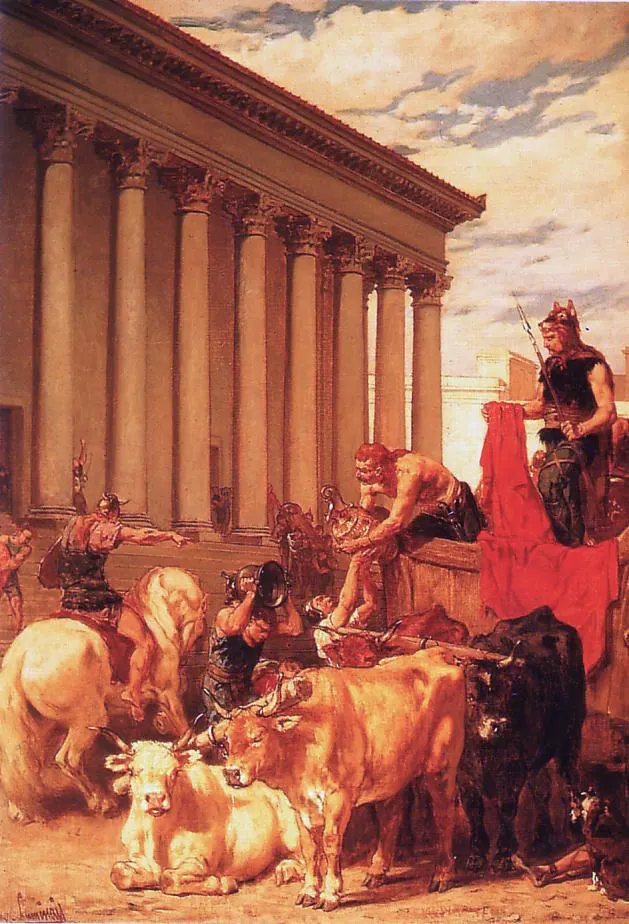
The Sack of Rome, a 19th-century painting by Évariste-Vital LuminaisThe Sack of Rome, a 19th-century painting by Évariste-Vital LuminaisImage: Évariste-Vital Luminais · Public domain
world · Europe

Alaric’s Visigoths break into Rome

By the early 400s the Western Roman Empire was struggling to hold its frontiers, and its emperor, Honorius, ruled from the safety of Ravenna rather than from Rome. Alaric, king of the Visigoths, had served Rome as an ally and wanted land, pay and a high command for his people. When the court refused his terms, he marched on Rome and besieged it more than once in 408 and 409, each time agreeing to withdraw in return for promises that were not kept. On the night of 24 August 410 a gate was opened, by whom is not known, and Alaric’s army entered the city. For three days the Visigoths plundered palaces and public buildings, though as Christians they largely spared the churches and those who sheltered in them. It was the first time in some 800 years that Rome had fallen to a foreign enemy. The shock ran across the Roman world and moved Augustine of Hippo to write The City of God, and the sack is still seen as a turning point in the decline of the Western Empire.

Source: Britannica: Sack of Rome (410 CE) ↗
II
THE MIDDLE AGES

Medieval History

Kingdoms, conflict, faith, power and the changing medieval world.

1215
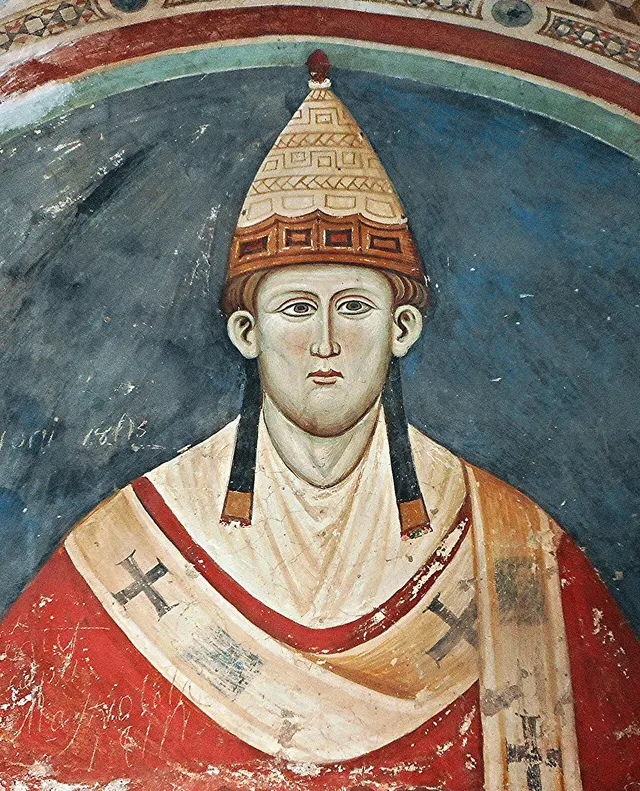
Pope Innocent III in a fresco at the monastery of SubiacoPope Innocent III in a fresco at the monastery of SubiacoImage: Carlo Raso · Public domain
politics · Europe

Pope Innocent III declares Magna Carta null and void

King John had agreed to Magna Carta under pressure from his rebellious barons at Runnymede in June 1215, but he had no intention of keeping it, and he appealed to the pope, his feudal overlord. In a bull dated 24 August 1215, Innocent III condemned the charter as shameful, demeaning, illegal and unjust and declared it void for ever. England slid into civil war, but after John’s death in 1216 the charter was reissued in revised form and survived.

Source: British Library: Shameful and demeaning, the annulment of Magna Carta ↗
III
A CHANGING WORLD

Early Modern Era

Exploration, political change, scientific development and expanding global connections.

1516
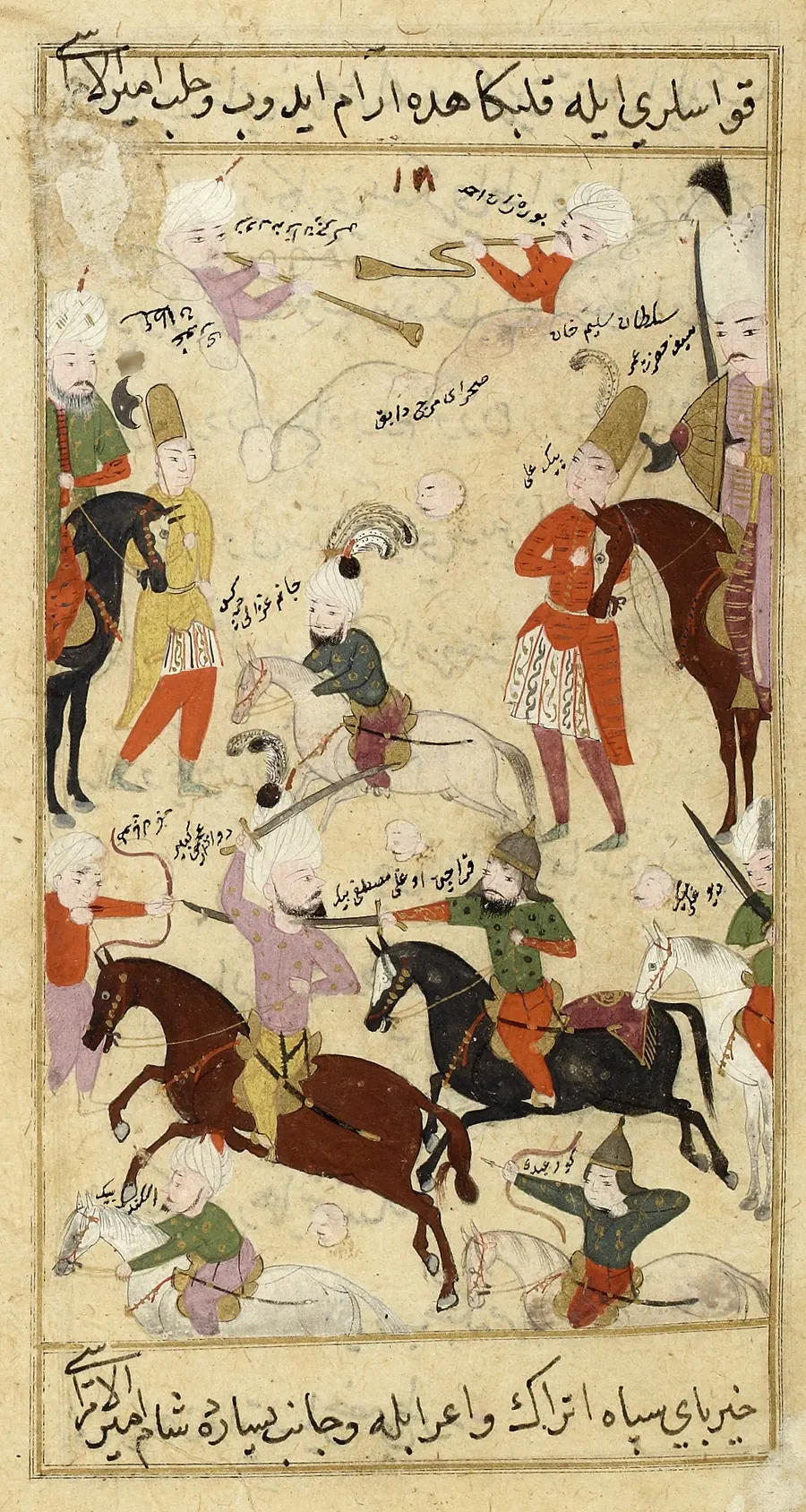
The Battle of Marj Dabiq in a 16th-century Ottoman manuscript, now in the Bibliothèque nationale de FranceThe Battle of Marj Dabiq in a 16th-century Ottoman manuscript, now in the Bibliothèque nationale de FranceImage: Illustration in a work by Hoca Sadeddin Efendi · Public domain
world · Middle East

The Ottomans crush the Mamluks at Marj Dabiq

For more than 250 years the Mamluk sultans of Cairo had ruled Egypt and Syria and acted as guardians of the holy cities of Mecca and Medina. To the north, the Ottoman Empire under Sultan Selim I had just defeated Safavid Persia, and the elderly Mamluk sultan, Qansuh al-Ghawri, led his army into northern Syria to face him. The two armies met at Marj Dabiq, a plain north of Aleppo, on 24 August 1516. The Ottoman troops, with their artillery and musket-armed infantry, routed the Mamluk cavalry, and Qansuh al-Ghawri died on the battlefield. Syria fell to Selim almost without a fight, and after a second victory near Cairo in January 1517 the Mamluk sultanate came to an end. Egypt, Syria and the holy places of Arabia remained under Ottoman rule for some four centuries.

Source: Britannica: Battle of Marj Dābiq ↗
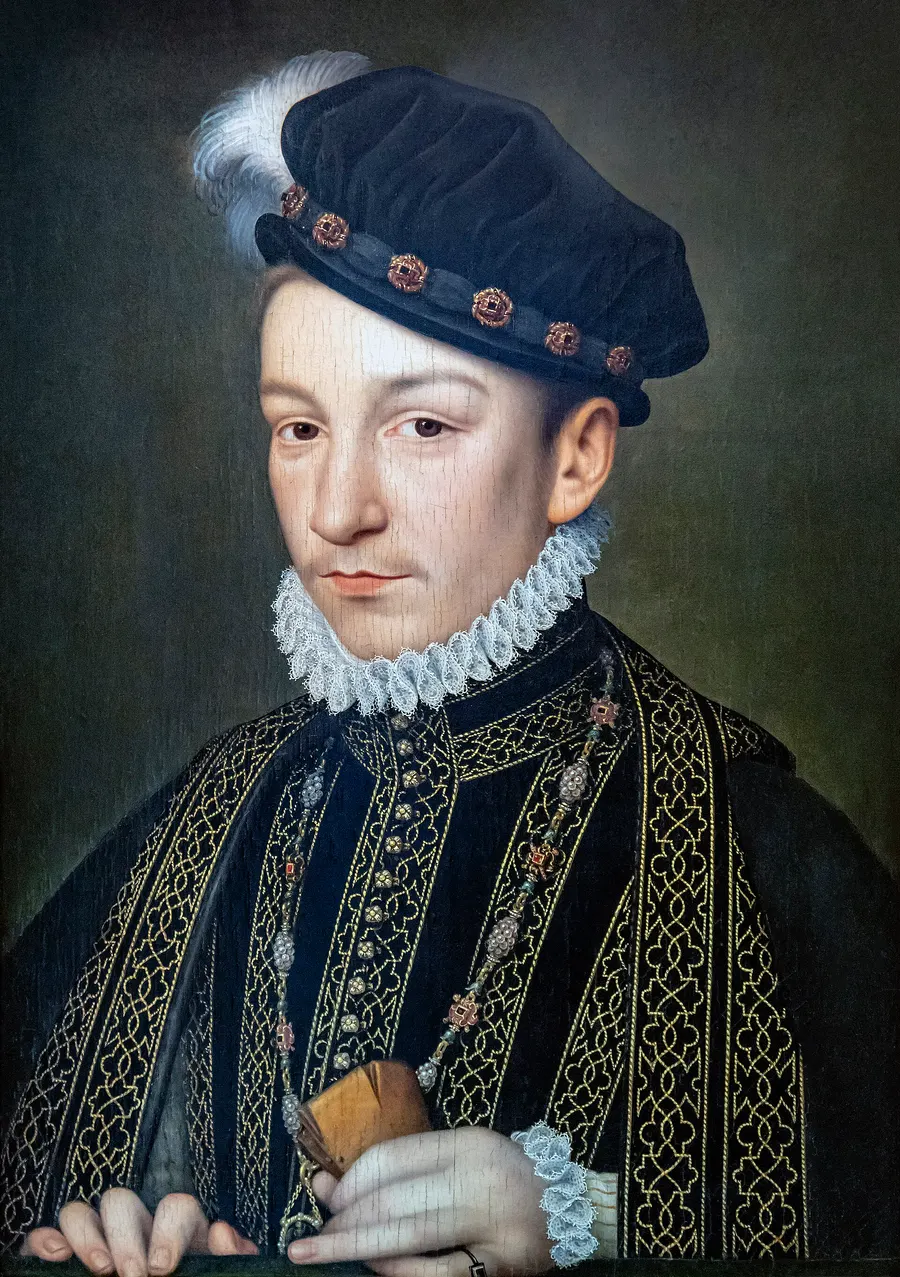
1572
King Charles IX of France, in a portrait by François ClouetKing Charles IX of France, in a portrait by François ClouetImage: Didier Descouens · Public domain
culture · Europe

The St Bartholomew’s Day massacre begins in Paris

Many Protestant nobles had come to Paris for the wedding of the Protestant Henry of Navarre to the king’s sister, Marguerite de Valois, which was meant to help end France’s wars of religion. In the early hours of 24 August 1572, with the approval of King Charles IX and his mother Catherine de’ Medici, the Protestant leader Admiral Gaspard de Coligny was killed, and Catholic mobs went on to attack Protestants across the city. The killing spread to other towns over the following weeks, and thousands died.

Source: Britannica: Catherine de’ Medici, the Massacre of St Bartholomew’s Day ↗
IV
THE NINETEENTH CENTURY

The 1800s

Industry, empire, invention, reform and a century of enormous transformation.

1814
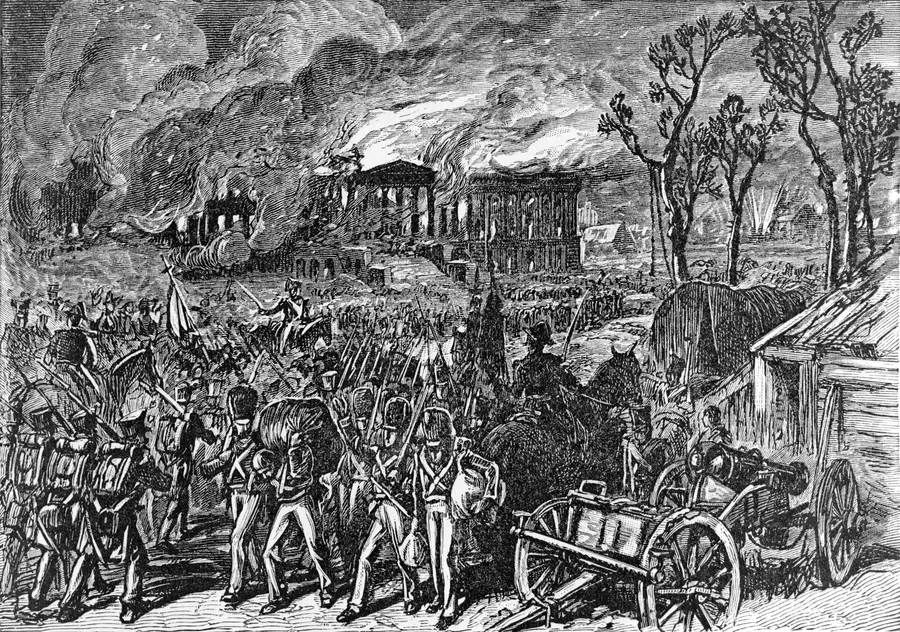
An engraving of the British capture and burning of Washington in 1814An engraving of the British capture and burning of Washington in 1814Image: Unknown author · Public domain
world · Americas

British troops set fire to Washington

Two years into the War of 1812 between the United States and Britain, a British force under General Robert Ross and Rear Admiral George Cockburn landed in Maryland and marched on the American capital. On the afternoon of 24 August 1814 they scattered a hastily gathered American army at Bladensburg, and President James Madison and his government fled the city. Dolley Madison left the President’s House only after arranging for Gilbert Stuart’s portrait of George Washington to be saved. That evening the British entered Washington unopposed and set fire to the Capitol, the President’s House, the Treasury and other public buildings, partly in revenge for the American burning of York, in Upper Canada, the year before. The library of Congress, some 3,000 books kept in the Capitol, was destroyed. A violent storm the next day helped to put out the flames, and the British soon withdrew. Thomas Jefferson sold his own library to Congress to replace the lost books, and the rebuilt President’s House became known as the White House.

Source: US Senate: A Capitol in Ruins ↗
1821
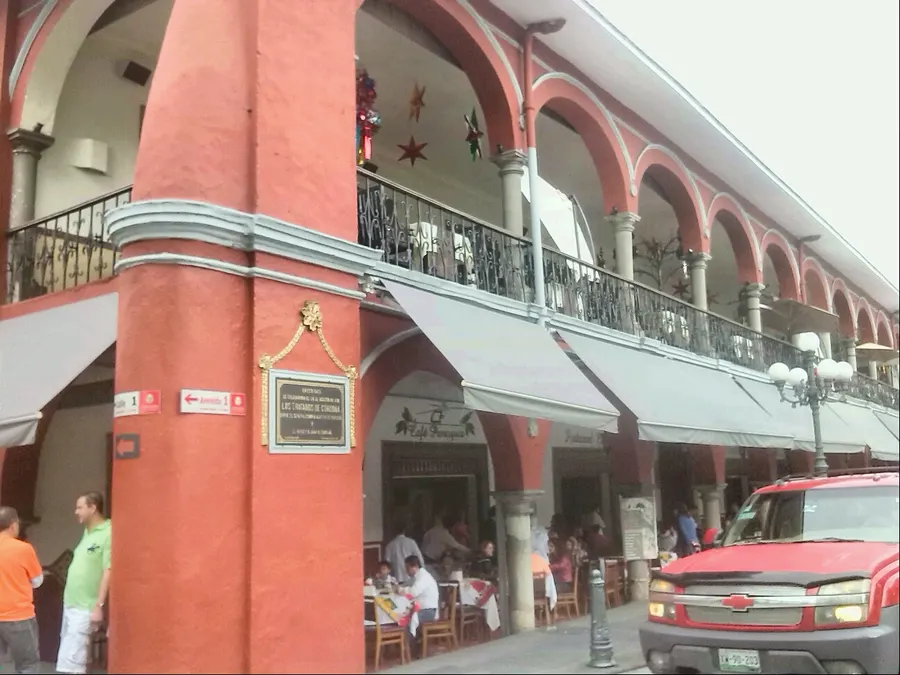
The house in Córdoba, Veracruz, where the treaty was signedThe house in Córdoba, Veracruz, where the treaty was signedImage: Isaacvp · CC BY-SA 4.0
politics · Americas

The Treaty of Córdoba recognises Mexico’s independence

After more than a decade of war, the royalist officer Agustín de Iturbide changed sides in 1821 and united the rebels behind his Plan of Iguala for an independent Mexico. When Juan O’Donojú arrived from Spain as the new head of government, he found the country almost entirely in Iturbide’s hands. On 24 August 1821, in the town of Córdoba in Veracruz, the two men signed a treaty recognising Mexico as an independent empire. Spain refused to ratify it, but Iturbide’s army entered Mexico City a month later.

Source: Britannica: Treaty of Córdoba ↗
1875
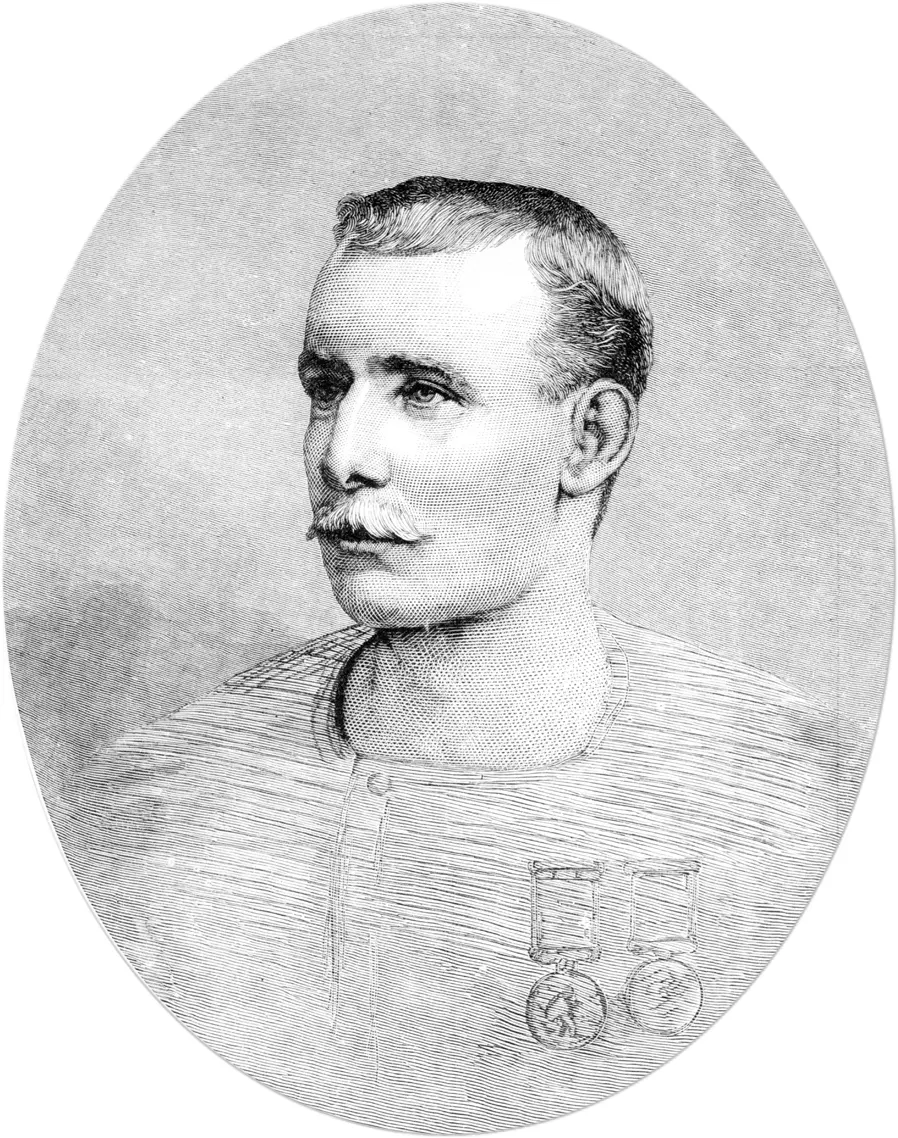
Captain Matthew Webb, from the Illustrated London NewsCaptain Matthew Webb, from the Illustrated London NewsImage: Illustrated London News · Public domain
sport · Europe

Matthew Webb sets off to swim the English Channel

Matthew Webb grew up in Shropshire, went to sea as a boy and became a captain in the merchant navy, where he gained a reputation as a strong and fearless swimmer. Nobody had yet swum across the English Channel unaided, and many doubted that it could be done. Webb’s first attempt, earlier in August 1875, was beaten back by bad weather. At about one o’clock in the afternoon of 24 August 1875, smeared with porpoise oil against the cold, he dived in from the Admiralty Pier at Dover. Swimming breaststroke, he battled the tides, a jellyfish sting and the night, and walked ashore near Calais on the morning of 25 August after 21 hours and 45 minutes in the water. He became a national hero, and it was 36 years before anyone repeated the feat. The swim is often taken as the beginning of marathon swimming.

Source: Britannica: Matthew Webb ↗
V
THE TWENTIETH CENTURY

The 1900s

War and peace, technological leaps, social change, politics, sport and popular culture.

1932
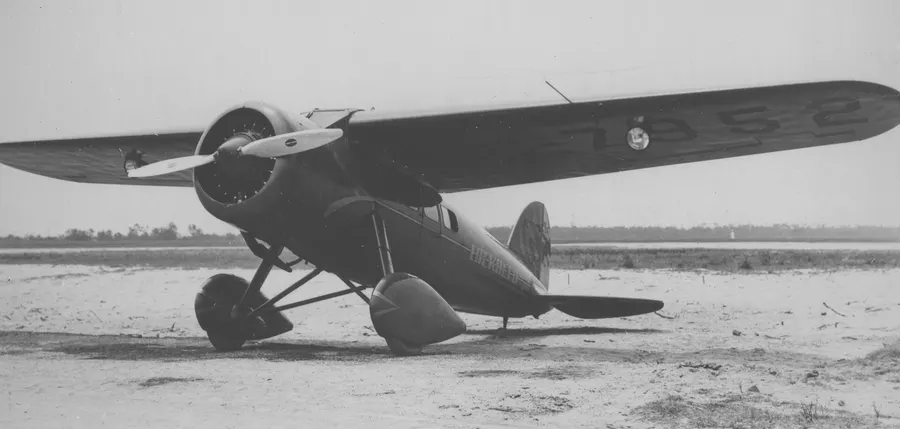
Amelia Earhart's Lockheed Vega 5B, photographed around 1932Amelia Earhart’s Lockheed Vega 5B, photographed around 1932Image: U.S. Navy · Public domain
world · Americas

Amelia Earhart flies non-stop across the United States

Three months after becoming the first woman to fly the Atlantic alone, Amelia Earhart took off from Los Angeles on 24 August 1932 in her red Lockheed Vega and flew without stopping to Newark, New Jersey, landing the next day after 19 hours and 5 minutes in the air. She was the first woman to fly non-stop from coast to coast, and set a women’s distance record on the way.

Source: Smithsonian National Air and Space Museum: Earhart made history as the first woman to fly nonstop across the US ↗
1936
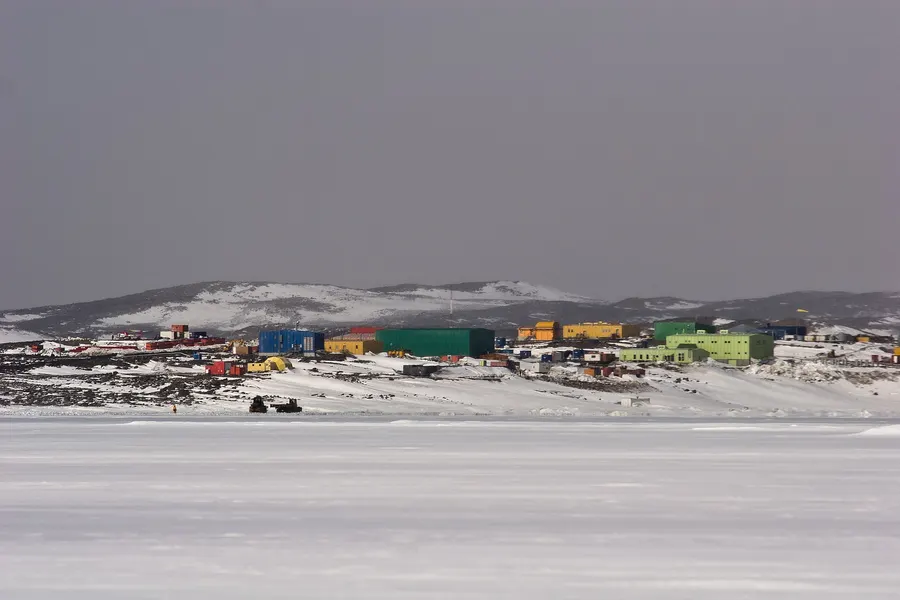
Davis, one of Australia's research stations in the Australian Antarctic Territory, in November 2005Davis, one of Australia’s research stations in the Australian Antarctic Territory, in November 2005Image: Graham Denyer · CC BY-SA 2.5
world · Oceania

Australia takes over a vast slice of Antarctica

Britain had laid claim to large parts of Antarctica explored by British and Australian expeditions, and in 1933 the Australian parliament passed an act to accept them as an Australian territory. The act came into force on 24 August 1936, creating the Australian Antarctic Territory, which covers about 42 per cent of the continent. Like other national claims, it was set aside rather than given up under the Antarctic Treaty of 1959, and today Australia runs three research stations there.

Source: National Archives of Australia: Australian Antarctic Territory Acceptance Act ↗
1989
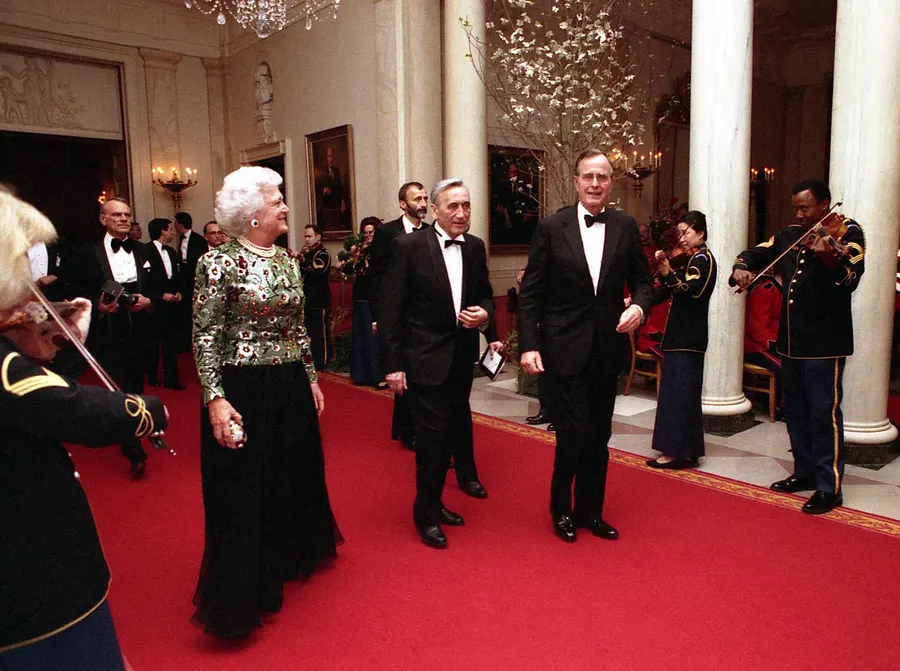
Tadeusz Mazowiecki with President George H. W. Bush and Barbara Bush at a state dinner at the White HouseTadeusz Mazowiecki with President George H. W. Bush and Barbara Bush at a state dinner at the White HouseImage: Photo credit: George Bush Presidential Library and Museum · Public domain
politics · Europe

Poland gets its first non-communist prime minister in four decades

In June 1989 Poland held partly free elections, and the Solidarity movement won almost every seat it was allowed to contest. Unable to form a government, the communists accepted a Solidarity prime minister, and on 24 August 1989 the Sejm approved Tadeusz Mazowiecki, a Catholic journalist and adviser to Lech Wałęsa. He was the first non-communist head of government in Eastern Europe since the late 1940s, and his appointment helped set off the collapse of communist rule across the region that autumn.

Source: Britannica: Tadeusz Mazowiecki ↗
1991
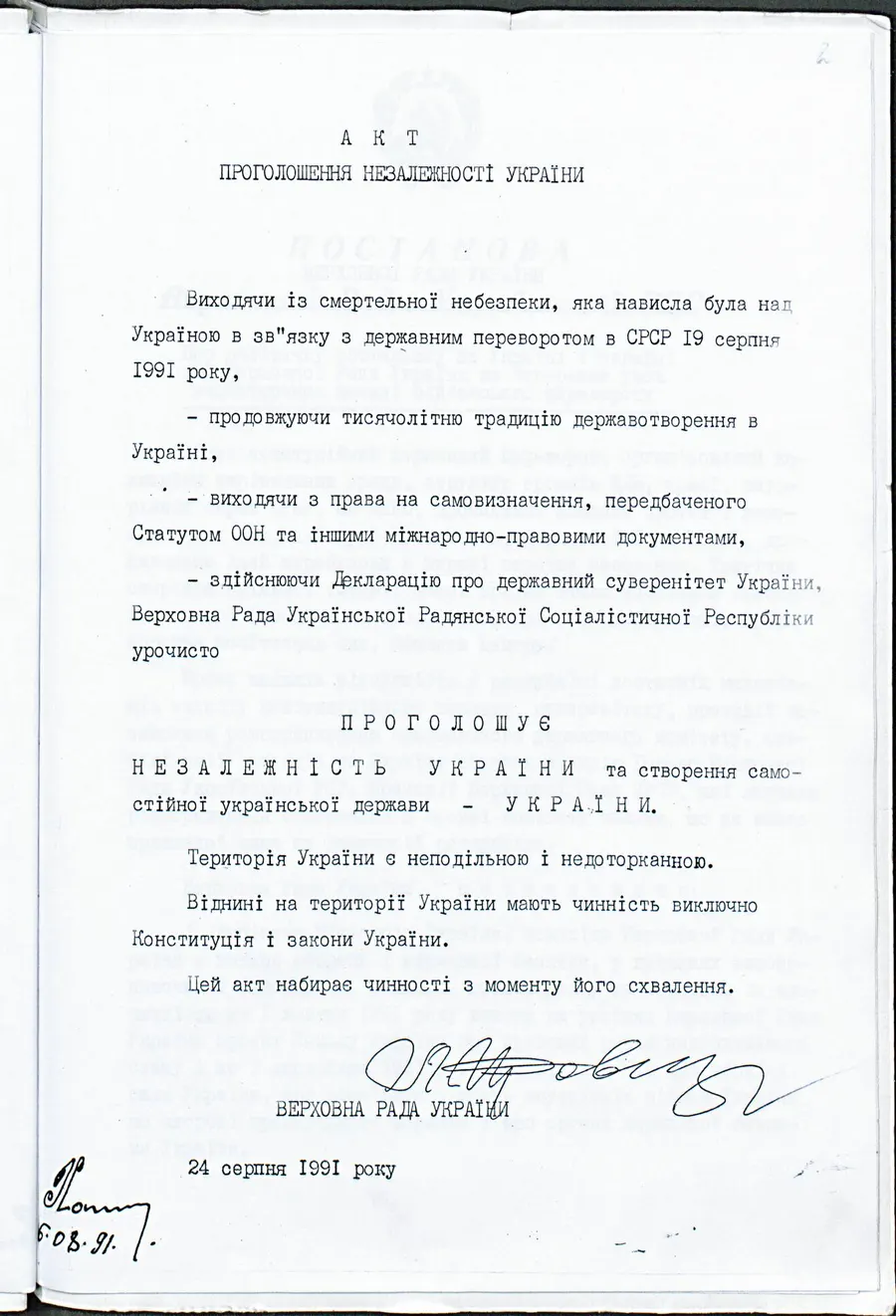
The signed Act of Declaration of Independence of Ukraine, dated 24 August 1991The signed Act of Declaration of Independence of Ukraine, dated 24 August 1991Image: Verkhovna Rada of the Ukrainian SSR · Public domain
politics · Europe

Ukraine declares its independence

Ukraine had been one of the founding republics of the Soviet Union, and the second most populous after Russia. In July 1990, as Mikhail Gorbachev’s reforms loosened Moscow’s grip, its parliament, the Verkhovna Rada, had declared the republic’s sovereignty, but full separation still seemed a distant prospect. Then on 19 August 1991 hardliners in Moscow tried to seize power from Gorbachev, and their coup collapsed within three days. On 24 August 1991, with the Soviet system visibly breaking apart, the Verkhovna Rada voted by an overwhelming majority to declare Ukraine an independent democratic state whose territory was ‘indivisible and inviolable’. The declaration was put to the people on 1 December 1991, when more than 90 per cent of voters approved it, and within weeks the Soviet Union itself was dissolved. 24 August is celebrated as Ukraine’s Independence Day.

Source: Verkhovna Rada of Ukraine: Resolution on the Declaration of Independence of Ukraine ↗
VI
2000 TO TODAY

Modern Day

The events of recent decades that have already become part of the historical record.

2006
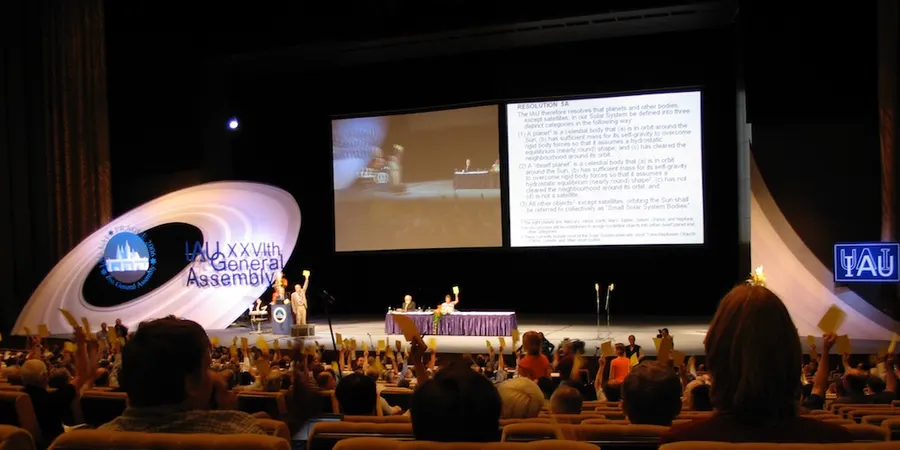
Astronomers raise their voting cards at the International Astronomical Union's General Assembly in Prague, 24 August 2006Astronomers raise their voting cards at the International Astronomical Union’s General Assembly in Prague, 24 August 2006Image: Aldebarium · CC BY-SA 4.0
science · Global

Astronomers vote Pluto out of the planets

Pluto had been counted as the ninth planet since its discovery in 1930, but it was always an odd one: tiny, icy and on a tilted, stretched-out orbit. From the 1990s astronomers found more and more similar bodies beyond Neptune, and in 2005 they discovered one, later named Eris, that seemed at least as big as Pluto. Either the Solar System was about to gain many new planets, or the word ‘planet’ needed a definition. At the General Assembly of the International Astronomical Union in Prague, on 24 August 2006, the members voted that a planet must orbit the Sun, be massive enough to pull itself into a nearly round shape and have cleared the neighbourhood around its orbit. Pluto failed the last test, and it became a ‘dwarf planet’ alongside Ceres and Eris, leaving eight planets. The decision is still argued over, and NASA’s New Horizons probe, launched months earlier, went on to show in 2015 that Pluto is a strikingly active world.

Source: International Astronomical Union: Result of the IAU Resolution votes, 2006 ↗
RESEARCH

Sources & Further Reading

Selected authoritative references supporting the events on this page.

Britannica: Hieroglyphic writing, Christianity and the Greek alphabet↗UCLA Encyclopedia of Egyptology: Philae↗Britannica: Sack of Rome (410 CE)↗World History Encyclopedia: Alaric↗British Library: Shameful and demeaning, the annulment of Magna Carta↗Magna Carta 800th Anniversary Committee: History of the Magna Carta↗Britannica: Battle of Marj Dābiq↗Wikipedia: Battle of Marj Dabiq↗Britannica: Catherine de’ Medici, the Massacre of St Bartholomew’s Day↗Musée protestant: Fourth war of religion and Saint Bartholomew↗US Senate: A Capitol in Ruins↗White House Historical Association: Rebuilding the White House and US Capitol↗Britannica: Treaty of Córdoba↗Library of Congress: The Mexican Revolution and the United States, independence from Spain↗Britannica: Matthew Webb↗International Swimming Hall of Fame: Captain Matthew Webb↗Smithsonian National Air and Space Museum: Earhart made history as the first woman to fly nonstop across the US↗Wikipedia: Amelia Earhart↗National Archives of Australia: Australian Antarctic Territory Acceptance Act↗Australian Antarctic Division: Australian Antarctic Territory↗Britannica: Tadeusz Mazowiecki↗National School of Public Administration, Poland: Death of Tadeusz Mazowiecki↗Verkhovna Rada of Ukraine: Resolution on the Declaration of Independence of Ukraine↗Encyclopedia of Ukraine: Ukraine’s Declaration of Independence, 1991↗International Astronomical Union: Result of the IAU Resolution votes, 2006↗NASA Science: Pluto facts↗
WHY THESE MOMENTS?

Significance before volume

This page is not the longest possible list of events. It is a chronological journey through 24 August, where each entry is chosen for historical significance, human interest and reliability.

Facts are checked against authoritative museums, archives, universities and reference works. Where sources disagree, the page says so.

EXPLORED THE DEEPER STORY?

Return to the highlights of 24 August

Discover the lighter side of the date with famous birthdays, culture, firsts and lives remembered.

Explore This Day →
← PREVIOUS DAY23 August
HISTORY & TIMELINE24 August
NEXT DAY →25 August