
1573
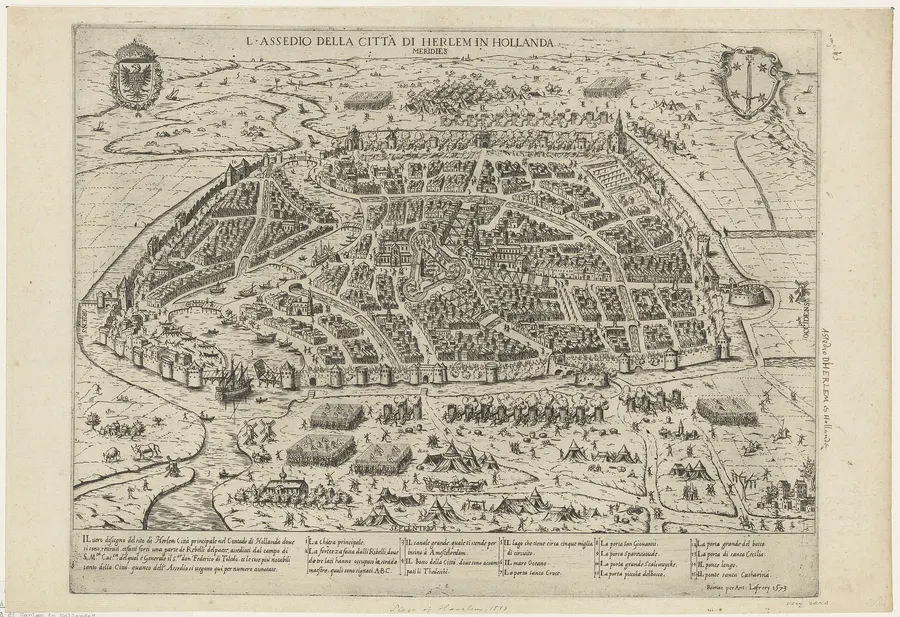 A bird’s-eye view of Haarlem and its surroundings during the Spanish siege, 16th-century printImage: Lafrery, Antonio (1512-1577) · CC0
world · Europe
Haarlem surrenders to Spain after a seven-month siege
When the Dutch revolt against Spanish rule spread in 1572, the Duke of Alba sent his son, Don Fadrique, to crush the rebel towns of Holland. Haarlem held out through the winter, but when a relief fleet was beaten on the Haarlemmermeer, starvation set in. The city surrendered on 13 July 1573, and much of its garrison was executed. The long siege cost Spain dearly, and the next towns it attacked, Alkmaar and Leiden, held out.
Source: Rijksmuseum: Moord te Haarlem door de Spanjaarden, 1573 ↗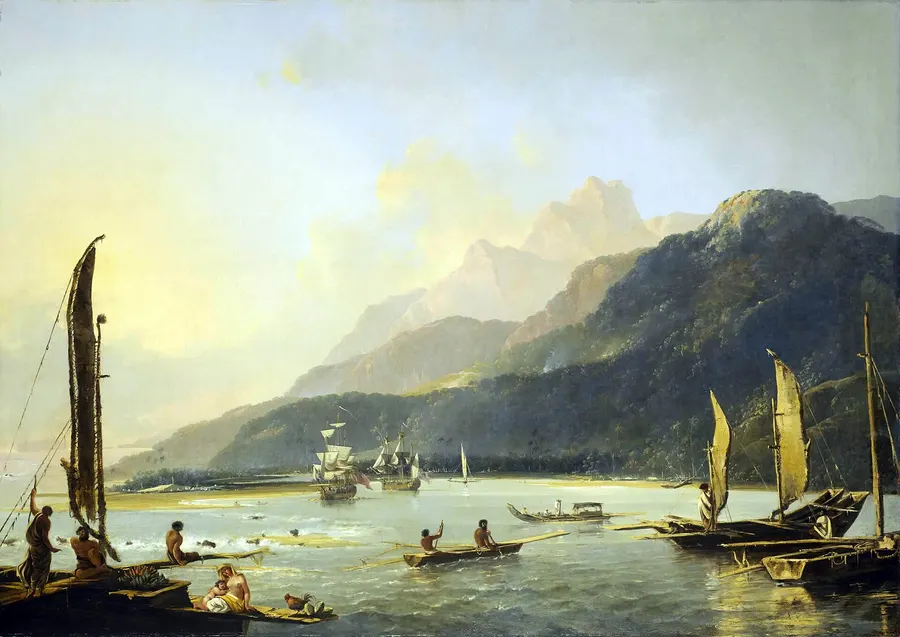 Resolution and Adventure at anchor in Matavai Bay, Tahiti, painted by William Hodges, the voyage’s artistImage:
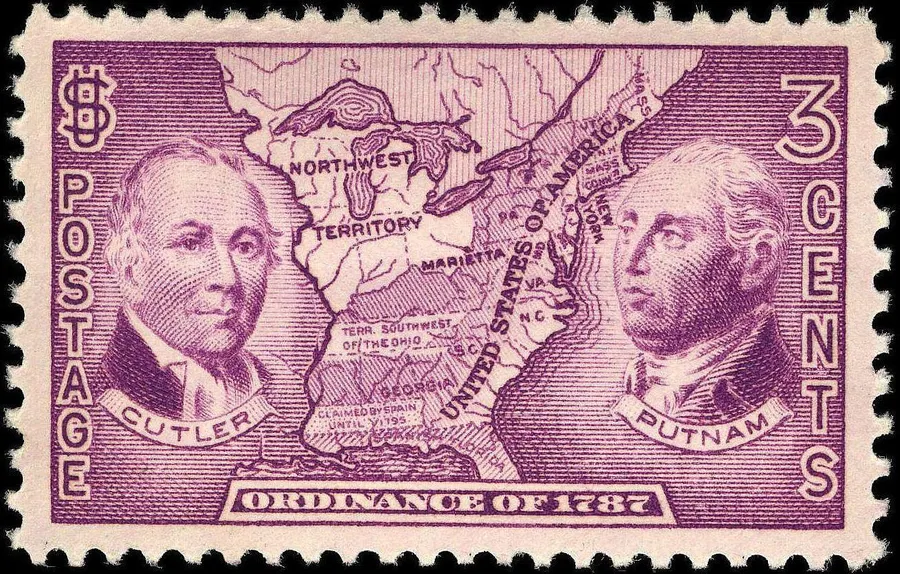 A US stamp of 1937 for the ordinance’s 150th anniversary, showing Manasseh Cutler, Rufus Putnam and a map of the territoryImage:
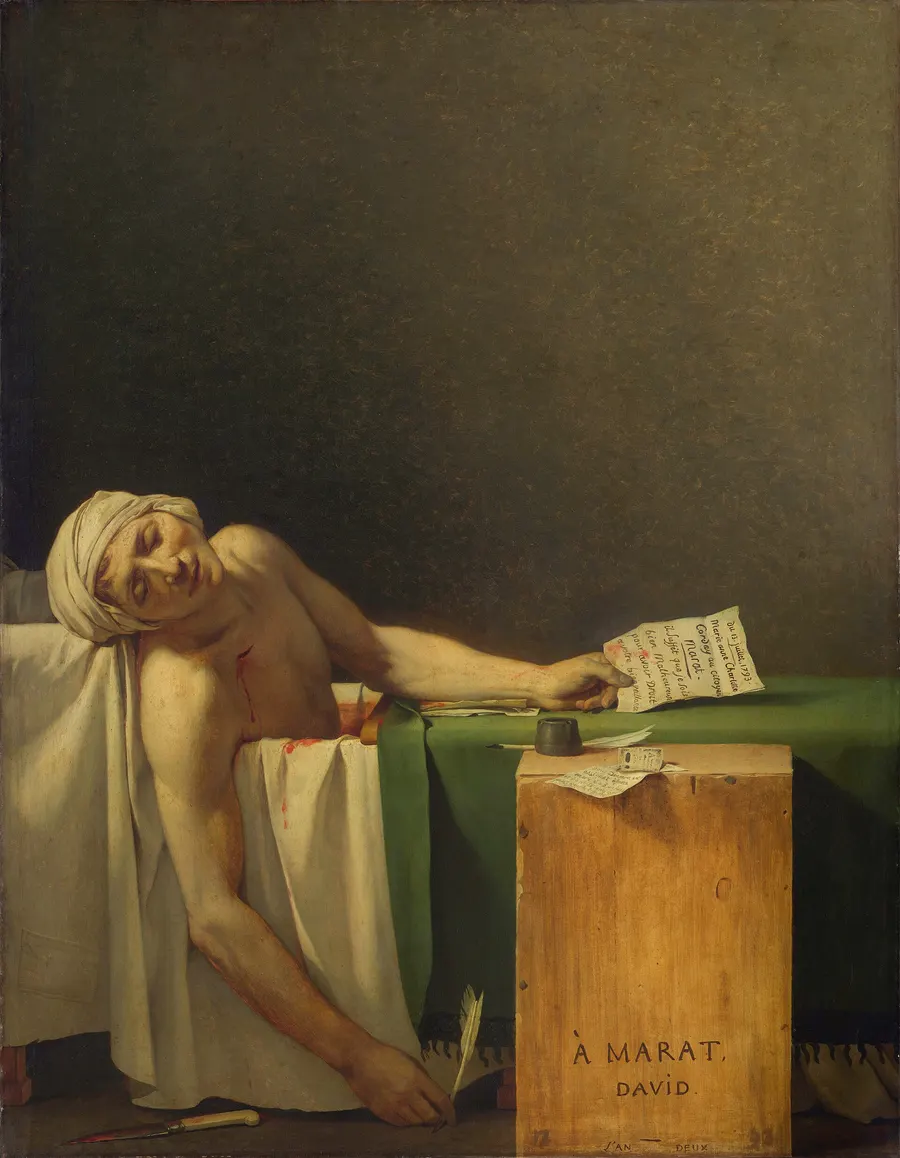 The Death of Marat, painted by Jacques-Louis David in 1793Image:
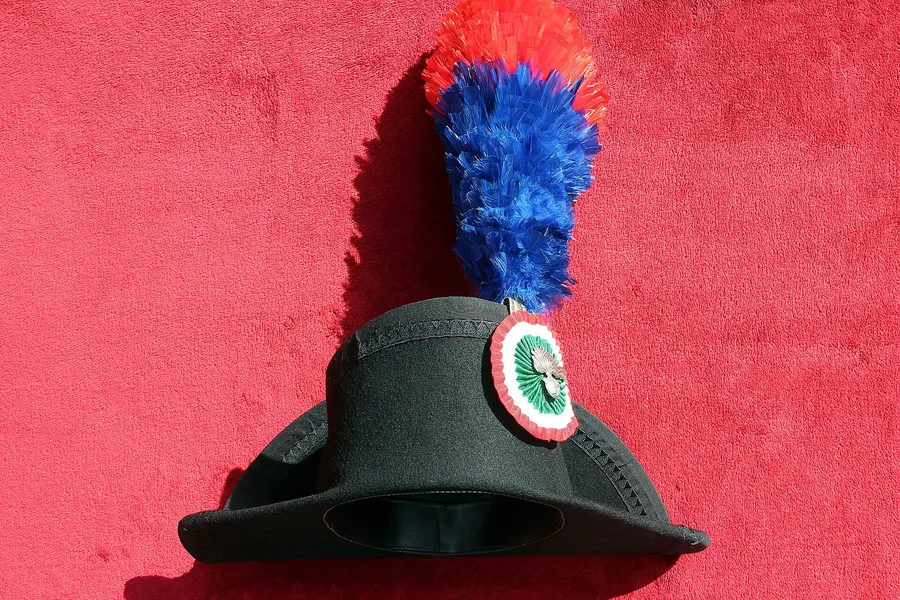 The plumed bicorne hat worn with the Carabinieri’s full-dress uniformImage:
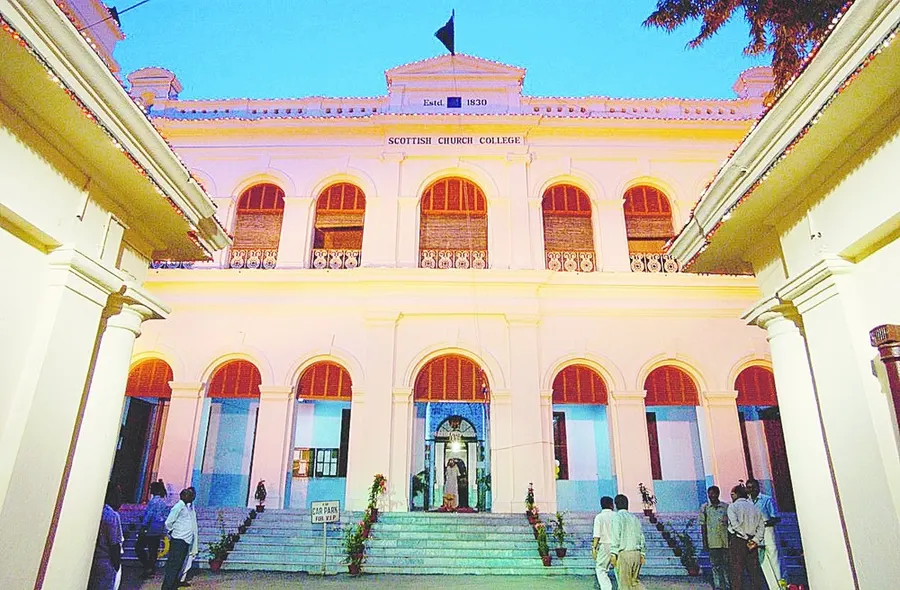 The main building of Scottish Church College in Kolkata, which grew from Alexander Duff’s schoolImage:
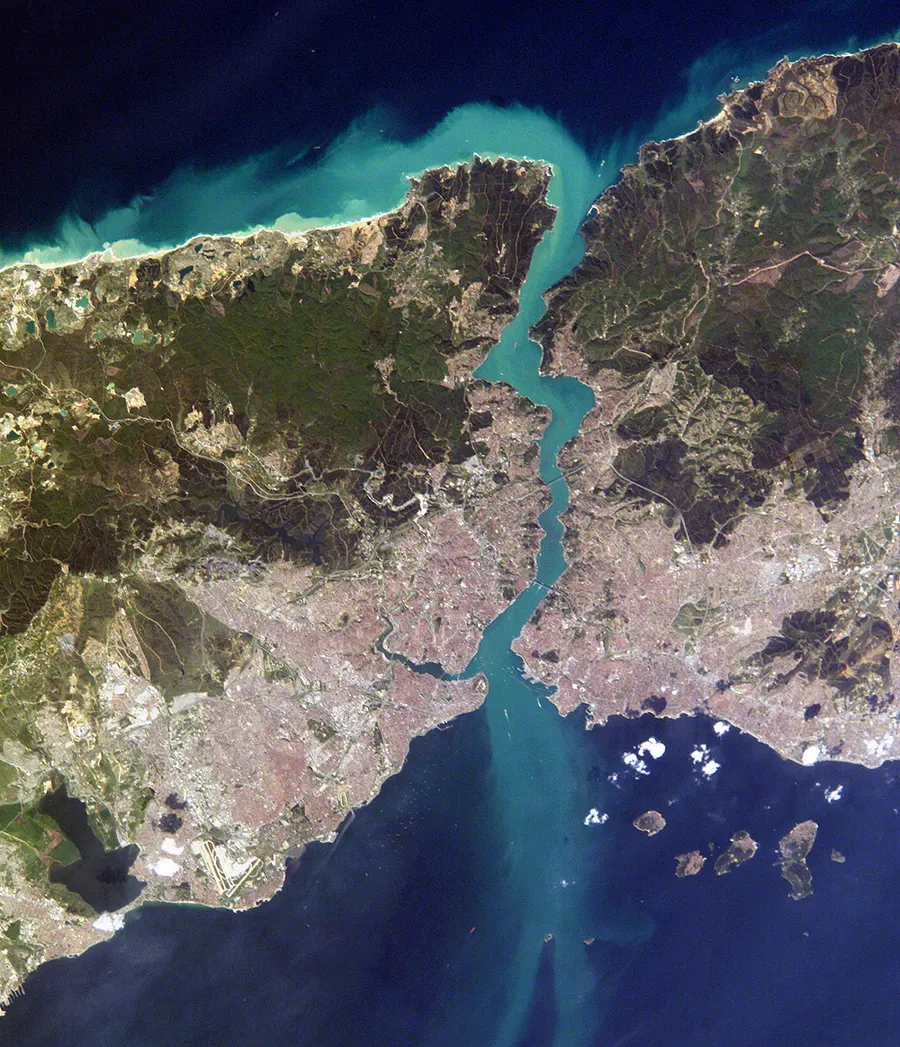 Istanbul and the Bosporus seen from the International Space StationImage:
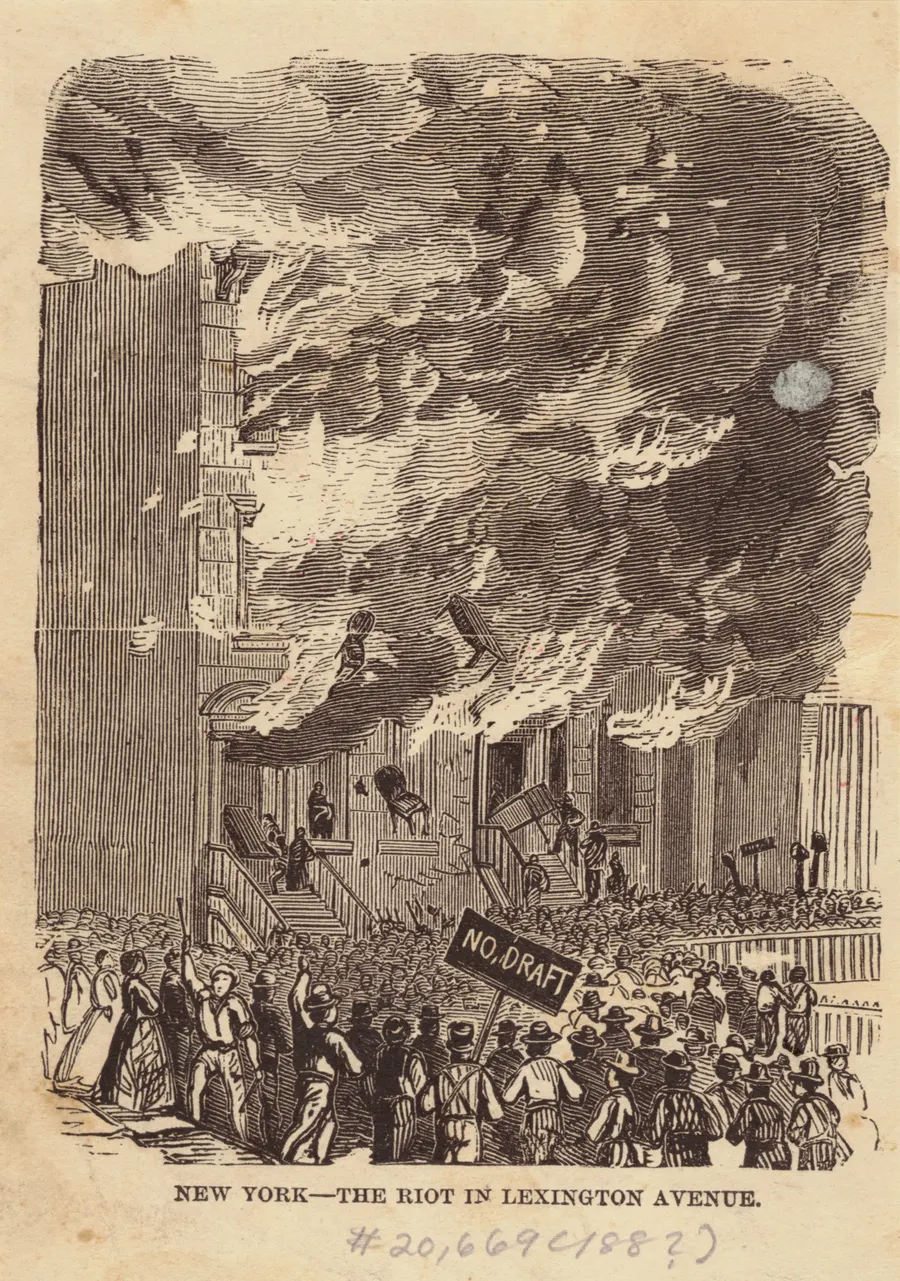 Crowds and burning buildings on Lexington Avenue during the riots, in a 19th-century engravingImage:
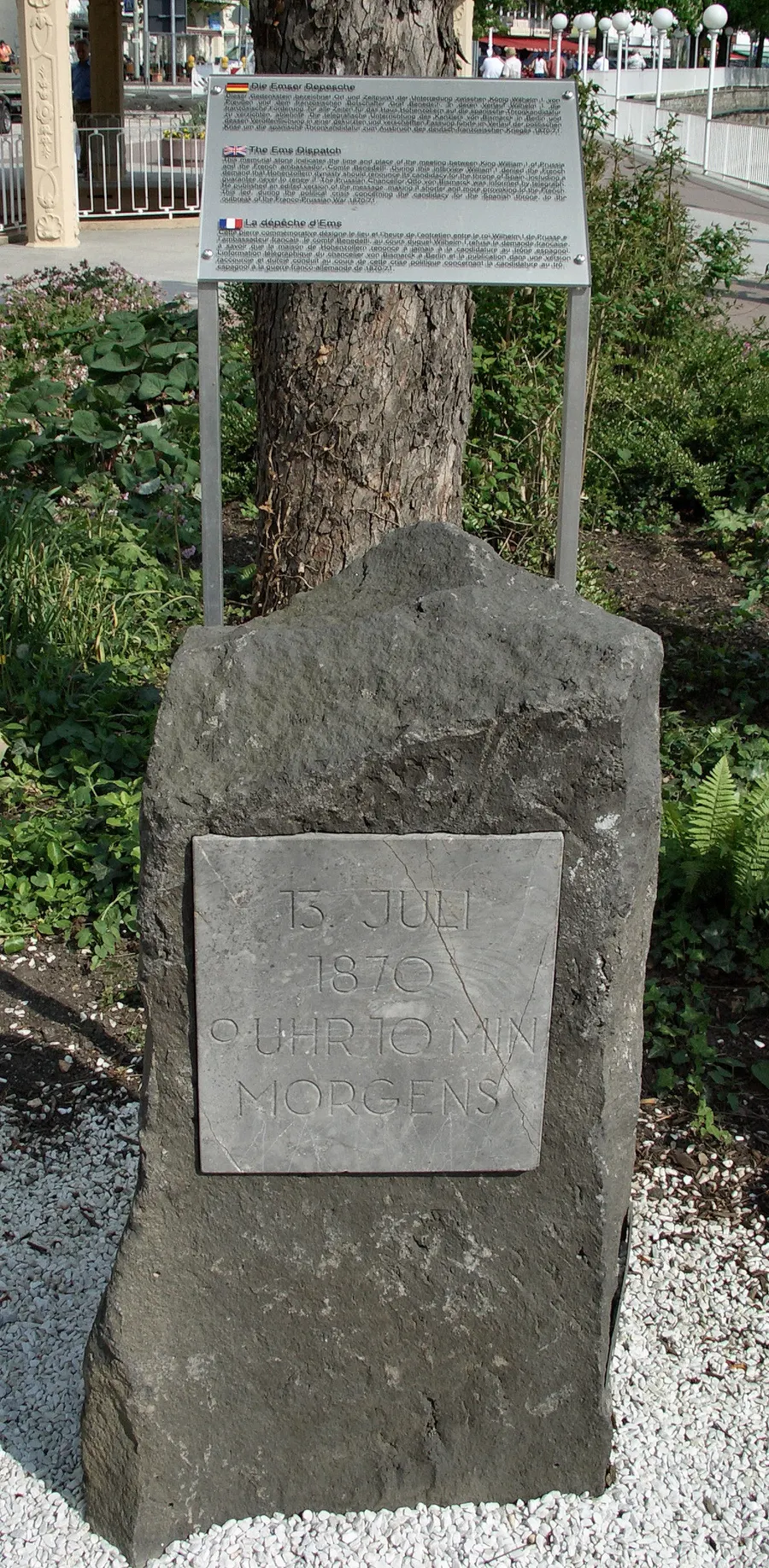 The memorial stone in the spa gardens at Bad Ems marking where King William met the French ambassadorImage:
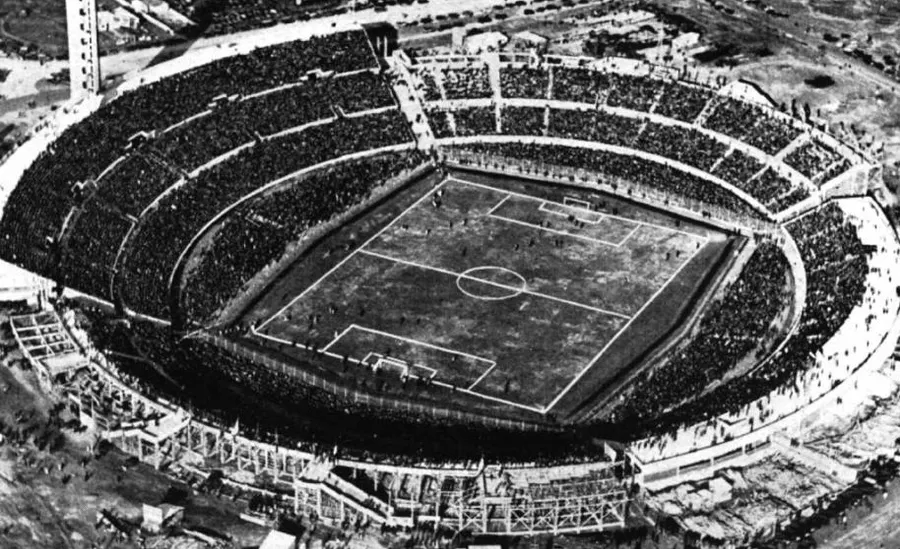 The Estadio Centenario in Montevideo, built for the 1930 World Cup, which opened five days after the first matchesImage:
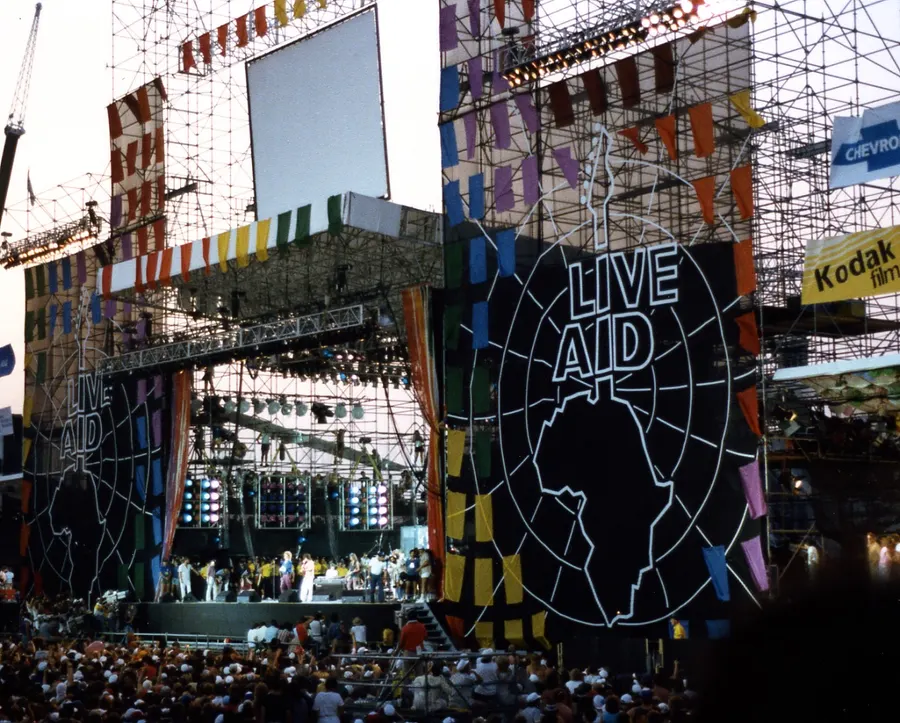 The Live Aid stage, with its guitar-shaped map of Africa, at JFK Stadium in PhiladelphiaImage:
 The Beijing National Stadium, the Bird’s Nest, during the 2008 Olympic GamesImage: