
352
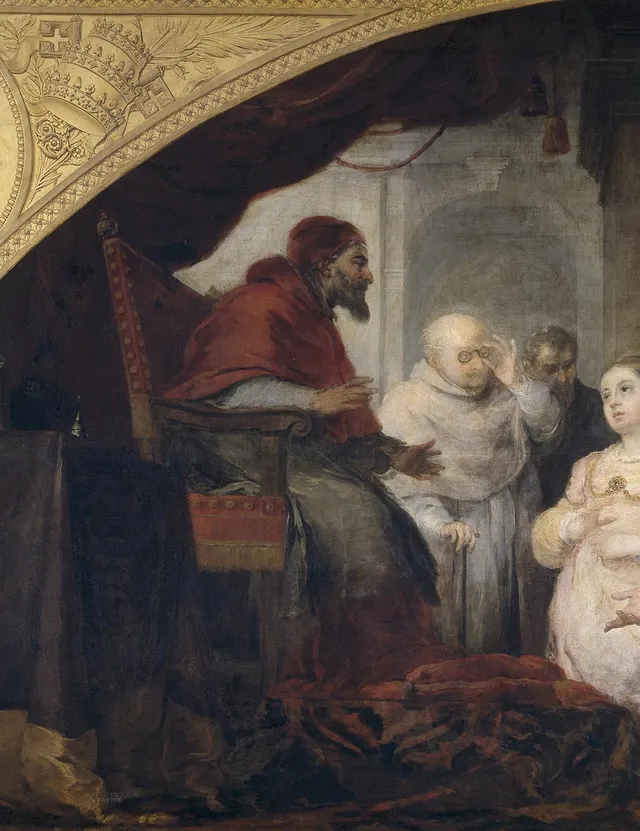 Murillo’s painting of the Roman patrician John telling Pope Liberius of his dream, from the legend of Santa Maria MaggioreImage: Bartolomé Esteban Perez Murillo · Public domain
culture · Europe
Liberius becomes bishop of Rome
After the death of Pope Julius I in April 352, the church in Rome chose the deacon Liberius as his successor; the Catholic Encyclopedia dates his election to 17 May. His long reign came at the height of the dispute over Arianism, and in 355 the emperor Constantius II sent him into exile for refusing to condemn Athanasius. He later returned to Rome and served until his death in 366.
Source: Catholic Encyclopedia (New Advent): Pope Liberius ↗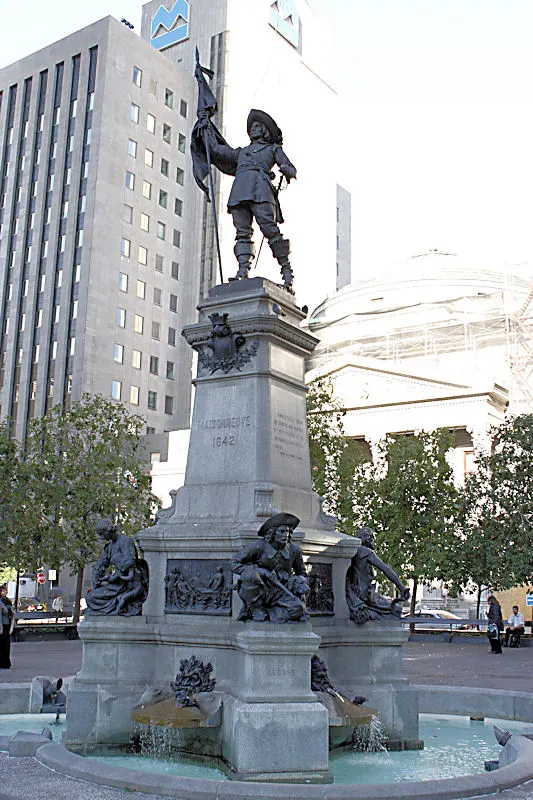 The monument to Paul de Chomedey de Maisonneuve on Place d’Armes in MontrealImage:
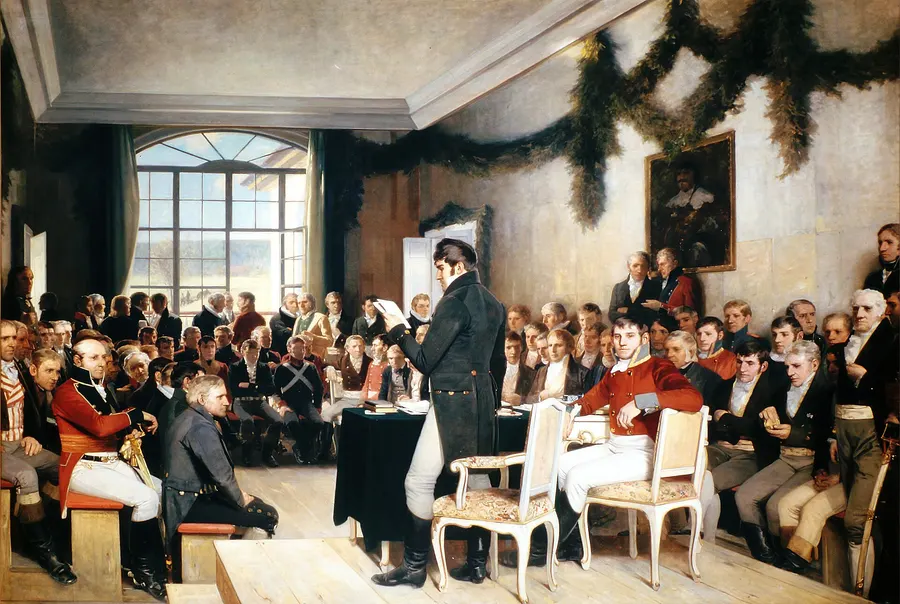 Oscar Wergeland’s 1885 painting of the Constituent Assembly at Eidsvoll in 1814Image:
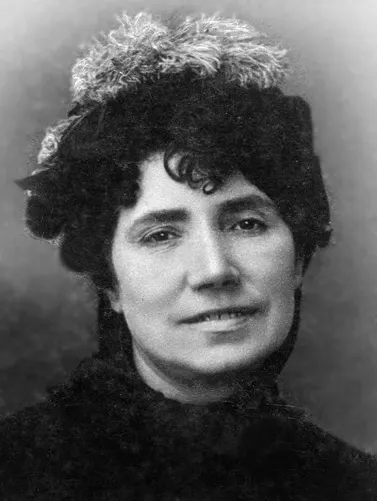 Portrait of the Galician poet Rosalía de CastroImage:
 The ITU’s present-day headquarters buildings in GenevaImage:
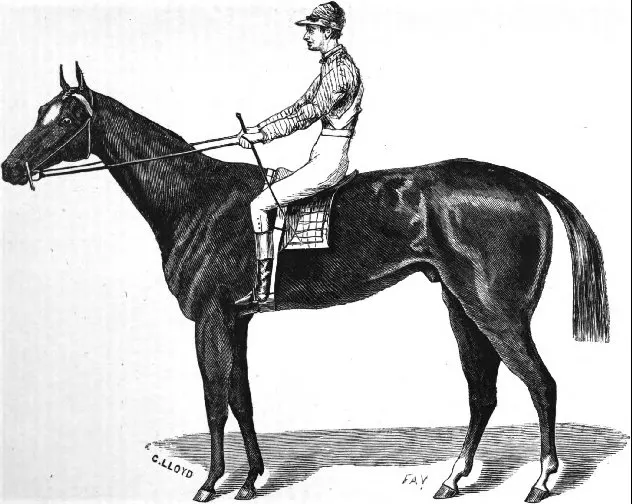 An engraving of Aristides, the colt that won the first Kentucky DerbyImage:
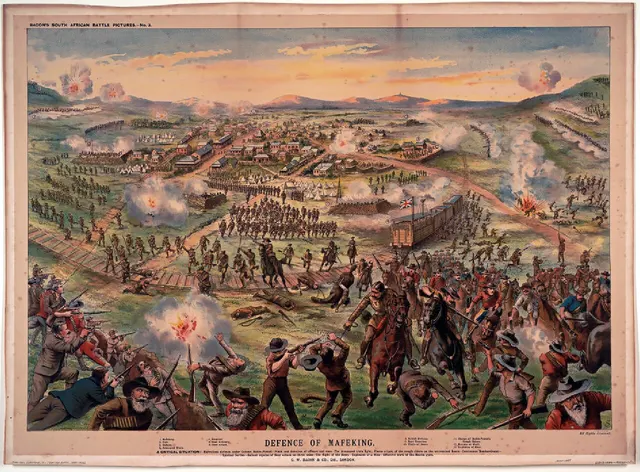 A Bacon’s war print of the defence of MafekingImage:
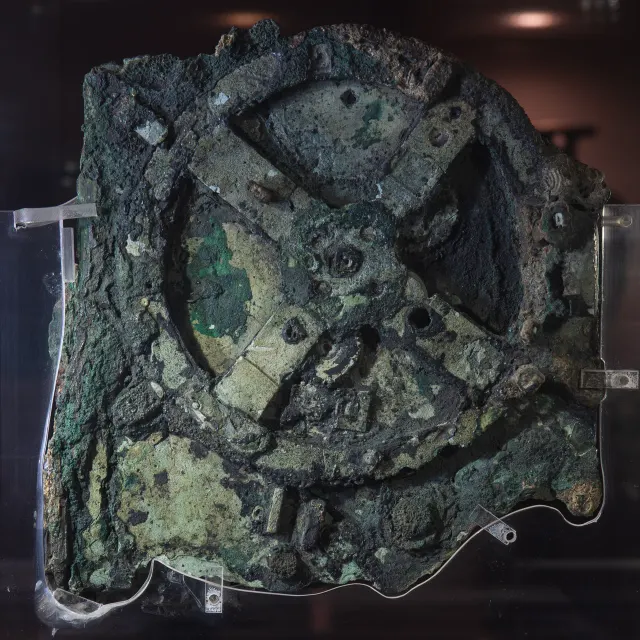 The largest surviving fragment of the Antikythera mechanism, National Archaeological Museum, AthensImage:
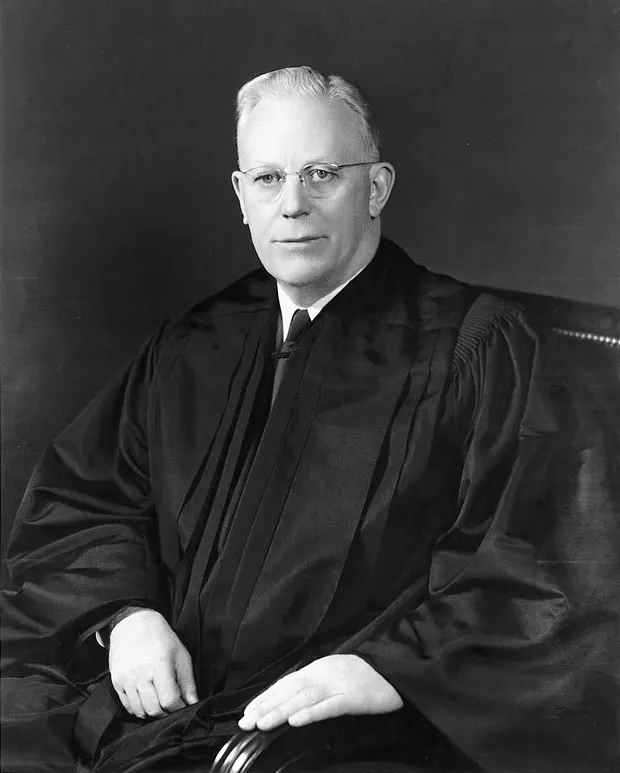 Chief Justice Earl Warren, who delivered the court’s unanimous opinionImage:
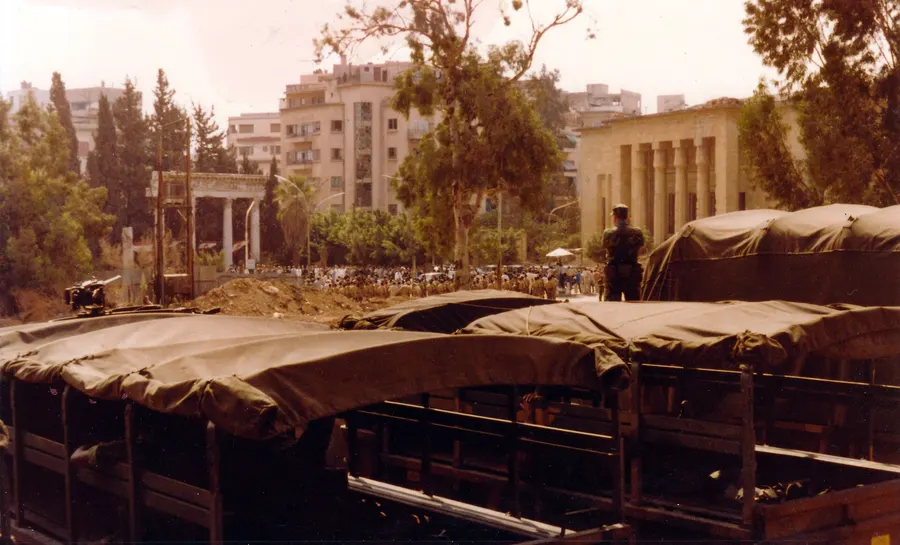 Beirut on the day of Amine Gemayel’s inauguration as president in 1982Image:
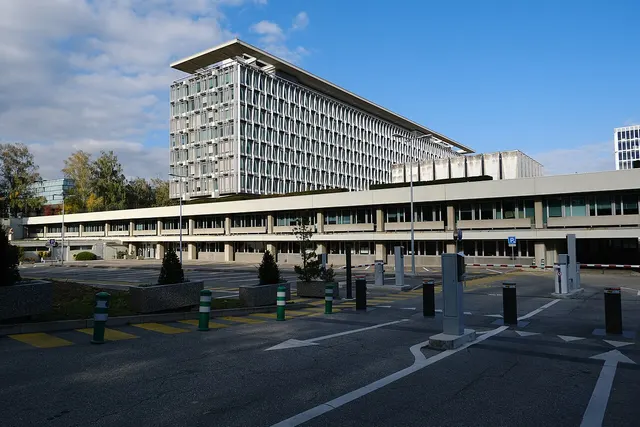 The World Health Organization’s headquarters at Pregny-Chambésy, GenevaImage:
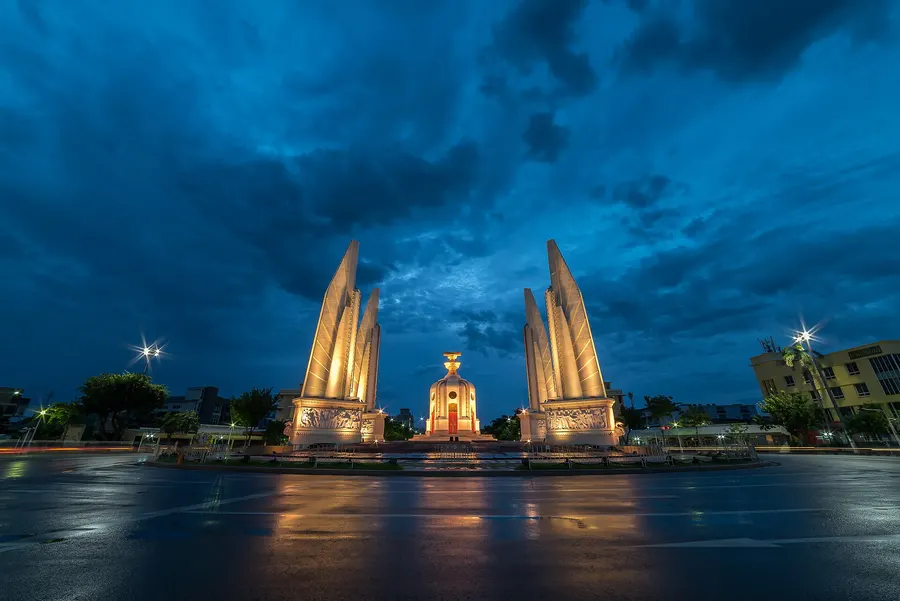 The Democracy Monument on Ratchadamnoen Avenue in Bangkok, where the 1992 protests gatheredImage:
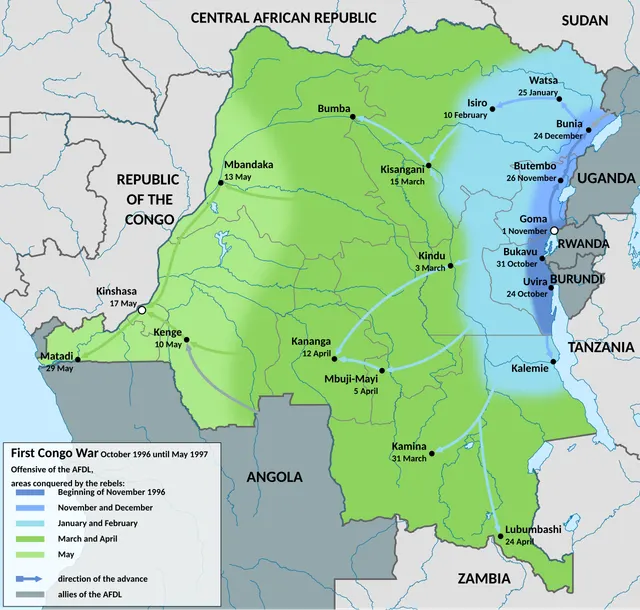 A map of the rebel advance across Zaire in the First Congo War, 1996 to 1997Image: