HISTORY & TIMELINE
20 May

A journey through
20 May in history

The story of 20 May runs from the opening of the Council of Nicaea in 325 to the birth of independent East Timor in 2002. In between come a sea route to India, the first modern atlas, a law that opened the American West, the first patented blue jeans, a treaty that fixed the world’s measurements, the first rumblings of Krakatoa, the paper that identified the virus behind AIDS and a free-kick that won Barcelona its first European Cup.

I
EARLIEST RECORDS

Ancient & Early History

The earliest worthwhile records and events connected with this date.

325
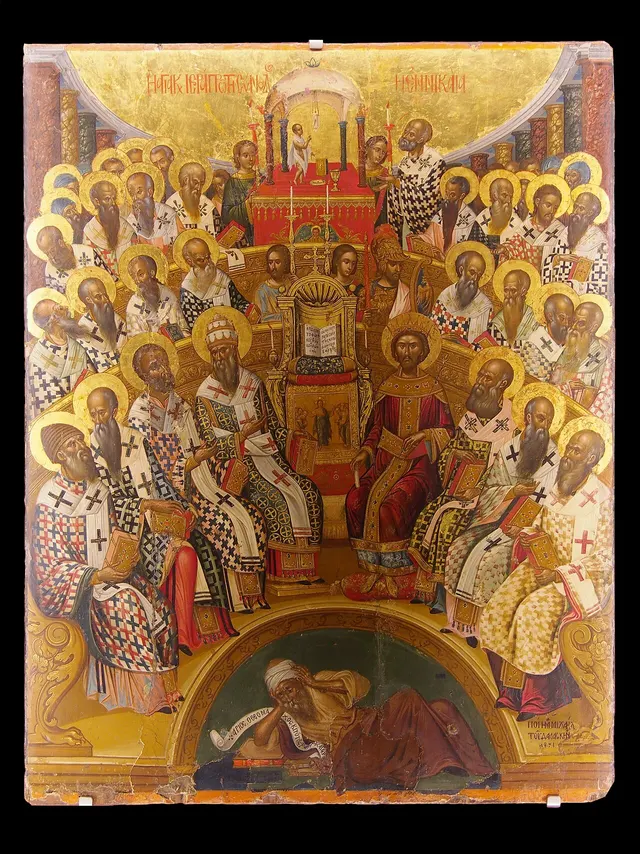
An icon showing Emperor Constantine and the bishops of the First Council of NicaeaAn icon showing Emperor Constantine and the bishops of the First Council of NicaeaImage: C messier · Public domain
culture · Middle East

The Council of Nicaea opens

Some three hundred bishops, most from the Greek-speaking East, gathered in the imperial palace at Nicaea, in what is now north-west Turkey, for the first council of the whole Christian Church. Called by the emperor Constantine to settle the dispute over the teachings of Arius, it opened on 20 May 325 by the traditional dating and produced the Nicene Creed, still recited in churches today.

Source: EWTN Library: Nicaea I, 325 ↗
II
THE MIDDLE AGES

Medieval History

Kingdoms, conflict, faith, power and the changing medieval world.

1498
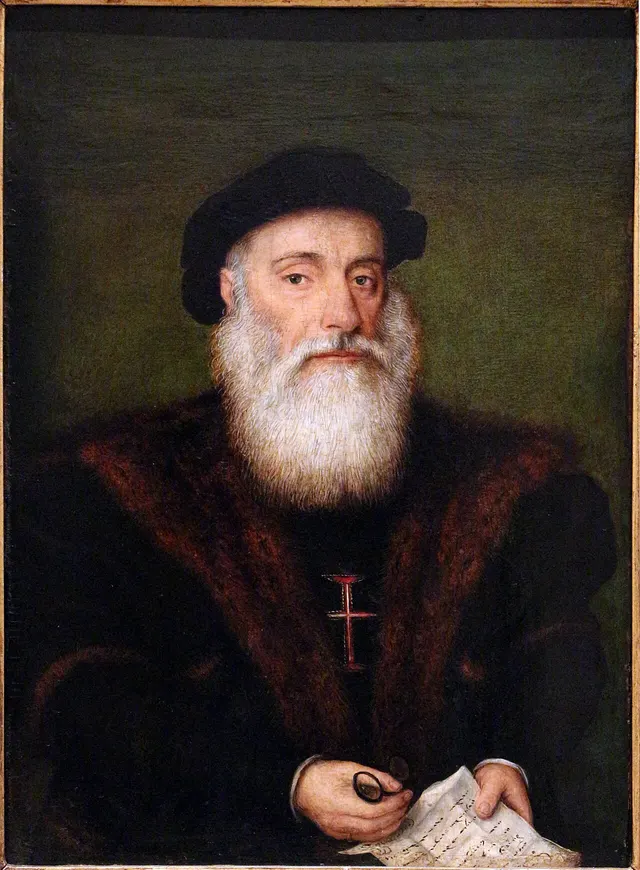
A 16th-century Portuguese portrait of a knight of the Order of Christ, traditionally said to show Vasco da GamaA 16th-century Portuguese portrait of a knight of the Order of Christ, traditionally said to show Vasco da GamaImage: Sailko · CC BY 3.0
world · Asia

Vasco da Gama’s ships reach India by sea

Ten months after leaving Lisbon, Vasco da Gama’s small Portuguese fleet crossed the Indian Ocean in just over three weeks, helped by a local pilot picked up in East Africa. The mountains of the Western Ghats came into view, and on 20 May 1498 the ships arrived off Calicut, the busy spice port now called Kozhikode, on India’s south-west coast. It was the first time Europeans had sailed all the way to India around the southern tip of Africa. The welcome from the local ruler, the Zamorin, was cool, as the gifts the Portuguese offered seemed poor to a city used to rich trade. Even so, the voyage opened a sea route that would reshape the trade of Europe and Asia for centuries.

Source: Britannica: Vasco da Gama ↗
III
A CHANGING WORLD

Early Modern Era

Exploration, political change, scientific development and expanding global connections.

1570
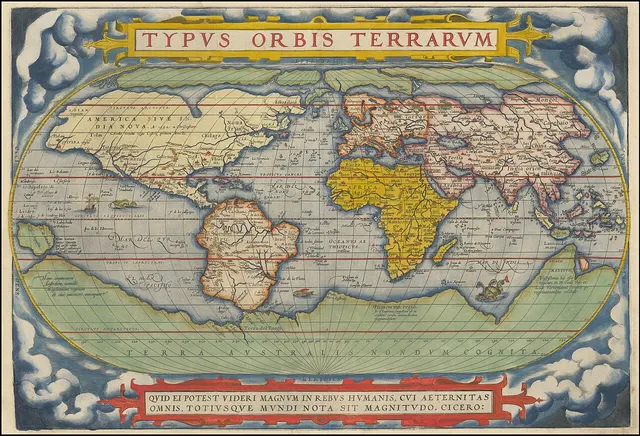
The world map from Abraham Ortelius's Theatrum Orbis TerrarumThe world map from Abraham Ortelius’s Theatrum Orbis TerrarumImage: Abraham Ortelius · Public domain
culture · Europe

Ortelius publishes the first modern atlas

In Antwerp on 20 May 1570, the Flemish mapmaker Abraham Ortelius brought out his Theatrum Orbis Terrarum, the Theatre of the World. It gathered some 70 maps on 53 sheets, engraved in one matching style with commentary alongside, into a single bound book that readers could carry and consult. Nothing quite like it had been done before, and it is often called the first true atlas. It was a best-seller, growing through many editions in Latin, Dutch, French, German, Italian and English, and it shaped how educated Europeans pictured the world for more than a generation.

Source: Library of Congress: Ortelius, a legendary mapmaker ↗
IV
THE NINETEENTH CENTURY

The 1800s

Industry, empire, invention, reform and a century of enormous transformation.

1862
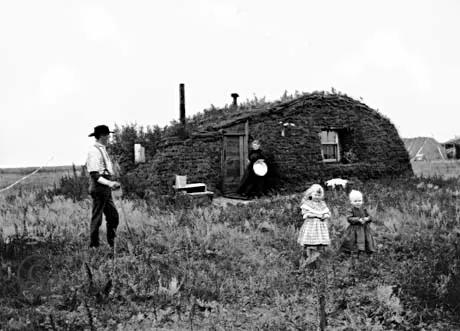
A homesteading family outside their sod house in North DakotaA homesteading family outside their sod house in North DakotaImage: A Milton, North Dakota, photographer · Public domain
world · Americas

Lincoln signs the Homestead Act

On 20 May 1862, in the middle of the Civil War, President Abraham Lincoln signed a law offering up to 160 acres of public land to any citizen, or would-be citizen, who would live on it and farm it for five years. Over the following decades the Homestead Act handed out some 270 million acres, drawing settlers west while pushing Native American nations off their lands.

Source: US National Archives: Homestead Act (1862) ↗
1873
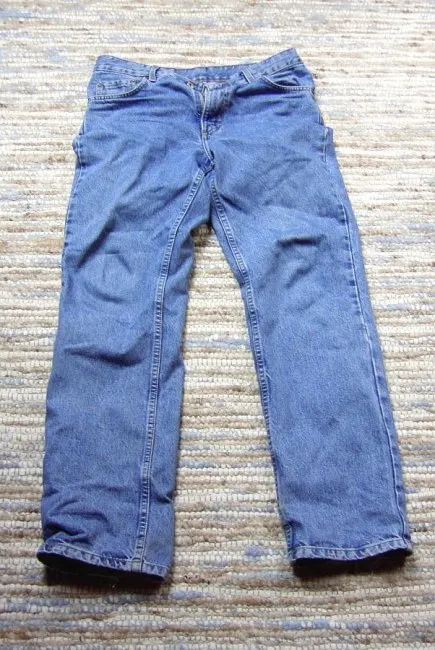
A pair of blue jeans, the garment that grew out of the 1873 riveted-trouser patentA pair of blue jeans, the garment that grew out of the 1873 riveted-trouser patentImage: Juanmak (uploader) · Public domain
world · Americas

The riveted blue jean is patented

Jacob Davis, a tailor in Reno, Nevada, found that copper rivets at the pocket corners stopped workmen’s trousers from tearing. Lacking the money to patent the idea, he teamed up with his cloth supplier, the San Francisco merchant Levi Strauss, and on 20 May 1873 the two men received US patent 139,121. The riveted denim work trouser went on to become the blue jean.

Source: US National Archives, Pieces of History: Forever in blue jeans ↗
1875
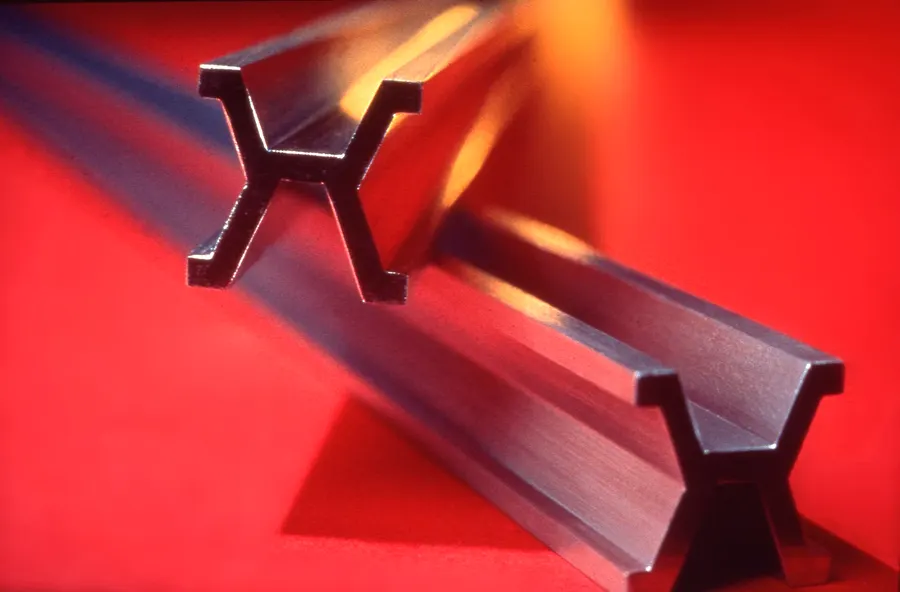
A platinum-iridium prototype metre bar, of the kind made for the nations that signed the Metre ConventionA platinum-iridium prototype metre bar, of the kind made for the nations that signed the Metre ConventionImage: Unknown author · Public domain
science · Europe

Seventeen nations agree to measure the world the same way

At the close of a diplomatic conference in Paris on 20 May 1875, representatives of seventeen countries signed the Metre Convention. They agreed to share one set of standards for length and mass, and to create a permanent body to look after them: the International Bureau of Weights and Measures, based at Sèvres just outside Paris. The treaty turned the French metric system into a truly international one. Out of it grew the International System of Units, the SI, now used by scientists, engineers and traders almost everywhere. The anniversary is marked each year as World Metrology Day.

Source: BIPM: The Metre Convention ↗
1882
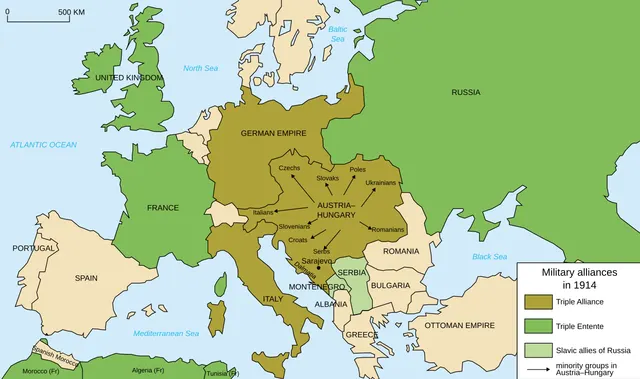
A map of Europe's military alliances in 1914, with the Triple Alliance states markedA map of Europe’s military alliances in 1914, with the Triple Alliance states markedImage: historicair, Fluteflute and Bibi Saint-Pol · CC BY-SA 2.5
politics · Europe

Germany, Austria-Hungary and Italy form the Triple Alliance

In Vienna on 20 May 1882, Germany, Austria-Hungary and Italy signed a secret treaty of mutual defence. Italy, angry at France for seizing Tunisia, gained powerful partners, while Bismarck drew another state into his web of alliances. The pact was renewed several times, but when war came Italy stayed out, and in May 1915 it joined the other side.

Source: Britannica: Triple Alliance ↗
1883
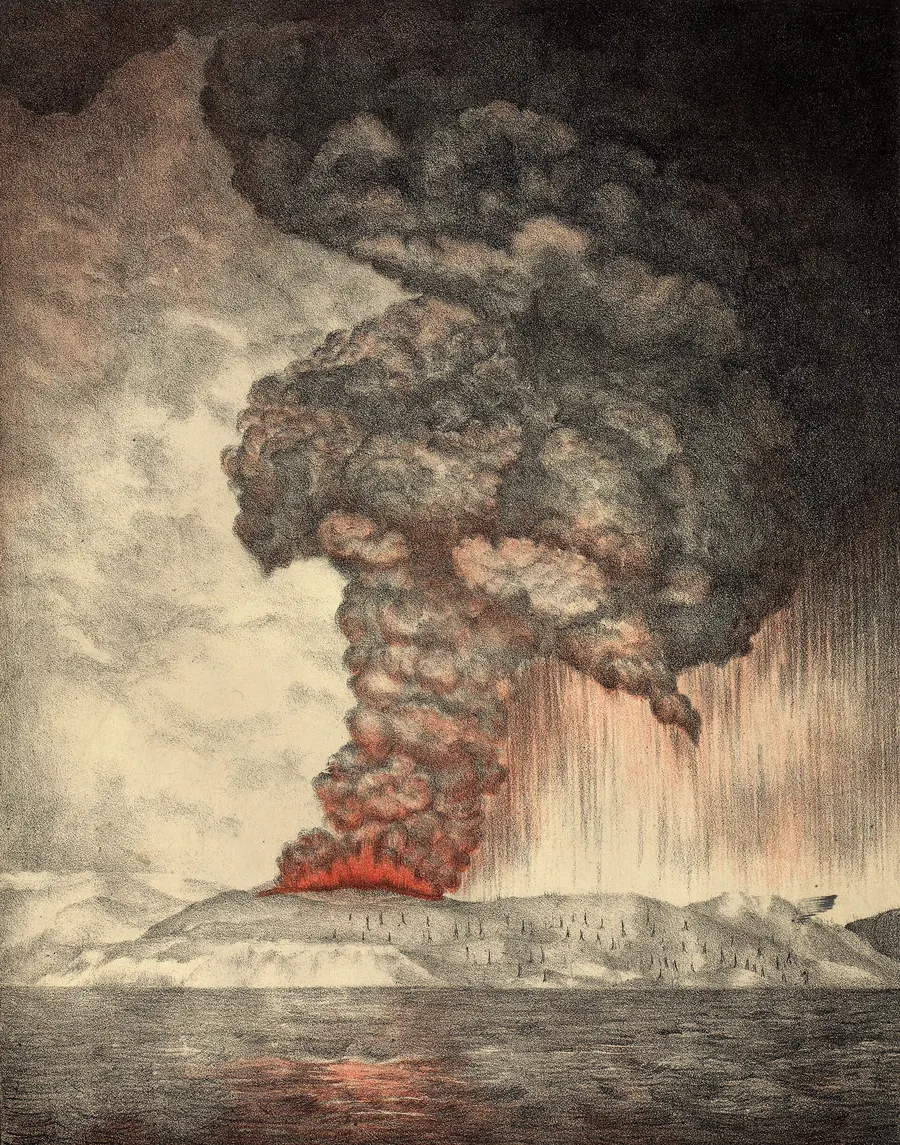
A 19th-century lithograph of Krakatoa erupting in 1883A 19th-century lithograph of Krakatoa erupting in 1883Image: Lithograph: Parker & Coward, Britain; · Public domain
science · Asia

Krakatoa stirs into life

On 20 May 1883, one of the vents on the volcanic island of Krakatoa, between Java and Sumatra, began to erupt. Ash rose about 10 kilometres into the sky and the blasts were heard in Batavia, now Jakarta, some 160 kilometres away. The activity eased by the end of May, but it returned in June and built up to the catastrophic eruption of late August.

Source: Britannica: Krakatoa ↗
V
THE TWENTIETH CENTURY

The 1900s

War and peace, technological leaps, social change, politics, sport and popular culture.

1902
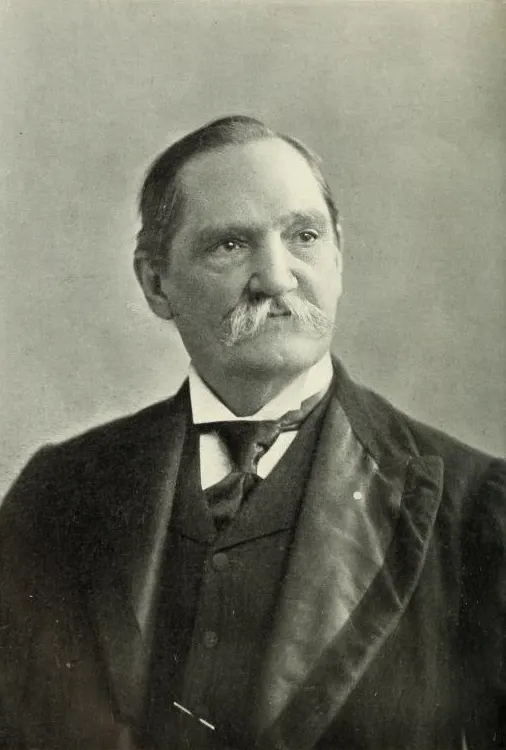
Tomás Estrada Palma, first president of CubaTomás Estrada Palma, first president of CubaImage: Morena A. Loper · Public domain
politics · Americas

Cuba becomes an independent republic

After decades of struggle against Spain and almost four years of American military rule following the war of 1898, Cuba became a republic on 20 May 1902. Tomás Estrada Palma, a veteran of the independence movement, was sworn in as the first president in Havana, and the United States withdrew its troops and officials from the island. Independence came with strings attached. The Platt Amendment, written into Cuba’s constitution, gave the United States the right to intervene in Cuban affairs and to keep a naval base at Guantánamo Bay. Estrada Palma’s government was known for careful finances and new schools, but American influence shaped Cuban politics for decades.

Source: Britannica: Republic of Cuba (1902-1959) ↗
1972
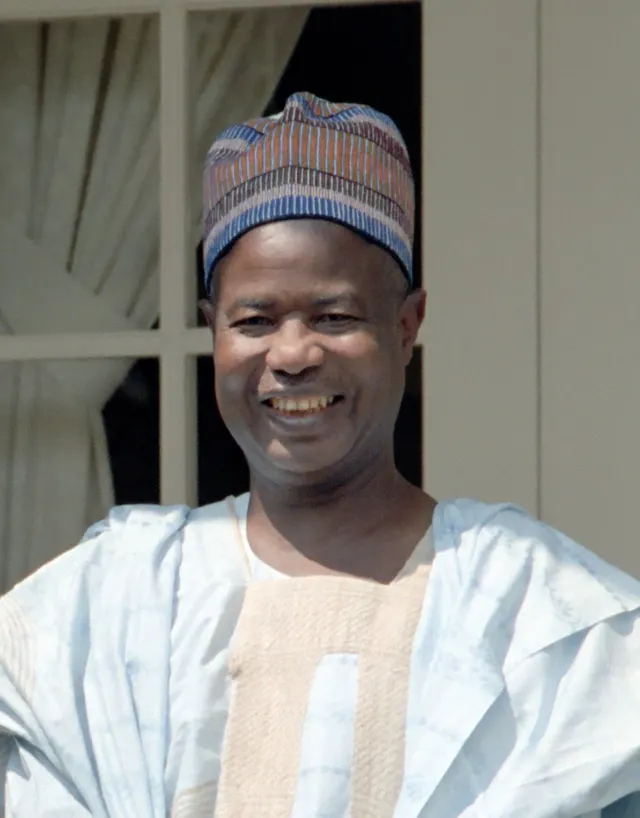
politics · Africa

Cameroon votes to become a unitary state

Cameroon had been a federation since 1961, when the former French and British territories joined together. In a referendum on 20 May 1972, voters approved ending the two federated states and creating a single United Republic of Cameroon under President Ahmadou Ahidjo. The date is now the country’s National Day, celebrated with parades in Yaoundé and across the country.

Source: Presidency of the Republic of Cameroon: Golden Jubilee of the Unitary State ↗
1983
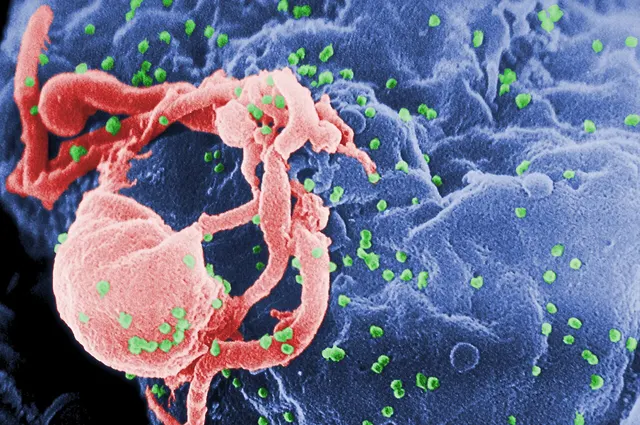
Electron micrograph of HIV particles budding from a human cellElectron micrograph of HIV particles budding from a human cellImage: C. Goldsmith, P. Feorino, E. L. Palmer and W. R. McManus (CDC) · Public domain
science · Europe

Paris scientists describe the virus behind AIDS

On 20 May 1983 the journal Science published a paper from a team at the Institut Pasteur in Paris describing a new retrovirus. Working in Luc Montagnier’s unit, Françoise Barré-Sinoussi and Jean-Claude Chermann had grown it from a lymph node taken from a patient showing early signs of AIDS, a disease that had puzzled doctors since 1981. They called it lymphadenopathy-associated virus. Within a few years it was confirmed as the cause of AIDS and renamed the human immunodeficiency virus, or HIV. The discovery made blood tests and, later, life-saving drugs possible, and in 2008 Barré-Sinoussi and Montagnier shared the Nobel Prize in Physiology or Medicine.

Source: Institut Pasteur: 40 years of HIV discovery ↗
1989
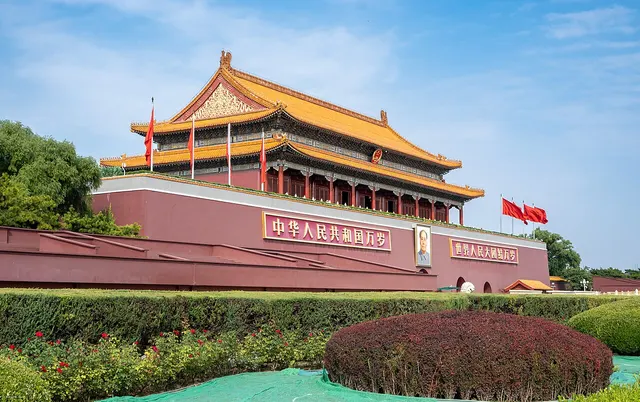
Tiananmen, the Gate of Heavenly Peace, on the north side of the square in BeijingTiananmen, the Gate of Heavenly Peace, on the north side of the square in BeijingImage: xiquinhosilva · CC BY 2.0
politics · Asia

Martial law is declared in Beijing

For five weeks students and workers had filled Tiananmen Square calling for political reform. On 20 May 1989 Premier Li Peng, backed by Deng Xiaoping, declared martial law in parts of Beijing. At first crowds blocked the army from reaching the city centre, but in early June troops moved in and the protests were crushed with heavy loss of life.

Source: Britannica: Li Peng ↗
1992
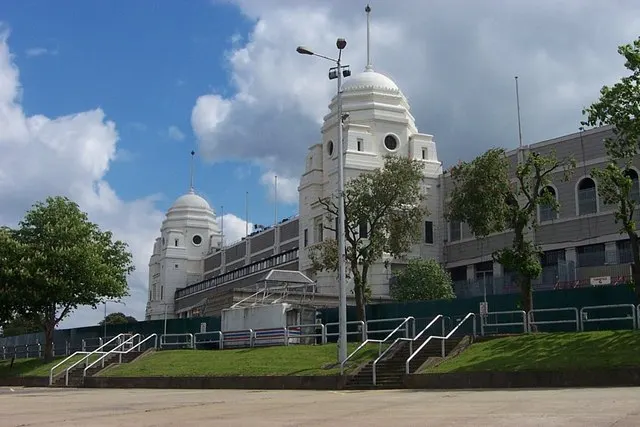
The old Wembley Stadium in London, scene of the 1992 European Cup finalThe old Wembley Stadium in London, scene of the 1992 European Cup finalImage: Merv Payne · CC BY-SA 2.0
sport · Europe

Koeman’s free-kick wins Barcelona its first European Cup

Barcelona had long been one of Europe’s great clubs, yet the European Cup had always escaped them. On 20 May 1992 Johan Cruyff’s side, nicknamed the Dream Team, met Italian champions Sampdoria in the final at Wembley Stadium in London. Ninety minutes passed without a goal, and the match went into extra time. In the 111th minute Barcelona won a free-kick outside the area, and the Dutch defender Ronald Koeman struck it hard past the goalkeeper Gianluca Pagliuca. The 1-0 win brought the trophy to Catalonia for the first time, the last final played under the old European Cup name before the Champions League took over.

Source: UEFA: 1991/92, Koeman ends Barcelona’s wait ↗
VI
2000 TO TODAY

Modern Day

The events of recent decades that have already become part of the historical record.

2002
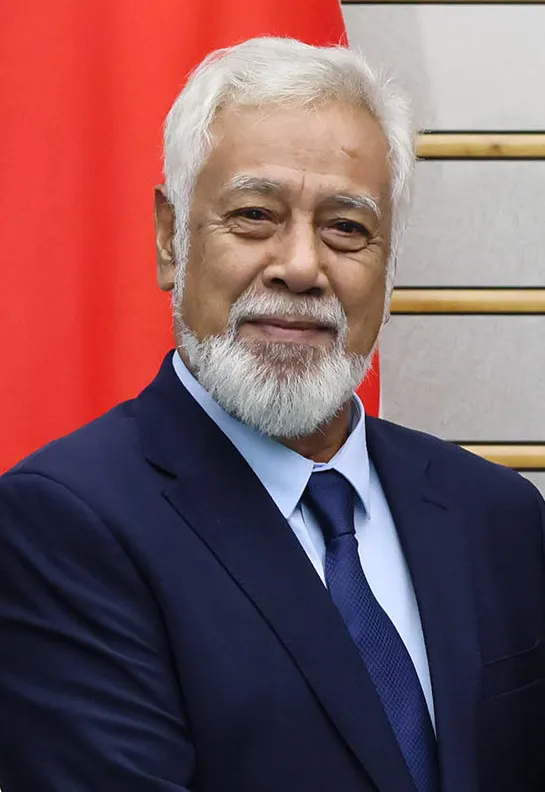
Xanana Gusmão, East Timor's first president after independence, pictured in later yearsXanana Gusmão, East Timor’s first president after independence, pictured in later yearsImage: 首相官邸ホームページ · CC BY 4.0
politics · Asia

East Timor is born as an independent nation

At midnight on 20 May 2002, a crowd of more than 100,000 people gathered outside Dili to watch the flag of an independent East Timor raised for the first time. The former Portuguese colony had been occupied by Indonesia from the mid-1970s, and in 1999 its people voted overwhelmingly for independence in a ballot run by the United Nations. The vote was followed by violence from anti-independence militias, and the UN then governed the territory while it rebuilt. On independence day, Xanana Gusmão took office as president and the new parliament met for the first time. Four months later the country joined the United Nations as Timor-Leste.

Source: UN Security Council press release: independence of East Timor ↗
WHY THESE MOMENTS?

Significance before volume

This page is not the longest possible list of events. It is a chronological journey through 20 May, where each entry is chosen for historical significance, human interest and reliability.

Facts are checked against authoritative museums, archives, universities and reference works. Where sources disagree, the page says so.

EXPLORED THE DEEPER STORY?

Return to the highlights of 20 May

Discover the lighter side of the date with famous birthdays, culture, firsts and lives remembered.

Explore This Day →
← PREVIOUS DAY19 May
HISTORY & TIMELINE20 May
NEXT DAY →21 May