HISTORY & TIMELINE
25 May

A journey through
25 May in history

The story of 25 May runs from a Castilian king riding into Toledo in 1085 to a blind American climber standing on top of Mount Everest in 2001. In between come an emperor outlawing Martin Luther, Oliver Cromwell’s son giving up power, the American Constitutional Convention finally getting down to business, a short-lived republic in Taiwan and six Gulf states joining forces in Abu Dhabi.

II
THE MIDDLE AGES

Medieval History

Kingdoms, conflict, faith, power and the changing medieval world.

1085
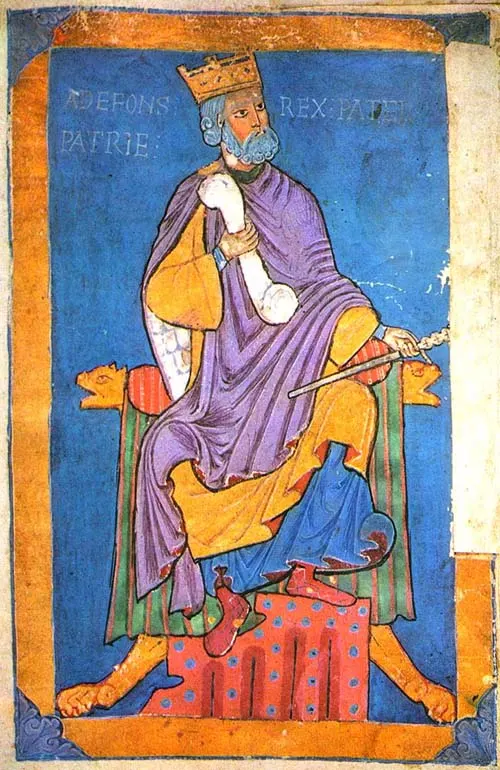
Alfonso VI of León and Castile, in a miniature from the Tumbo A, a medieval cartulary of Santiago de Compostela cathedralAlfonso VI of León and Castile, in a miniature from the Tumbo A, a medieval cartulary of Santiago de Compostela cathedralImage: Unknown medieval artist (Tumbo A, Santiago de Compostela) · Public domain
world · Europe

Alfonso VI rides into Toledo

Toledo, once the capital of Visigothic Spain, had been in Muslim hands since the early 8th century. After years of pressure and a siege, its ruler al-Qadir agreed terms with Alfonso VI of León and Castile in early May 1085, and the king entered the city on 25 May. Muslims and Jews were allowed to keep their property and their faith, and the conquest pushed the Christian frontier south to the River Tagus.

Source: Real Academia de la Historia, Historia Hispánica: 1085, 25 May ↗
III
A CHANGING WORLD

Early Modern Era

Exploration, political change, scientific development and expanding global connections.

1521
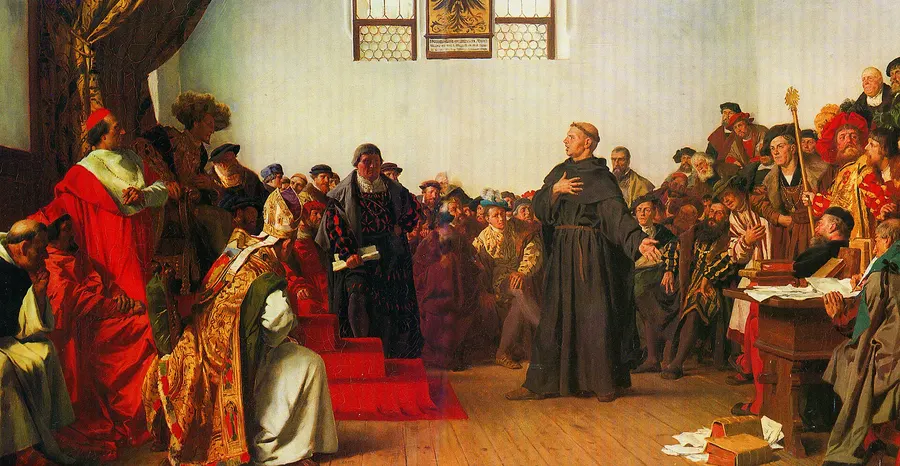
Martin Luther before the emperor and princes at Worms, a 19th-century painting by Anton von WernerMartin Luther before the emperor and princes at Worms, a 19th-century painting by Anton von WernerImage: Anton von Werner · Public domain
culture · Europe

The emperor declares Martin Luther an outlaw

In April 1521 Martin Luther stood before the young Holy Roman Emperor Charles V and the princes of the empire at the Diet of Worms and refused to take back his writings attacking the practices of the Church. Luther left the city under a promise of safe conduct, and many of the princes went home too, while the emperor’s advisers drew up a formal response. On 25 May, with the support of the rulers who remained, Charles signed the Edict of Worms. It listed Luther’s errors, declared him and his followers outlaws, and ordered his books to be burned. Luther was already hidden in the Wartburg castle by his protector, Frederick the Wise of Saxony, and the edict was never properly enforced, but it hung over him for the rest of his life.

Source: Britannica: Diet of Worms ↗
1659
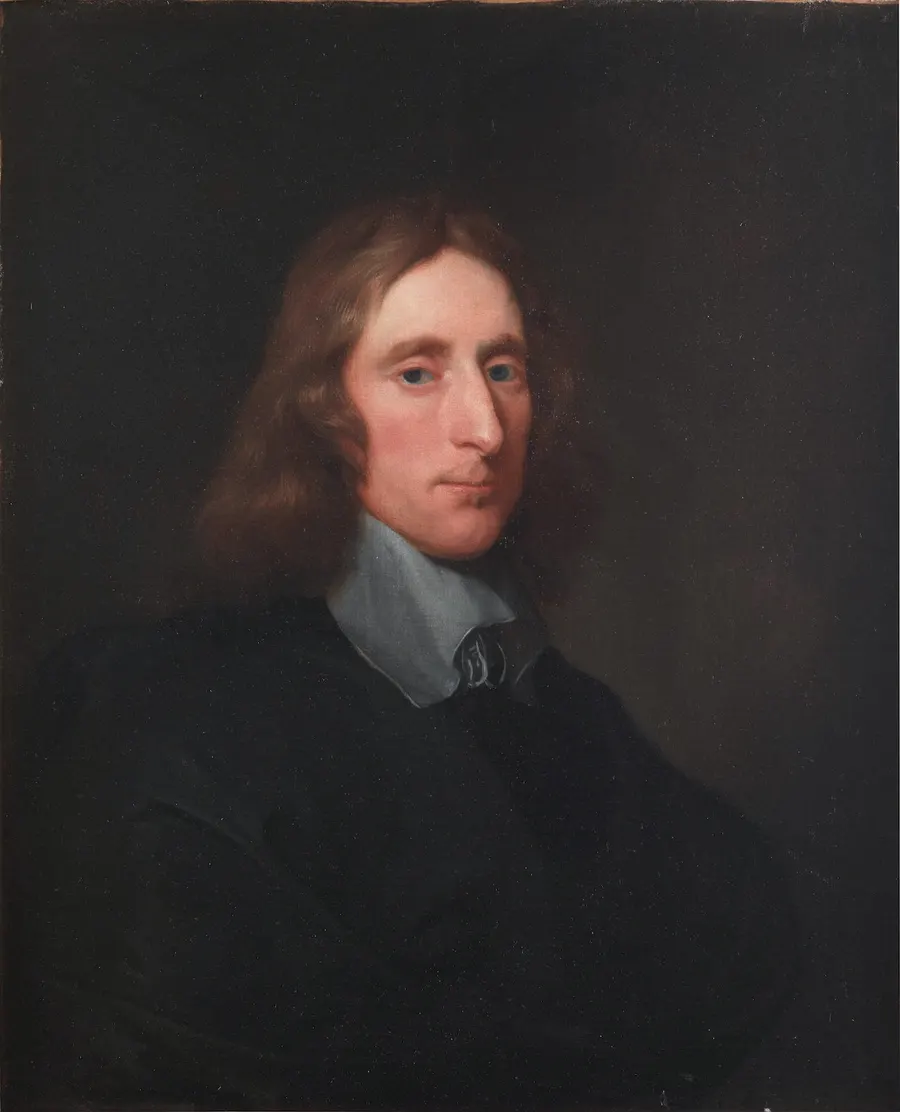
Portrait of Richard Cromwell, Lord Protector from 1658 to 1659Portrait of Richard Cromwell, Lord Protector from 1658 to 1659Image: Gerard Soest · Public domain
politics · Europe

Richard Cromwell gives up the Protectorate

When Oliver Cromwell died in 1658, his son Richard succeeded him as Lord Protector of England, Scotland and Ireland, but he had little hold over the army. The officers forced him to dissolve Parliament in April 1659 and brought back the Rump Parliament, which dismissed him. He formally resigned on 25 May. Within a year the monarchy was restored, and Richard, deep in debt, went abroad for many years.

Source: Britannica: Richard Cromwell ↗
1787
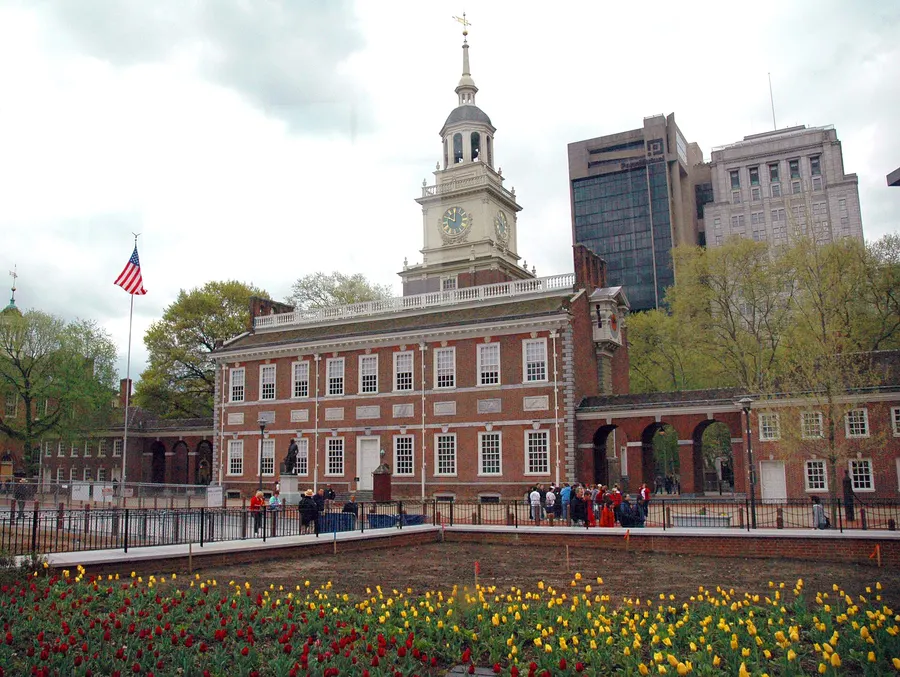
Independence Hall in Philadelphia, formerly the Pennsylvania State House, where the convention metIndependence Hall in Philadelphia, formerly the Pennsylvania State House, where the convention metImage: Rdsmith4 · CC BY-SA 2.5
politics · Americas

The Constitutional Convention gets down to business

Delegates had been due to meet in Philadelphia on 14 May 1787 to repair the weak government of the new United States, but bad roads and slow travel meant too few states were represented. On 25 May seven states were finally present at the Pennsylvania State House, and the convention could open. Its first act was to elect George Washington, unanimously, as its president. By September it had written a new constitution.

Source: National Park Service: May 25, 1787, Quorum ↗
IV
THE NINETEENTH CENTURY

The 1800s

Industry, empire, invention, reform and a century of enormous transformation.

1810
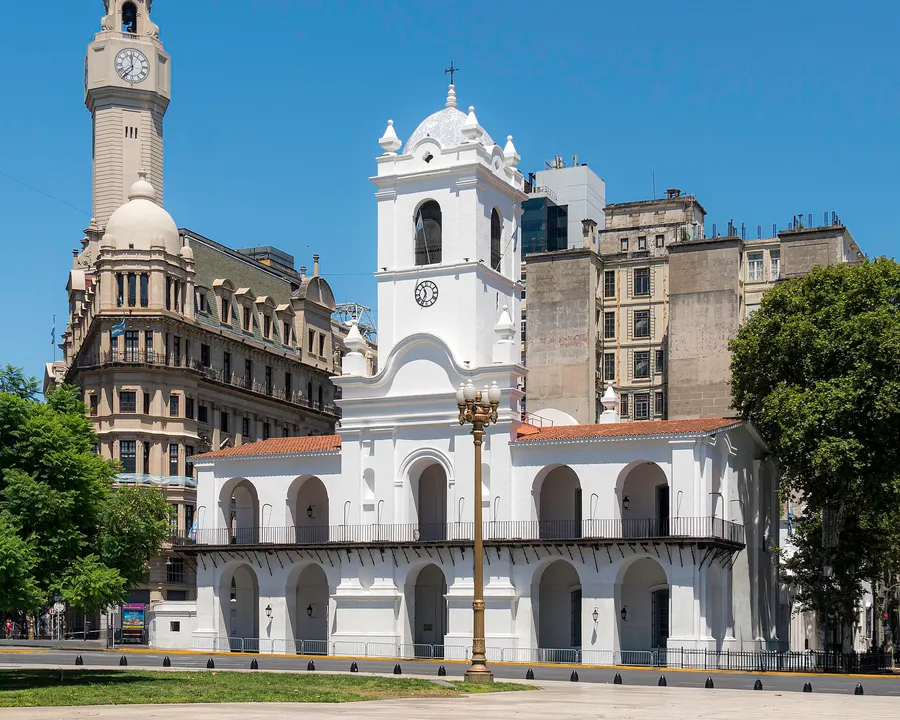
The Cabildo, Buenos Aires's colonial town hall on the Plaza de MayoThe Cabildo, Buenos Aires’s colonial town hall on the Plaza de MayoImage: Fernando · CC BY-SA 4.0
politics · Americas

Buenos Aires forms its own government

In 1810 news reached the Río de la Plata that Napoleon’s armies had overrun almost all of Spain, leaving the Spanish crown with little power over its colonies. In Buenos Aires, leading citizens questioned why the viceroy, Baltasar Hidalgo de Cisneros, should still govern in the name of a king held captive in France, and the town council held an open meeting to debate the question. On the morning of 25 May a crowd filled the square in front of the Cabildo, demanding that Cisneros step down. He gave way, and a local governing junta took power, led by Cornelio Saavedra with Mariano Moreno and Juan José Paso as secretaries. It still ruled in the name of the Spanish king, but it marked the start of self-government, and Argentina celebrates 25 May as a national day.

Source: Britannica: May Revolution ↗
1895
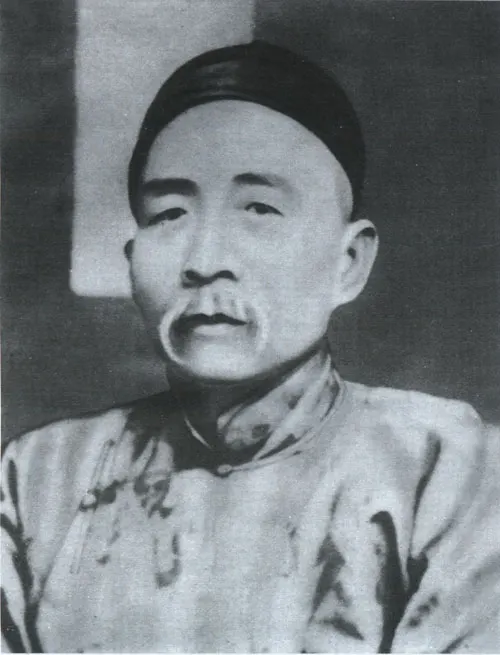
Tang Jingsong, governor of Taiwan and president of the Republic of FormosaTang Jingsong, governor of Taiwan and president of the Republic of FormosaImage: Unknown author. · Public domain
politics · Asia

Taiwan’s short-lived republic installs its president

After losing the First Sino-Japanese War, China’s Qing government agreed to hand Taiwan to Japan. Local gentry and officials hoped foreign powers might step in, and on 23 May 1895 they declared the island a republic. On 25 May they delivered its seal and its yellow tiger flag to the governor, Tang Jingsong, who became president. Japanese troops landed days later, and the republic soon collapsed.

Source: National Museum of Taiwan History: The Great Transformation of 1895 ↗
V
THE TWENTIETH CENTURY

The 1900s

War and peace, technological leaps, social change, politics, sport and popular culture.

1935
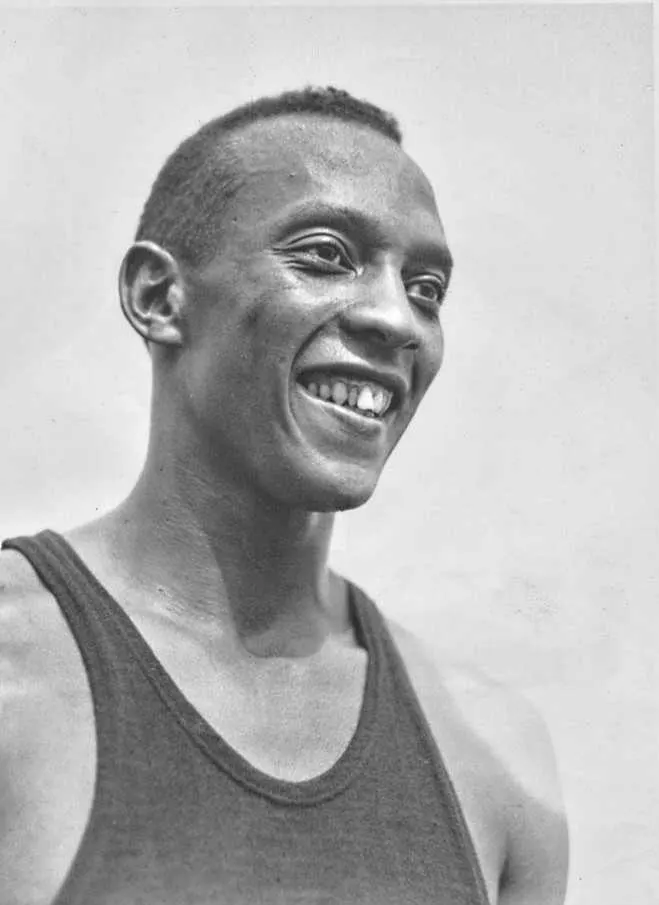
The American athlete Jesse OwensThe American athlete Jesse OwensImage: Acme News Photos · Public domain
sport · Americas

Jesse Owens sets a string of world records in 45 minutes

In 1935 Jesse Owens was a 21-year-old student at Ohio State University, already known as one of the fastest men in America. On 25 May he lined up for the Big Ten championships at Ferry Field in Ann Arbor, Michigan, wearing his university vest, for what would become one of the most famous afternoons in the history of athletics. In about three-quarters of an hour he equalled the world record for 100 yards, jumped 8.13 metres to become the first man to clear eight metres in the long jump, and set world records at 220 yards and the 220-yard low hurdles, which also counted for the 200-metre distances. A year later he won four gold medals at the Berlin Olympics.

Source: World Athletics: The 90th anniversary of Jesse Owens’ day of days ↗
1946
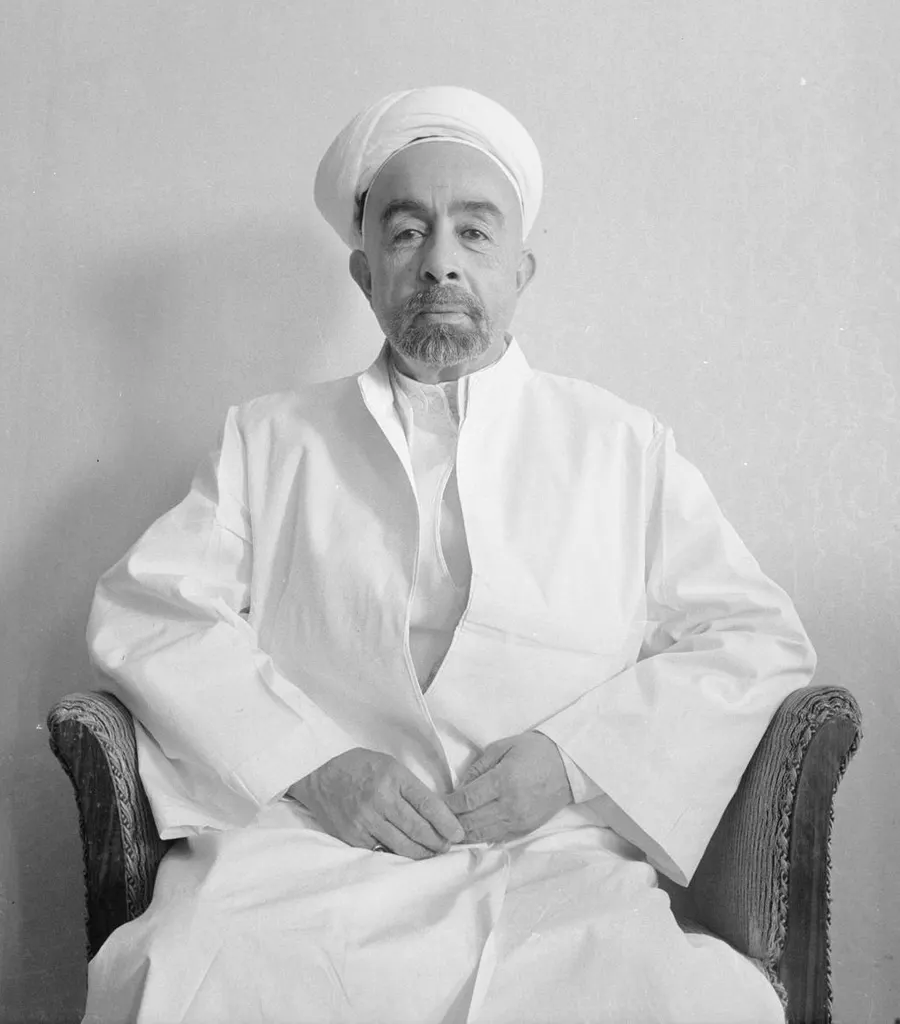
Abdullah I, proclaimed the first king of an independent Jordan in 1946Abdullah I, proclaimed the first king of an independent Jordan in 1946Image: Cecil Beaton · Public domain
politics · Middle East

Jordan becomes an independent kingdom

After the First World War the lands east of the River Jordan came under British control, and in 1921 Abdullah, a son of the Hashemite leader of the Arab Revolt, was installed as emir of Transjordan. For a quarter of a century he governed under British supervision, building up a state with its own army, the Arab Legion, and its capital at Amman. In March 1946 a treaty signed in London recognised the country’s independence, and on 25 May Abdullah was proclaimed king of the Hashemite Kingdom of Transjordan in Amman. A new constitution followed, and in 1949 the country took the shorter name Jordan. Abdullah ruled until 1951, and his great-grandson Abdullah II is king today. Jordanians celebrate 25 May each year as their Independence Day.

Source: Britannica: Abdullah I ↗
1961
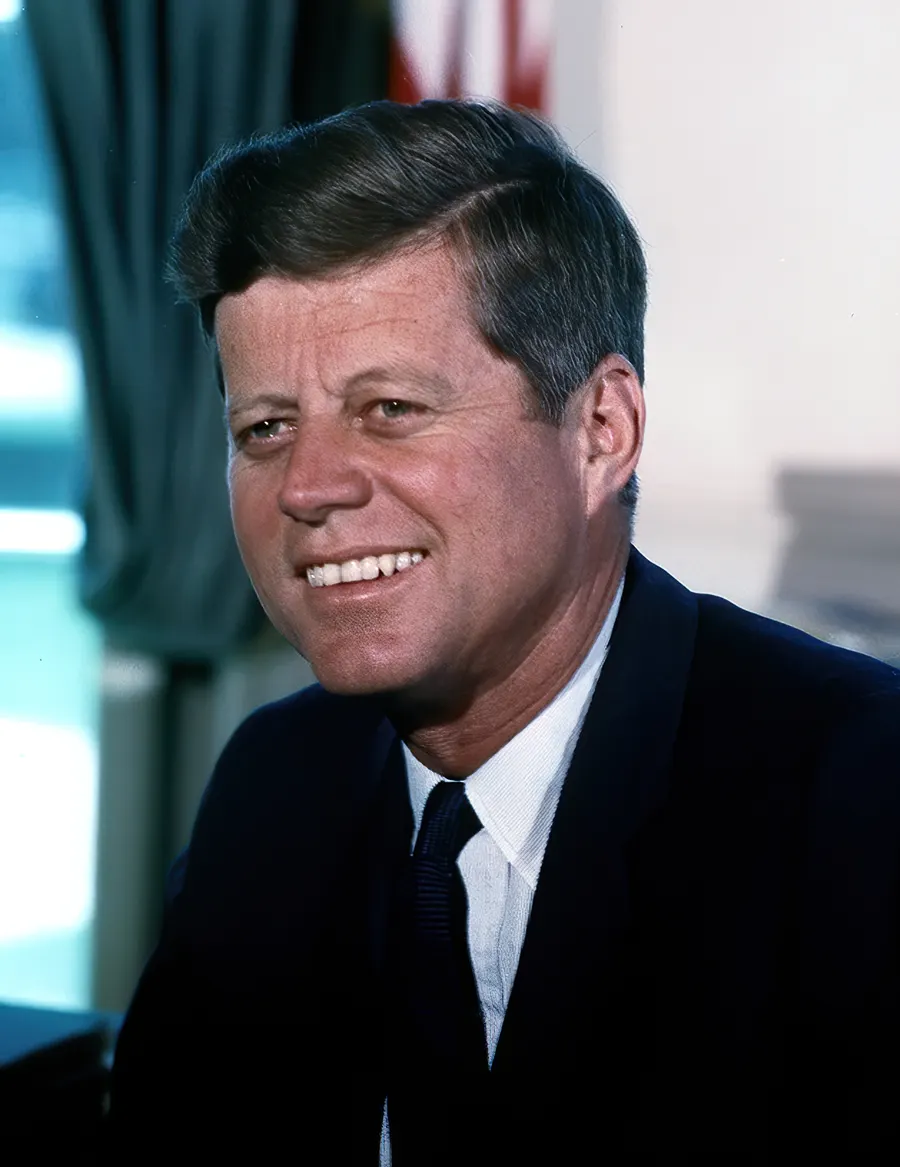
President John F. Kennedy, who set the goal of landing a man on the MoonPresident John F. Kennedy, who set the goal of landing a man on the MoonImage: Cecil W. Stoughton · Public domain
science · Americas

Kennedy challenges America to reach the Moon

In the spring of 1961 the United States seemed to be losing the space race. On 12 April the Soviet cosmonaut Yuri Gagarin became the first person to orbit the Earth, and it was 5 May before Alan Shepard made a short hop into space for America. The new president, John F. Kennedy, asked his advisers what goal the country could reach first. On 25 May he went before a joint session of Congress with a long list of urgent national needs, and near the end made his boldest request: that the nation commit itself to landing a man on the Moon and returning him safely to Earth before the decade was out. He asked for billions of extra dollars for space. Congress agreed, and Apollo 11 met the challenge in July 1969.

Source: NASA: The Decision to Go to the Moon ↗
1963
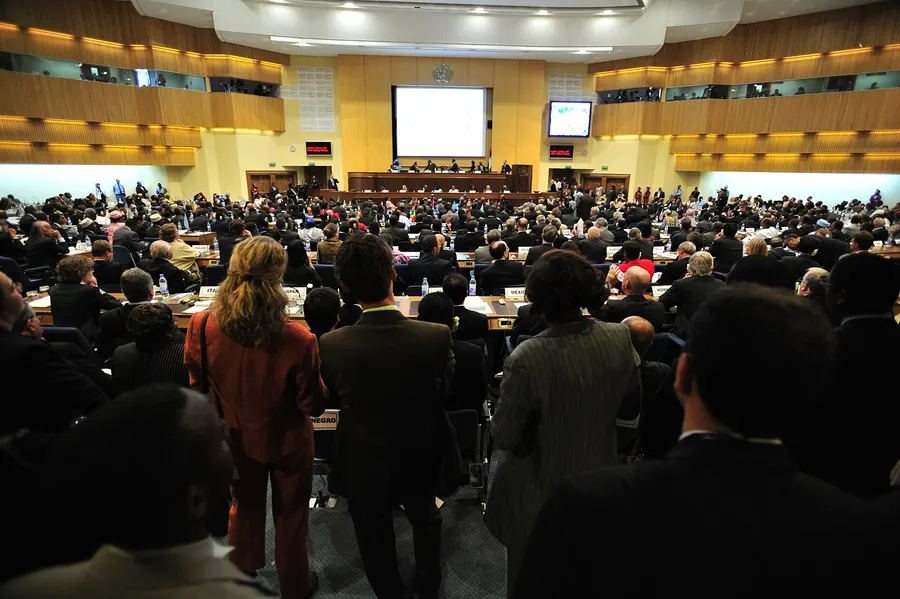
African leaders and diplomats in the plenary hall in Addis Ababa during an African Union summit in 2009African leaders and diplomats in the plenary hall in Addis Ababa during an African Union summit in 2009Image: Jesse B. Awalt, U.S. Navy · Public domain

politics · Africa

Africa’s independent nations unite in Addis Ababa

By the early 1960s dozens of African countries had won their independence in only a few years, but they disagreed about what should come next. Some leaders wanted a single united African government straight away; others preferred looser co-operation between sovereign states. In May 1963 the heads of 32 independent African states met in the Ethiopian capital, Addis Ababa, to find common ground. On 25 May they signed the charter of the Organisation of African Unity. Its aims were to promote solidarity between African states, defend their independence and borders, and rid the continent of the remaining colonial rule and apartheid. The OAU was replaced by the African Union in 2002, and 25 May is still marked across the continent and beyond as Africa Day.

Source: African Union: OAU Charter, Addis Ababa, 25 May 1963 ↗
1977
George Lucas, who wrote and directed Star Wars, in a later photographGeorge Lucas, who wrote and directed Star Wars, in a later photographImage: Gage Skidmore · CC BY-SA 3.0
culture · Americas

Star Wars opens in American cinemas

George Lucas spent years trying to get his space fantasy made. 20th Century Fox agreed to back it, and Lucas founded his own effects company, Industrial Light & Magic, to create the spaceships and battles he had in mind. Even the people who made it were unsure whether audiences would care about farm boys, princesses and talking robots, set in a galaxy far, far away. On 25 May 1977 Star Wars opened on only 32 screens in the United States, including Mann’s Chinese Theatre in Hollywood. Word spread fast, and the film broke box-office records and won six Academy Awards. Later retitled Episode IV: A New Hope, it launched one of the most successful film series ever made and changed how blockbusters were produced and sold.

Source: Britannica: Star Wars: Episode IV, A New Hope ↗
1981
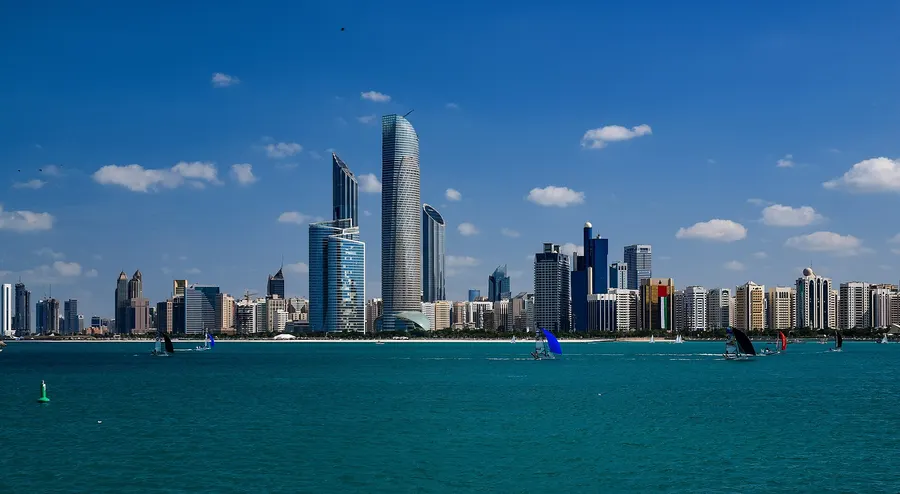
Abu Dhabi, capital of the United Arab Emirates, where the Gulf Cooperation Council charter was signedAbu Dhabi, capital of the United Arab Emirates, where the Gulf Cooperation Council charter was signedImage: Wadiia · CC BY-SA 4.0
politics · Middle East

Six Gulf states form the Gulf Cooperation Council

With war raging between Iran and Iraq, the leaders of six Arab monarchies on the Gulf met in Abu Dhabi and on 25 May 1981 signed the charter of the Cooperation Council for the Arab States of the Gulf. Saudi Arabia, Kuwait, the United Arab Emirates, Qatar, Bahrain and Oman agreed to co-ordinate their economic, political and security policies, with the council’s headquarters in Riyadh.

Source: Gulf Cooperation Council Secretariat: The Charter ↗
VI
2000 TO TODAY

Modern Day

The events of recent decades that have already become part of the historical record.

2001
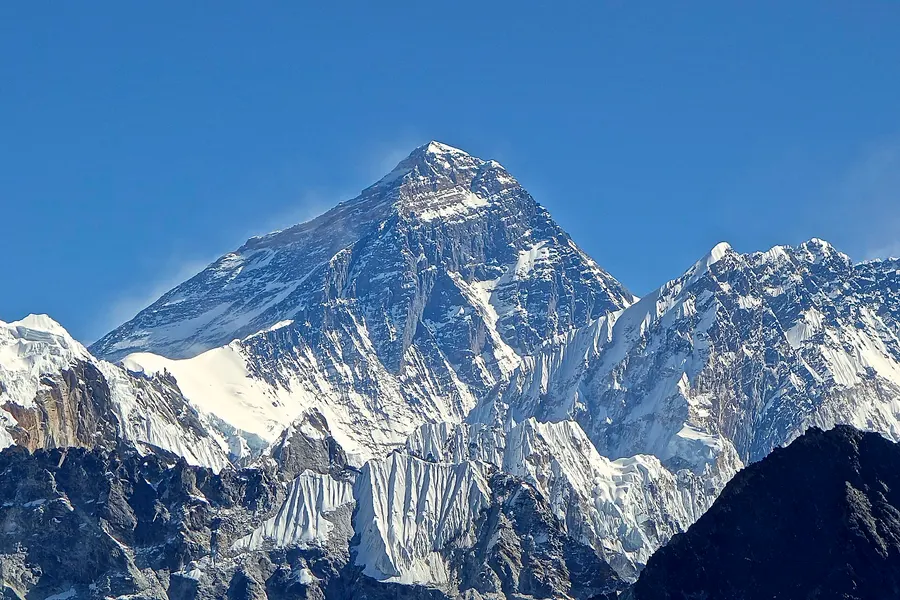
Mount Everest, the world's highest mountainMount Everest, the world’s highest mountainImage: Rdevany · CC BY-SA 3.0

world · Asia

A blind climber reaches the top of Everest

Erik Weihenmayer lost his sight at 13 to a rare disease of the retina, but took up climbing as a young man and had already scaled Denali and Kilimanjaro. At about ten in the morning Nepal time on 25 May 2001 he stood on the summit of Mount Everest, the first blind person to do so. Most of his team reached the top the same day, among them a 64-year-old surgeon, Sherman Bull.

Source: National Federation of the Blind, Braille Monitor: Weihenmayer Reaches the Top ↗
2018
The Berlaymont building in Brussels, headquarters of the European CommissionThe Berlaymont building in Brussels, headquarters of the European CommissionImage: EmDee · CC BY-SA 4.0
world · Europe

Europe’s data protection rules take effect

The European Union’s General Data Protection Regulation, agreed in 2016 to replace rules dating from the 1990s, began to apply in every member state on 25 May 2018. It gave people more control over how their personal data is collected and used, and applied to any company offering services in the EU, wherever it was based. Serious breaches can bring fines of up to 4 per cent of a firm’s worldwide turnover.

Source: EUR-Lex: The general data protection regulation applies in all Member States from 25 May 2018 ↗
RESEARCH

Sources & Further Reading

Selected authoritative references supporting the events on this page.

Real Academia de la Historia, Historia Hispánica: 1085, 25 May↗Britannica: Siege of Toledo (1085)↗Britannica: Diet of Worms↗Britannica: Edict of Worms↗Luther.de: The Imperial Diet of Worms↗Britannica: Richard Cromwell↗UK Parliament: The end of the Protectorate↗National Park Service: May 25, 1787, Quorum↗George Washington’s Mount Vernon: Convention president↗Britannica: May Revolution↗Argentina.gob.ar: 25 de mayo de 1810, Día de la Revolución de Mayo y Primer Gobierno Patrio↗National Museum of Taiwan History: The Great Transformation of 1895↗Taiwan Today: Republic of Formosa↗World Athletics: The 90th anniversary of Jesse Owens’ day of days↗Olympics.com: Jesse Owens and the greatest 45 minutes in sport↗Britannica: Abdullah I↗The Royal Hashemite Court: King Abdullah bin Al Hussein (1882-1951)↗NASA: The Decision to Go to the Moon↗JFK Library: Address to Joint Session of Congress, May 25, 1961↗African Union: OAU Charter, Addis Ababa, 25 May 1963↗African Union: About the African Union↗United Nations Treaty Collection: Charter of the Organization of African Unity↗Britannica: Star Wars: Episode IV, A New Hope↗Britannica: Star Wars film series↗Gulf Cooperation Council Secretariat: The Charter↗Britannica: Gulf Cooperation Council↗National Federation of the Blind, Braille Monitor: Weihenmayer Reaches the Top↗Britannica: Erik Weihenmayer↗EUR-Lex: The general data protection regulation applies in all Member States from 25 May 2018↗European Parliament: New EU data protection rules take effect on Friday↗
WHY THESE MOMENTS?

Significance before volume

This page is not the longest possible list of events. It is a chronological journey through 25 May, where each entry is chosen for historical significance, human interest and reliability.

Facts are checked against authoritative museums, archives, universities and reference works. Where sources disagree, the page says so.

EXPLORED THE DEEPER STORY?

Return to the highlights of 25 May

Discover the lighter side of the date with famous birthdays, culture, firsts and lives remembered.

Explore This Day →
← PREVIOUS DAY24 May
HISTORY & TIMELINE25 May
NEXT DAY →26 May