
1199
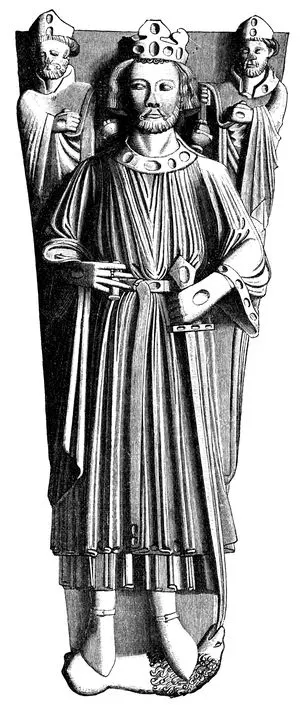 The effigy of King John on his tomb in Worcester Cathedral, from an early 20th-century history bookImage: HISTORY OF ENGLAND by SAMUEL R. GARDINER · Public domain
politics · Europe
John is crowned King of England
When Richard the Lionheart died of a crossbow wound in April 1199, his youngest brother John moved quickly to secure the throne ahead of their nephew Arthur of Brittany. He was crowned in Westminster Abbey on 27 May 1199. His reign brought the loss of Normandy, a quarrel with the pope and a baronial revolt that forced him to agree to Magna Carta in 1215.
Source: Westminster Abbey: John ↗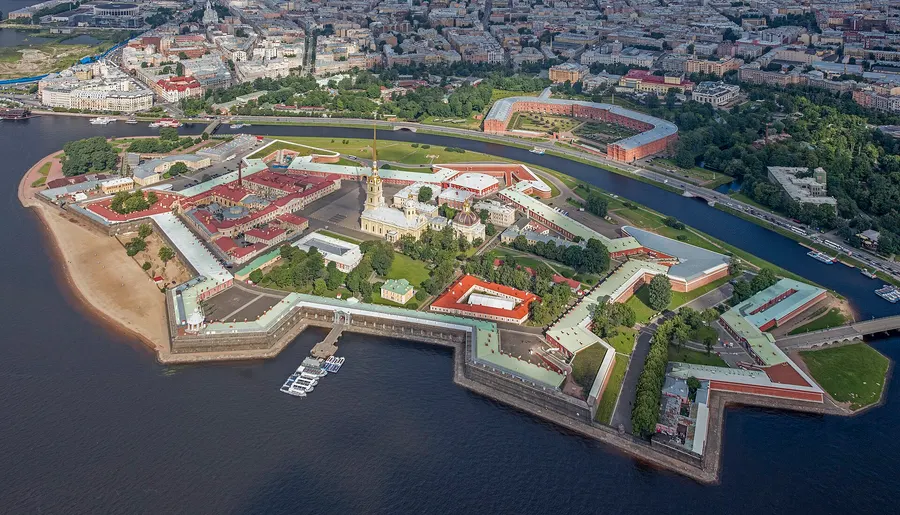 The Peter and Paul Fortress on Hare Island in the Neva, the first building of St PetersburgImage:
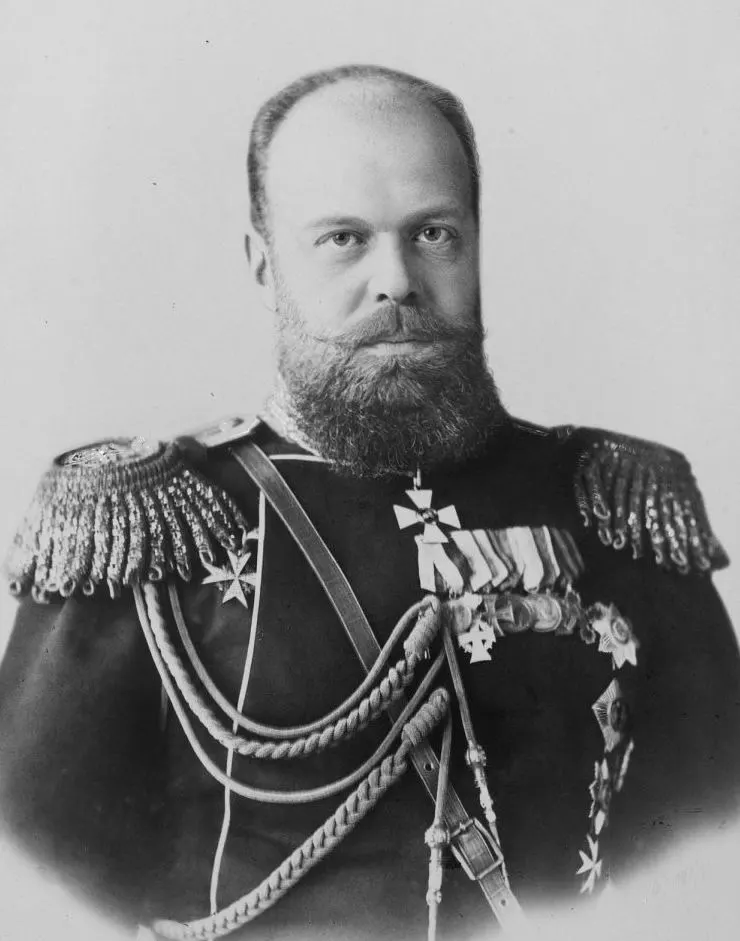 Portrait of Tsar Alexander III of RussiaImage:
 Admiral Tōgō, inset, above his flagship Mikasa leading the Japanese battle line, on a commemorative card of about 1905Image:
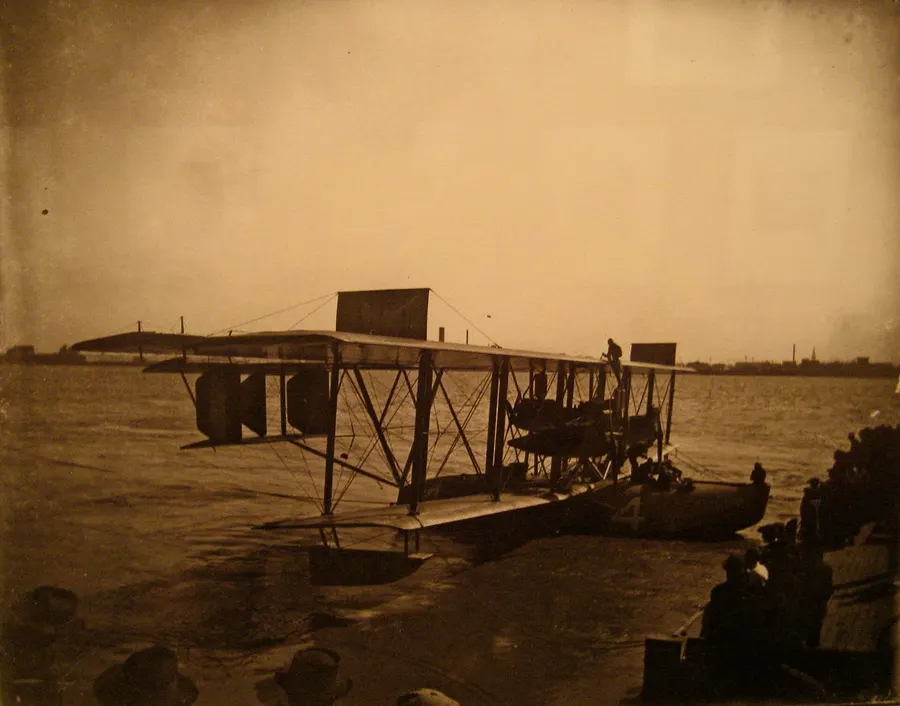 The NC-4 flying boat at New Orleans during its tour of the United States after the Atlantic crossing, 1919Image:
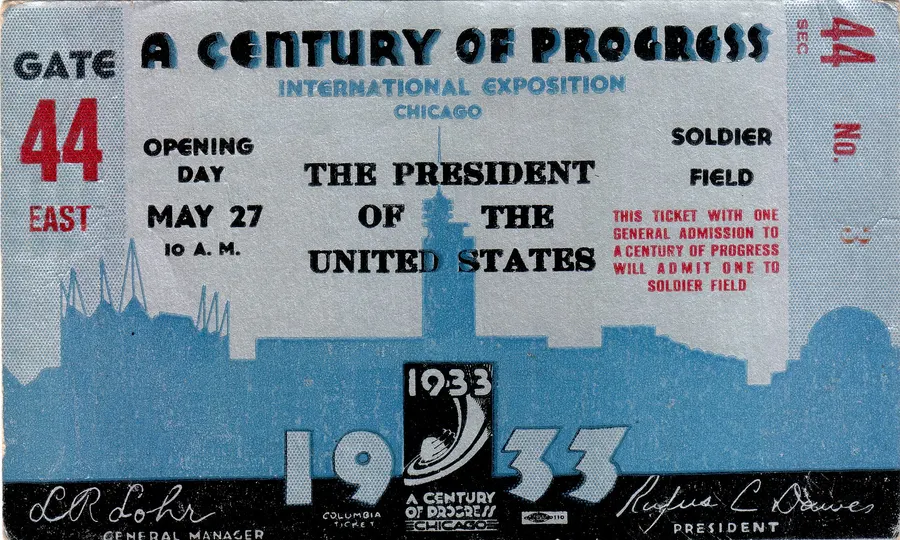 An opening-day ticket for the Century of Progress world’s fair in Chicago, 1933Image:
 The Golden Gate Bridge spanning the entrance to San Francisco BayImage:
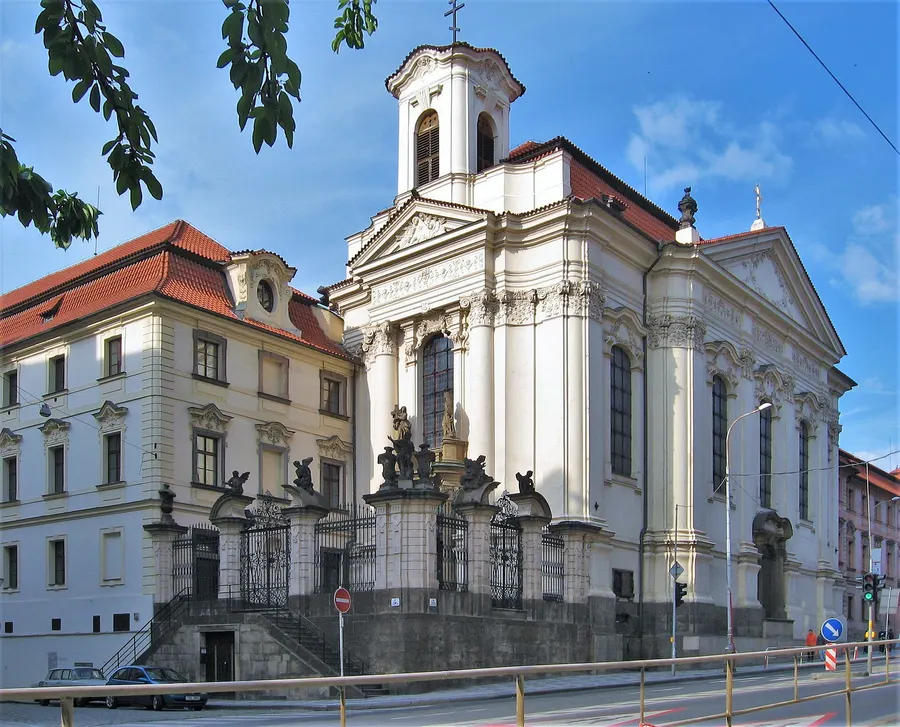 The Cathedral of Saints Cyril and Methodius in Prague, where the parachutists made their last stand and a memorial now standsImage:
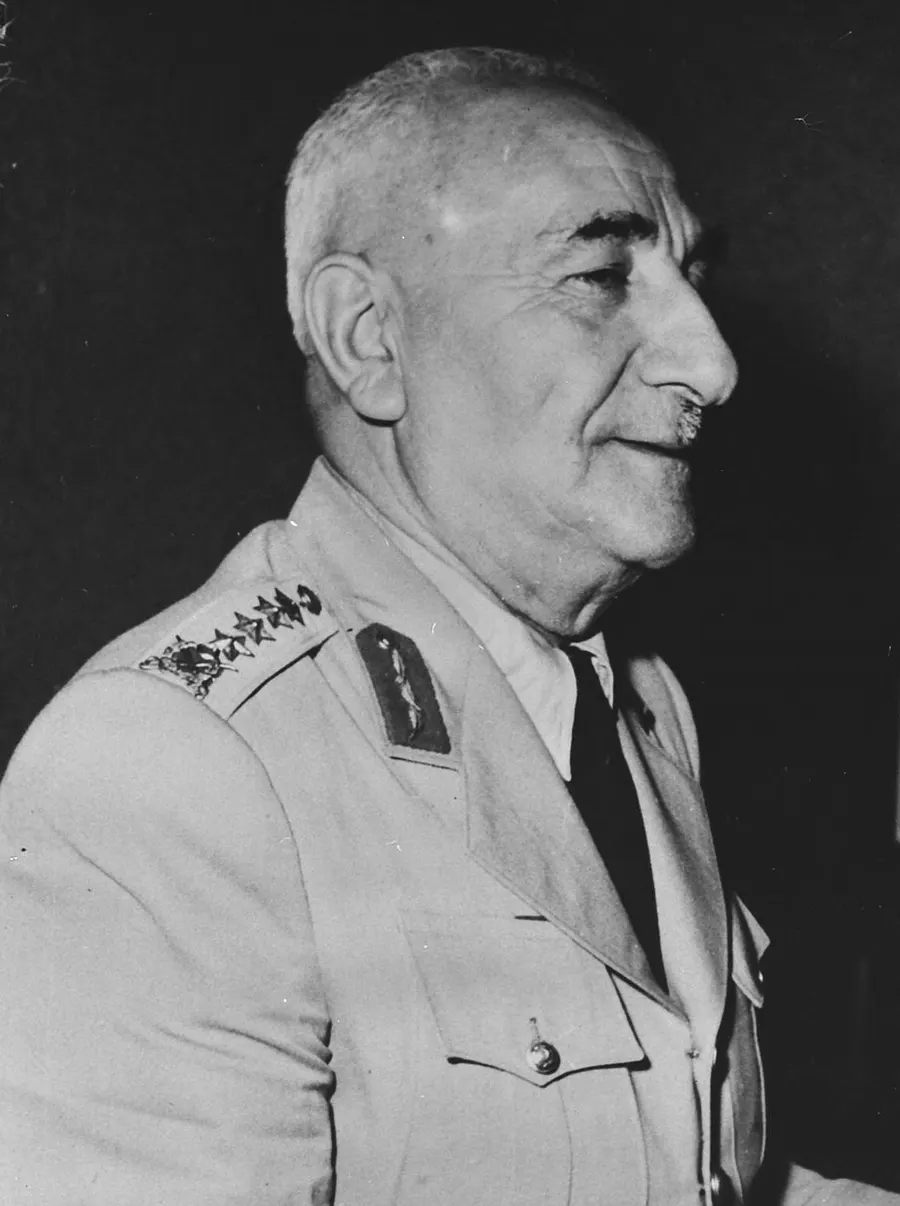 General Cemal Gürsel, who headed the National Unity Committee after the coup, photographed in 1960Image:
 A 1967 campaign badge urging Australians to vote ‘Yes’ for Aboriginal people, in the collection of Museums VictoriaImage:
 A collapsed government office on Jalan Parangtritis in Yogyakarta, photographed the day after the earthquakeImage:
 The Stadio Olimpico in Rome, where the 2009 Champions League final was playedImage:
 The ruined dome of the Hiroshima Peace Memorial, left standing after the atomic bombing of 1945Image: