Explore 6 November

Explore 6 November: Abraham Lincoln is elected president, Gandhi leads striking miners across a South African border, and the United Nations calls for sanctions against apartheid. Plus the first game of college football.

This day through time →8 verified events across 3 eras

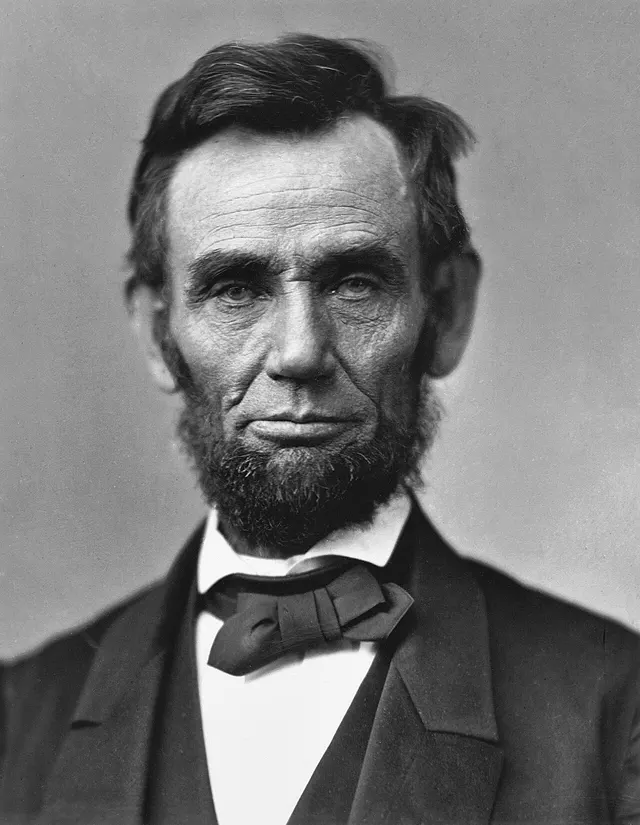
Abraham Lincoln, photographed by Alexander Gardner in November 1863.
Image creditAlexander Gardner · Public domainResized and cropped for display.

Abraham Lincoln is elected president

On 6 November 1860 Americans went to the polls in a country split over slavery. The Republican Abraham Lincoln faced three rivals: the Southern Democrat John C. Breckinridge, the Democrat Stephen A. Douglas and John Bell of the Constitutional Union party.

Lincoln won less than 40 per cent of the popular vote but a clear majority of 180 electoral votes, carried almost entirely by the Northern states. Before he took office in March 1861, seven Southern states had seceded from the Union, and within weeks of his inauguration the Civil War began.

Read the full storyHistory & Timeline →Source: US National Park Service: The elections of 1860 and 1864 ↗
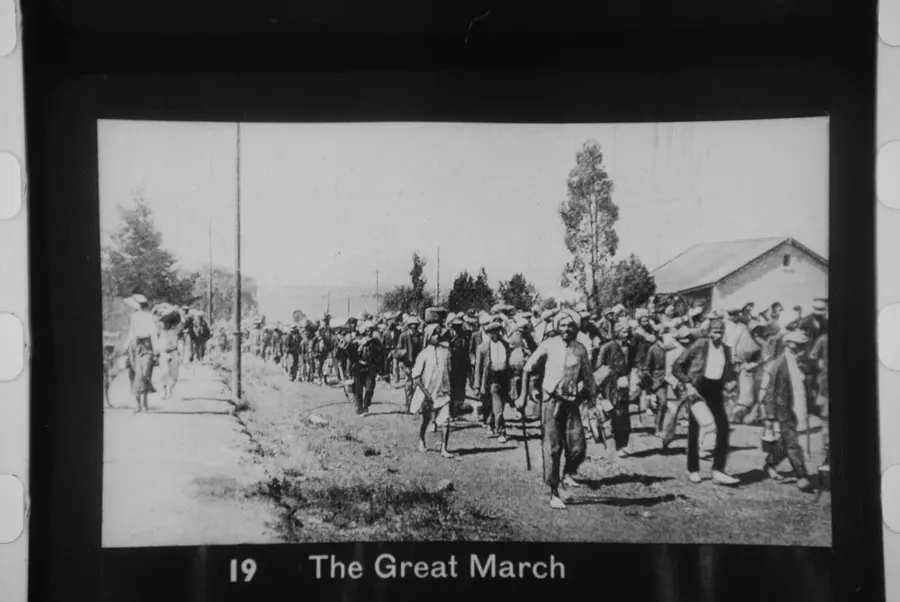
Marchers on the Great March in South Africa, 1913.
Image creditUnknown authorUnknown author · Public domainResized and cropped for display.

Gandhi leads the Great March into the Transvaal

On 6 November 1913 Mohandas Gandhi led more than two thousand striking Indian mine workers, with 127 women and 57 children, out of Natal and across the border into the Transvaal, deliberately breaking the law that barred Indians from moving between the provinces. They were protesting against the Immigrants Regulation Act and a heavy tax on former indentured labourers.

Gandhi was arrested, released on bail, rejoined the marchers and was arrested again. The mass arrests and strikes that followed forced the government to negotiate, and the campaign became the model for the non-violent resistance he later led in India.

Read the full storyHistory & Timeline →Source: South African History Online: Gandhi is arrested as he leads a march of Indian miners in South Africa ↗
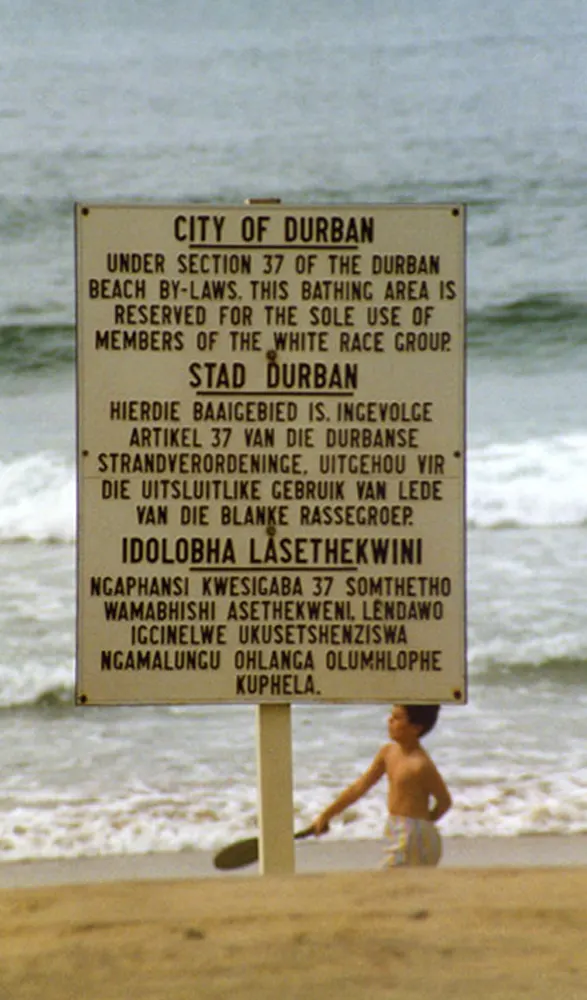
A sign on a Durban beach reserving it for white people, photographed in 1989.
Image creditGuinnog · CC BY-SA 3.0Resized and cropped for display.

The UN calls for sanctions against apartheid

On 6 November 1962 the United Nations General Assembly adopted resolution 1761, condemning South Africa’s policy of apartheid and asking member states to impose sanctions on the country, including breaking off diplomatic relations and boycotting its goods. It also asked the Security Council to consider expelling South Africa from the UN.

The resolution set up the Special Committee against Apartheid, which kept South Africa’s racial policies under review for the next three decades. It was not binding, but it marked the start of the international campaign that isolated the apartheid state.

Read the full storyHistory & Timeline →Source: United Nations Digital Library: The policies of apartheid of the Government of the Republic of South Africa, resolution 1761 (XVII) ↗
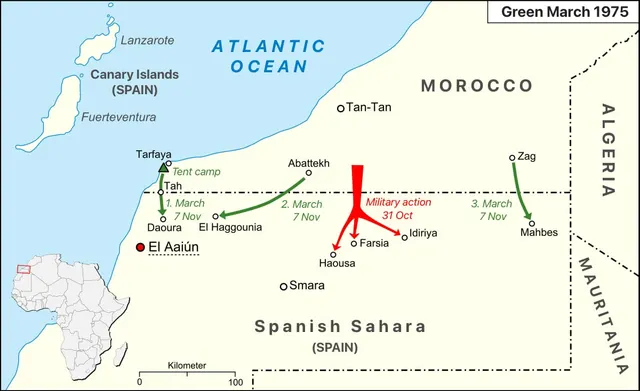
Map of the Green March into what was then Spanish Sahara, 1975.
Image creditFlaggingwill · CC BY-SA 4.0Resized and cropped for display.

The Green March into Spanish Sahara

On 6 November 1975, at the call of King Hassan II, some 350,000 unarmed Moroccans began to march south from Tarfaya into Spanish Sahara, the colony Morocco claimed as its own. The United Nations Security Council deplored the march the same day.

Within days Spain agreed to hand the territory over to Morocco and Mauritania. The Polisario Front, which sought independence for the territory, fought on, and Western Sahara’s status remains disputed; the United Nations still lists it as a non-self-governing territory.

Read the full storyHistory & Timeline →Source: Kingdom of Morocco, Maroc.ma: HM the King’s speech on the 39th anniversary of the Green March ↗
♙
PEOPLE

Born Today

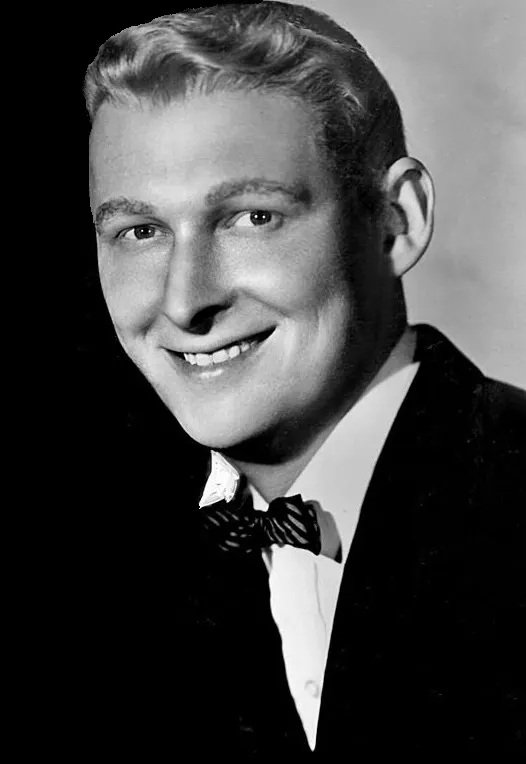
Mike Nichols
Image creditMcManus - ebay · Public domainResized and cropped for display.

Mike Nichols

Berlin-born American director of The Graduate, and one of the few to win an Emmy, a Grammy, an Oscar and a Tony.

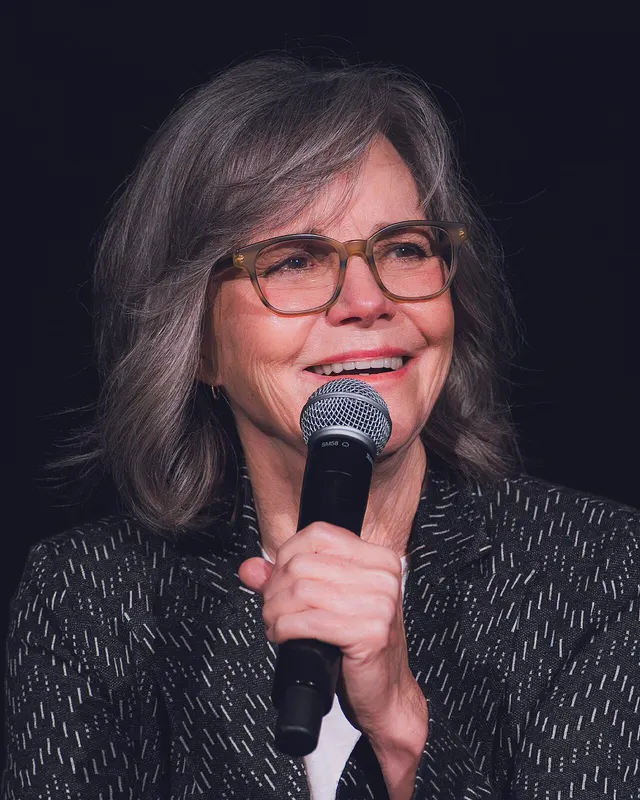
Sally Field
Image creditKevin Paul · CC BY 4.0Resized and cropped for display.

Sally Field

American actress who won Oscars for Norma Rae and Places in the Heart.

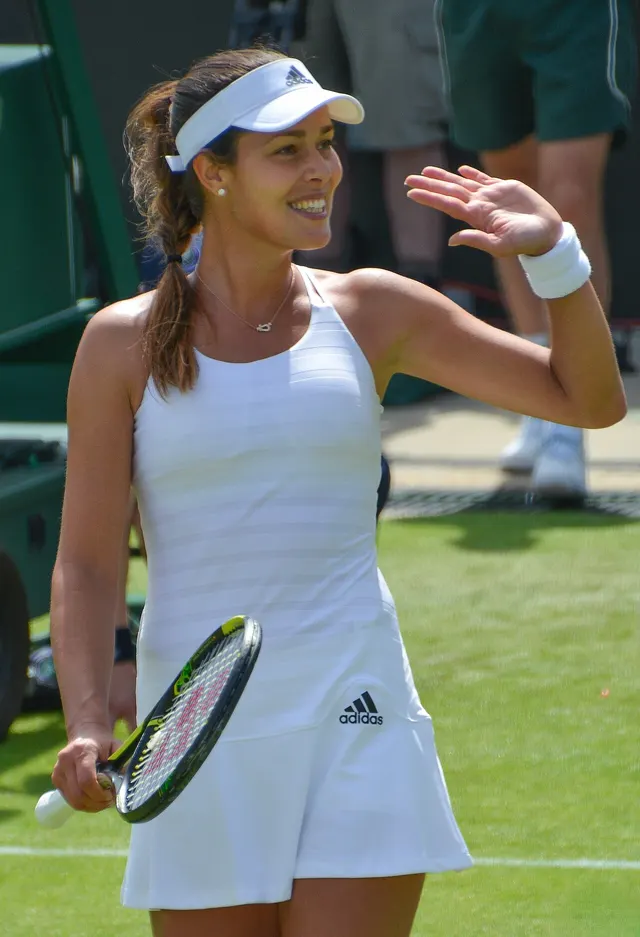
Ana Ivanovic
Image creditCarine06 from UK · CC BY-SA 2.0Resized and cropped for display.

Ana Ivanovic

Serbian tennis player who won the 2008 French Open and became world number one.

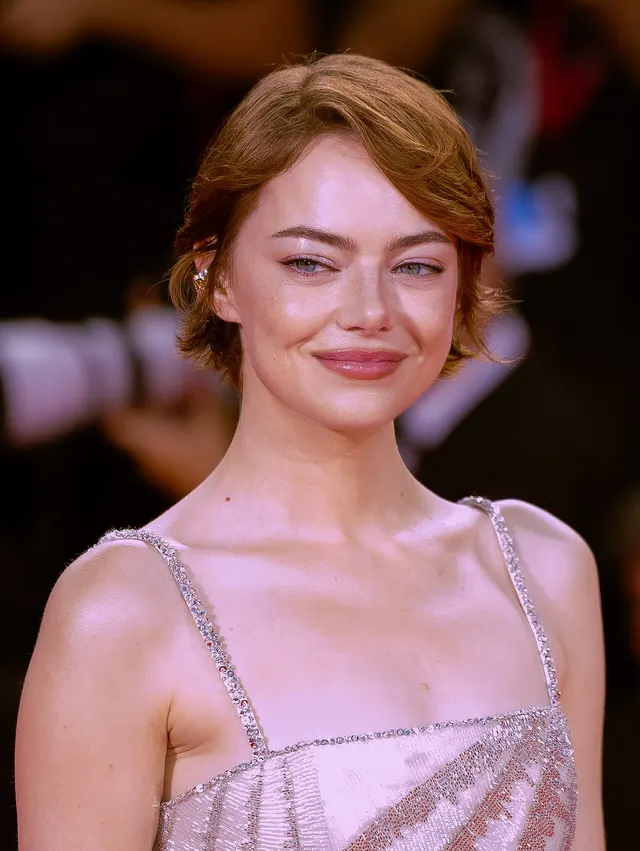
Emma Stone
Image creditHarald Krichel · CC BY-SA 4.0Resized and cropped for display.

Emma Stone

American actress who won Oscars for La La Land and Poor Things.

☆
SPORTING HISTORY

Sporting Moments

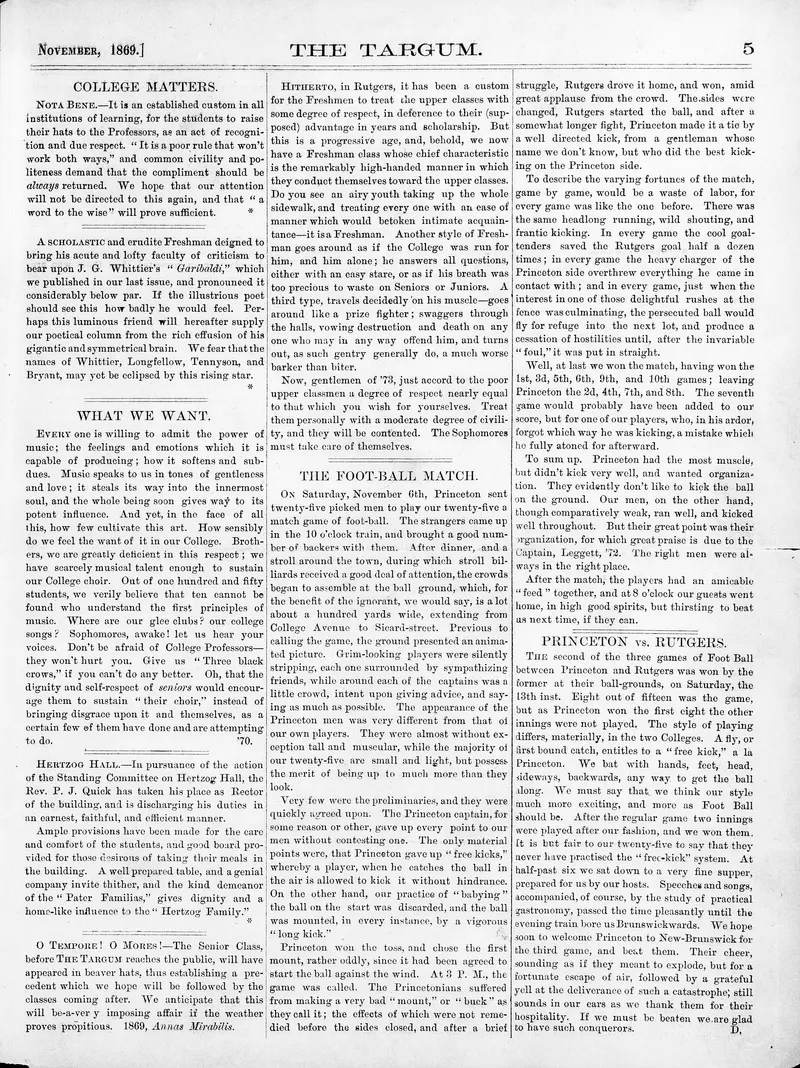
The Rutgers student newspaper, the Targum, reports the first game, November 1869.
Image creditUnknown authorUnknown author · Public domainResized and cropped for display.

The first game of college football

On 6 November 1869, on a field in New Brunswick, New Jersey, the students of Rutgers played those of Princeton, then the College of New Jersey, in what is counted as the first game of intercollegiate football. About a hundred people watched as the players threw off their coats, waistcoats and hats.

The game looked more like soccer than modern American football: twenty-five men a side, a round rubber ball, and the first team to score six goals the winner. Rutgers won six to four. Princeton won the rematch a week later.

Read the full storyHistory & Timeline →Source: Rutgers University: The birthplace of college football ↗
✦
LIVES REMEMBERED

Remembered Today

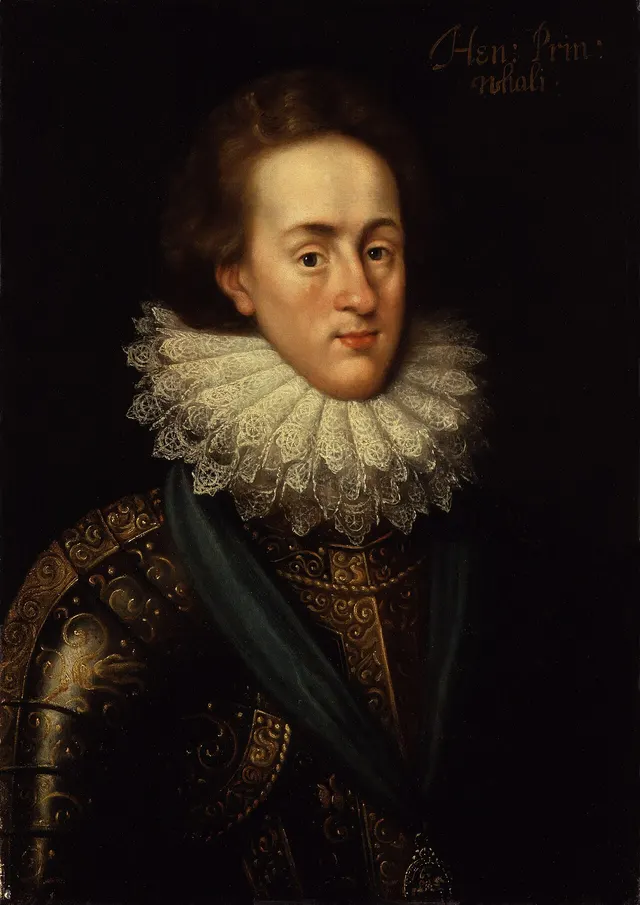
Henry Frederick, Prince of Wales
Image creditAfter Isaac Oliver · Public domainResized and cropped for display.

Henry Frederick, Prince of Wales

Eldest son and heir of James I, whose early death at eighteen made his brother the future Charles I. His death is recorded under the Julian calendar.

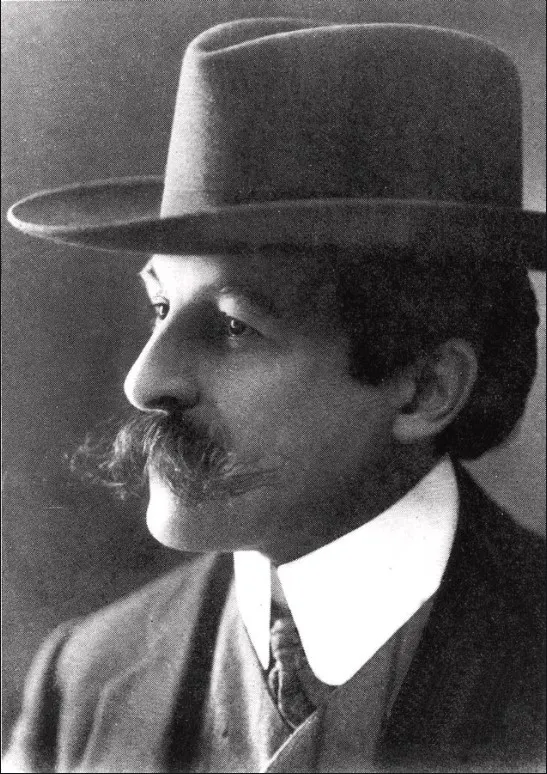
Maurice Leblanc
Image creditHenri Manuel · Public domainResized and cropped for display.

Maurice Leblanc

French novelist who created the gentleman thief Arsène Lupin.

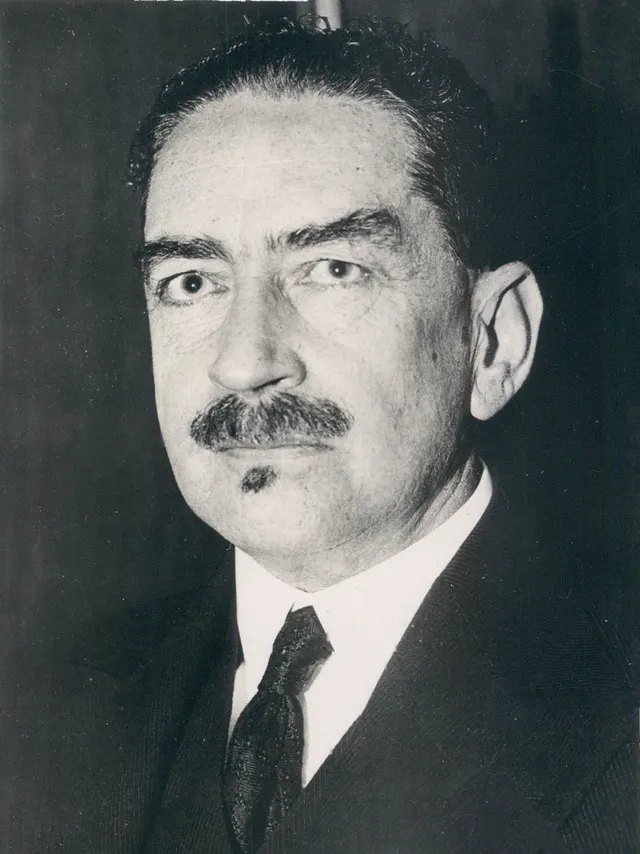
Hans von Euler-Chelpin
Image creditACME · Public domainResized and cropped for display.

Hans von Euler-Chelpin

German-born Swedish biochemist who shared the 1929 Nobel Prize in Chemistry for work on fermentation.

Clive Dunn
Image creditCrown Film Unit · Public domainResized and cropped for display.

Clive Dunn

English actor who played Lance-Corporal Jones in the television comedy Dad’s Army.

HISTORY & TIMELINE

Finished the highlights?

Follow 6 November chronologically, from the Middle Ages to the modern day, with 8 verified events and the sources behind them.

This day through time →