Explore 10 November

Explore 10 November: a crusading king falls at Varna, Turkey loses Atatürk, Japan enthrones Hirohito and Sesame Street goes on the air. Meet Martin Luther, Friedrich Schiller and Ennio Morricone, born on this date.

This day through time →10 verified events across 3 eras

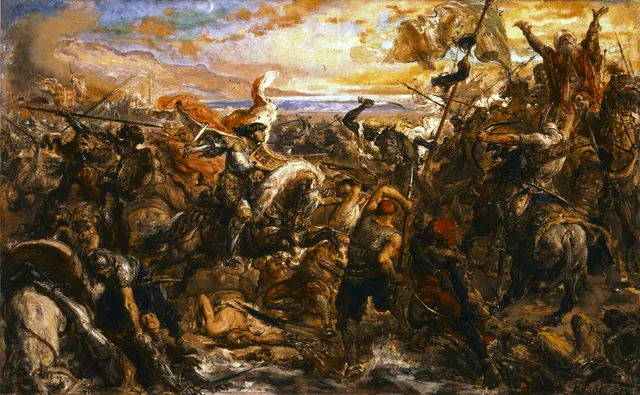
The Battle of Varna, painted by Jan Matejko in 1879.
Image creditJan Matejko · Public domainResized and cropped for display.

A crusade ends at the Battle of Varna

In 1444 Władysław III, king of Poland and Hungary, broke a truce with the Ottoman sultan Murad II and led a crusading army into the Balkans with the Hungarian general János Hunyadi. On 10 November 1444, near Varna on the Black Sea coast of present-day Bulgaria, they met a much larger Ottoman army.

The young king led a charge on the sultan’s position, hoping to capture Murad, but was cut down by his elite guard, and the crusaders were routed. The defeat ended Western hopes of saving Constantinople, which fell to the Ottomans nine years later, and left the Balkans under Ottoman control.

Read the full storyHistory & Timeline →Source: Encyclopaedia Britannica: Battle of Varna ↗
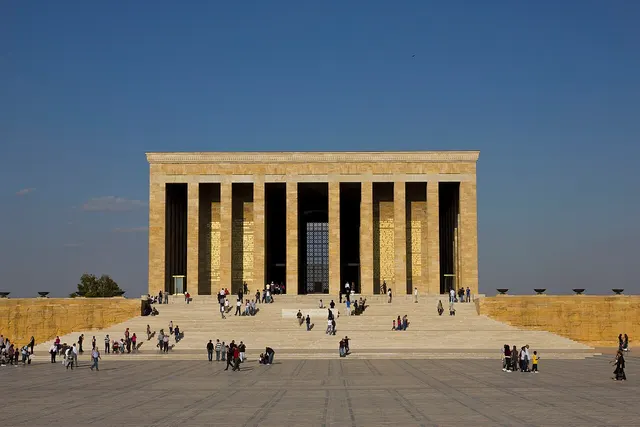
Anıtkabir, Atatürk's mausoleum in Ankara, photographed in 2011.
Anıtkabir, Atatürk’s mausoleum in Ankara, photographed in 2011.
Image creditWilliam Neuheisel from DC, US · CC BY 2.0Resized and cropped for display.

Turkey mourns Atatürk

Mustafa Kemal Atatürk, the soldier who founded the Republic of Turkey in 1923 and led it as president through sweeping reforms of law, alphabet, dress and religion’s place in public life, died at the Dolmabahçe Palace in Istanbul at 9.05 a.m. on 10 November 1938. He was 57, and had been ill with cirrhosis of the liver.

His death brought enormous public grief. His body was carried from Istanbul to Ankara, and in 1953 it was placed in Anıtkabir, the mausoleum built for him above the capital. Every year at 9.05 a.m. on 10 November, Turkey stops for a minute’s silence in his memory.

Read the full storyHistory & Timeline →Source: Encyclopaedia Britannica: Kemal Atatürk ↗
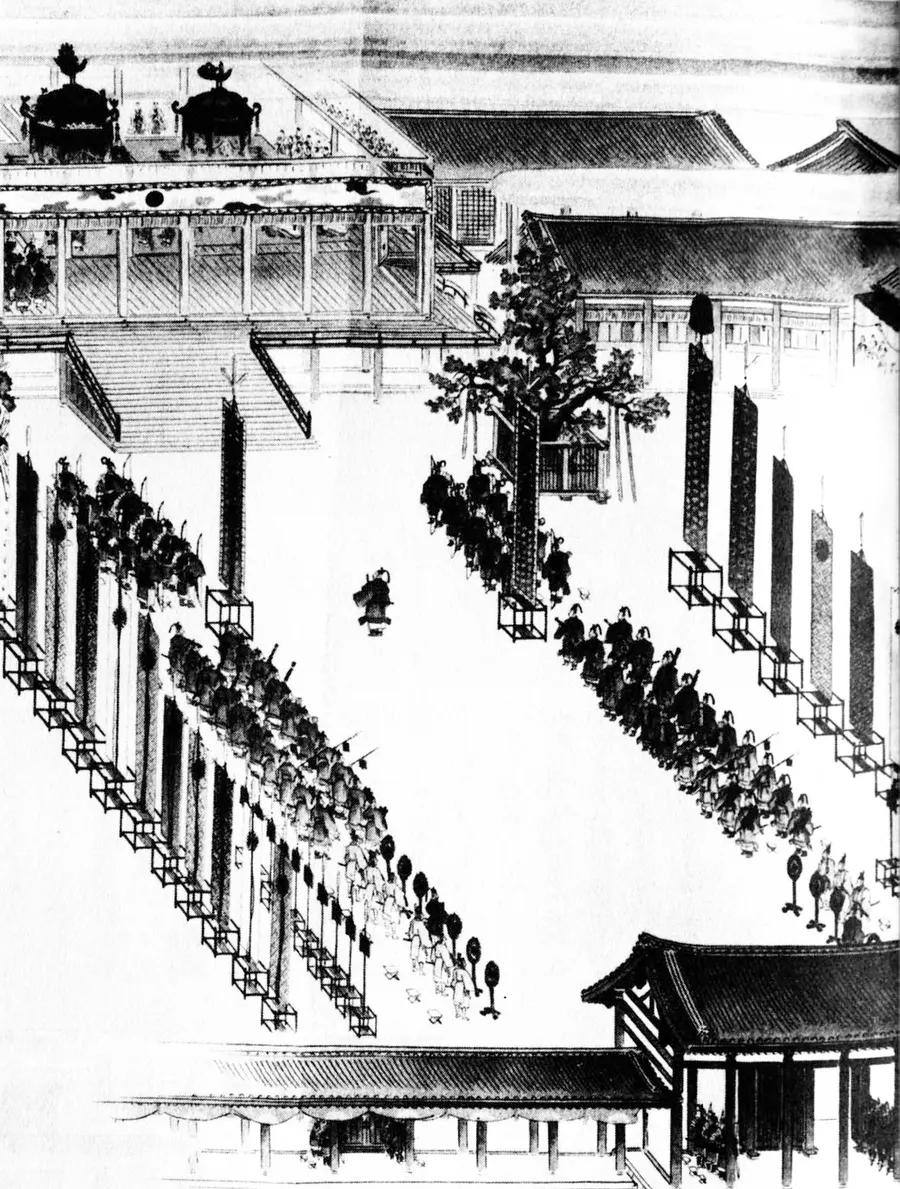
The enthronement ceremony at the Kyoto Imperial Palace, drawn for the Osaka Asahi newspaper, 1928.
Image credit大阪朝日新聞 · Public domainResized and cropped for display.

Hirohito is enthroned in Kyoto

Hirohito had become emperor of Japan when his father, Emperor Taishō, died on 25 December 1926, but the formal ceremonies of accession took place almost two years later in the old capital, Kyoto. On 10 November 1928, in the Shishinden hall of the Kyoto Imperial Palace, he proclaimed his enthronement in ancient court robes before princes, officials and foreign guests.

Newsreel companies from around the world filmed the ceremonies. Hirohito’s reign, known in Japan as Shōwa, lasted until his death in 1989, the longest of any Japanese emperor, through war, defeat and Japan’s rise as an economic power.

Read the full storyHistory & Timeline →Source: Imperial Household Agency: Emperor Shōwa and Empress Kōjun ↗
A steel sculpture of a Nigerian bus in north London, a memorial to Ken Saro-Wiwa, photographed in 2011.
Image creditAlan Stanton · CC BY-SA 2.0Resized and cropped for display.

Nigeria executes Ken Saro-Wiwa and the Ogoni Nine

The Nigerian writer Ken Saro-Wiwa led the Movement for the Survival of the Ogoni People, which campaigned against the military government and the oil companies it blamed for the pollution of the Ogoni lands in the Niger Delta. In 1994 he and others were arrested after four Ogoni chiefs were killed, and a special military tribunal sentenced them to death in a trial condemned around the world as unfair.

On 10 November 1995 Saro-Wiwa and eight fellow activists, the Ogoni Nine, were hanged in Port Harcourt. The next day the Commonwealth suspended Nigeria’s membership, and the United States and the European Union imposed sanctions.

Read the full storyHistory & Timeline →Source: Encyclopaedia Britannica: Ken Saro-Wiwa ↗
♙
PEOPLE

Born Today

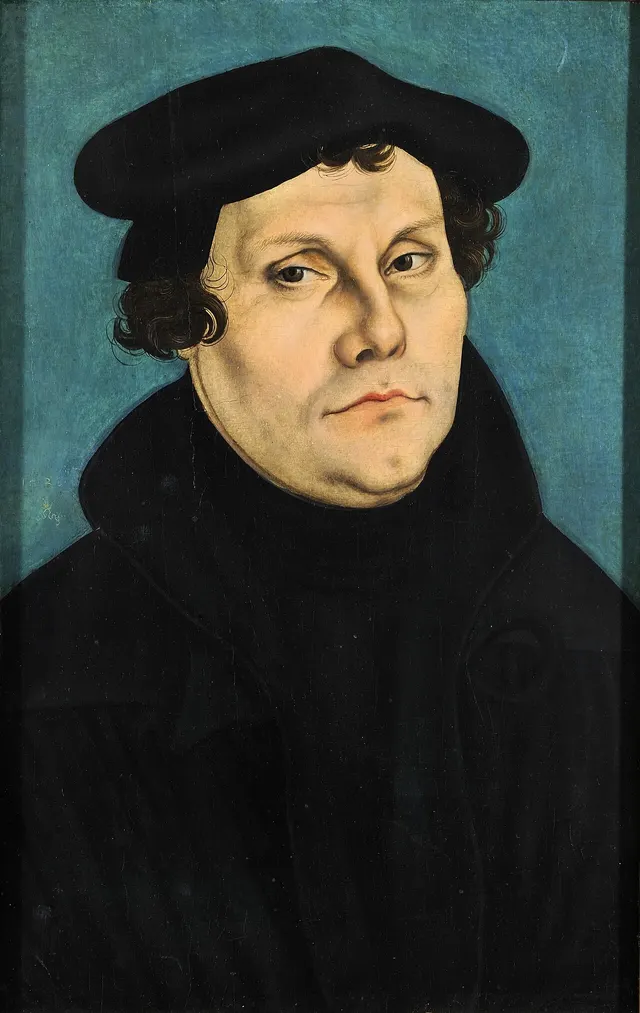
Martin Luther
Image creditLucas Cranach the Elder · Public domainResized and cropped for display.

Martin Luther

German theologian whose challenge to the Church in 1517 began the Protestant Reformation. His birth is recorded under the Julian calendar.

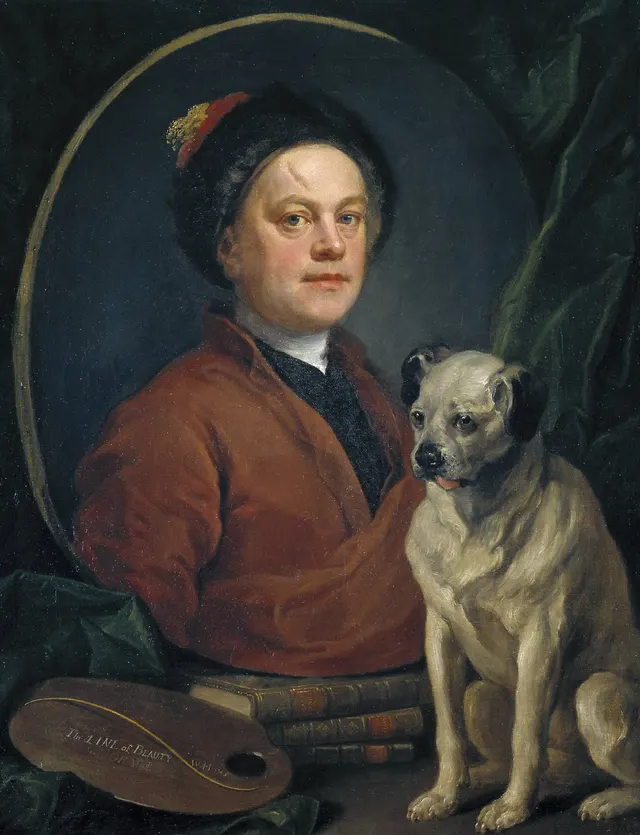
William Hogarth
Image creditUnknown · Public domainResized and cropped for display.

William Hogarth

English painter and engraver whose satirical series, such as A Rake’s Progress, mocked the vices of his age.

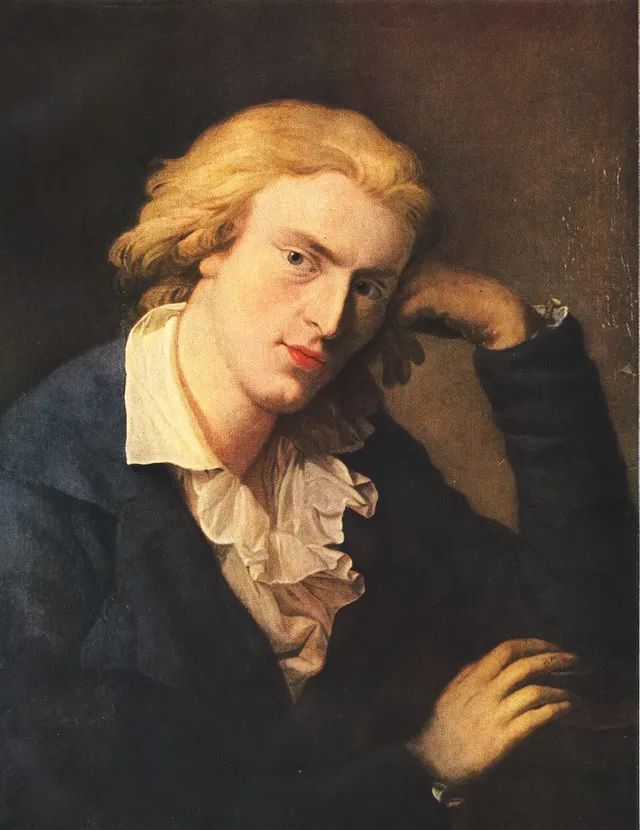
Friedrich Schiller
Image creditAnton Graff · Public domainResized and cropped for display.

Friedrich Schiller

German poet and playwright whose Ode to Joy was set to music by Beethoven in his Ninth Symphony.

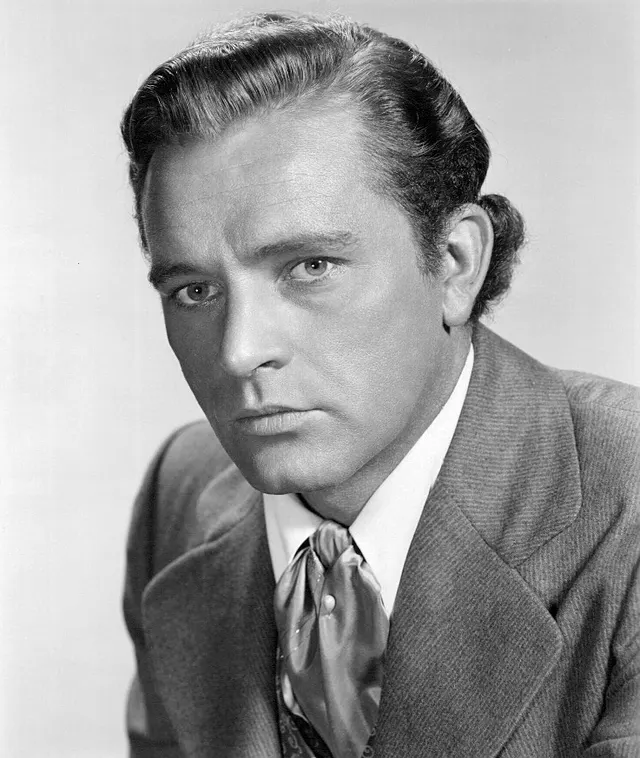
Richard Burton
Image credit20th Century Fox · Public domainResized and cropped for display.

Richard Burton

Welsh actor of stage and screen, famous for his voice and for Who’s Afraid of Virginia Woolf?

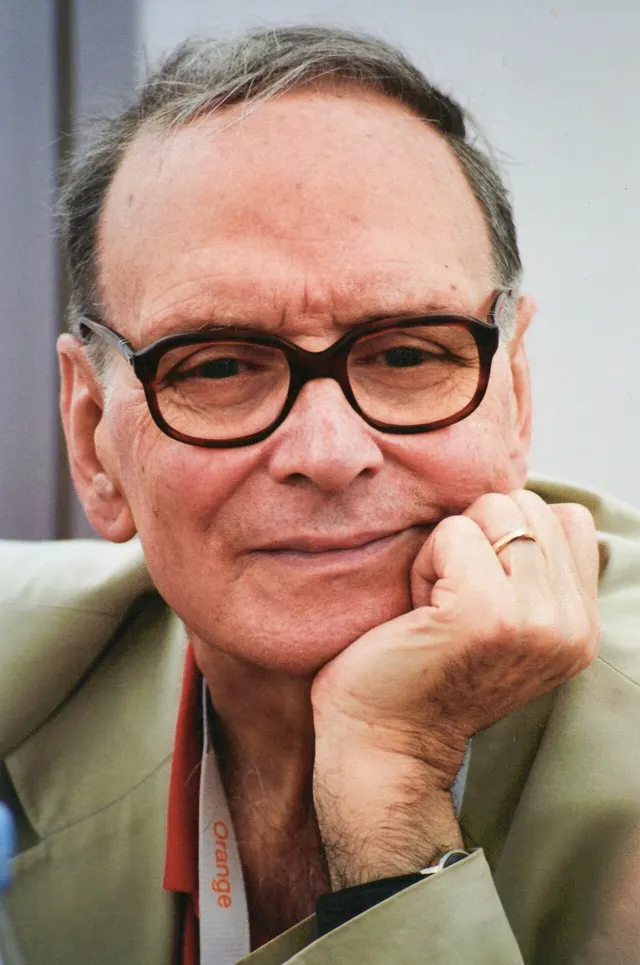
Ennio Morricone
Image creditOlivier Strecker · CC BY-SA 3.0Resized and cropped for display.

Ennio Morricone

Italian composer of more than 400 film scores, among them The Good, the Bad and the Ugly and The Mission.

◉
IDEAS THAT CHANGED THINGS

Firsts, Science & Discoveries

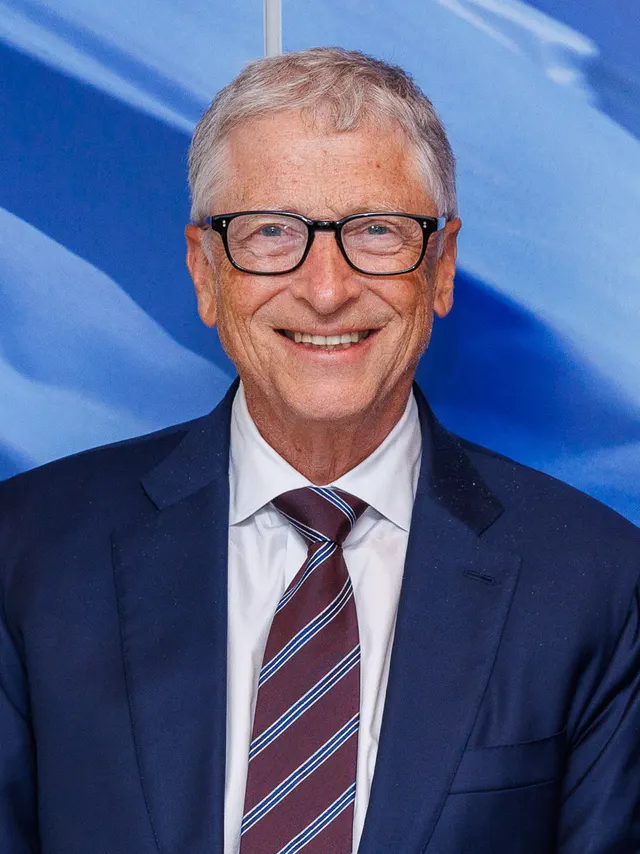
Bill Gates, co-founder of Microsoft, photographed in 2025.
Image creditBogdan Hoyaux / European Union · CC BY 4.0Resized and cropped for display.

Microsoft announces Windows

On 10 November 1983 Bill Gates announced Microsoft Windows, a graphical environment for IBM-compatible personal computers that would let users work in windows on the screen with a mouse instead of typing commands. It was Microsoft’s answer to the graphical interfaces of machines such as Apple’s Lisa.

After several delays, Windows 1.0 went on sale in November 1985. Later versions became the most widely used operating system for personal computers in the world.

Read the full storyHistory & Timeline →Source: Microsoft: First version of Windows announced ↗
♫
MUSIC • FILM • BOOKS • CULTURE

Culture Stories

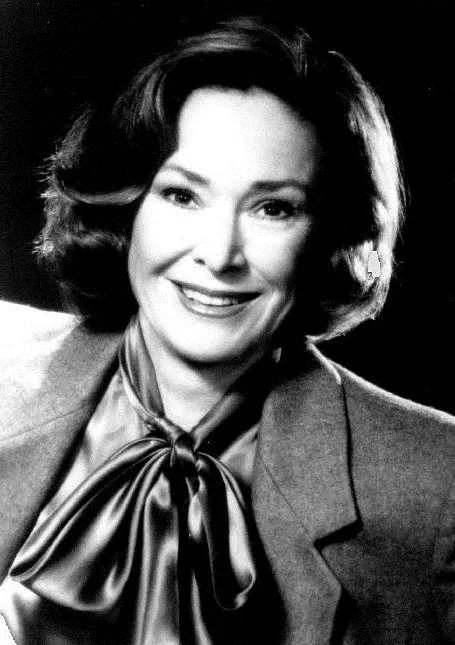
Joan Ganz Cooney, who created Sesame Street, photographed in 1985.
Image creditUnknown authorUnknown author · Public domainResized and cropped for display.

Sesame Street goes on the air

On 10 November 1969 American children watched the first episode of Sesame Street, ‘Gordon Introduces Sally to Sesame Street’, on National Educational Television, the network that became PBS the following year. It was made by the Children’s Television Workshop, founded by the television producer Joan Ganz Cooney and the psychologist Lloyd Morrisett to use television to prepare young children, especially poorer ones, for school.

With Jim Henson’s Muppets, city streets and lessons in letters and numbers, the programme was a success from the start. It has been on the air ever since.

Read the full storyHistory & Timeline →Source: Encyclopaedia Britannica: Sesame Street ↗
✦
LIVES REMEMBERED

Remembered Today

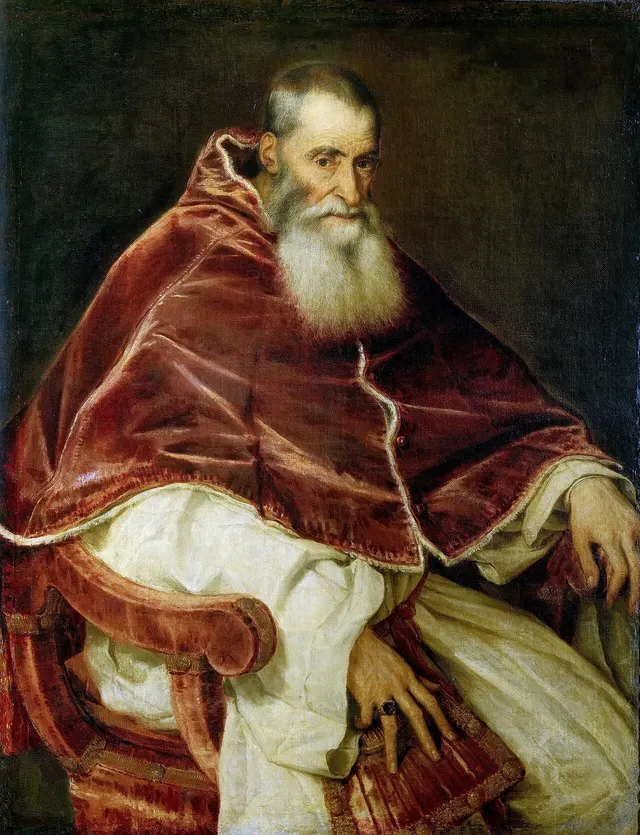
Pope Paul III
Image creditTitian · Public domainResized and cropped for display.

Pope Paul III

Pope from 1534 to 1549, who called the Council of Trent and approved the founding of the Jesuits. His death is recorded under the Julian calendar.

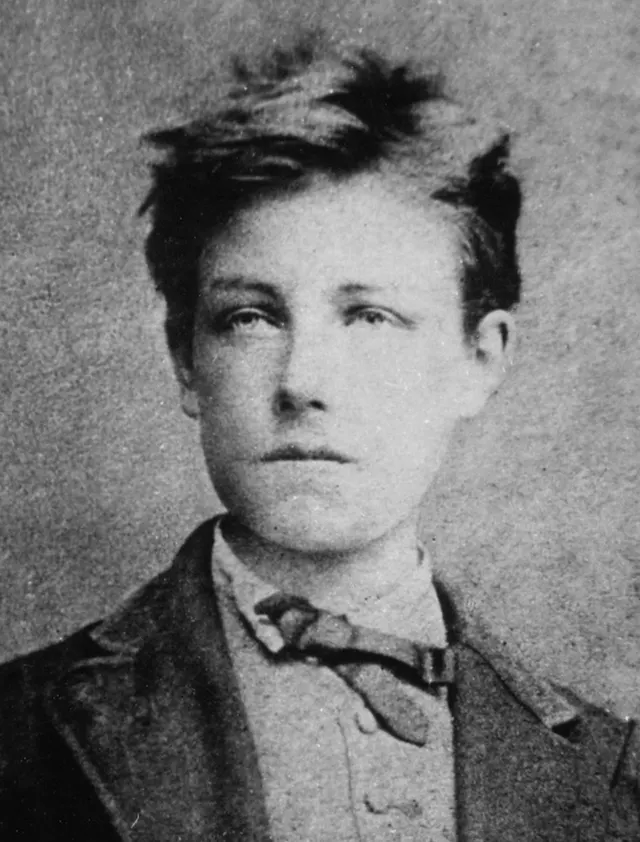
Arthur Rimbaud
Image creditÉtienne Carjat · Public domainResized and cropped for display.

Arthur Rimbaud

French poet who wrote all his major work, including A Season in Hell, before the age of 21.

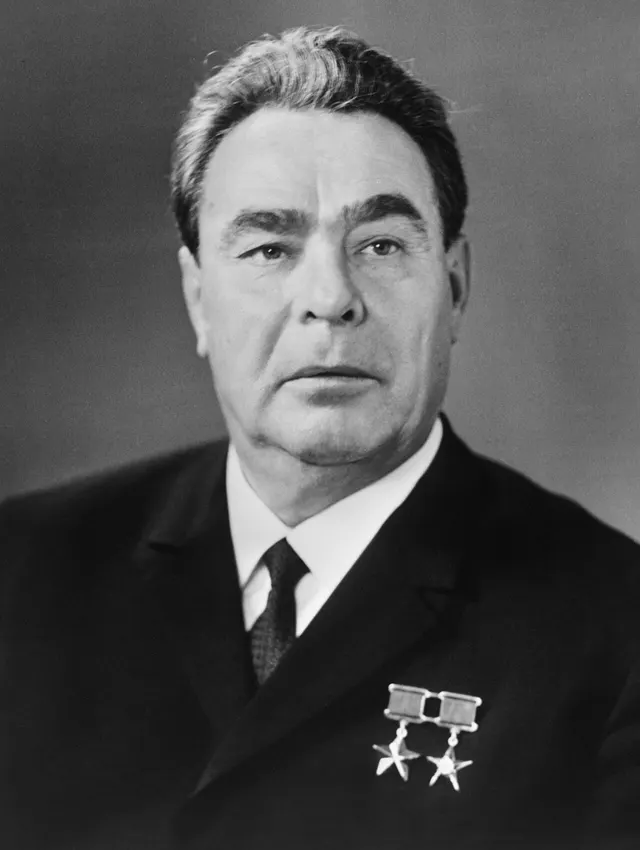
Leonid Brezhnev
Image creditVladimir Musaelyan · CC0Resized and cropped for display.

Leonid Brezhnev

Leader of the Soviet Union from 1964 until his death.

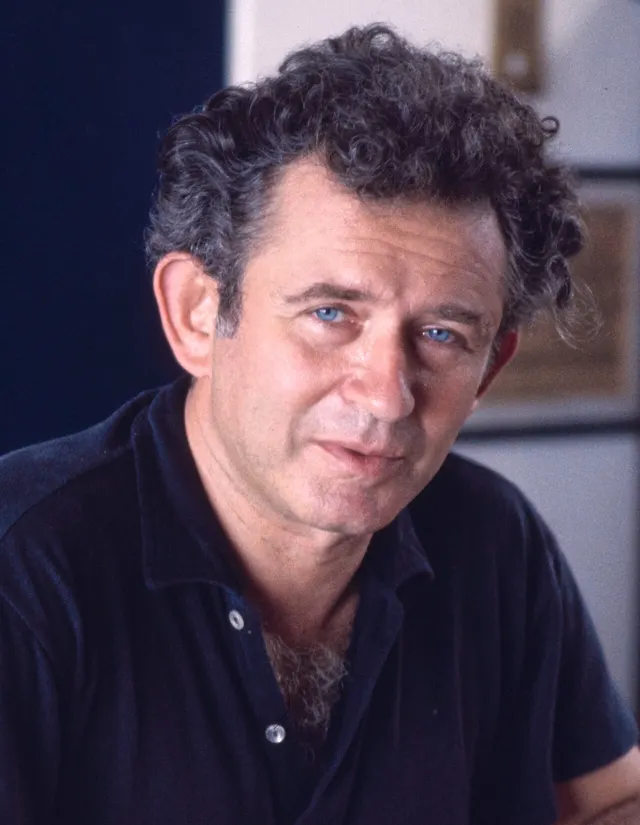
Norman Mailer
Image creditGotfryd, Bernard, photographer · Public domainResized and cropped for display.

Norman Mailer

American novelist and journalist, author of The Naked and the Dead and twice winner of the Pulitzer Prize.

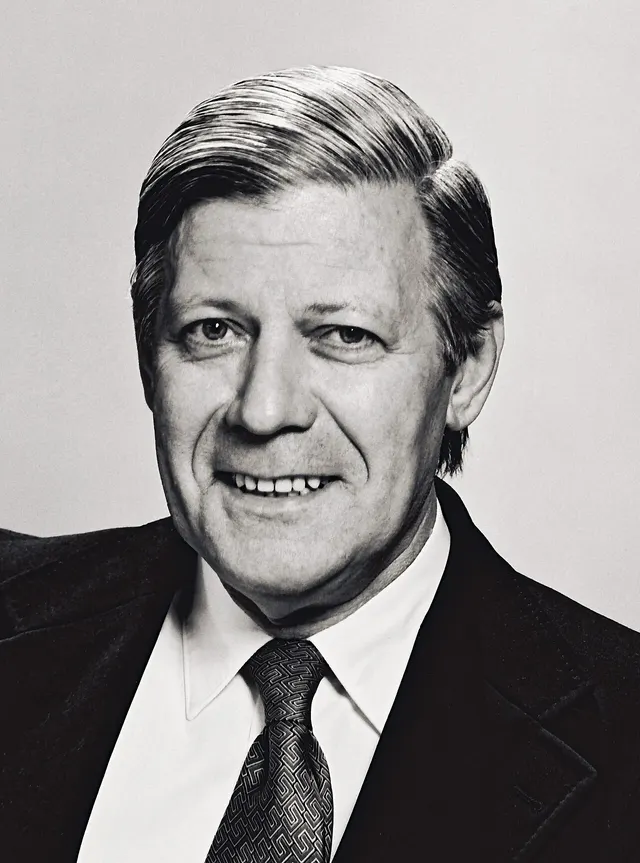
Helmut Schmidt
Image creditHans Schafgans · CC BY-SA 2.0Resized and cropped for display.

Helmut Schmidt

Chancellor of West Germany from 1974 to 1982.

☉
AROUND THE WORLD

Observances & Anniversaries

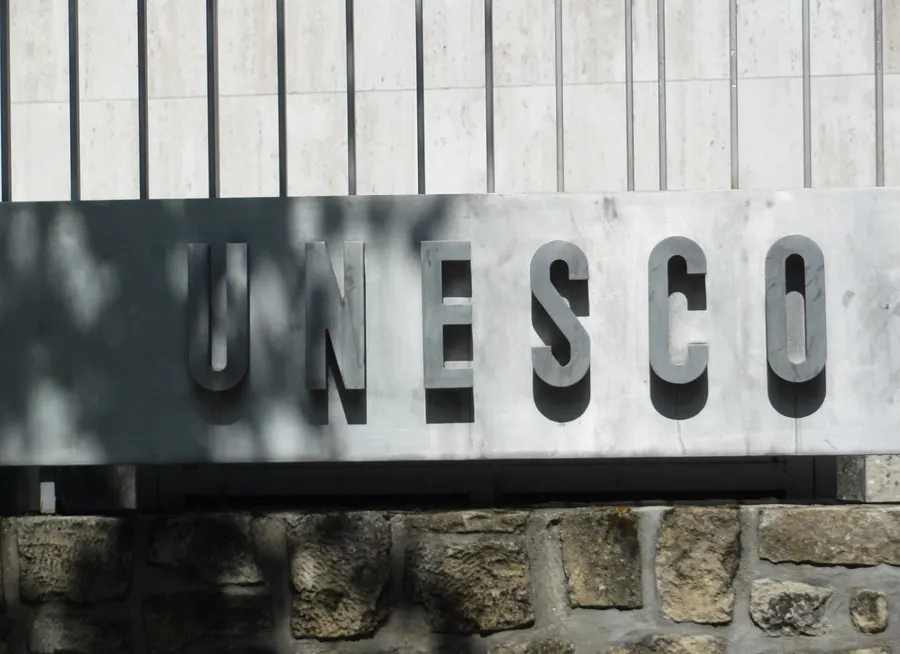
The sign at UNESCO's headquarters in Paris, photographed in 2012.
The sign at UNESCO’s headquarters in Paris, photographed in 2012.
Image creditEva Rinaldi · CC BY-SA 2.0Resized and cropped for display.

World Science Day for Peace and Development

Proclaimed by UNESCO’s General Conference in 2001 and first held on 10 November 2002, World Science Day for Peace and Development celebrates the part science plays in society and encourages the public to join in debates on new scientific questions.

Source: UNESCO: World Science Day for Peace and Development ↗
HISTORY & TIMELINE

Finished the highlights?

Follow 10 November chronologically, from the Middle Ages to the modern day, with 10 verified events and the sources behind them.

This day through time →