
HISTORY & TIMELINE
11 August

A journey through
11 August in history

The story of 11 August begins with the day the Maya counted as the start of their world, in 3114 BC, and runs to NATO taking command in Afghanistan in 2003. In between come Hadrian’s proclamation as emperor, the election of the Borgia pope, the Ottoman victory at Otlukbeli, the British settlement of Penang, Francis II’s new title of Emperor of Austria, the first ascent of the Eiger, the peace that confirmed Latvia’s independence, Hedy Lamarr’s frequency-hopping patent, the accession of King Hussein of Jordan, the independence of Chad, a party in the Bronx remembered as the birth of hip hop, and the last total eclipse of the Sun of the millennium.

I
EARLIEST RECORDS

Ancient & Early History

The earliest worthwhile records and events connected with this date.

-3114
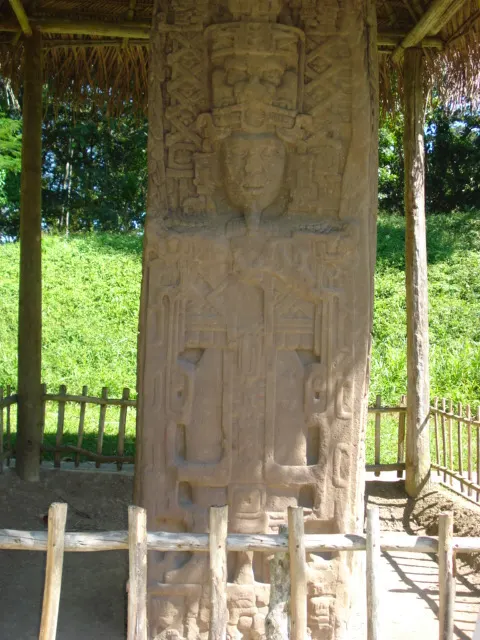
Stela C at Quiriguá in Guatemala, whose inscription records the Maya creation dateStela C at Quiriguá in Guatemala, whose inscription records the Maya creation dateImage: Renata Avila · CC BY 2.0
culture · Americas

The day the Maya counted as the creation of the world

The Maya and their neighbours in Mesoamerica kept a Long Count calendar that numbered each day from a fixed starting point, written 13.0.0.0.0 4 Ajaw 8 Kumk’u, the day on which they believed the present world was created. Using the most widely accepted correlation with our calendar, that day was 11 August 3114 BC, though other versions put it a day or two later. Carved monuments record Long Count dates from the first century BC onwards.

Source: Smithsonian National Museum of the American Indian, Living Maya Time: The calendar system ↗
117
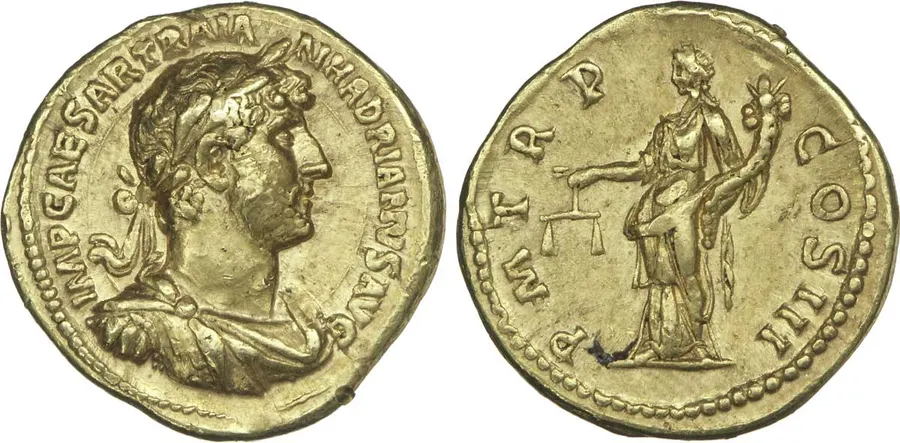
Both sides of a gold aureus of the emperor HadrianBoth sides of a gold aureus of the emperor HadrianImage: cgb.fr (CGB Numismatique) · CC BY-SA 3.0
politics · Middle East

The army at Antioch proclaims Hadrian emperor

In 117 the Roman Empire was at its greatest size. The emperor Trajan had conquered Dacia and, in the east, pushed into Armenia and Mesopotamia as far as the Persian Gulf. But revolts broke out behind him, and on his way back to Rome he fell ill and died at Selinus on the coast of Cilicia, in what is now southern Turkey, early in August. His cousin’s son Hadrian, whom he had brought up and promoted, was governor of Syria and commanded the army at Antioch. On 9 August Hadrian received word that Trajan had adopted him as his son and heir, and on 11 August 117 news of the emperor’s death arrived and the army proclaimed Hadrian emperor. Some Romans suspected that the adoption had been arranged by Trajan’s widow Plotina after his death. Hadrian quickly gave up Trajan’s newest conquests beyond the Euphrates, and spent much of his 21-year reign touring the provinces and strengthening the frontiers, most famously with the wall across northern Britain that bears his name.

Source: Britannica: Hadrian ↗
II
THE MIDDLE AGES

Medieval History

Kingdoms, conflict, faith, power and the changing medieval world.

1473
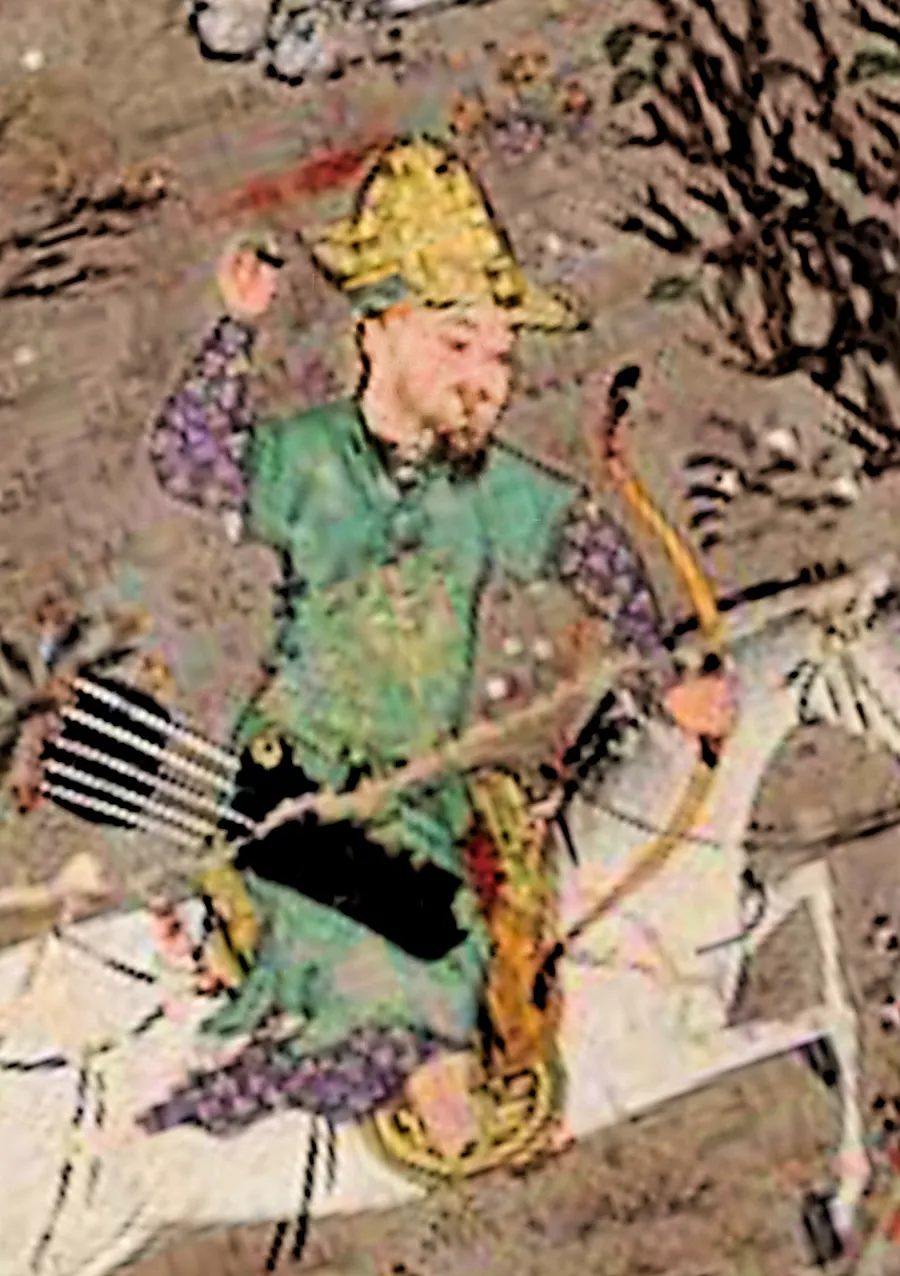
Uzun Hasan out hunting, in a painting made for his court around 1470Uzun Hasan out hunting, in a painting made for his court around 1470Image: Unknown artist at the Aq Qoyunlu court (about 1467-1473) · Public domain
world · Middle East

Mehmed the Conqueror defeats Uzun Hasan at Otlukbeli

Uzun Hasan, ruler of the Aq Qoyunlu, or White Sheep, Turkmen, had built an empire across Iran, Iraq and eastern Anatolia and allied himself with Venice against the Ottomans. On 11 August 1473, at Otlukbeli near Erzincan in eastern Turkey, the army of Sultan Mehmed II, the conqueror of Constantinople, used its artillery and handguns to rout him. The victory ended the threat from the east and secured Ottoman rule in Anatolia.

Source: Britannica: Battle of Bashkent ↗
1492
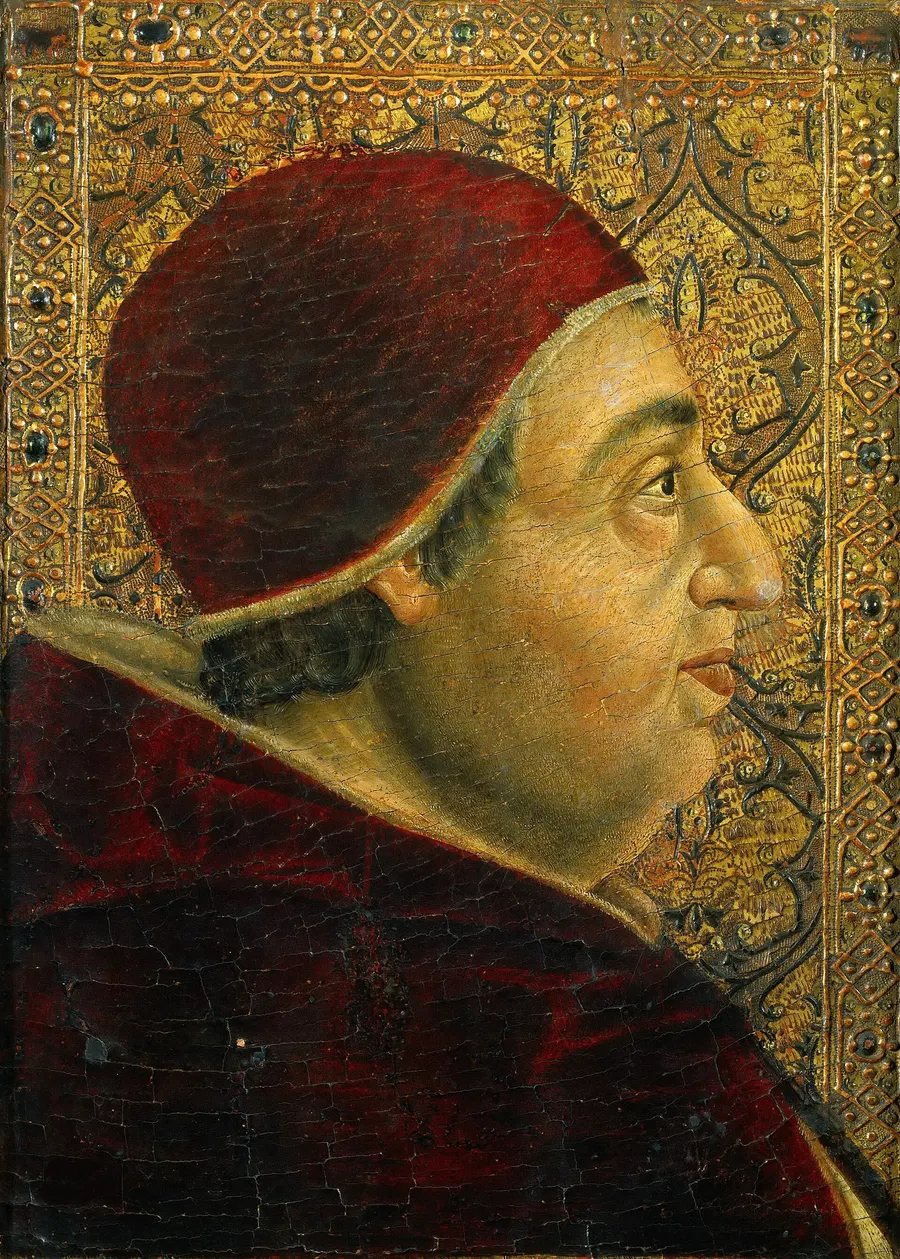
Pope Alexander VI, in a portrait attributed to Pedro Berruguete in the Vatican MuseumsPope Alexander VI, in a portrait attributed to Pedro Berruguete in the Vatican MuseumsImage: Attributed to Pedro Berruguete · Public domain
culture · Europe

Rodrigo Borgia is elected pope as Alexander VI

Rodrigo Borgia, or Borja, came from a family of Valencia in Spain and owed his rise to his uncle, who reigned as Pope Callixtus III and made him a cardinal while still in his twenties. For 35 years he ran the papal chancery, grew enormously rich and had several children, including Cesare and Lucrezia Borgia. When Pope Innocent VIII died in July 1492, 23 cardinals gathered in the Sistine Chapel to choose his successor. Early on the morning of 11 August 1492 Borgia was proclaimed pope with exactly the two-thirds majority needed, counting his own vote, and took the name Alexander VI. He was widely accused of buying votes with promises of offices and benefices, though this has never been proved. His reign became a byword for worldliness and nepotism, as he worked to win lands and titles for his children. In 1493 he also issued the bulls that divided the newly found lands across the Atlantic between Spain and Portugal.

Source: Catholic Encyclopedia: Pope Alexander VI ↗
III
A CHANGING WORLD

Early Modern Era

Exploration, political change, scientific development and expanding global connections.

1786
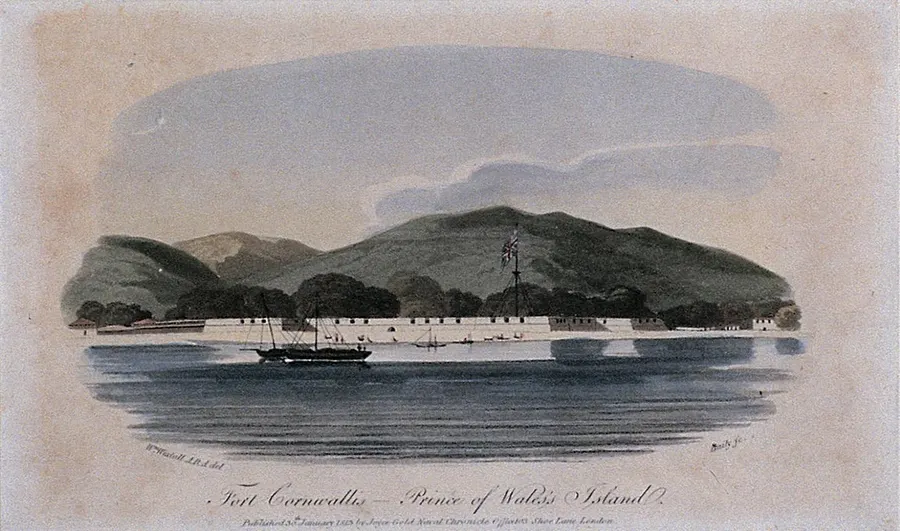
Fort Cornwallis on Prince of Wales Island, as Penang was then called, in an engraving by James Baily after William WestallFort Cornwallis on Prince of Wales Island, as Penang was then called, in an engraving by James Baily after William WestallImage: James Baily / After William Westall · Public domain
world · Asia

Francis Light takes possession of Penang for the East India Company

The British East India Company wanted a harbour on the eastern side of the Bay of Bengal where its ships could shelter and refit, and a base for trade with the Malay world and China. Francis Light, an English sea captain who had traded in the region for years, persuaded the Sultan of Kedah, who feared attack by Siam and Burma, to let the Company settle the island of Penang, off the west coast of the Malay peninsula, in return for money and, he hoped, protection. Light landed with a small party in July 1786, and on 11 August 1786 he formally took possession, raising the British flag and naming the island Prince of Wales Island. He made it a free port, and traders and settlers from China, India, Sumatra and beyond soon crowded into the new town of George Town. The promised military help to Kedah never came. In 1826 Penang was joined with Malacca and Singapore as the Straits Settlements, and George Town is now a UNESCO World Heritage Site.

Source: Britannica: Francis Light ↗
IV
THE NINETEENTH CENTURY

The 1800s

Industry, empire, invention, reform and a century of enormous transformation.

1804
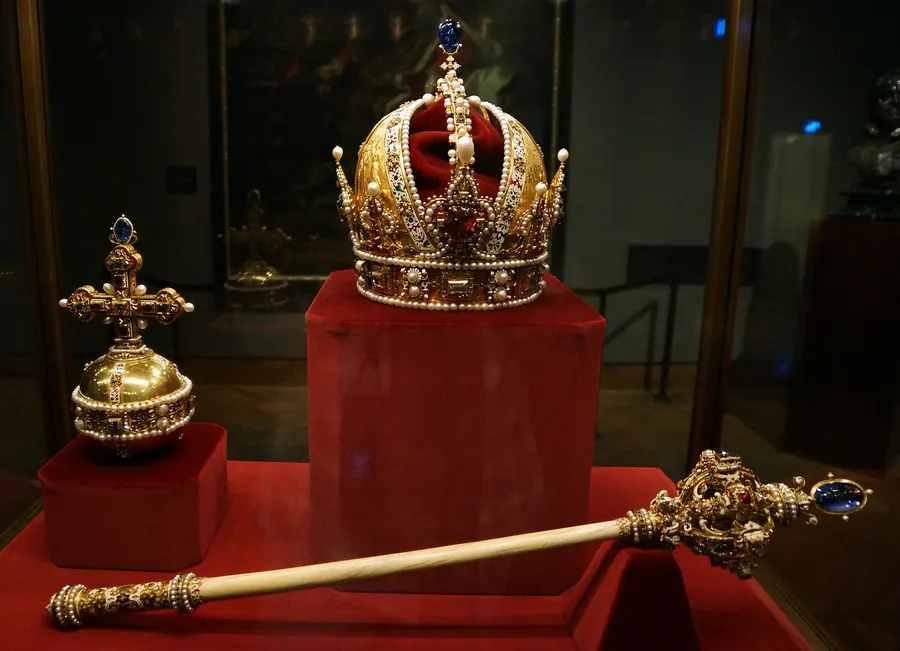
The imperial crown, orb and sceptre of Austria in the Imperial Treasury at the Hofburg in ViennaThe imperial crown, orb and sceptre of Austria in the Imperial Treasury at the Hofburg in ViennaImage: Bede735c · CC BY-SA 3.0
politics · Europe

Francis II makes himself Emperor of Austria

In May 1804 Napoleon had himself proclaimed Emperor of the French. The Habsburg ruler Francis II, Holy Roman Emperor, feared that his own ancient title, weakened by French victories, would soon be worth little. On 11 August 1804 he issued a patent taking the new, hereditary title of Emperor of Austria, as Francis I, without any coronation. Two years later he gave up the Holy Roman crown, and the Austrian Empire lasted until 1918.

Source: Die Welt der Habsburger: The foundation of the Empire of Austria in 1804 ↗
1858
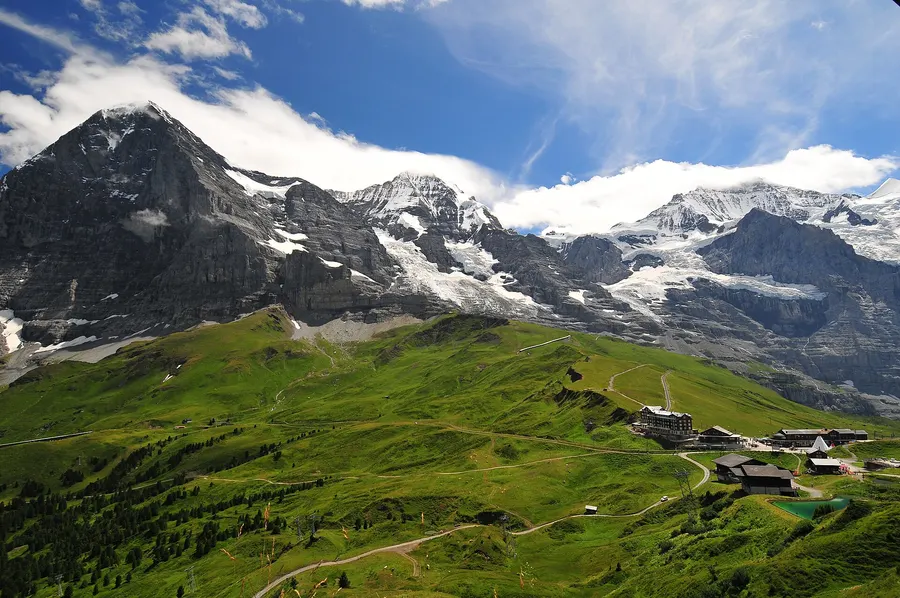
The Eiger, left, with the Mönch and the Jungfrau, seen from Kleine Scheidegg above GrindelwaldThe Eiger, left, with the Mönch and the Jungfrau, seen from Kleine Scheidegg above GrindelwaldImage: Stéphane Enten · CC BY-SA 2.0
sport · Europe

Charles Barrington makes the first ascent of the Eiger

The Eiger, nearly 4,000 metres high, towers over the village of Grindelwald in the Bernese Alps, and two earlier attempts to climb it had failed. In August 1858 Charles Barrington, a young Irishman on his first and only visit to Switzerland, climbed the Jungfrau with the Grindelwald guides Christian Almer and Peter Bohren. Back in Grindelwald, when he said he did not think much of what he had done, other climbers told him to try the Eiger or the Matterhorn. He set out from the hotel on the Wengernalp at 3.30 in the morning on 11 August 1858. Instead of the route tried before, he chose to go straight up the steep rocks, and when his guides refused he started alone until they followed. The guides let him be first on the summit, which they reached at noon, and they were back in four hours, narrowly escaping an avalanche. Doubters at the hotel were convinced only when a telescope showed the flag they had left on top.

Source: Alpine Journal (1883): The first ascent of the Eiger, letter of Charles Barrington ↗
V
THE TWENTIETH CENTURY

The 1900s

War and peace, technological leaps, social change, politics, sport and popular culture.

1920
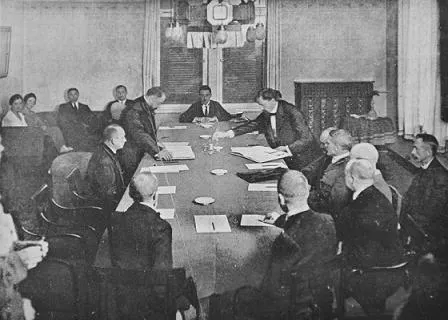
The signing of the peace treaty between Latvia and Soviet Russia in Riga in 1920The signing of the peace treaty between Latvia and Soviet Russia in Riga in 1920Image: Unknown author · Public domain
politics · Europe

Soviet Russia recognises Latvia’s independence

Latvia proclaimed its independence in November 1918 and fought for two years against Soviet Russian forces and German troops to keep it. On 11 August 1920 delegates of Latvia and Soviet Russia signed a peace treaty at the Latvian foreign ministry in Riga, in which Russia recognised Latvia’s independence and gave up for ever all claims to its people and territory. Twenty years later, in 1940, the Soviet Union occupied Latvia.

Source: Ministry of Foreign Affairs of Latvia: The centenary of signing the Latvia-Russia Peace Treaty marked in Riga ↗
1942
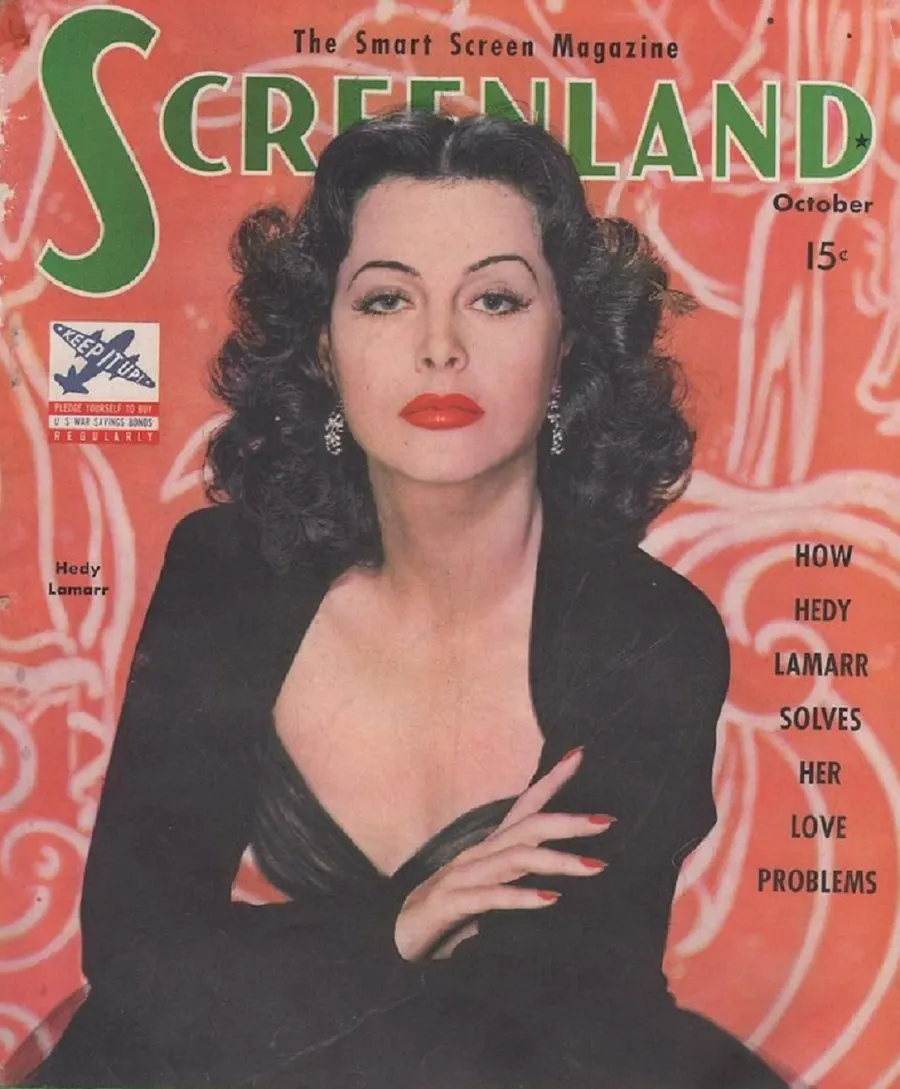
Hedy Lamarr on the cover of the film magazine Screenland in October 1942, two months after her patent was grantedHedy Lamarr on the cover of the film magazine Screenland in October 1942, two months after her patent was grantedImage: Screenland magazine (photographer not credited) · Public domain
science · Americas

Hedy Lamarr and George Antheil patent frequency hopping

Hedy Lamarr was born Hedwig Kiesler in Vienna and became one of Hollywood’s biggest stars, but she was also a keen inventor. Soon after the Second World War began she and her neighbour, the composer George Antheil, set out to solve a military problem: a radio-guided torpedo could easily be jammed or thrown off course if the enemy found the frequency it was controlled on. Their answer was to make the signal hop between frequencies in a pattern known only to the sender and the receiver, kept in step by perforated rolls like those of a player piano, with 88 frequencies to match a piano’s 88 keys. They filed the patent in June 1941, and on 11 August 1942 it was granted as US Patent 2,292,387, ‘Secret Communication System’, in the name of Hedy Kiesler Markey. The US Navy did not take it up in the war, but frequency hopping was later used in military radio and is an ancestor of techniques used in wireless technology today.

Source: Smithsonian National Museum of American History: H.K. Markey et al., Secret Communication System (US Patent 2,292,387) ↗
1952
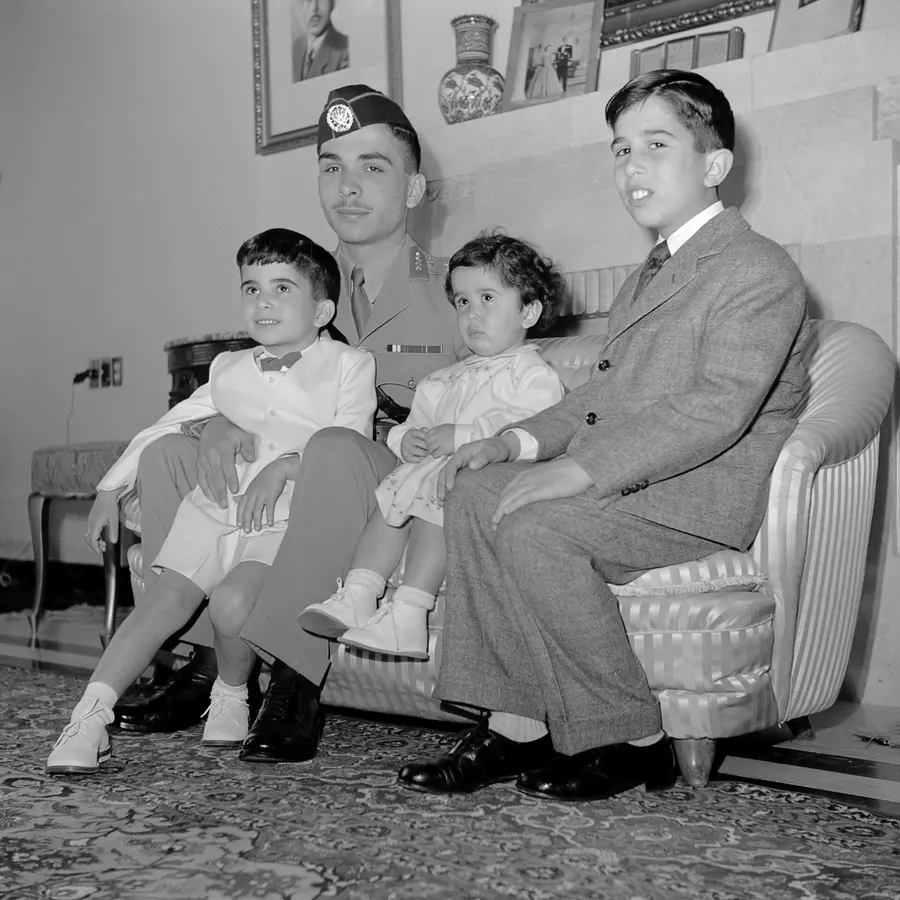
King Hussein of Jordan, in uniform, with his brothers and sister in 1953, the year he came of age and took up his powersKing Hussein of Jordan, in uniform, with his brothers and sister in 1953, the year he came of age and took up his powersImage: Willem van de Poll · CC0
politics · Middle East

Sixteen-year-old Hussein is proclaimed King of Jordan

In July 1951 King Abdullah I of Jordan was shot dead at the al-Aqsa mosque in Jerusalem, with his 15-year-old grandson Hussein at his side. Abdullah’s son Talal became king, and gave Jordan a new, more liberal constitution in 1952, but he suffered from serious mental illness and spent long periods abroad for treatment. On 11 August 1952 the Jordanian parliament, meeting in a special session, declared Talal unfit to rule and proclaimed his eldest son Hussein king. Hussein was 16 and a schoolboy at Harrow in England, so a regency council governed until he came of age under the Islamic calendar and took up his constitutional powers on 2 May 1953. He went on to reign for almost 47 years, through wars with Israel, the loss of the West Bank in 1967 and civil war in 1970, and made peace with Israel in 1994.

Source: The Royal Hashemite Court: King Hussein bin Talal (1935-1999) ↗
1960
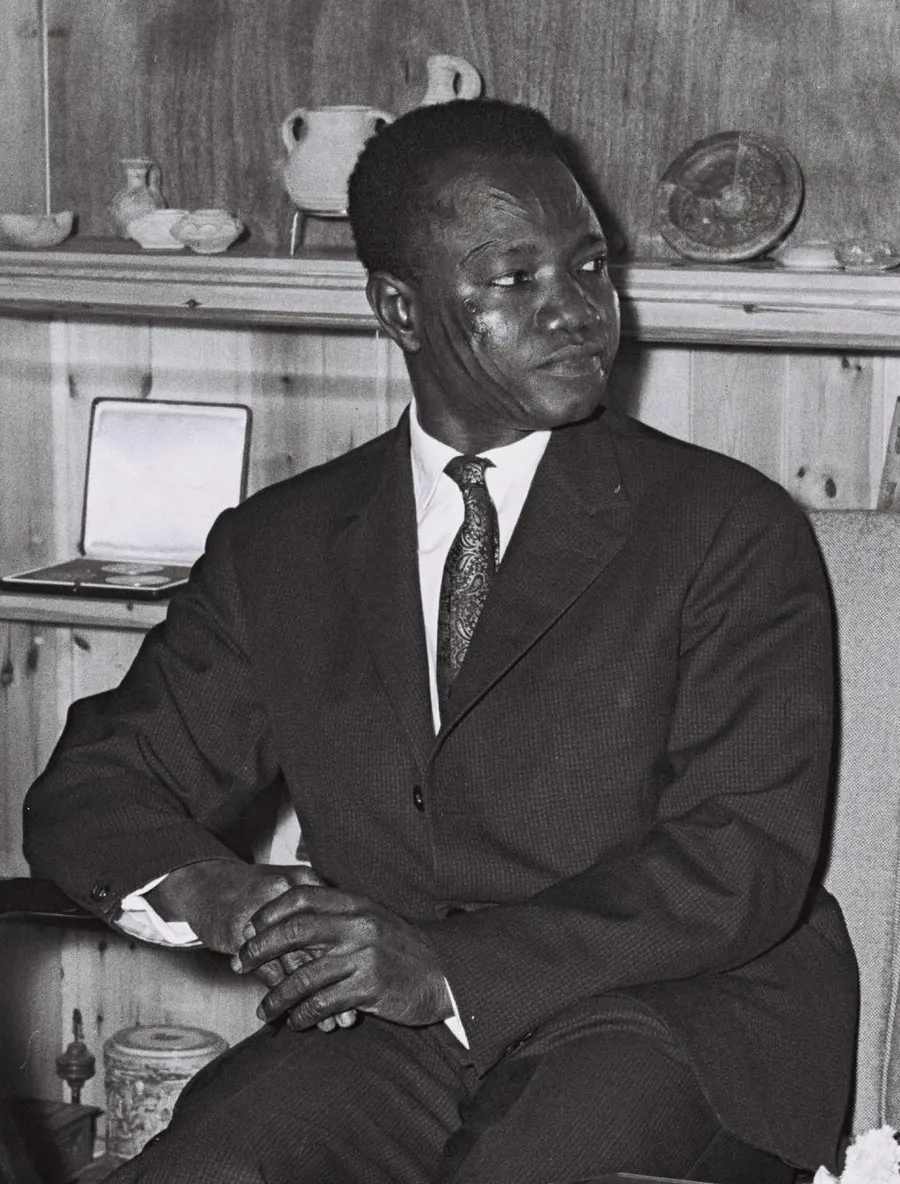
François Tombalbaye, who led Chad to independence and became its first president, photographed in 1959François Tombalbaye, who led Chad to independence and became its first president, photographed in 1959Image: Moshe Pridan · Public domain

politics · Africa

Chad becomes independent from France

Chad, a vast country stretching from the Sahara in the north to the savannahs of the south, was conquered by France around 1900 and ruled as the most remote colony of French Equatorial Africa. After the Second World War its people gained seats in the French parliament, and in 1958 Chad voted to become a self-governing republic within the new French Community. Its leading politician was François Tombalbaye, a southern teacher and trade unionist who headed the Chadian Progressive Party. On 11 August 1960 Chad became fully independent, one of more than a dozen French African colonies to do so that year, and Tombalbaye became its first president. The new state inherited deep divisions between the mostly Christian and animist south, which dominated the government, and the largely Muslim north and east. A tax revolt in 1965 grew into a long civil war, and Tombalbaye was overthrown and killed in a military coup in 1975. Chad celebrates 11 August as its Independence Day.

Source: Britannica: Chad, Independence ↗
1973
The apartment building at 1520 Sedgwick Avenue in the Bronx, where DJ Kool Herc played at his sister's party in 1973The apartment building at 1520 Sedgwick Avenue in the Bronx, where DJ Kool Herc played at his sister’s party in 1973Image: Bigtimepeace · Public domain

culture · Americas

DJ Kool Herc’s ‘Back to School Jam’ in the Bronx

In the early 1970s the Bronx in New York was one of the poorest places in the United States, but its young people had a thriving party scene. Clive Campbell had come to the Bronx from Jamaica as a boy, bringing with him the Jamaican tradition of sound systems, and he had built up a powerful set of speakers. His sister Cindy decided to throw a party to raise money for new clothes for the school year. On 11 August 1973 the ‘Back to School Jam’ was held in the recreation room of their apartment building at 1520 Sedgwick Avenue, with Clive, as DJ Kool Herc, playing the records. Noticing that dancers went wild for the short instrumental ‘breaks’ in funk records, he used two copies of the same record on two turntables to switch between them and stretch a break out for as long as he liked. The dancers who performed to them became b-boys and b-girls, and the night is widely remembered as the birth of hip hop.

Source: Library of Congress, Congress.gov: S.Res.305, commemorating the 50th anniversary of hip hop ↗
1999
The total eclipse of 11 August 1999 photographed from Salzburg in AustriaThe total eclipse of 11 August 1999 photographed from Salzburg in AustriaImage: Michele Ferraris · CC BY-SA 4.0
science · Europe

The last total eclipse of the millennium crosses Europe and Asia

On 11 August 1999 the Moon’s shadow touched down in the Atlantic, reached the coast of Cornwall at 10.11 Universal Time and then raced across northern France, southern Germany, Austria, Hungary and Romania before crossing Turkey, Iran, Pakistan and India, leaving the Earth over the Bay of Bengal. Millions of people watched, although clouds hid the Sun from many in England and France. It was the last total eclipse of the Sun of the second millennium.

Source: NASA Goddard Space Flight Center: 1999 total solar eclipse, path description ↗
VI
2000 TO TODAY

Modern Day

The events of recent decades that have already become part of the historical record.

2003
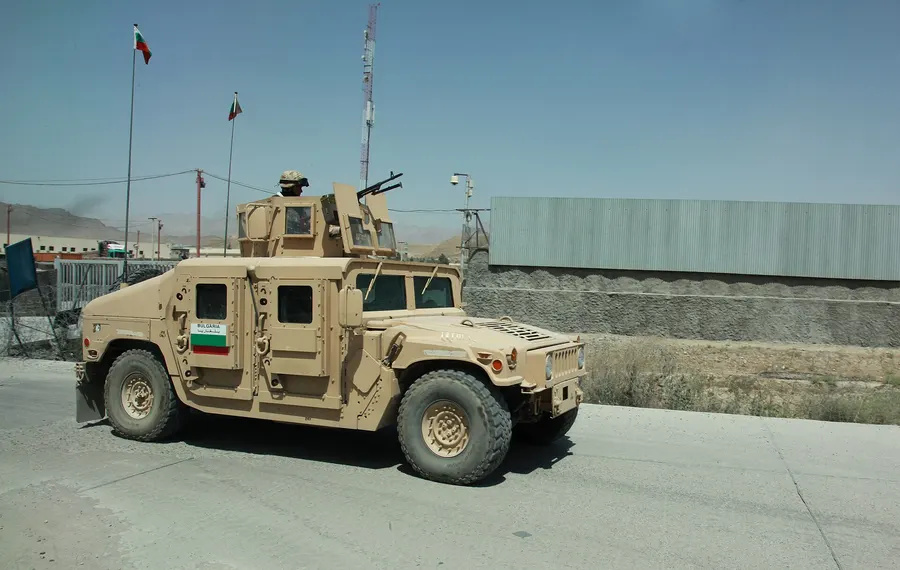
A Bulgarian army vehicle serving with the coalition forces in Kabul in 2009A Bulgarian army vehicle serving with the coalition forces in Kabul in 2009Image: SGT Teddy Wade · Public domain
world · Asia

NATO takes command of the peacekeeping force in Afghanistan

After the fall of the Taliban in 2001, the United Nations authorised an International Security Assistance Force to help keep order in and around Kabul, led in turn by different countries for six months at a time. On 11 August 2003 NATO took over command of the force, the first mission in the alliance’s history outside Europe and North America. ISAF later spread across the whole country and ended its mission in December 2014.

Source: NATO: ISAF’s mission in Afghanistan (2001-2014) ↗
RESEARCH

Sources & Further Reading

Selected authoritative references supporting the events on this page.

WHY THESE MOMENTS?

Significance before volume

This page is not the longest possible list of events. It is a chronological journey through 11 August, where each entry is chosen for historical significance, human interest and reliability.

Facts are checked against authoritative museums, archives, universities and reference works. Where sources disagree, the page says so.

EXPLORED THE DEEPER STORY?

Return to the highlights of 11 August

Discover the lighter side of the date with famous birthdays, culture, firsts and lives remembered.

Explore This Day →
← PREVIOUS DAY10 August
HISTORY & TIMELINE11 August
NEXT DAY →12 August