
HISTORY & TIMELINE
4 August

A journey through
4 August in history

The story of 4 August runs from Simon de Montfort’s last stand at Evesham in 1265 to a blast that wrecked the port of Beirut in 2020. In between come the Battle of the Three Kings in Morocco, the Great Peace of Montreal, Mozart’s wedding in Vienna, the night the French Assembly abolished feudalism, Britain’s entry into the First World War, the treaty that sold the Danish West Indies to the United States, Anne Frank’s arrest, Asia’s first research reactor outside the Soviet Union, Fangio’s greatest drive, a phantom attack in the Gulf of Tonkin, the birth of Burkina Faso and the launch of NASA’s Phoenix lander.

II
THE MIDDLE AGES

Medieval History

Kingdoms, conflict, faith, power and the changing medieval world.

1265
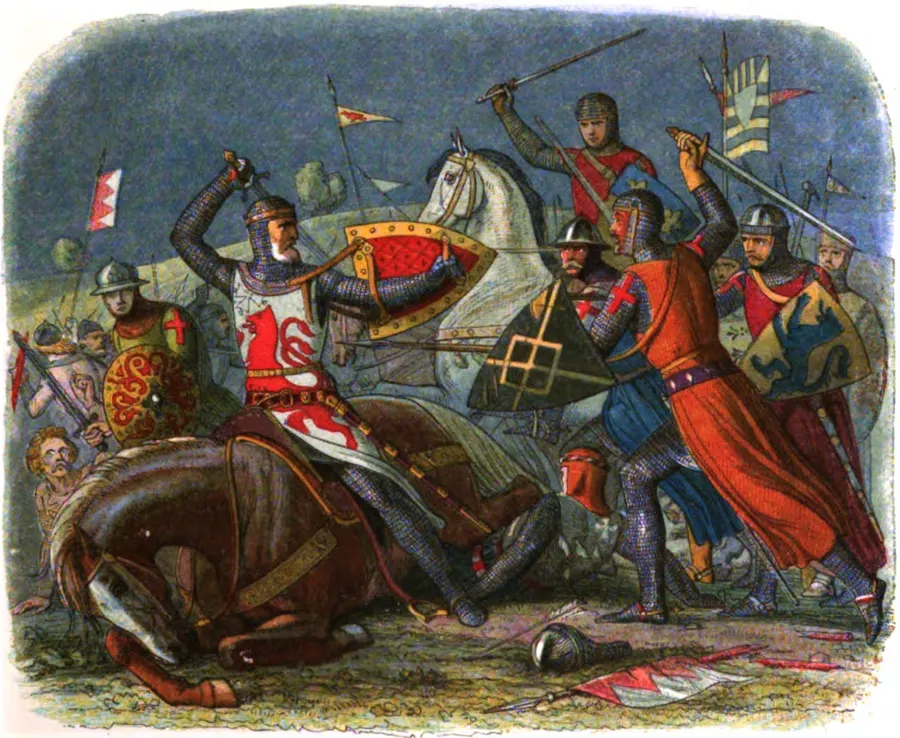
The death of Simon de Montfort at Evesham, from James Doyle's illustrated A Chronicle of England, 1864The death of Simon de Montfort at Evesham, from James Doyle’s illustrated A Chronicle of England, 1864Image: James William Edmund Doyle / Edmund Evans · Public domain
world · Europe

Simon de Montfort is killed at the Battle of Evesham

After defeating Henry III at Lewes in 1264, Simon de Montfort had ruled England in the king’s name. But the king’s son, the future Edward I, escaped captivity and raised an army. On 4 August 1265 he trapped Montfort’s smaller force in a loop of the river Avon at Evesham. Montfort charged uphill and was cut down along with his son Henry and many of his men. His death ended the baronial reform movement, although resistance lingered until 1267.

Source: The National Archives: Battle of Evesham ↗
III
A CHANGING WORLD

Early Modern Era

Exploration, political change, scientific development and expanding global connections.

1578
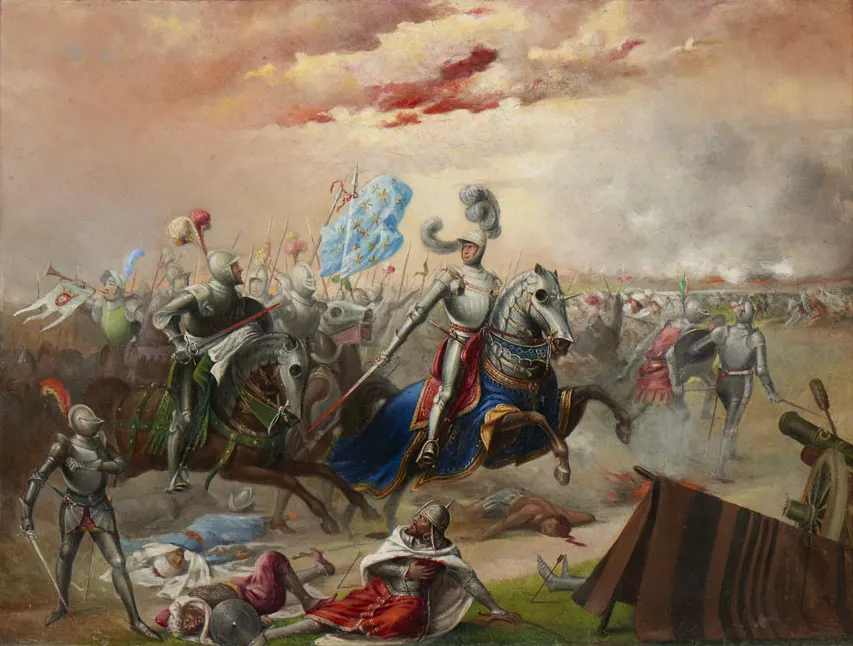
Portuguese knights in the fighting at Alcácer Quibir, in a later painting of the battlePortuguese knights in the fighting at Alcácer Quibir, in a later painting of the battleImage: Unknown artist · Public domain
world · Africa

King Sebastian of Portugal dies at the Battle of the Three Kings

Sebastian became King of Portugal as a small child and grew up dreaming of a crusade in North Africa. In 1578, aged 24, he saw his chance when a deposed Moroccan sultan, al-Mutawakkil, asked for help against his uncle, the Saadian sultan Abd al-Malik. Against much advice, Sebastian landed with an army of about 20,000 men, weighed down with artillery and baggage, and marched inland. On 4 August 1578 the two sides met near Ksar el-Kebir, known to the Portuguese as Alcácer Quibir. The Moroccan army was far larger, and the Portuguese were routed; many drowned trying to cross a river swollen by the tide. Sebastian and al-Mutawakkil were both killed, and Abd al-Malik, already gravely ill, also died, giving the battle its name. Sebastian left no heir, and two years later Philip II of Spain took the Portuguese crown. Many Portuguese refused to believe their king was dead and long awaited his return.

Source: Britannica: Battle of the Three Kings ↗
1701
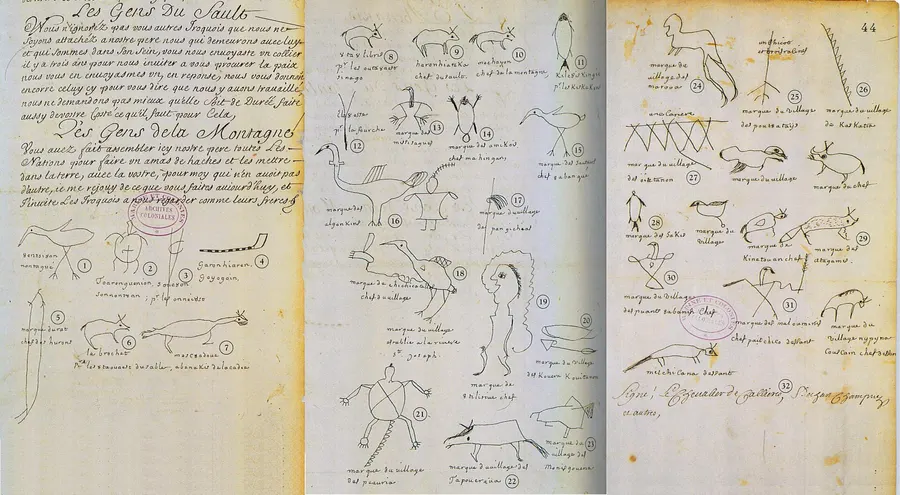
The treaty of the Great Peace of Montreal, with the pictographic marks of the Indigenous nations that signed itThe treaty of the Great Peace of Montreal, with the pictographic marks of the Indigenous nations that signed itImage: Secrétaire de Callière et autre main (pour les pictogrammes) · Public domain

politics · Americas

The Great Peace of Montreal ends a century of wars

For most of the 1600s the French in Canada and their Indigenous allies had fought the Haudenosaunee (Iroquois) Confederacy. In the summer of 1701 about 1,300 delegates from more than 30 nations gathered at Montreal to make peace, hosted by the governor, Louis-Hector de Callière. On 4 August 1701 the treaty was concluded, with many chiefs signing using the symbols of their clans. The Haudenosaunee also agreed to stay neutral in future wars between France and England.

Source: The Canadian Encyclopedia: Great Peace of Montreal, 1701 ↗
1782
Constanze Mozart, painted by Hans Hansen in 1802, eleven years after her husband's deathConstanze Mozart, painted by Hans Hansen in 1802, eleven years after her husband’s deathImage: Hans Hansen · Public domain
culture · Europe

Mozart marries Constanze Weber in Vienna

In 1781 Wolfgang Amadeus Mozart broke with his employer, the Archbishop of Salzburg, and settled in Vienna to make his living as a freelance composer, performer and teacher. He took lodgings with the Weber family, whom he had known for years; he had once been in love with the second daughter, the singer Aloysia. Now he fell for her younger sister Constanze, to the dismay of his father, Leopold. The couple married in St Stephen’s Cathedral on 4 August 1782, a few weeks after the premiere of Mozart’s opera The Abduction from the Seraglio, whose heroine is also called Constanze. They had six children, of whom only two survived infancy. The marriage lasted until Mozart’s death in 1791. Constanze then worked hard to promote and publish his music, and with her second husband, Georg Nikolaus von Nissen, gathered material for one of the first biographies of the composer.

Source: Wien Geschichte Wiki (City of Vienna): Constanze Mozart ↗
1789
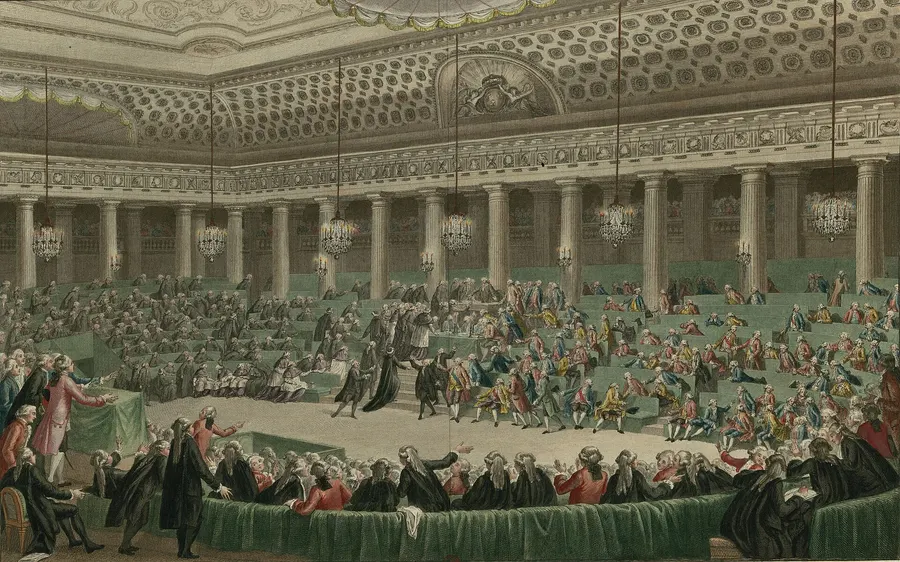
The National Assembly at Versailles during the night session of 4 to 5 August 1789, in a coloured engraving by Isidore Helman after Charles MonnetThe National Assembly at Versailles during the night session of 4 to 5 August 1789, in a coloured engraving by Isidore Helman after Charles MonnetImage: Charles Monnet / Isidore Helman (graveur) · Public domain
politics · Europe

The French Assembly abolishes feudal privilege in a single night

In the weeks after the fall of the Bastille a wave of rumour and panic, the Great Fear, swept the French countryside. Peasants attacked châteaux and burned the records of the dues they owed their lords. The deputies of the new National Assembly at Versailles, many of them landowners, needed a way to calm the countryside without simply sending in troops. On the evening of 4 August 1789 liberal nobles rose to give up their own feudal rights, and the mood caught fire. Through the night, deputy after deputy renounced privileges: labour services, lords’ courts and hunting rights, church tithes, the sale of public offices and the special rights of provinces and towns. The decrees were written up over the following days and finalised on 11 August. Many dues were to end only when peasants paid compensation, but the night of 4 August is remembered as the end of the old feudal order in France.

Source: Britannica: France, the abolition of feudalism ↗
V
THE TWENTIETH CENTURY

The 1900s

War and peace, technological leaps, social change, politics, sport and popular culture.

1914
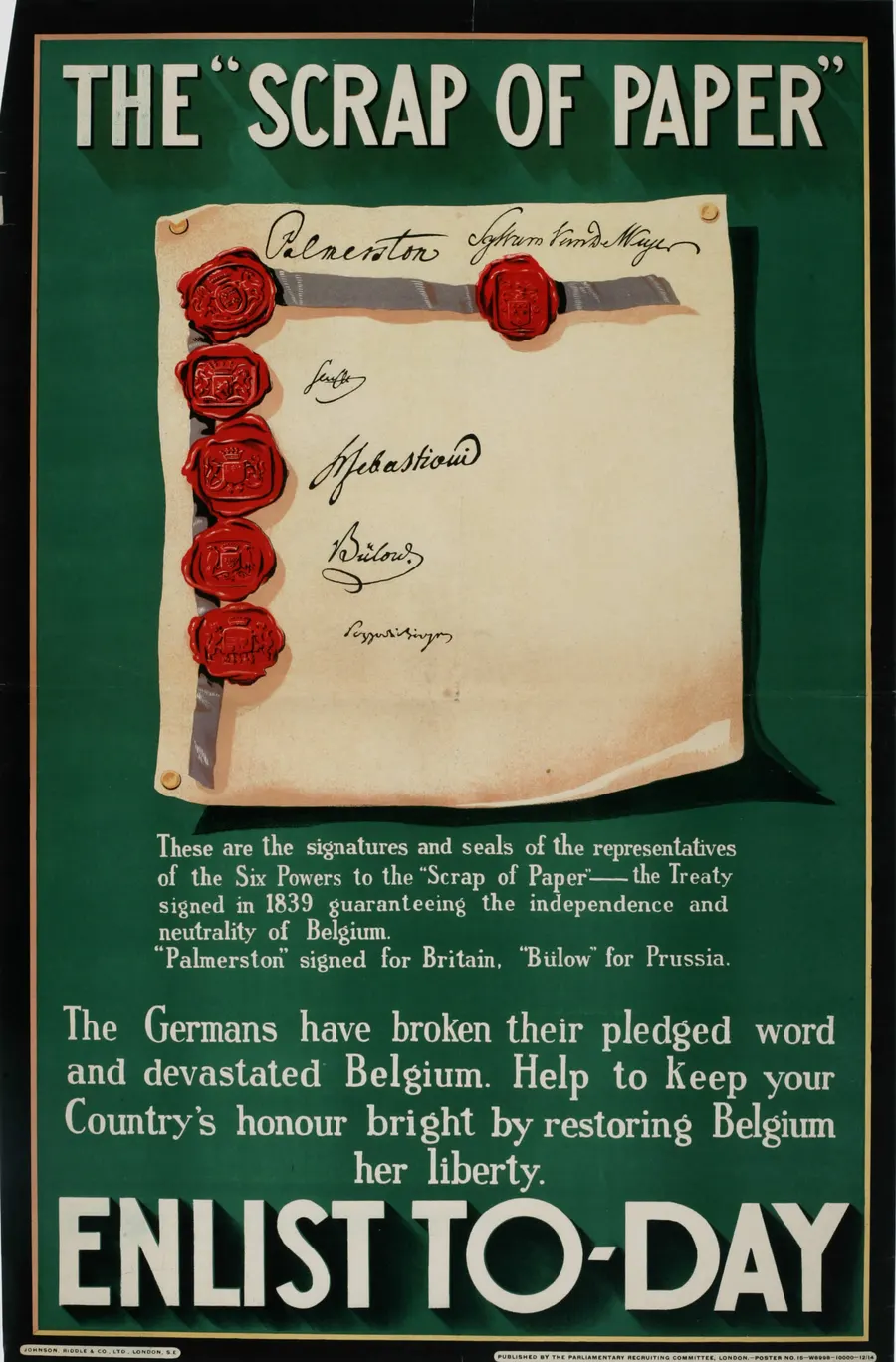
A British recruiting poster of 1914, 'The Scrap of Paper', showing the 1839 treaty that guaranteed Belgium's neutralityA British recruiting poster of 1914, ‘The Scrap of Paper’, showing the 1839 treaty that guaranteed Belgium’s neutralityImage: Johnson, Riddle & Co. Ltd. · Public domain
world · Europe

Britain declares war on Germany over the invasion of Belgium

When war broke out between the great powers of Europe in the summer of 1914, Britain at first hesitated. It had understandings with France and Russia but no firm alliance obliging it to fight. What tipped the balance was Belgium. Under the Treaty of London of 1839 Britain, like Prussia, had promised to respect Belgian neutrality, and Germany’s war plan depended on marching through Belgium to strike at France. German troops crossed the Belgian border on the morning of 4 August 1914. That afternoon the British government sent Berlin an ultimatum demanding that Belgian neutrality be respected, with a deadline of 11 p.m. London time. No satisfactory reply came, and when the deadline passed Britain was at war with Germany, bringing in the dominions and colonies of its empire with it. Crowds gathered outside Buckingham Palace that night. Few imagined that the fighting would last more than four years and cost millions of lives.

Source: Imperial War Museums: The outbreak of the First World War in 1914 ↗
1916
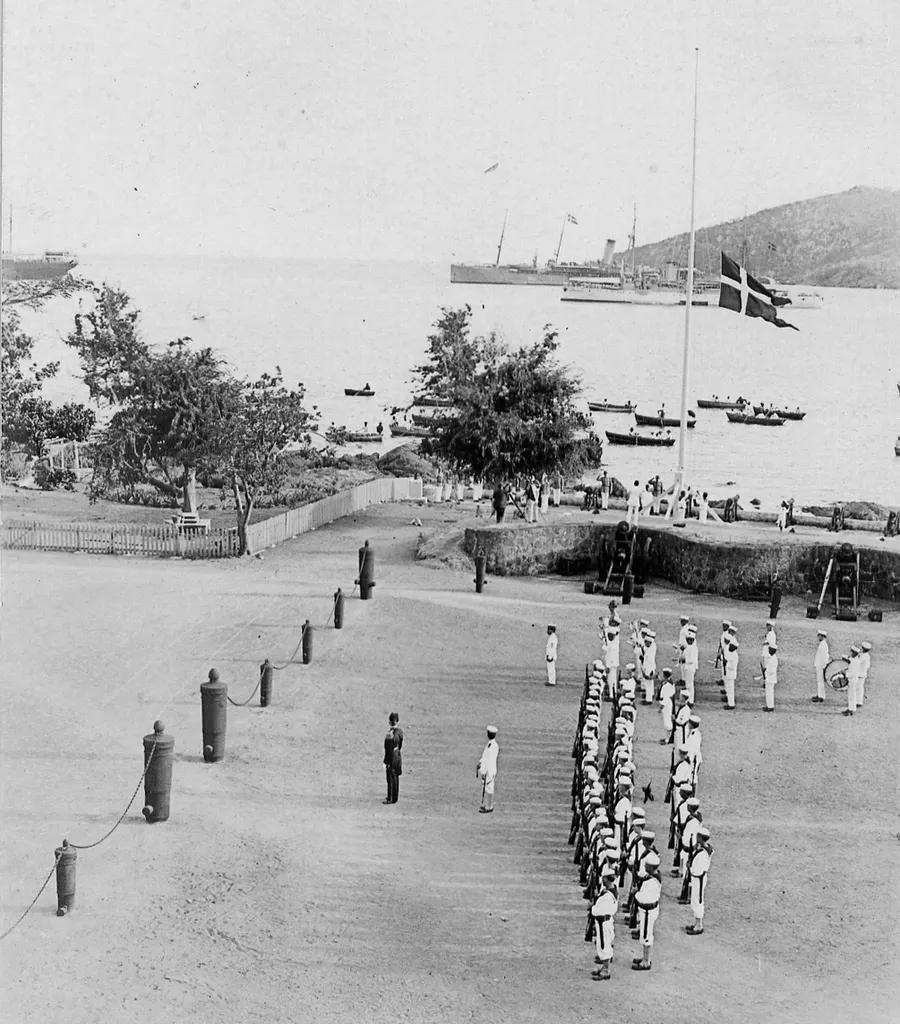
The last Danish military parade on St Croix before the islands passed to the United States in 1917The last Danish military parade on St Croix before the islands passed to the United States in 1917Image: Orlogsmuseets Archive · Public domain
politics · Americas

Denmark agrees to sell its Caribbean islands to the United States

The United States had tried to buy Denmark’s Caribbean islands of St Thomas, St John and St Croix since the 1860s. During the First World War the fear that Germany might seize them as a naval base near the Panama Canal revived the idea. On 4 August 1916 the two countries signed a convention in New York selling the islands for 25 million dollars. The transfer took place on 31 March 1917, and the islands became the US Virgin Islands.

Source: Library of Congress: Convention between the United States and Denmark, cession of the Danish West Indies, 1916 ↗
1944
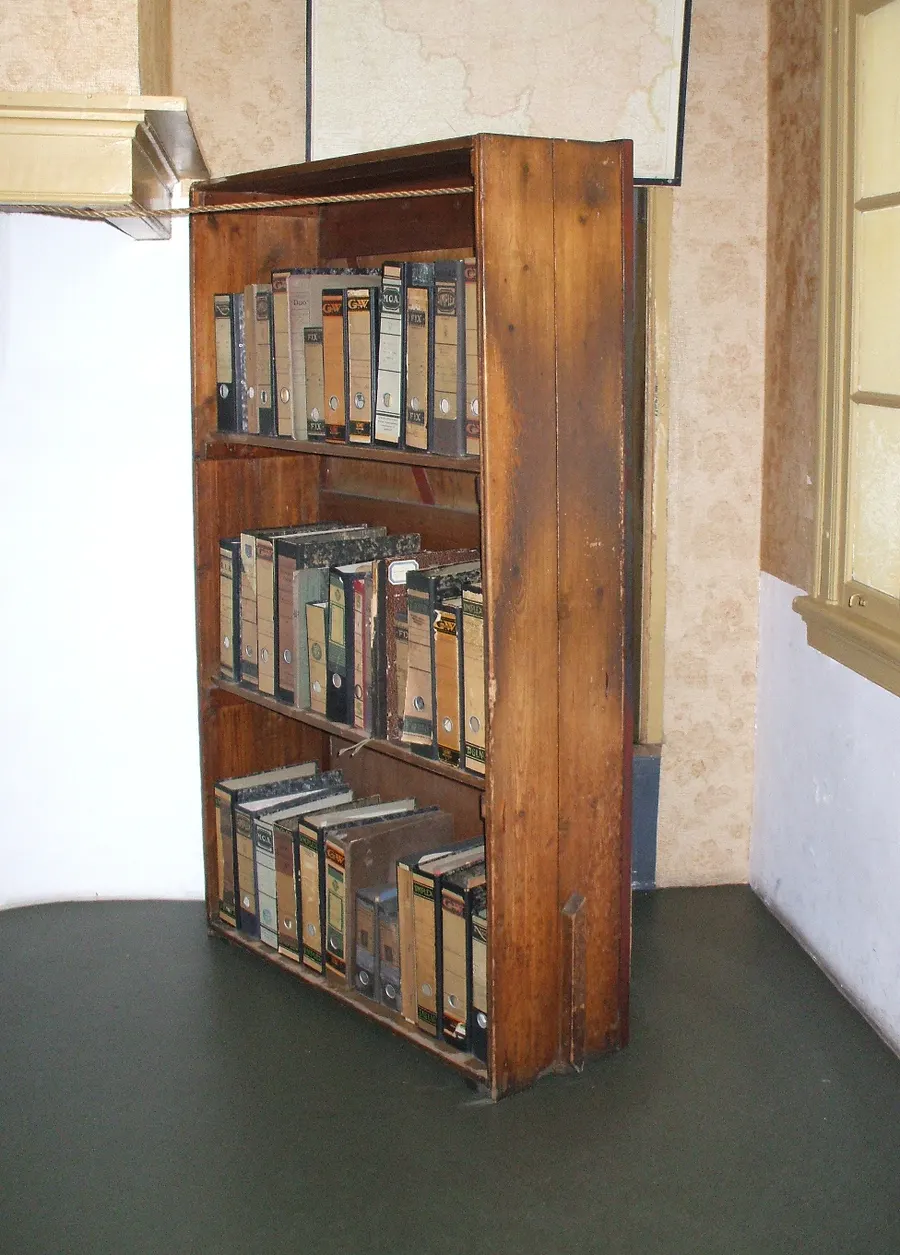
The bookcase that hid the entrance to the Secret Annex, now part of the Anne Frank House in AmsterdamThe bookcase that hid the entrance to the Secret Annex, now part of the Anne Frank House in AmsterdamImage: Bungle · CC BY-SA 3.0
world · Europe

Anne Frank and the people in the Secret Annex are arrested

In July 1942, as the deportation of Jews from the occupied Netherlands began, the Frank family went into hiding in rooms at the back of Otto Frank’s business premises at Prinsengracht 263 in Amsterdam. Four more people later joined them. The entrance was hidden behind a movable bookcase, and a small group of Otto Frank’s staff brought them food and news. For two years Anne, who turned 13 just before going into hiding, kept a diary. On the morning of 4 August 1944 police led by an SS officer, Karl Silberbauer, entered the building, found the entrance to the annex and arrested all eight people in hiding, along with two of their helpers. How the police came to search the building has never been settled. The eight were sent to Westerbork and then to Auschwitz. Anne and her sister Margot died at Bergen-Belsen in early 1945; only Otto Frank survived. Miep Gies had saved Anne’s diary, and it was published in 1947.

Source: Anne Frank House: Reconstruction, the arrest of the people in hiding ↗
1956
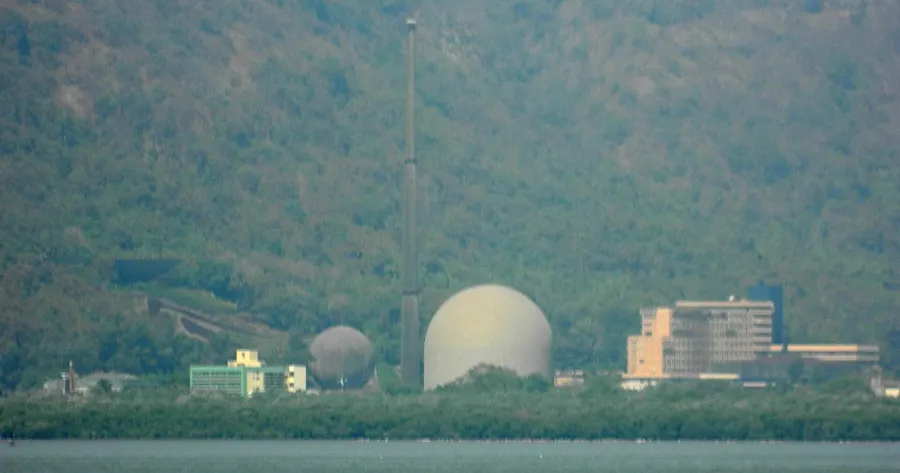
Reactor buildings at the Bhabha Atomic Research Centre, TrombayReactor buildings at the Bhabha Atomic Research Centre, TrombayImage: Sobarwiki · Public domain
science · Asia

India’s Apsara reactor goes critical at Trombay

Under the physicist Homi Bhabha, India set out soon after independence to build its own nuclear research base at Trombay, near Bombay. Its first reactor, Apsara, a small pool-type research reactor built in record time by Indian scientists and engineers, went critical at 3.45 p.m. on 4 August 1956. It was the first research reactor in Asia outside the Soviet Union, and Jawaharlal Nehru dedicated it to the nation in January 1957.

Source: Bhabha Atomic Research Centre: Apsara ↗
1957
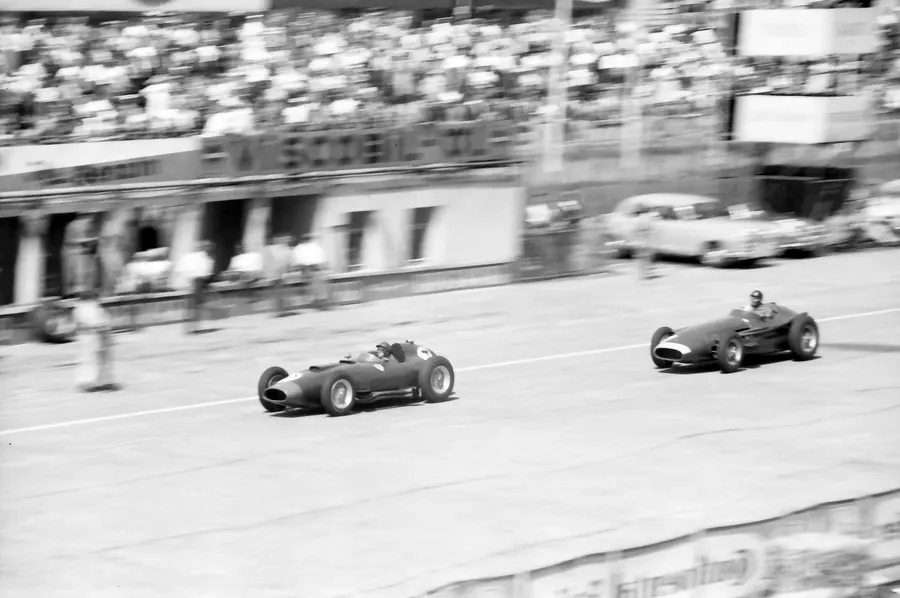
Juan Manuel Fangio's Maserati chases Peter Collins's Ferrari at the Nürburgring during the 1957 German Grand PrixJuan Manuel Fangio’s Maserati chases Peter Collins’s Ferrari at the Nürburgring during the 1957 German Grand PrixImage: Willy Pragher · CC BY 3.0
sport · Europe

Fangio wins the German Grand Prix in the drive of his life

The Argentine driver Juan Manuel Fangio was 46 and already a four-time world champion when he arrived at the Nürburgring in 1957. The circuit’s Nordschleife, more than 22 kilometres of twisting road through the Eifel forests, was the most demanding in motor racing. Fangio’s Maserati started with a half-full tank, planning to build a lead and then stop for fuel and tyres, while the Ferraris of Mike Hawthorn and Peter Collins ran without a stop. The plan went wrong when his pit stop on 4 August 1957 took far longer than expected, and Fangio rejoined almost a minute behind the two Ferraris. He then broke the lap record again and again, taking corners in higher gears than he had ever dared, caught the pair and took the lead on the penultimate lap. The win sealed his fifth world championship. It was the last of his 24 Grand Prix victories, and many still call it the greatest drive in Formula One history.

Source: Formula 1: Greatest races, Juan Manuel Fangio at the 1957 German Grand Prix ↗
1964
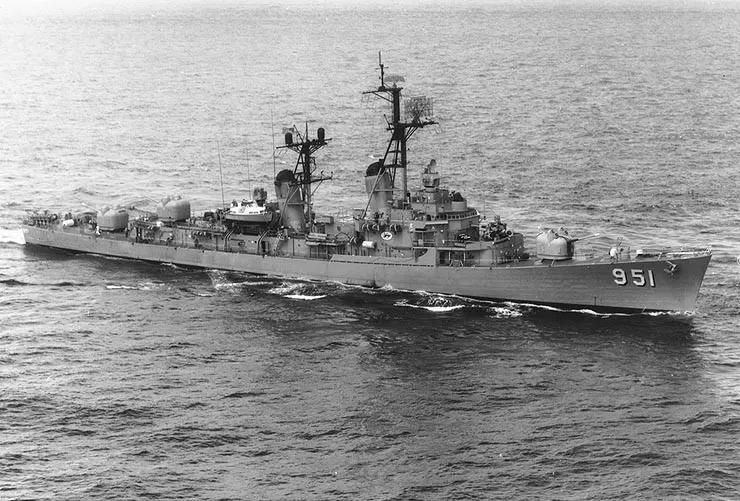
The destroyer USS Turner Joy at sea in May 1964, three months before the Gulf of Tonkin incidentsThe destroyer USS Turner Joy at sea in May 1964, three months before the Gulf of Tonkin incidentsImage: PH1 Moen, U.S. Navy, of USS Kitty Hawk (CVA-63) · Public domain
world · Asia

A reported attack in the Gulf of Tonkin that never happened

On 2 August 1964 the US destroyer Maddox exchanged fire with North Vietnamese torpedo boats in the Gulf of Tonkin. On the stormy night of 4 August the Maddox and the Turner Joy reported a second attack, and President Lyndon Johnson ordered air strikes in reply, even as the Maddox’s captain cabled his doubts. Congress soon passed the Gulf of Tonkin Resolution, opening the way to a much larger US war in Vietnam. Later evidence showed the second attack had not taken place.

Source: US Department of State, Office of the Historian: The Gulf of Tonkin incident, 1964 ↗
1984
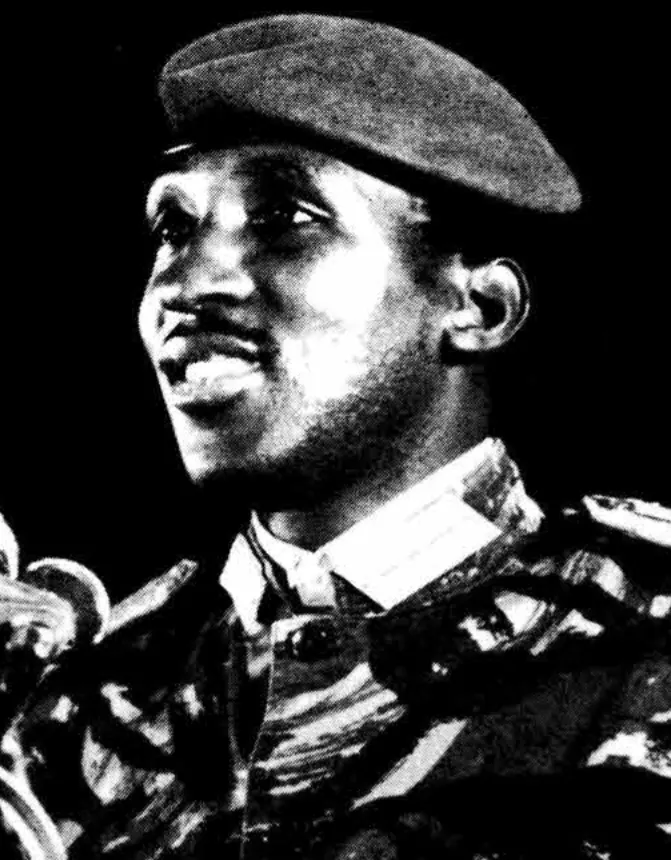
Thomas Sankara speaking in Harlem, New York, in 1984, the year he renamed his countryThomas Sankara speaking in Harlem, New York, in 1984, the year he renamed his countryImage: The Militant/ Ernest Harsch · Public domain
politics · Africa

Upper Volta becomes Burkina Faso

The West African state of Upper Volta, named after the upper reaches of the Volta river, won its independence from France in 1960. Its first decades were marked by poverty and a series of military coups. On 4 August 1983 a young army captain, Thomas Sankara, seized power at the head of a radical National Revolutionary Council, promising to fight corruption and make the country less dependent on foreign aid. Exactly a year later, on 4 August 1984, Sankara gave the country a new name: Burkina Faso, made from words in two of its main languages and usually translated as ‘land of incorruptible people’ or ‘land of upright people’. A new flag and anthem followed. Sankara launched mass vaccination and tree-planting campaigns and championed women’s rights, but ruled without elections and was killed in a coup in 1987. The name he chose has remained.

Source: Britannica: Burkina Faso, independence ↗
VI
2000 TO TODAY

Modern Day

The events of recent decades that have already become part of the historical record.

2007
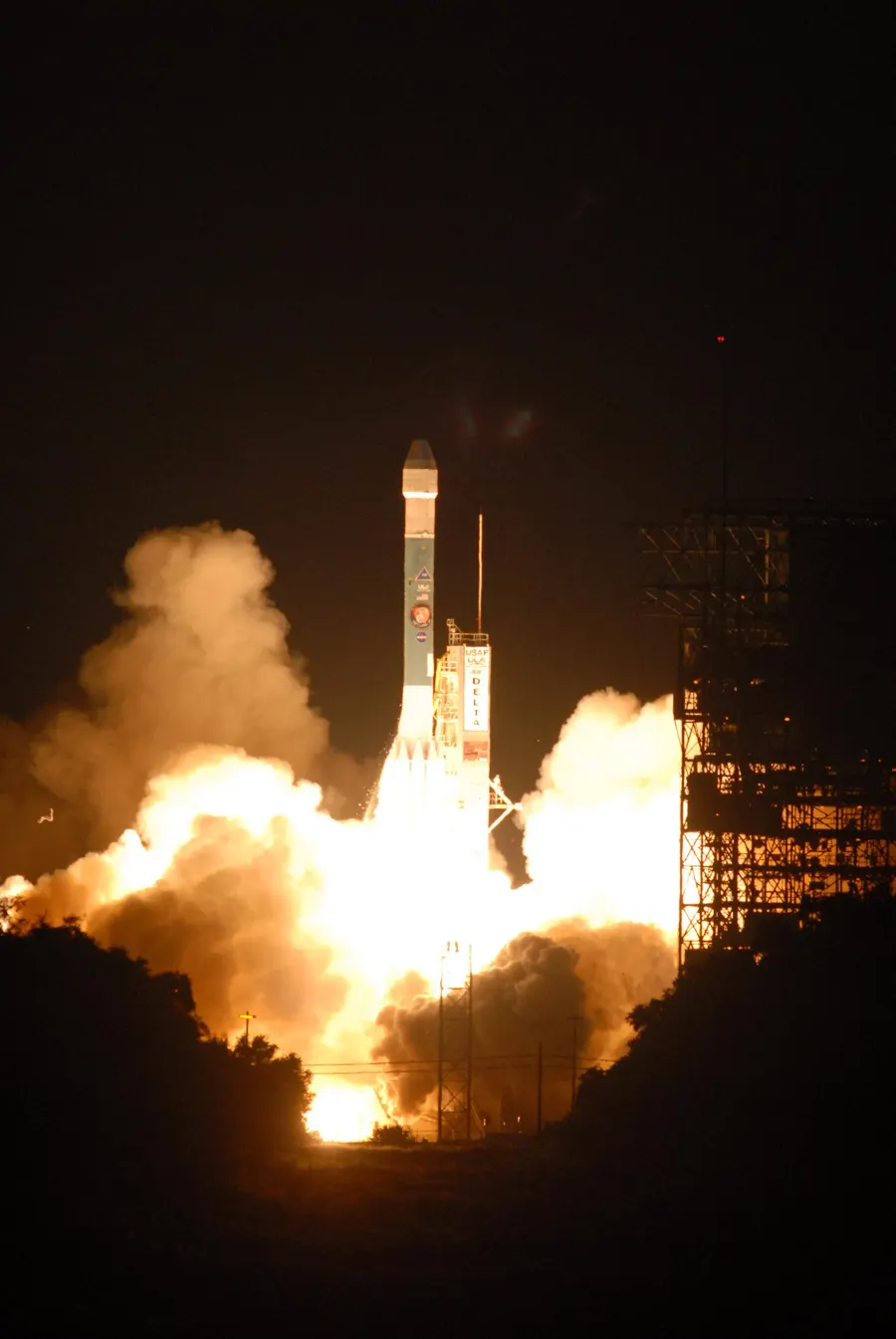
A Delta II rocket carrying NASA's Phoenix Mars lander lifts off from Cape Canaveral on 4 August 2007A Delta II rocket carrying NASA’s Phoenix Mars lander lifts off from Cape Canaveral on 4 August 2007Image: NASA/George Shelton · Public domain

science · Americas

NASA’s Phoenix lander sets off for the Martian Arctic

Phoenix took its name from the mythical bird that rises from its own ashes: it was built partly from a lander prepared for an earlier Mars mission that had been cancelled. Its target was the frozen plains near the planet’s north pole, where orbiting spacecraft had detected signs of water ice just below the surface. Phoenix lifted off on a Delta II rocket from Cape Canaveral in Florida before dawn on 4 August 2007. It landed on 25 May 2008, farther north than any spacecraft before it, and its robotic arm soon dug trenches that exposed bright patches of ice, which slowly vanished in the thin Martian air. The lander confirmed that water ice lay just beneath the soil and analysed the soil’s chemistry, until the Martian winter cut off its power later in 2008.

Source: NASA: 15 years ago, Phoenix Mars lander launches to the Red Planet ↗
2020
A blast-damaged building in Beirut two days after the explosion of 4 August 2020A blast-damaged building in Beirut two days after the explosion of 4 August 2020Image: Freimut Bahlo · CC BY-SA 4.0
world · Middle East

A huge explosion devastates the port of Beirut

On the evening of 4 August 2020 a fire in a warehouse at the port of Beirut set off a vast store of ammonium nitrate that had been left there, poorly secured, for about six years. The explosion was one of the largest non-nuclear blasts ever recorded. It killed more than 200 people, injured thousands and left some 300,000 homeless, and much of the surrounding city was damaged. The families of the victims are still pressing for the causes to be established in court.

Source: United Nations in Lebanon: Anniversary of the 4 August 2020 Beirut port explosion ↗
RESEARCH

Sources & Further Reading

Selected authoritative references supporting the events on this page.

The National Archives: Battle of Evesham↗Historic England: Battle of Evesham 1265, registered battlefield↗Britannica: Battle of the Three Kings↗Britannica: Sebastian, king of Portugal↗The Canadian Encyclopedia: Great Peace of Montreal, 1701↗Parks Canada: Treaty of Montréal in 1701 National Historic Event↗Wien Geschichte Wiki (City of Vienna): Constanze Mozart↗Britannica: Wolfgang Amadeus Mozart, Vienna, the early years↗Britannica: France, the abolition of feudalism↗George Mason University, Liberty, Equality, Fraternity: Decree abolishing the feudal system, 11 August 1789↗Imperial War Museums: The outbreak of the First World War in 1914↗Hansard, House of Commons, 4 August 1914: Violation of Belgian neutrality↗Library of Congress: Convention between the United States and Denmark, cession of the Danish West Indies, 1916↗US Department of State, Office of the Historian: Purchase of the Danish West Indies↗Anne Frank House: Reconstruction, the arrest of the people in hiding↗Wikipedia: Anne Frank↗Bhabha Atomic Research Centre: Apsara↗Press Information Bureau, Government of India: Apsara-U reactor becomes operational at BARC, Trombay↗Formula 1: Greatest races, Juan Manuel Fangio at the 1957 German Grand Prix↗Formula 1: 1957 German Grand Prix, race result↗US Department of State, Office of the Historian: The Gulf of Tonkin incident, 1964↗Naval History and Heritage Command: Gulf of Tonkin, the 1964 incidents↗Britannica: Burkina Faso, independence↗Britannica: Thomas Sankara↗NASA: 15 years ago, Phoenix Mars lander launches to the Red Planet↗NASA Science: Mars Phoenix↗United Nations in Lebanon: Anniversary of the 4 August 2020 Beirut port explosion↗Human Rights Watch: An investigation into the August 4 Beirut blast↗
WHY THESE MOMENTS?

Significance before volume

This page is not the longest possible list of events. It is a chronological journey through 4 August, where each entry is chosen for historical significance, human interest and reliability.

Facts are checked against authoritative museums, archives, universities and reference works. Where sources disagree, the page says so.

EXPLORED THE DEEPER STORY?

Return to the highlights of 4 August

Discover the lighter side of the date with famous birthdays, culture, firsts and lives remembered.

Explore This Day →
← PREVIOUS DAY3 August
HISTORY & TIMELINE4 August
NEXT DAY →5 August