HISTORY & TIMELINE
1 May

A journey through
1 May in history

From Diocletian’s retirement as Roman emperor in 305 to the European Union’s great enlargement in 2004, 1 May has seen Linnaeus’s plant names take their official starting date, the Great Exhibition open in Hyde Park, Argentina adopt its constitution, the Battle of Manila Bay, Bombay State split into Maharashtra and Gujarat and the Marshall Islands begin to govern themselves. This timeline follows the date across seventeen centuries.

I
EARLIEST RECORDS

Ancient & Early History

The earliest worthwhile records and events connected with this date.

305
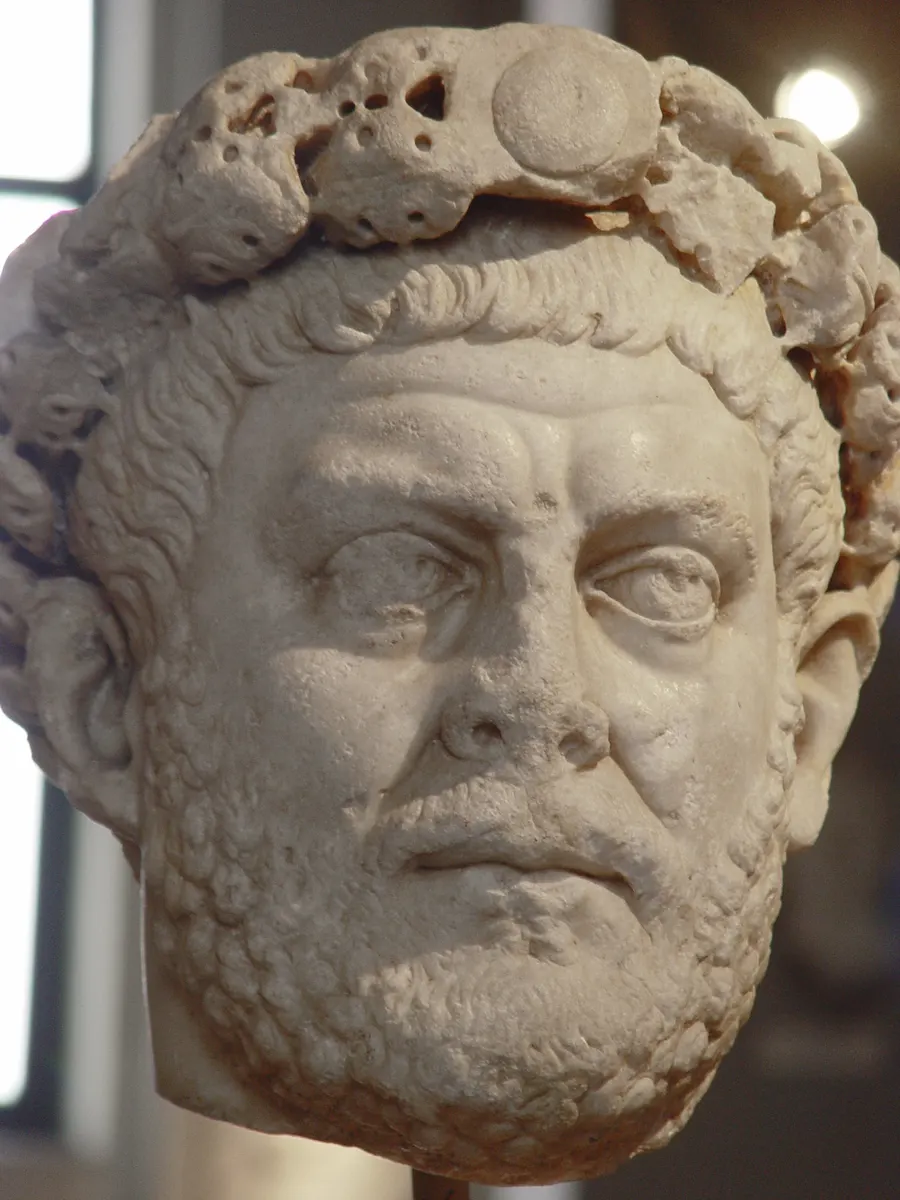
A marble head of Diocletian from Nicomedia, now in the Istanbul Archaeology Museums.A marble head of Diocletian from Nicomedia, now in the Istanbul Archaeology Museums.Image: Dosseman · CC BY-SA 4.0
politics · Middle East

Diocletian gives up the Roman throne

On 1 May 305 the emperor Diocletian stepped down at a ceremony outside Nicomedia, in what is now north-west Turkey, while his co-emperor Maximian did the same at Milan. He was the first Roman emperor to give up power of his own free will. Galerius and Constantius became the senior emperors, and Diocletian retired to his great palace on the Dalmatian coast, around which the city of Split later grew.

Source: Encyclopedia.com: Diocletian ↗
III
A CHANGING WORLD

Early Modern Era

Exploration, political change, scientific development and expanding global connections.

1707
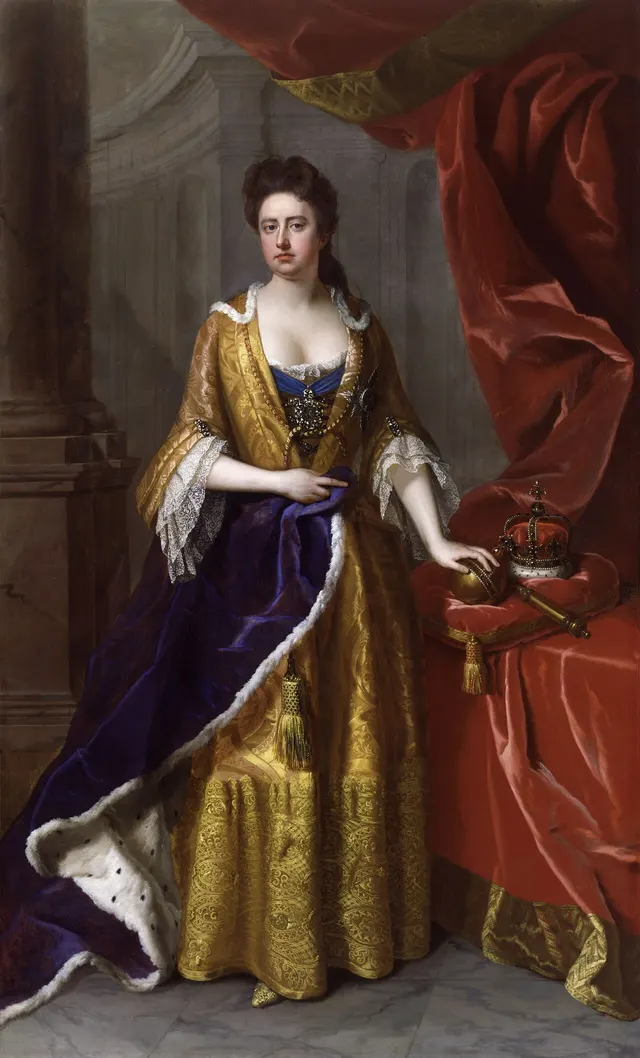
Queen Anne, in whose reign the Union came into force, painted by Michael Dahl.Queen Anne, in whose reign the Union came into force, painted by Michael Dahl.Image: Michael Dahl · Public domain
politics · Europe

England and Scotland become the Kingdom of Great Britain

On 1 May 1707 the Acts of Union passed by the parliaments of England and Scotland came into force, joining the two kingdoms into a single state called Great Britain. The two countries had shared a monarch since 1603, but until now each had kept its own parliament. From this day there was one Parliament of Great Britain at Westminster, one flag, one currency and a shared market for trade at home and in the colonies. Scotland kept its own legal system and its own Presbyterian church, arrangements that still set it apart today.

Source: UK Parliament: Act of Union 1707 ↗
1753
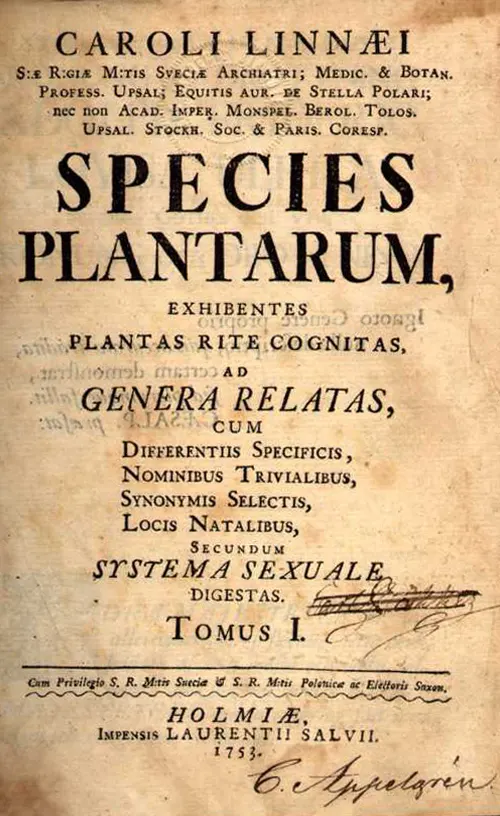
The title page of the first volume of Species Plantarum, Stockholm, 1753.The title page of the first volume of Species Plantarum, Stockholm, 1753.Image: Carl Linnaeus · Public domain
science · Europe

Linnaeus’s Species Plantarum sets the start date for plant names

In 1753 the Swedish naturalist Carl Linnaeus published Species Plantarum in Stockholm, describing some 6,000 kinds of plant. It was the first work to give every species a consistent two-part name, a genus and a single epithet, such as Bellis perennis for the daisy. Botanists later adopted the book as the official starting point for plant names. Under the international code of botanical nomenclature its two volumes, which appeared in May and August, are treated as published together on 1 May 1753, and no earlier name for a flowering plant or fern counts.

Source: International Code of Nomenclature for algae, fungi, and plants, Article 13 (IAPT) ↗
IV
THE NINETEENTH CENTURY

The 1800s

Industry, empire, invention, reform and a century of enormous transformation.

1851
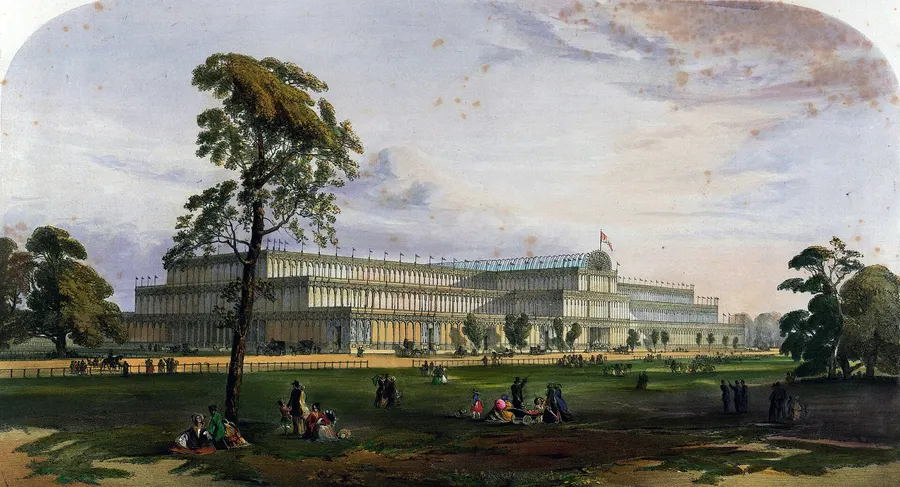
The Crystal Palace in Hyde Park, from Dickinson's pictures of the Great Exhibition of 1851.The Crystal Palace in Hyde Park, from Dickinson’s pictures of the Great Exhibition of 1851.Image: Dickinson Brothers · Public domain
culture · Europe

Queen Victoria opens the Great Exhibition

On 1 May 1851 Queen Victoria opened the Great Exhibition of the Works of Industry of All Nations in Hyde Park, London. It was housed in the Crystal Palace, a vast building of iron and glass designed by Joseph Paxton and put up in a matter of months. Prince Albert had championed the show, which brought together machinery, manufactures and crafts from Britain and around the world. About six million visits were made before it closed in October, and its profits helped to found the museums of South Kensington, among them the Victoria and Albert Museum and the Science Museum.

Source: Royal Collection Trust: The Great Exhibition of 1851 ↗
1853
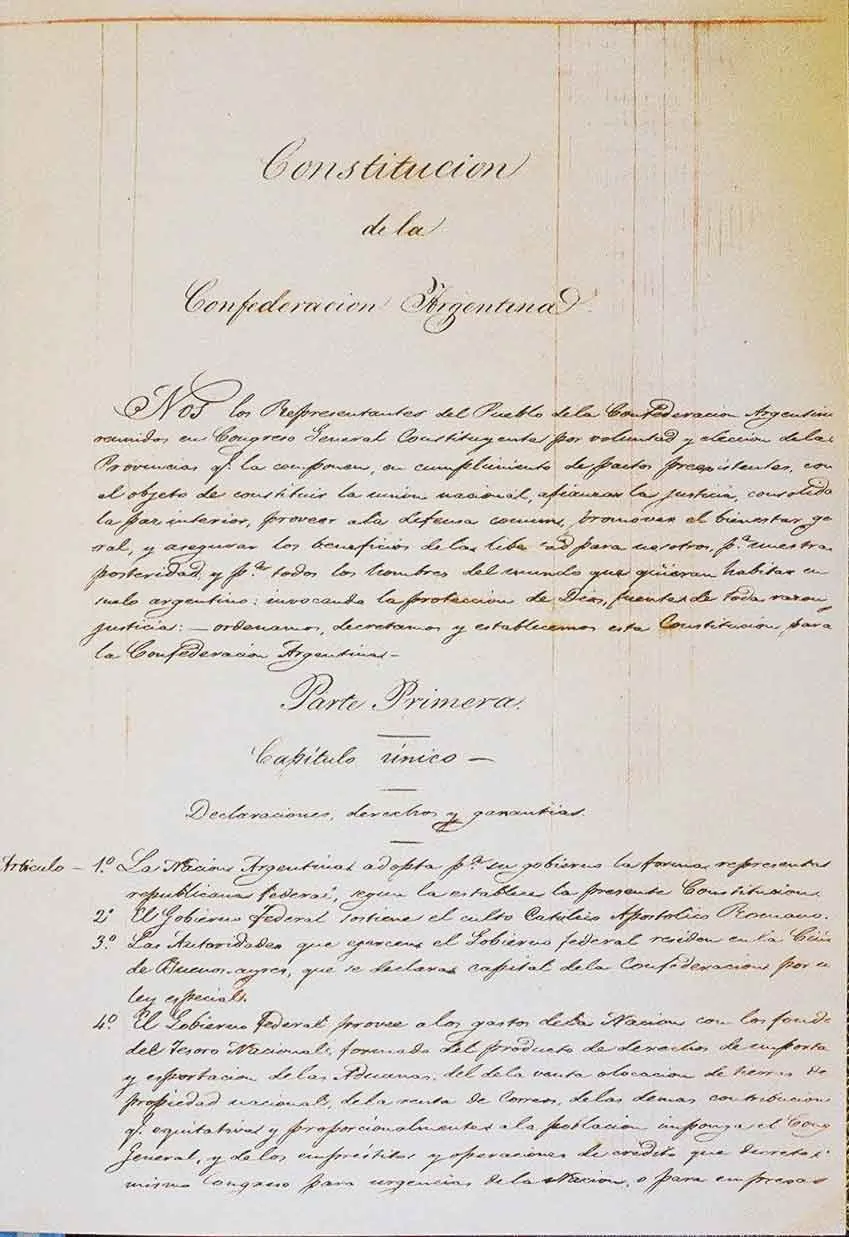
The first page of the constitution of the Argentine Confederation, 1853.The first page of the constitution of the Argentine Confederation, 1853.Image: Constituent Congress of the Argentine Confederation · Public domain
politics · Americas

Argentina adopts its constitution

On 1 May 1853 a constituent congress meeting in Santa Fe approved a constitution for the Argentine Confederation, drawing partly on the model of the United States. It set up a federal republic with a president, a congress and self-governing provinces. Buenos Aires Province refused to accept it and stayed apart until 1859, but, much amended, it remains the basis of Argentina’s constitution today.

Source: Britannica: Argentina, National consolidation 1852-80 ↗
1886
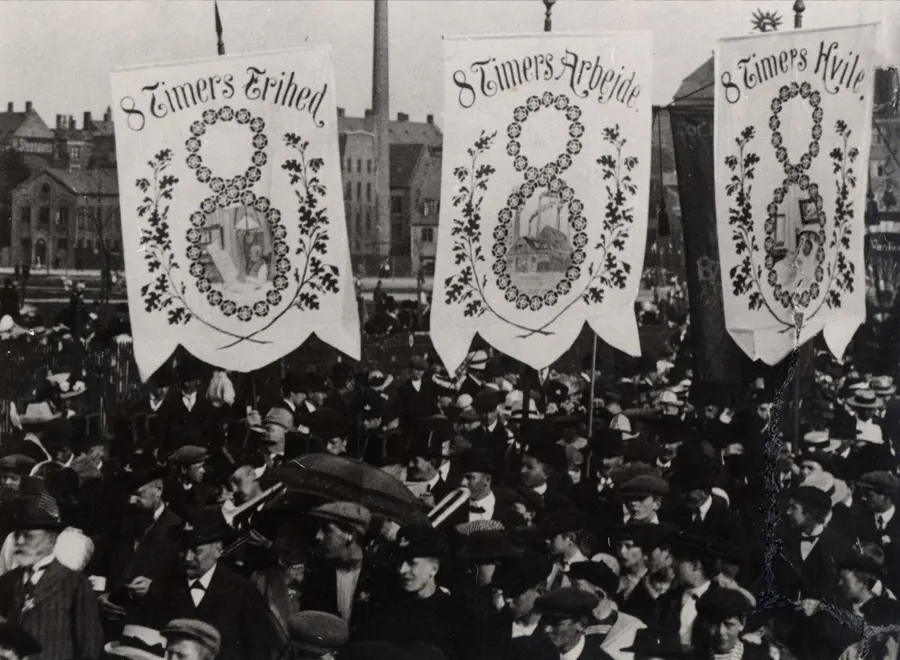
Banners calling for 8 hours' work, 8 hours' free time and 8 hours' rest at a Danish trade union demonstration in 1912.Banners calling for 8 hours’ work, 8 hours’ free time and 8 hours’ rest at a Danish trade union demonstration in 1912.Image: Unknown author · Public domain
world · Americas

American workers down tools for an eight-hour day

On 1 May 1886 hundreds of thousands of workers across the United States went on strike or marched to demand a working day of eight hours. Chicago was the centre of the movement, and tens of thousands of the city’s workers walked out, bringing much of its industry to a halt. The protest turned to bloodshed days later, when police fired on strikers and a bomb exploded at a rally in Haymarket Square. In 1889 an international congress of socialist and labour parties in Paris chose 1 May for demonstrations for the eight-hour day, and May Day became a workers’ holiday around the world.

Source: Encyclopedia of Chicago: Strikes (Chicago History Museum / Newberry Library) ↗
1898
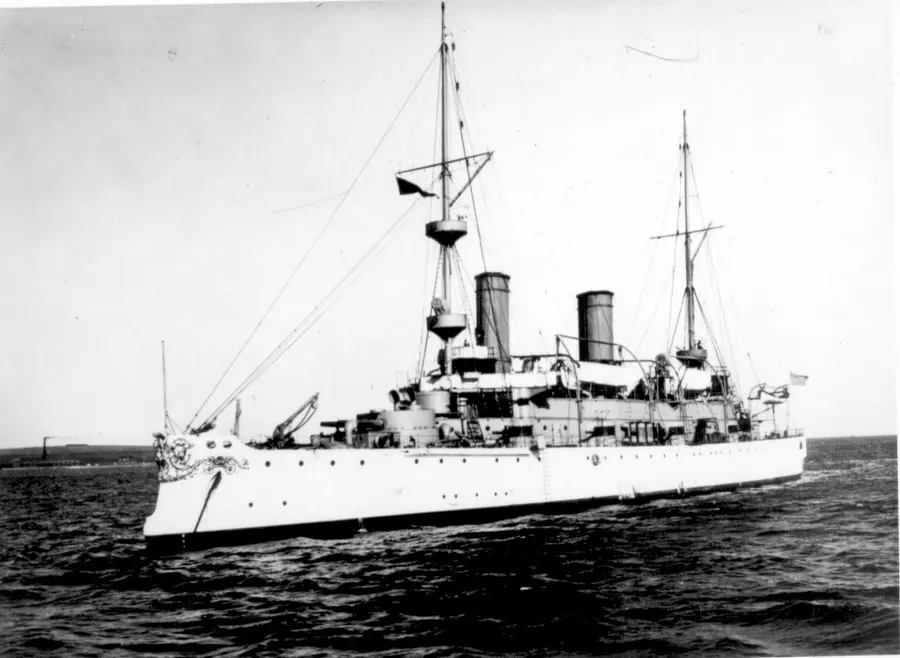
USS Olympia, Commodore Dewey's flagship at Manila Bay, photographed in 1902.USS Olympia, Commodore Dewey’s flagship at Manila Bay, photographed in 1902.Image: U.S. federal government · Public domain
world · Asia

Dewey’s squadron destroys the Spanish fleet at Manila Bay

Early on 1 May 1898, during the Spanish-American War, Commodore George Dewey led the US Asiatic Squadron into Manila Bay in the Philippines. Within hours his ships had destroyed the Spanish squadron anchored off Cavite without losing a man. The battle opened the way to the end of more than three centuries of Spanish rule in the Philippines.

Source: Naval History and Heritage Command: Battle of Manila Bay, 1 May 1898 ↗
V
THE TWENTIETH CENTURY

The 1900s

War and peace, technological leaps, social change, politics, sport and popular culture.

1920
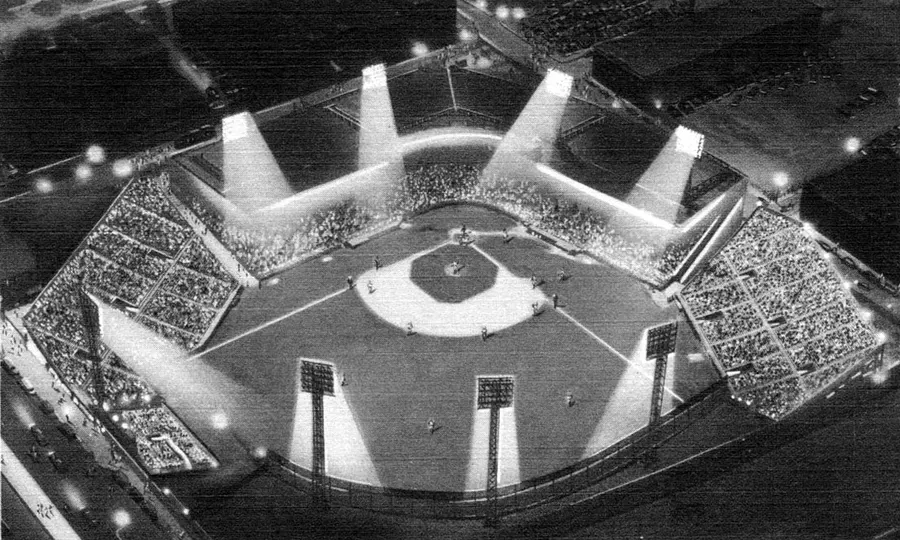
Braves Field in Boston, where the game was played, on a later postcard showing a night game.Braves Field in Boston, where the game was played, on a later postcard showing a night game.Image: Unknown author · CC BY 2.0
sport · Americas

Baseball’s longest game ends in a draw after 26 innings

On 1 May 1920 the Boston Braves and the Brooklyn Robins played 26 innings at Braves Field in Boston, the most ever in a major league game. Both starting pitchers, Joe Oeschger for Boston and Leon Cadore for Brooklyn, stayed on the mound for the whole match. After both sides scored once early on, neither managed another run for 20 innings. With darkness falling the umpire called the game off at 1-1, after three hours and 50 minutes of play.

Source: Society for American Baseball Research: May 1, 1920, Braves and Dodgers play 26 innings to no decision ↗
1931
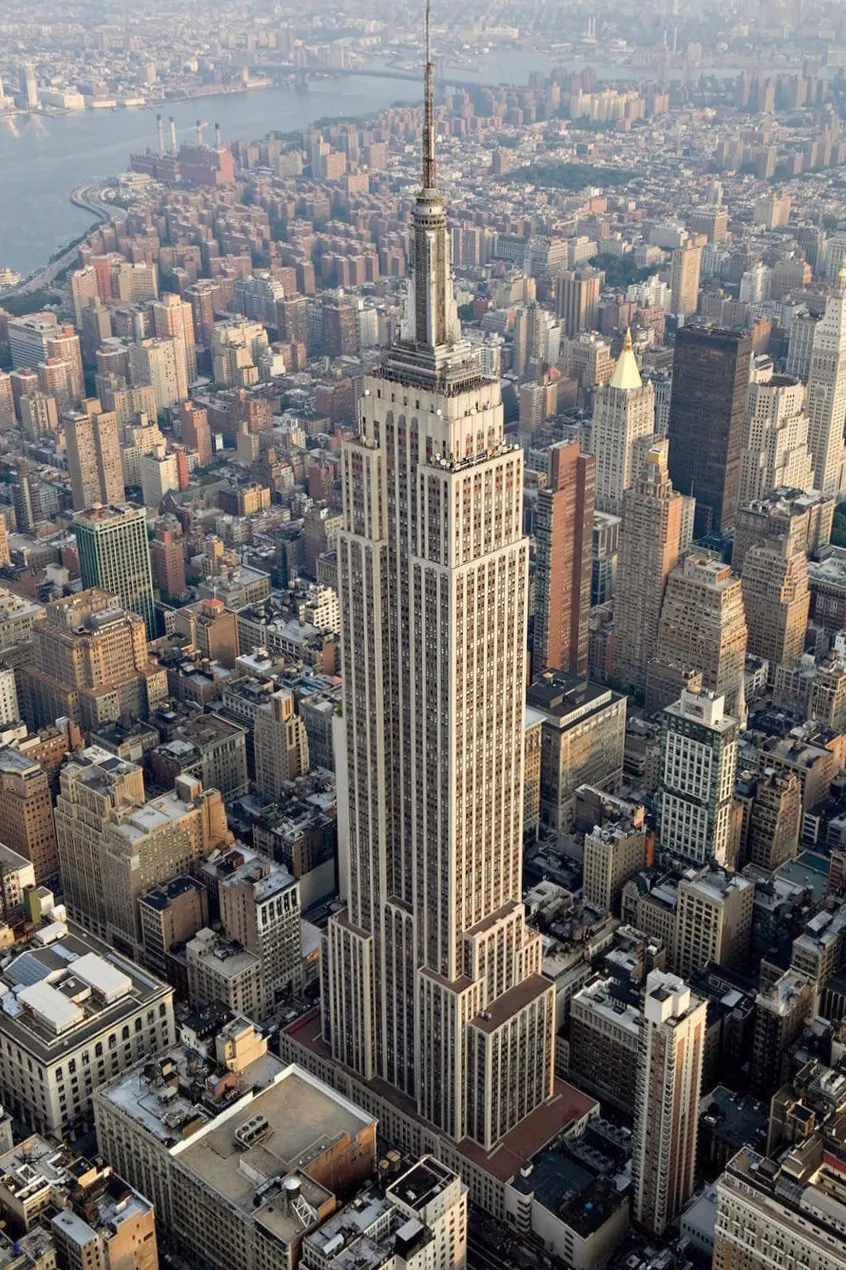
The Empire State Building rising above Midtown Manhattan.The Empire State Building rising above Midtown Manhattan.Image: Sam Valadi · Public domain
world · Americas

The Empire State Building opens in New York

On 1 May 1931 the Empire State Building was formally opened in Manhattan, little more than a year after construction began. President Herbert Hoover pressed a button in Washington as the signal for the building’s lights to come on, although the switch itself was thrown in New York. At 102 storeys it was the tallest building in the world, a title it held for nearly 40 years. It opened in the depths of the Great Depression, and so much of its office space stood empty that New Yorkers nicknamed it the ‘Empty State Building’.

Source: Empire State Building: History ↗
1960
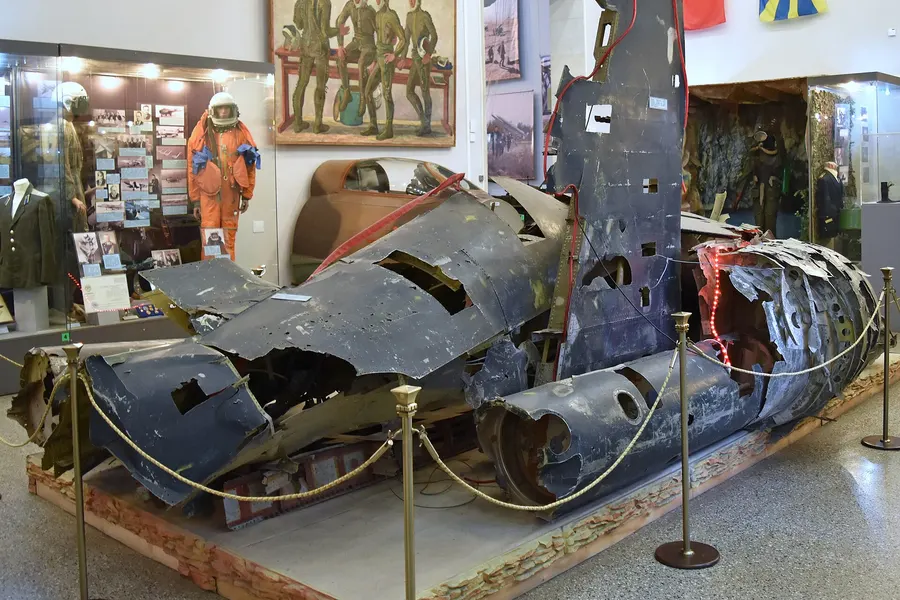
Wreckage of Powers's U-2 on display at a military museum in Moscow.Wreckage of Powers’s U-2 on display at a military museum in Moscow.Image: Alan Wilson from Stilton, Peterborough, Cambs, UK · CC BY-SA 2.0
politics · Asia

A U-2 spy plane is shot down over the Soviet Union

On 1 May 1960 an American U-2 reconnaissance aircraft flown by the CIA pilot Francis Gary Powers was brought down by a Soviet missile near Sverdlovsk in the Ural Mountains. Powers had set out from Pakistan to photograph military sites on a flight that was meant to end in Norway, and he survived by parachute and was captured. Washington at first claimed a weather plane had strayed off course, until Moscow revealed that it held the pilot and the wreckage. The affair wrecked a summit of the great powers in Paris that month, and Powers spent almost two years in Soviet custody before being exchanged for a Soviet spy in 1962.

Source: US Department of State, Office of the Historian: U-2 Overflights and the Capture of Francis Gary Powers ↗
1960
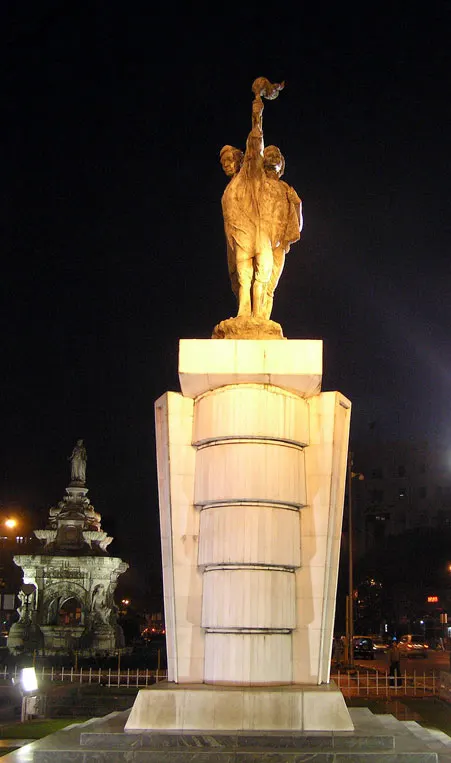
Hutatma Chowk in Mumbai, the memorial to those killed in the campaign for a Marathi-speaking state.Hutatma Chowk in Mumbai, the memorial to those killed in the campaign for a Marathi-speaking state.Image: Elroy Serrao · CC BY-SA 2.0
politics · Asia

Bombay State splits into Maharashtra and Gujarat

On 1 May 1960 the Indian state of Bombay was divided along language lines into two new states. Marathi-speaking areas became Maharashtra, with Bombay as its capital, and Gujarati-speaking areas became Gujarat. The change followed years of campaigning by movements for each language, and both states still celebrate their foundation day on 1 May.

Source: India Code (Government of India): The Bombay Reorganisation Act, 1960 ↗
1979
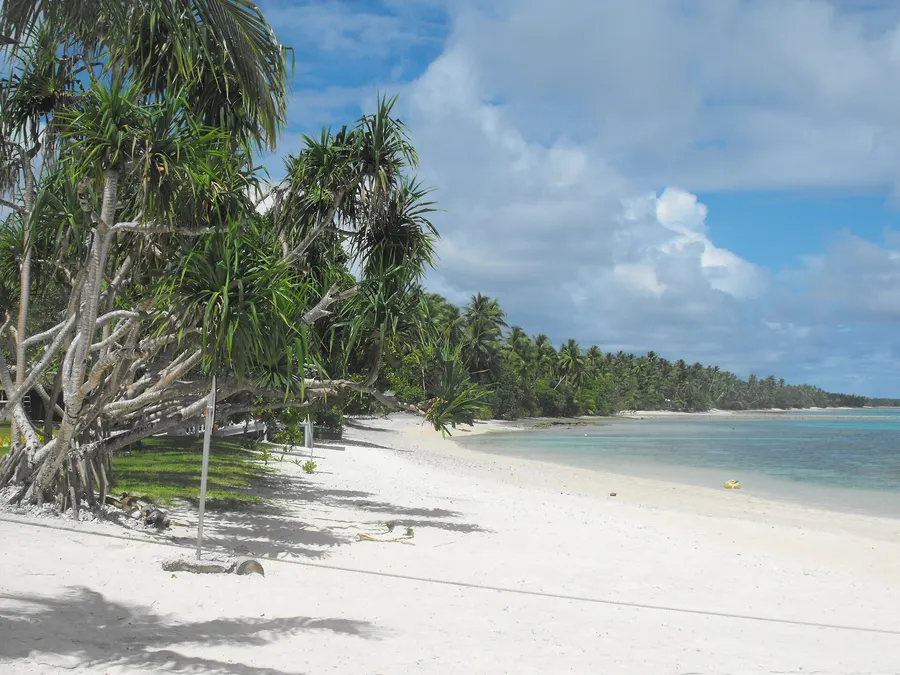
Eneko islet in Majuro Atoll, the capital of the Marshall Islands.Eneko islet in Majuro Atoll, the capital of the Marshall Islands.Image: Cliff Hansen · CC BY-SA 4.0
politics · Oceania

The Marshall Islands begin to govern themselves

On 1 May 1979 a new constitution came into force in the Marshall Islands, then part of the US-administered Trust Territory of the Pacific Islands. Voters had approved it in a referendum that March. It created a parliament, the Nitijela, and a president chosen by it, and the islands later became fully independent in free association with the United States.

Source: Constitute Project: Marshall Islands 1979 (rev. 1995) ↗
VI
2000 TO TODAY

Modern Day

The events of recent decades that have already become part of the historical record.

2004
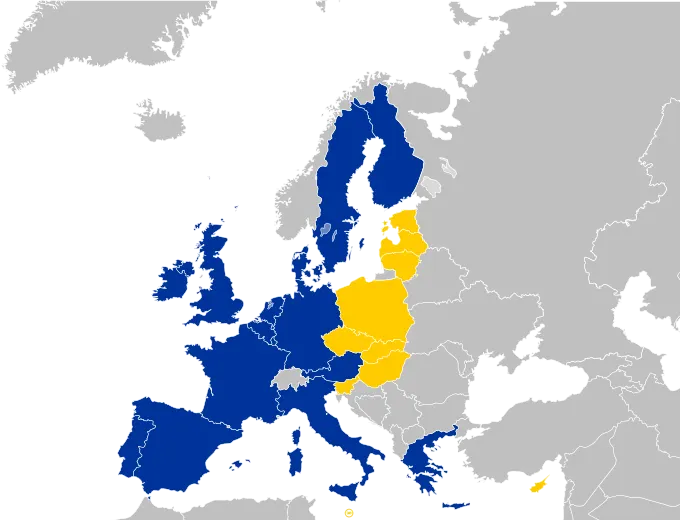
A map of the European Union after 1 May 2004, with the ten new members in yellow.A map of the European Union after 1 May 2004, with the ten new members in yellow.Image: Kolja21, after a map by Júlio Reis · CC BY-SA 2.5
politics · Europe

Ten countries join the European Union

On 1 May 2004 Cyprus, the Czech Republic, Estonia, Hungary, Latvia, Lithuania, Malta, Poland, Slovakia and Slovenia became members of the European Union. It was the largest enlargement in the Union’s history, taking it from 15 to 25 countries and adding almost 75 million people. For eight of the newcomers, once behind the Iron Curtain, it marked a return to the heart of Europe.

Source: Council of the European Union: 2004 enlargement, facts and figures ↗
RESEARCH

Sources & Further Reading

Selected authoritative references supporting the events on this page.

Encyclopedia.com: Diocletian↗History Today: Abdication of the Emperor Diocletian↗Wikipedia: Diocletian↗UK Parliament: Act of Union 1707↗Britannica: Act of Union (1707)↗Wikipedia: Acts of Union 1707↗International Code of Nomenclature for algae, fungi, and plants, Article 13 (IAPT)↗Wikipedia: Species Plantarum↗Royal Collection Trust: The Great Exhibition of 1851↗London Museum: What was the Great Exhibition of 1851?↗Wikipedia: Great Exhibition↗Britannica: Argentina, National consolidation 1852-80↗Berkeley Law Library catalogue: Constitution de la Confédération Argentine, Santa Fe, le 1 mai 1853↗Wikipedia: Argentine Constitution of 1853↗Encyclopedia of Chicago: Strikes (Chicago History Museum / Newberry Library)↗Encyclopedia.com: Eight-hour Day Movement↗Wikipedia: International Workers’ Day↗Naval History and Heritage Command: Battle of Manila Bay, 1 May 1898↗Britannica: Battle of Manila Bay↗Wikipedia: Battle of Manila Bay↗Society for American Baseball Research: May 1, 1920, Braves and Dodgers play 26 innings to no decision↗Wikipedia: Brooklyn Dodgers 1, Boston Braves 1 (26 innings)↗Empire State Building: History↗EBSCO Research Starters: Empire State Building Opens↗Wikipedia: Empire State Building↗US Department of State, Office of the Historian: U-2 Overflights and the Capture of Francis Gary Powers↗National Museum of the US Air Force: The Powers Incident↗Wikipedia: 1960 U-2 incident↗India Code (Government of India): The Bombay Reorganisation Act, 1960↗Wikipedia: Maharashtra Day↗Constitute Project: Marshall Islands 1979 (rev. 1995)↗Wikipedia: Constitution of the Marshall Islands↗Council of the European Union: 2004 enlargement, facts and figures↗EUR-Lex: The 2004 enlargement, the challenge of a 25-member EU↗
WHY THESE MOMENTS?

Significance before volume

This page is not the longest possible list of events. It is a chronological journey through 1 May, where each entry is chosen for historical significance, human interest and reliability.

Facts are checked against authoritative museums, archives, universities and reference works. Where sources disagree, the page says so.

EXPLORED THE DEEPER STORY?

Return to the highlights of 1 May

Discover the lighter side of the date with famous birthdays, culture, firsts and lives remembered.

Explore This Day →