
HISTORY & TIMELINE
2 May

A journey through
2 May in history

From the Hudson’s Bay Company’s royal charter in 1670 to the day the United States switched off the deliberate blurring of GPS signals in 2000, 2 May has seen Anne Boleyn taken to the Tower, Madrid rise against French occupation, Britain claim the west coast of Australia, Ethiopia sign a treaty that led to war, Lou Gehrig end his record run, Berlin’s garrison surrender and climbers reach the last unclimbed 8,000-metre summit. This timeline follows the date across five centuries.

III
A CHANGING WORLD

Early Modern Era

Exploration, political change, scientific development and expanding global connections.

1536
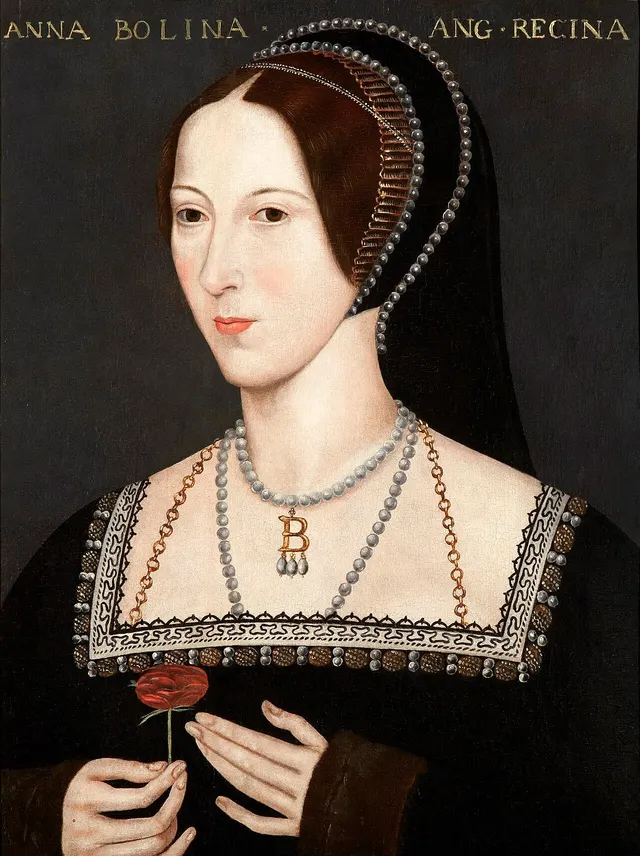
A portrait of Anne Boleyn kept at Hever Castle, her family's home in Kent.A portrait of Anne Boleyn kept at Hever Castle, her family’s home in Kent.Image: English school · Public domain
politics · Europe

Anne Boleyn is taken to the Tower

On 2 May 1536 Anne Boleyn, second wife of Henry VIII, was arrested at Greenwich and brought by barge to the Tower of London. She was accused of adultery and of plotting against the king. She was held in the same royal lodgings where she had stayed before her coronation three years earlier, and was executed within the Tower on 19 May.

Source: Historic Royal Palaces: Anne Boleyn ↗
1670
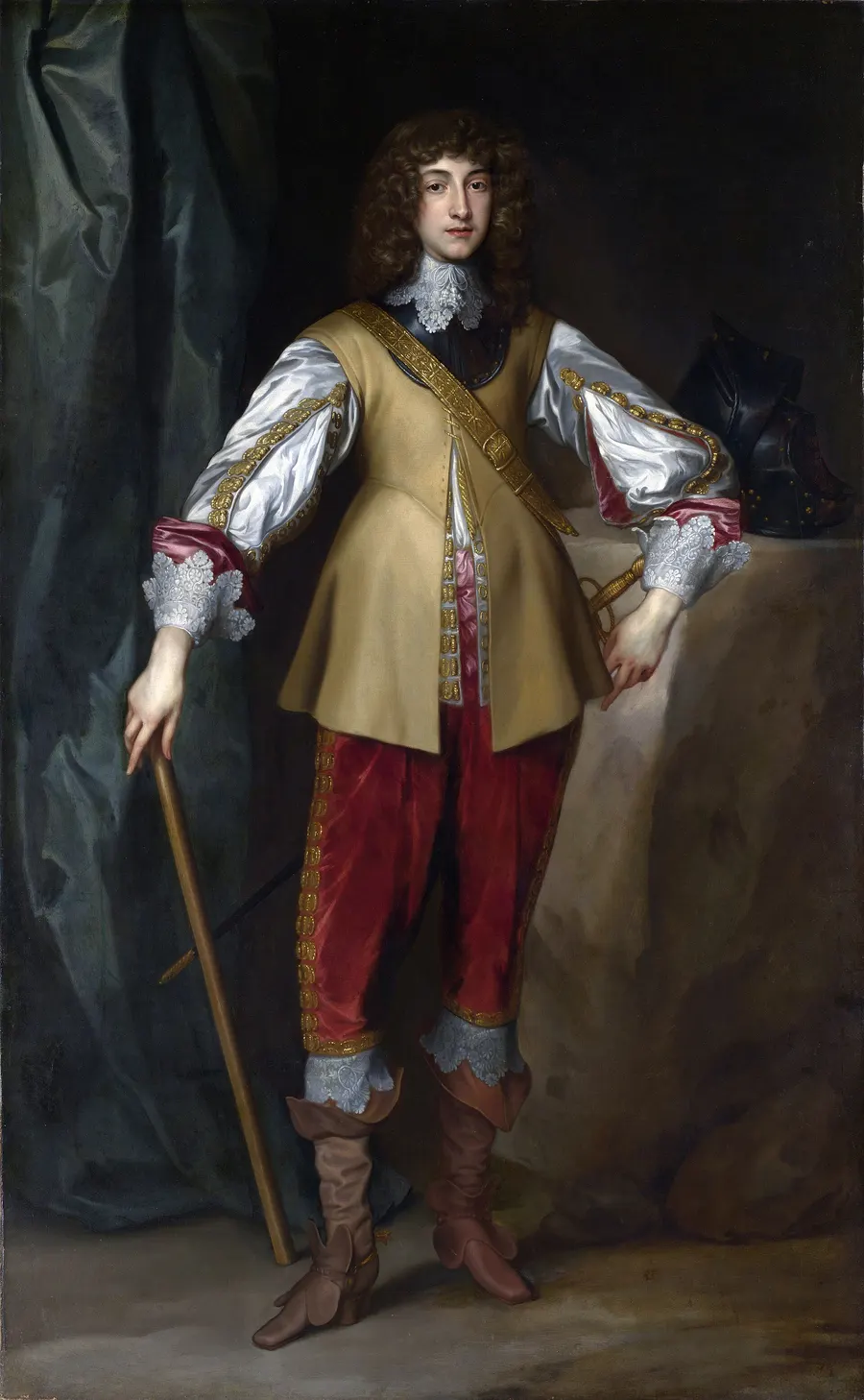
Anthony van Dyck's portrait of the young Prince Rupert, about 1637. He became the Hudson's Bay Company's first governor.Anthony van Dyck’s portrait of the young Prince Rupert, about 1637. He became the Hudson’s Bay Company’s first governor.Image: Anthony van Dyck · Public domain
world · Americas

Charles II charters the Hudson’s Bay Company

On 2 May 1670 King Charles II granted a royal charter to ‘the Governor and Company of Adventurers of England trading into Hudson’s Bay’. It gave the company sole rights to trade across all the lands whose rivers drain into Hudson Bay, a vast territory named Rupert’s Land after the king’s cousin Prince Rupert, its first governor. The land covered more than a third of present-day Canada, and was home to Cree, Dene and many other Indigenous nations who became the company’s partners in the fur trade. The company later handed Rupert’s Land to the new Canadian state in 1870 and survived for centuries as a retailer.

Source: The Royal Charter for incorporating the Hudson’s Bay Company (Internet Archive) ↗
IV
THE NINETEENTH CENTURY

The 1800s

Industry, empire, invention, reform and a century of enormous transformation.

1808
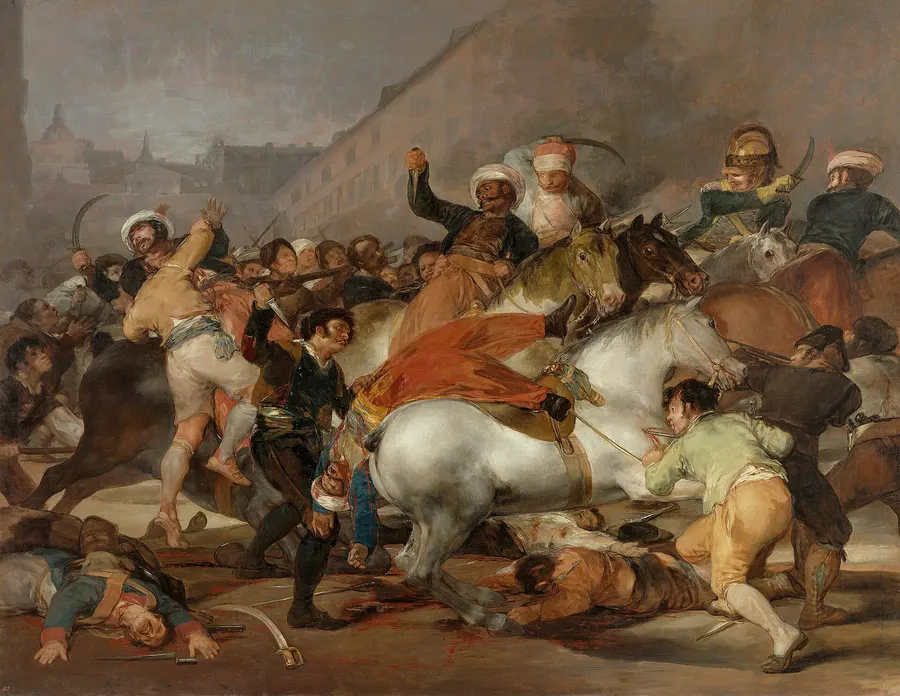
Goya's painting of 2 May 1808 in Madrid, showing townspeople attacking Napoleon's Mameluke cavalry.Goya’s painting of 2 May 1808 in Madrid, showing townspeople attacking Napoleon’s Mameluke cavalry.Image: Francisco Goya · Public domain
world · Europe

Madrid rises against Napoleon’s army

On the morning of 2 May 1808 a crowd gathered outside the royal palace in Madrid to stop French troops taking the last members of the Spanish royal family away to France. French forces had occupied the city since March, and when they opened fire on the crowd the protest turned into street fighting across the capital, joined by a handful of Spanish artillery officers. Marshal Joachim Murat crushed the rising within hours and ordered mass executions the following day. The repression backfired: news of it spread across Spain and set off a nationwide revolt that grew into the long Peninsular War. Francisco Goya later painted both days, and 2 May is still a holiday in the Madrid region.

Source: Britannica: Dos de Mayo Uprising ↗
1829
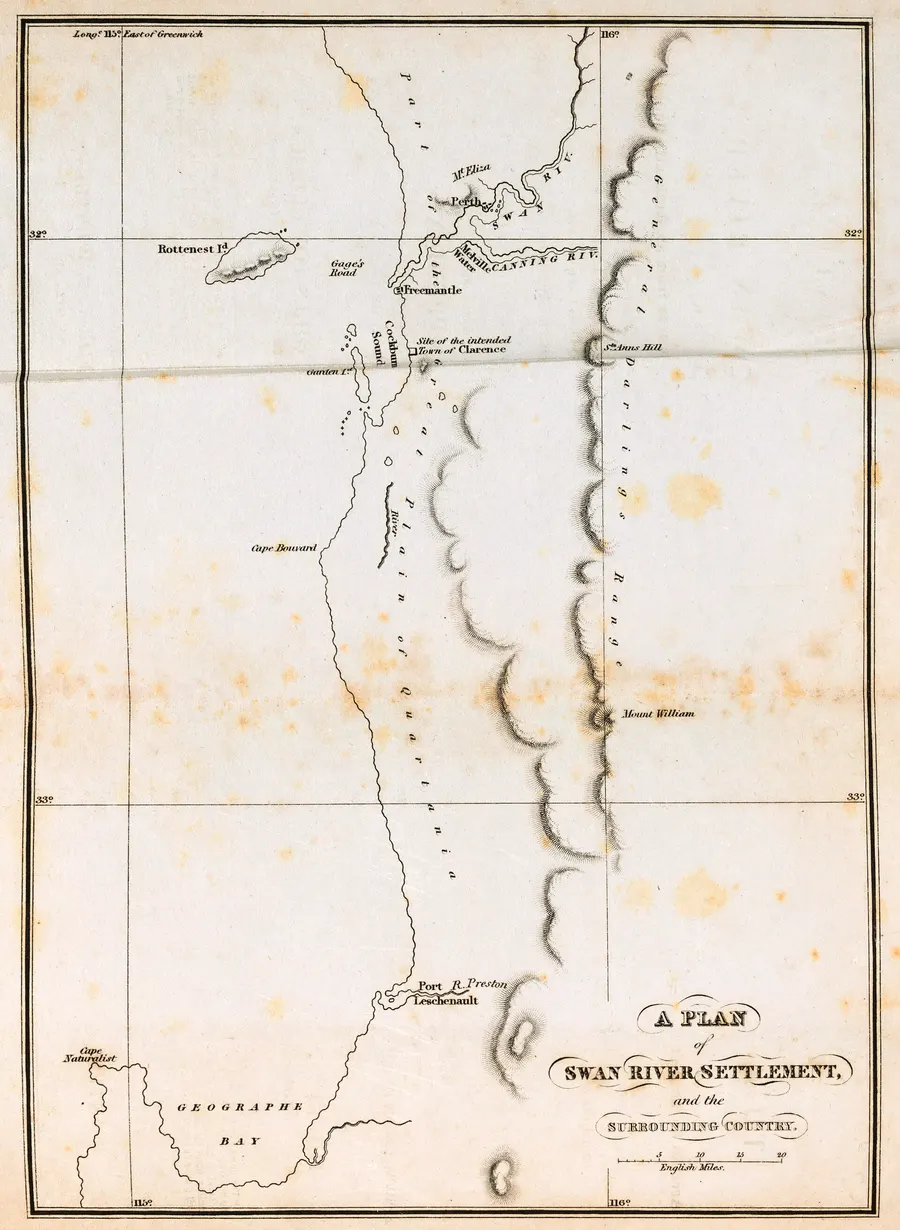
A plan of the Swan River settlement and the surrounding country, published in 1831.A plan of the Swan River settlement and the surrounding country, published in 1831.Image: cartographer unknown · Public domain
world · Oceania

Britain claims the west coast of Australia

On 2 May 1829 Captain Charles Fremantle of HMS Challenger landed at the mouth of the Swan River and raised the Union flag. In his report he wrote that he had taken possession of the whole west coast of New Holland for the British Crown. The claim came only weeks before the first settlers of the Swan River Colony arrived, the start of what is now Western Australia. The land was already the country of the Noongar people, whose presence the claim ignored. The port city of Fremantle takes its name from the captain.

Source: Documenting Democracy (National Archives of Australia): Western Australia founding documents ↗
1889
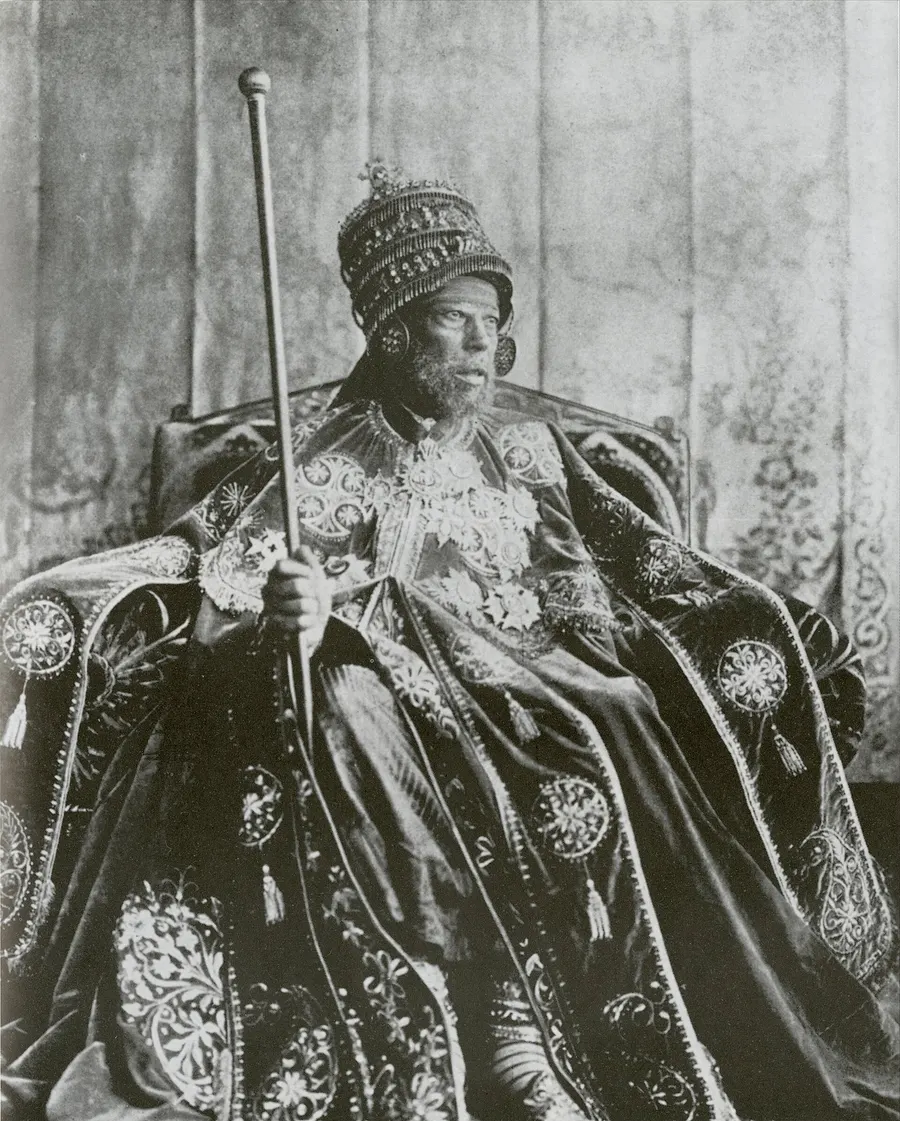
Menelik II in his coronation robes as Emperor of Ethiopia.Menelik II in his coronation robes as Emperor of Ethiopia.Image: Unknown authorUnknown author · Public domain
politics · Africa

Ethiopia and Italy sign the Treaty of Wuchale

On 2 May 1889 Menelik II, soon to be crowned Emperor of Ethiopia, signed a treaty of friendship with Italy’s envoy Count Pietro Antonelli at Wuchale. It recognised Italian control of land in what became Eritrea in return for money and arms. The two versions of Article 17 did not match. The Amharic text said Ethiopia could use Italy for its foreign dealings, while the Italian text said it must, which Rome took to mean a protectorate. Menelik rejected that reading and later renounced the treaty, and the dispute ended in Italy’s defeat at Adwa in 1896.

Source: Britannica: Treaty of Wichale ↗
V
THE TWENTIETH CENTURY

The 1900s

War and peace, technological leaps, social change, politics, sport and popular culture.

1933
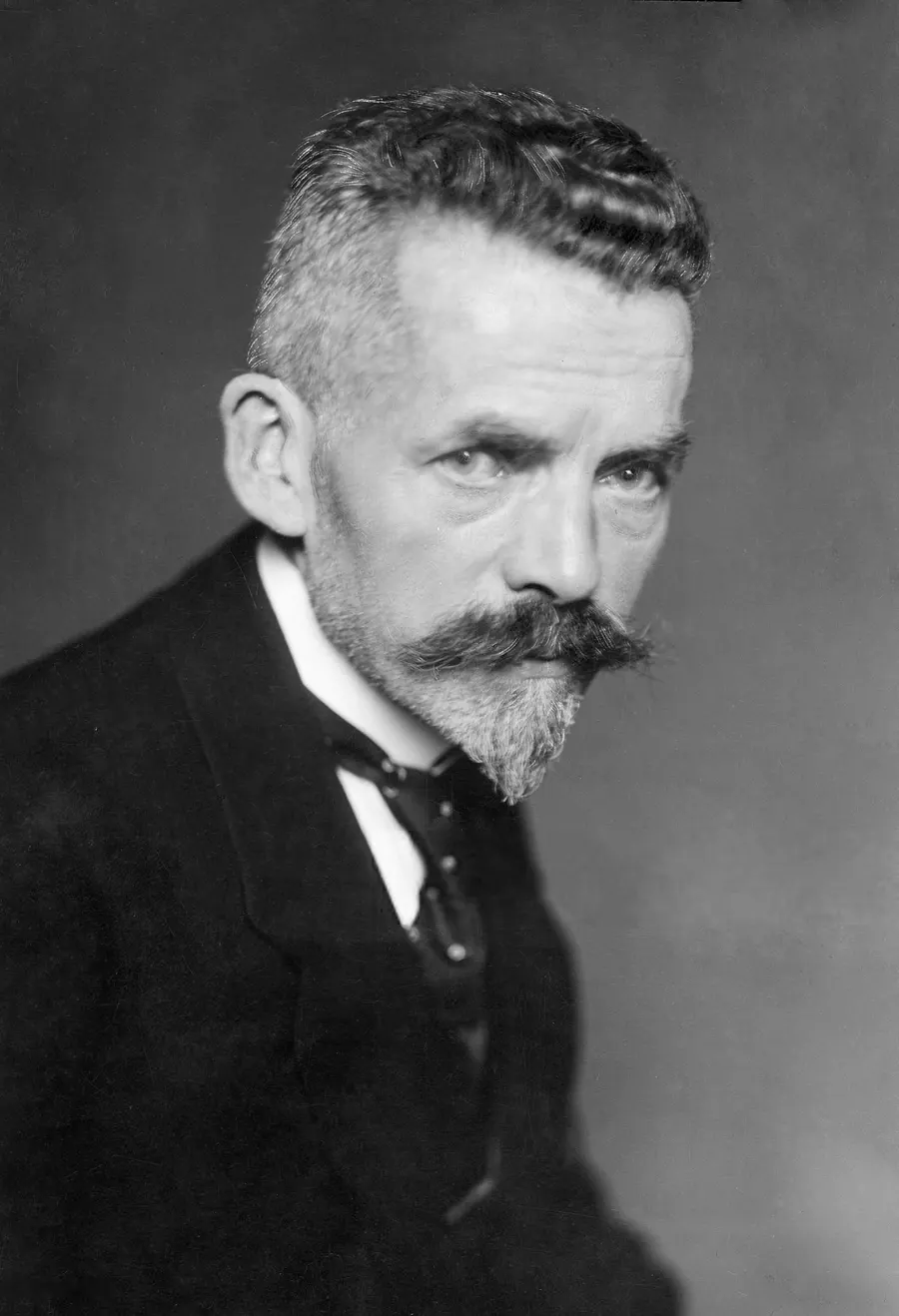
Theodor Leipart, chairman of Germany's free trade union federation, photographed in 1924.Theodor Leipart, chairman of Germany’s free trade union federation, photographed in 1924.Image: Unknown author · Public domain
world · Europe

The Nazis shut down Germany’s trade unions

On 2 May 1933, the day after a state-organised May Day celebration, Nazi stormtroopers occupied trade union offices across Germany. Union funds and records were seized and many officials were arrested and beaten. The free unions were replaced by the Nazi-controlled German Labour Front, removing one of the last organised sources of opposition to the regime.

Source: Holocaust Memorial Day Trust: 2 May 1933, dissolution of German trade unions ↗
1939
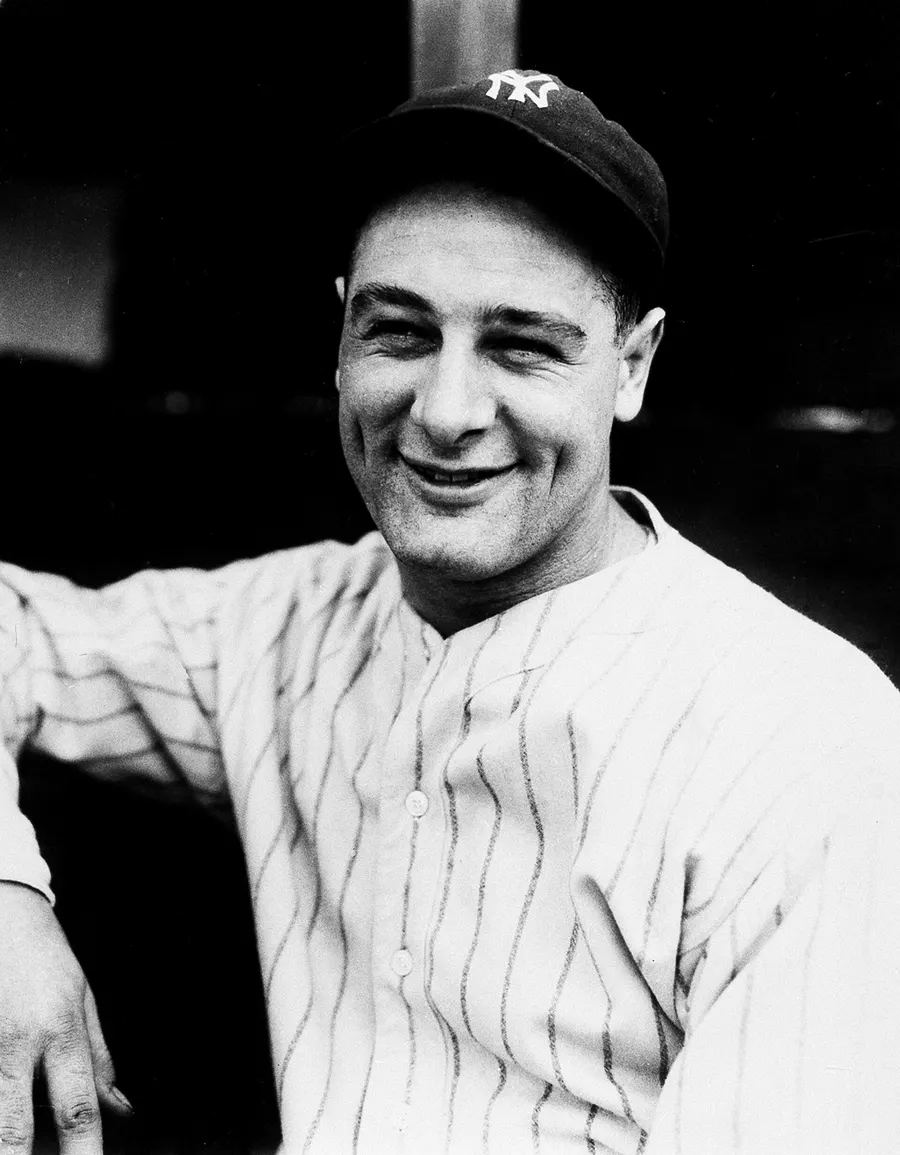
Lou Gehrig playing for the New York Yankees in 1923.Lou Gehrig playing for the New York Yankees in 1923.Image: Unknown author · Public domain
sport · Americas

Lou Gehrig ends his record run

Before a game against the Detroit Tigers on 2 May 1939, the New York Yankees captain Lou Gehrig told his manager to leave him out of the line-up. It was the first game he had missed since 1925, ending a run of 2,130 consecutive matches that stood as a record for 56 years. Gehrig had been struggling badly and did not yet know why. Weeks later doctors diagnosed amyotrophic lateral sclerosis, the incurable disease now often called Lou Gehrig’s disease in North America, and he never played again.

Source: Society for American Baseball Research: May 2, 1939, Lou Gehrig’s streak ends in Detroit ↗
1945
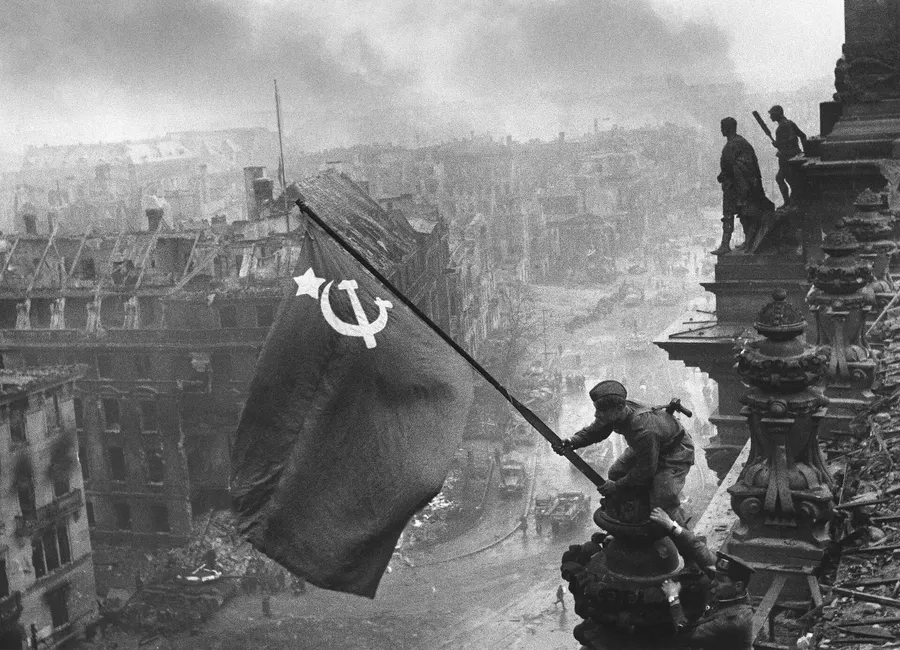
Yevgeny Khaldei's photograph of a Soviet soldier raising a flag over the Reichstag in Berlin, taken on 2 May 1945.Yevgeny Khaldei’s photograph of a Soviet soldier raising a flag over the Reichstag in Berlin, taken on 2 May 1945.Image: Yevgeny Khaldei / Adam Cuerden · Public domain
world · Europe

Berlin’s garrison surrenders

On 2 May 1945 General Helmuth Weidling, commander of the city’s defence, surrendered Berlin to the Soviet army after more than two weeks of street fighting. Soviet and Polish troops took control of the ruined capital. The same day German forces in Italy formally stopped fighting, and the war in Europe ended less than a week later.

Source: National Army Museum: On this day, May 1945 ↗
1952
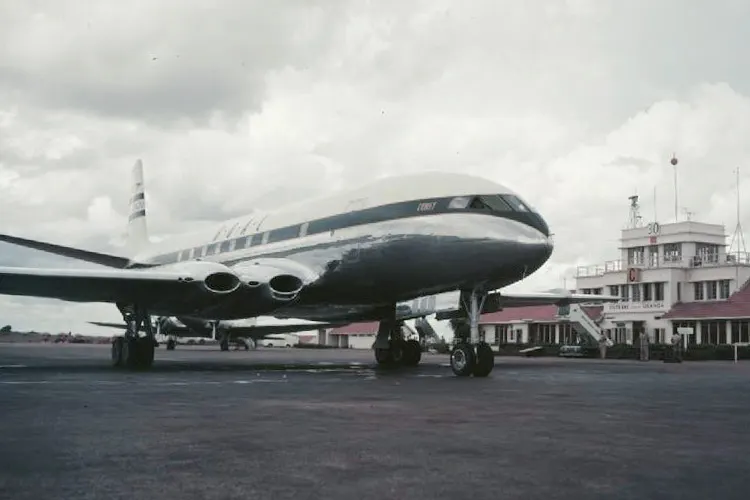
A BOAC Comet on its way from London to Johannesburg, stopping at Entebbe in Uganda, 1952.A BOAC Comet on its way from London to Johannesburg, stopping at Entebbe in Uganda, 1952.Image: Ministry of Information official photographer · Public domain
world · Global

The first jet airliner service takes off

On the afternoon of 2 May 1952 a BOAC de Havilland Comet 1 left London for Johannesburg with 36 fare-paying passengers, the first scheduled passenger service ever flown by a jet airliner. It called at Rome, Beirut, Khartoum, Entebbe and Livingstone and landed the next day, slightly ahead of schedule. The trip took about a day instead of the several days needed by propeller aircraft. The Comet’s lead was short-lived, as a series of crashes in 1953-54 caused by metal fatigue grounded the fleet, but lessons from its failures shaped every jet airliner that followed.

Source: South African History Online: The first regular jet flight leaves London for Johannesburg ↗
1964
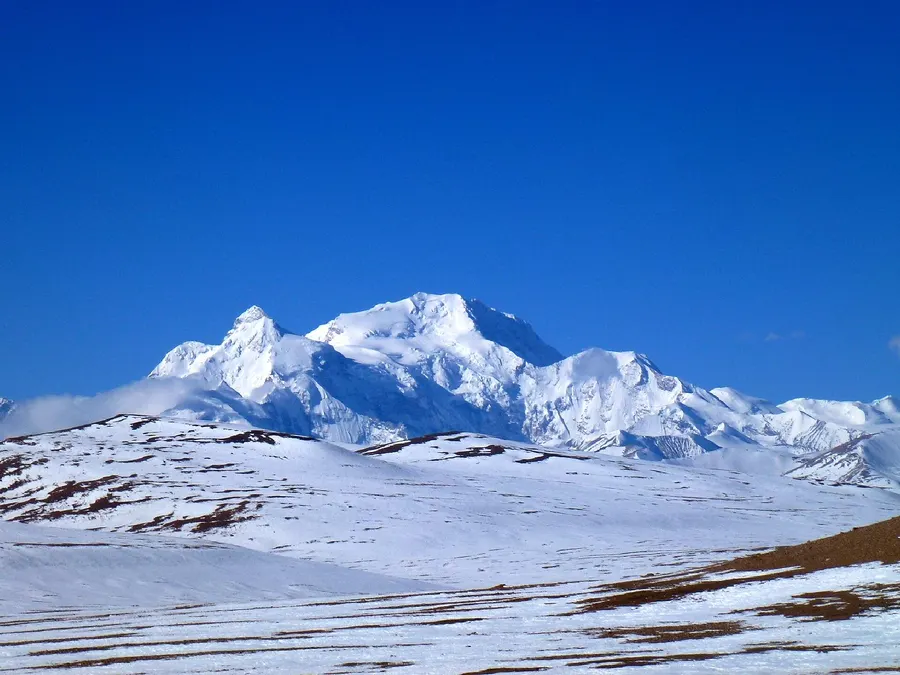
Shishapangma in Tibet, the lowest of the world's fourteen peaks above 8,000 metres.Shishapangma in Tibet, the lowest of the world’s fourteen peaks above 8,000 metres.Image: Hiroki Ogawa · CC BY 3.0
world · Asia

Climbers reach the last unclimbed 8,000-metre peak

On the morning of 2 May 1964 ten members of a large Chinese expedition led by Xu Jing reached the summit of Shishapangma in Tibet. At 8,027 metres it is the lowest of the world’s fourteen peaks above 8,000 metres, and it was the last of them to be climbed. The team included several Tibetan mountaineers and reached the top by the northern route.

Source: Alpine Journal 1964: The ascent of Shisha Pangma ↗
VI
2000 TO TODAY

Modern Day

The events of recent decades that have already become part of the historical record.

2000
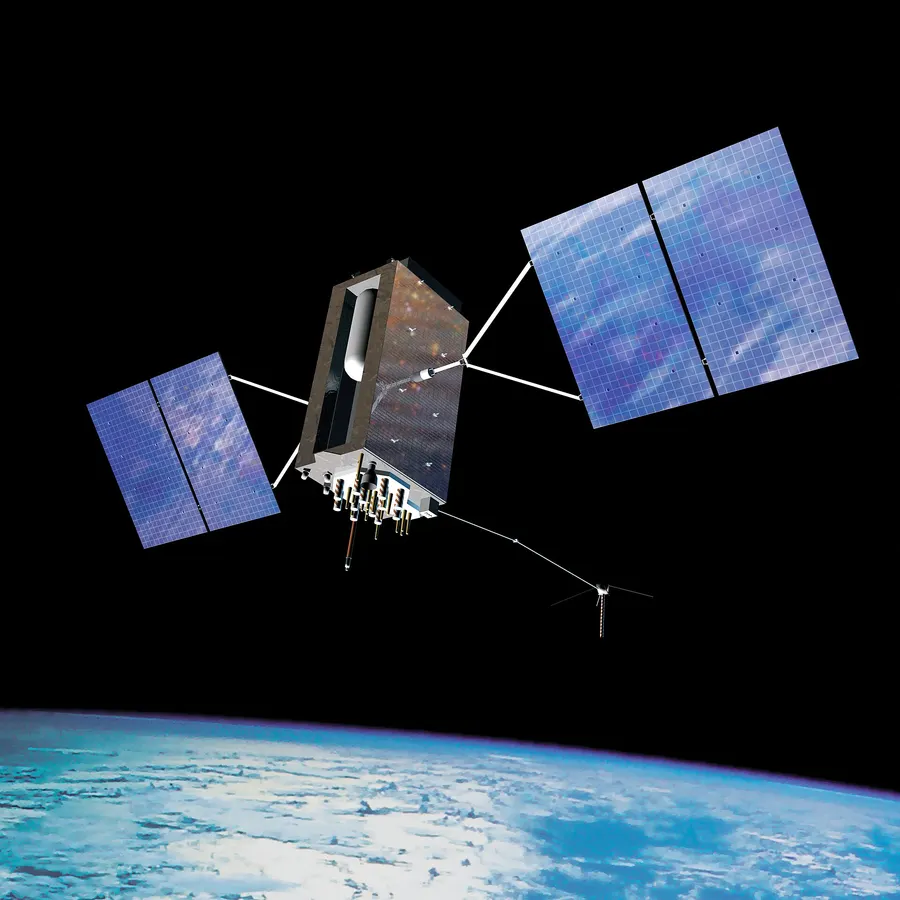
An artist's impression of a later GPS satellite (Block IIIA) in orbit above the Earth.An artist’s impression of a later GPS satellite (Block IIIA) in orbit above the Earth.Image: U.S. Air Force · Public domain
world · Global

GPS becomes precise for everyone

Shortly after 04:00 UTC on 2 May 2000 every GPS satellite stopped adding a deliberate error to its public signal. The feature, called Selective Availability, had been kept for security reasons and limited ordinary receivers to an accuracy of roughly 45 metres. President Bill Clinton had ordered the change the day before. Overnight, civilian receivers became accurate to within a few metres, opening the way for in-car satellite navigation, mobile phone mapping and many other everyday uses.

Source: GPS.gov: Selective Availability ↗
RESEARCH

Sources & Further Reading

Selected authoritative references supporting the events on this page.

WHY THESE MOMENTS?

Significance before volume

This page is not the longest possible list of events. It is a chronological journey through 2 May, where each entry is chosen for historical significance, human interest and reliability.

Facts are checked against authoritative museums, archives, universities and reference works. Where sources disagree, the page says so.

EXPLORED THE DEEPER STORY?

Return to the highlights of 2 May

Discover the lighter side of the date with famous birthdays, culture, firsts and lives remembered.

Explore This Day →
← PREVIOUS DAY1 May
HISTORY & TIMELINE2 May
NEXT DAY →3 May