
HISTORY & TIMELINE
30 May

A journey through
30 May in history

The story of 30 May runs from a young woman’s execution in the market square of Rouen in 1431 to a former African president sentenced by a UN-backed court in 2012. In between come France’s first weekly newspaper, a peace that failed to end the Thirty Years’ War, the first Hindi newspaper in Calcutta, the founding treaty of the European Space Agency and Goa’s arrival as a state of India.

II
THE MIDDLE AGES

Medieval History

Kingdoms, conflict, faith, power and the changing medieval world.

1431
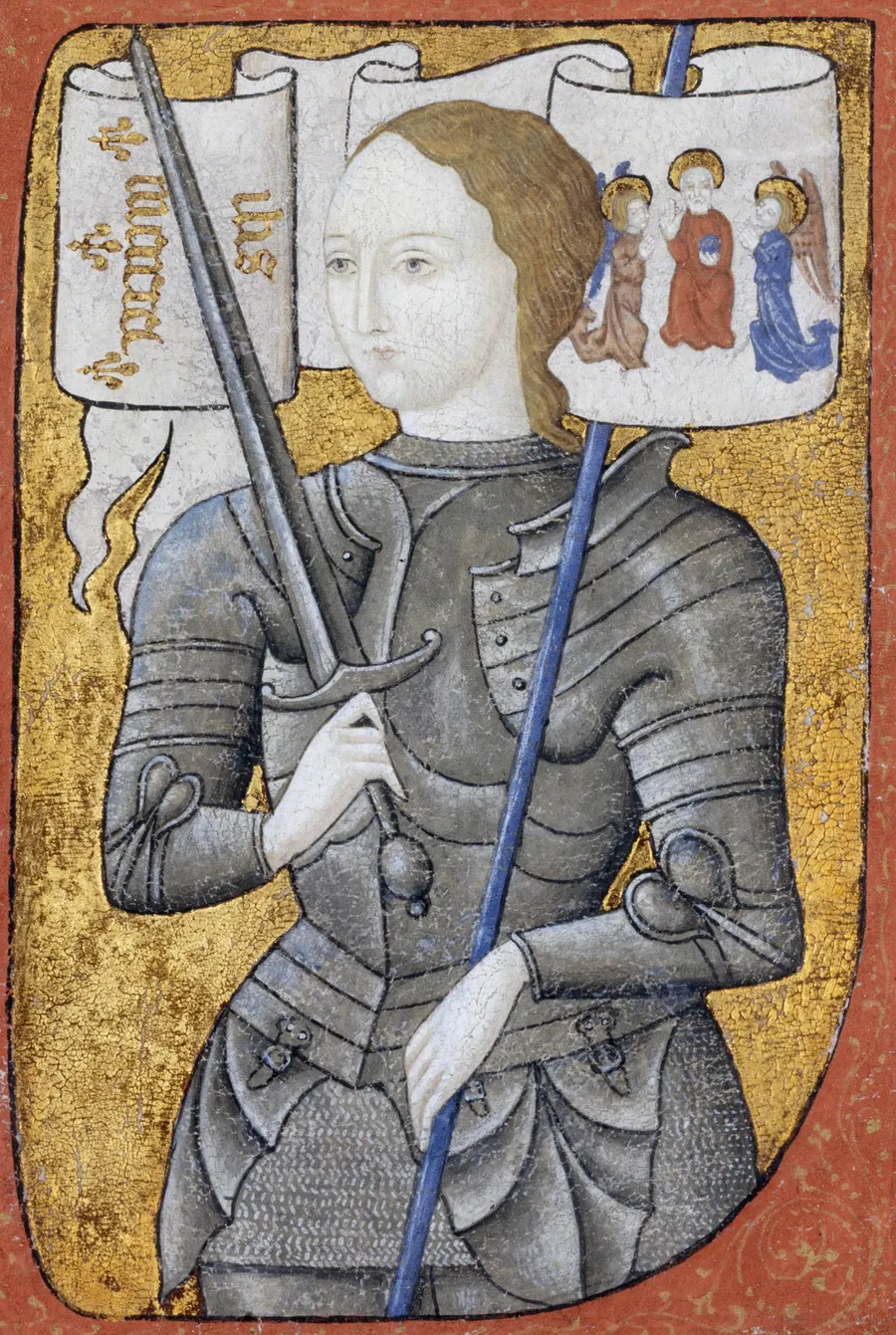
Joan of Arc in a decorated initial, a miniature probably made in the late 19th century, now in the French National ArchivesJoan of Arc in a decorated initial, a miniature probably made in the late 19th century, now in the French National ArchivesImage: Unknown · Public domain
culture · Europe

Joan of Arc dies at the stake in Rouen

Two years after she had helped lift the siege of Orléans and seen Charles VII crowned at Reims, Joan of Arc was a prisoner of the English. Captured by Burgundian troops in 1430 and handed over to their English allies, she was tried at Rouen by a church court led by Bishop Pierre Cauchon, a supporter of the English cause, on charges that included heresy. Worn down by months of questioning, she signed a recantation, but within days she had taken back her words and returned to wearing men’s clothes. The court declared her a relapsed heretic, and on 30 May 1431, aged about 19, she was burned in the old market square of Rouen. A later church inquiry overturned the verdict in 1456, and in 1920 she was made a saint, with 30 May as her feast day.

Source: Britannica: Saint Joan of Arc ↗
III
A CHANGING WORLD

Early Modern Era

Exploration, political change, scientific development and expanding global connections.

1631
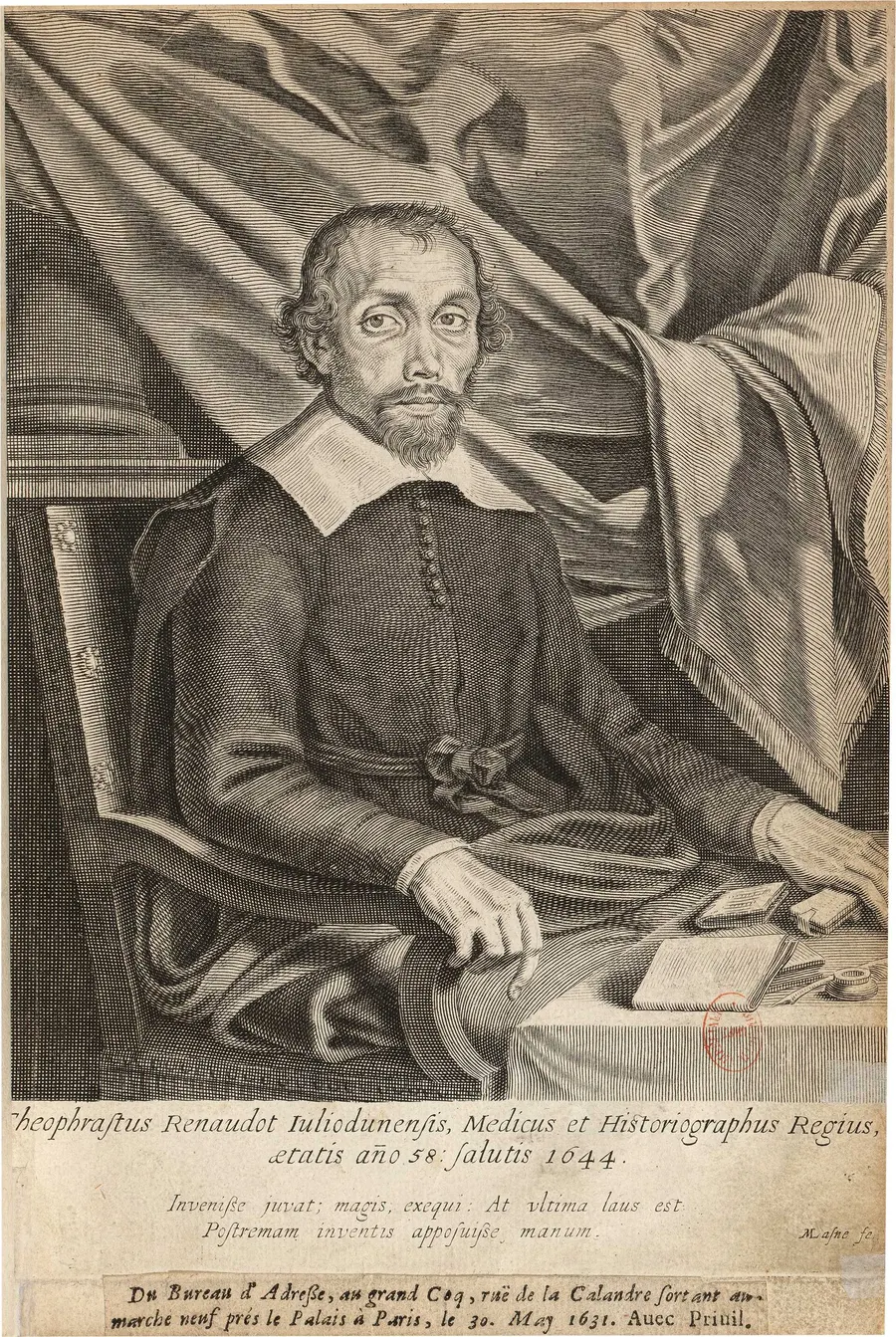
Théophraste Renaudot, founder of La GazetteThéophraste Renaudot, founder of La GazetteImage: Unknown author · Public domain
culture · Europe

France’s first weekly newspaper goes on sale

The physician and entrepreneur Théophraste Renaudot, who already ran an employment and information office in Paris, won a royal privilege with the backing of Cardinal Richelieu to publish a news sheet. The first issue of La Gazette, four small pages of news from home and abroad, appeared on 30 May 1631. It sold well, was copied across France, and under various names lasted for nearly three centuries.

Source: FranceArchives: Théophraste Renaudot ↗
1635
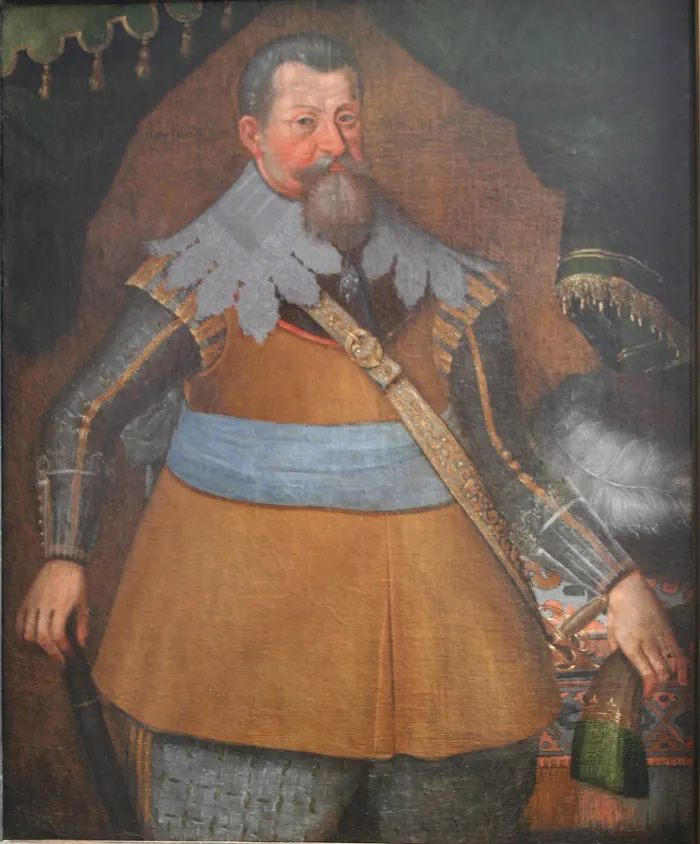
John George I, Elector of Saxony, who made peace with the emperor at Prague, in a portrait of 1637John George I, Elector of Saxony, who made peace with the emperor at Prague, in a portrait of 1637Image: Matthäus Crocinus · Public domain
world · Europe

The Peace of Prague tries to end the Thirty Years’ War

After the Swedish army’s heavy defeat at Nördlingen in 1634, the Lutheran Elector John George I of Saxony made terms with Emperor Ferdinand II, signed on 30 May 1635. The emperor suspended his hated Edict of Restitution and handed Lusatia to Saxony, and most German Protestant princes soon joined the peace. But Sweden fought on and France entered the war openly, which dragged on until 1648.

Source: Britannica: Peace of Prague ↗
IV
THE NINETEENTH CENTURY

The 1800s

Industry, empire, invention, reform and a century of enormous transformation.

1814
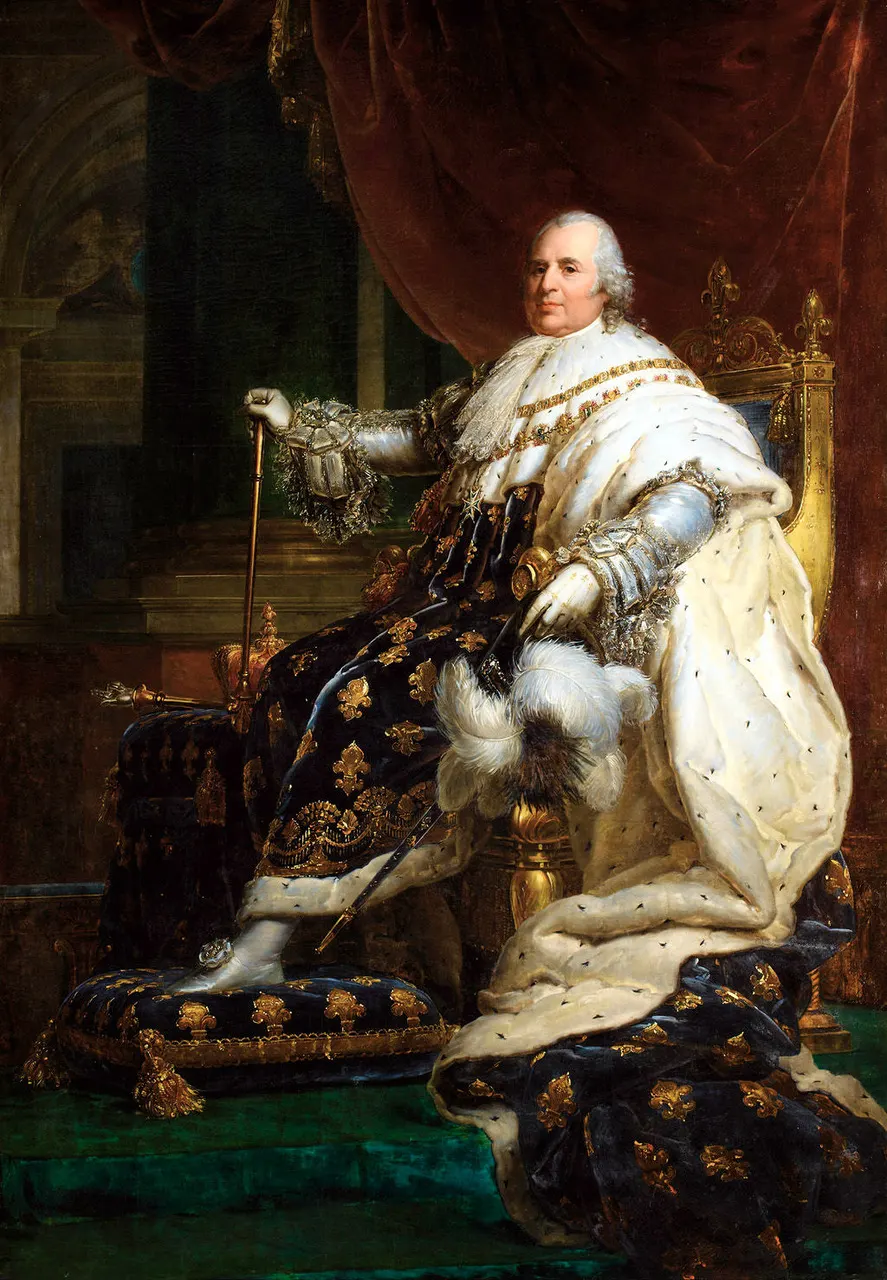
Louis XVIII, the restored Bourbon king whose government made the first Treaty of ParisLouis XVIII, the restored Bourbon king whose government made the first Treaty of ParisImage: François Gérard · Public domain
politics · Europe

The first Treaty of Paris makes peace with a defeated France

Napoleon had abdicated in April 1814 and Louis XVIII was back on the throne when France and the allied powers signed peace on 30 May. The terms were surprisingly generous: France kept its borders of January 1792 and most of its colonies, losing Tobago, Saint Lucia and Mauritius to Britain. Napoleon’s return from Elba the next year led to a much harsher second treaty.

Source: Britannica: Treaty of Paris (1814) ↗
1826
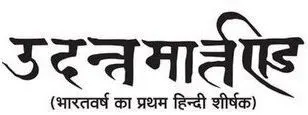
The masthead of Udant Martand, the first Hindi-language newspaperThe masthead of Udant Martand, the first Hindi-language newspaperImage: Jugal Kishore · CC BY-SA 4.0
culture · Asia

The first Hindi newspaper appears in Calcutta

In the 1820s Calcutta was the capital of British India and a busy centre of printing, with newspapers in English, Bengali and Persian. What it lacked was a paper for readers of Hindi, the language of much of northern India. Pandit Jugal Kishore Shukla, originally from Kanpur, set out to fill the gap with a weekly he called Udant Martand, roughly ‘the rising sun’. The first issue came out on 30 May 1826. Printing in Devanagari script far from the Hindi heartland was a struggle, and the paper had trouble reaching distant readers and paying its way, so it closed after a short life. Its place in history is secure all the same: India marks 30 May each year as Hindi Journalism Day in its honour.

Source: All India Radio News (Akashvani): Hindi Journalism Day being celebrated today ↗
1876
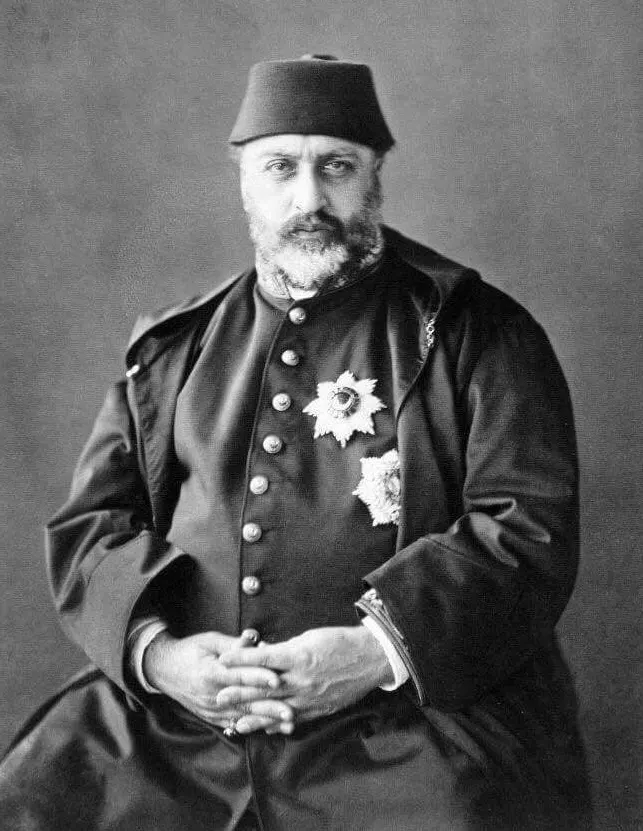
Sultan Abdülaziz, photographed by the Abdullah Frères studio in IstanbulSultan Abdülaziz, photographed by the Abdullah Frères studio in IstanbulImage: Abdullah frères · Public domain
politics · Middle East

Ottoman ministers depose Sultan Abdülaziz

Abdülaziz had ruled the Ottoman Empire since 1861. He spent heavily on the navy and on palaces, and by the mid-1870s the empire had defaulted on its debts while revolts spread through its Balkan provinces. A group of reforming ministers, led by the statesman Midhat Pasha, became convinced that only a change of sultan, and a constitution, could save the state. On 30 May 1876 they deposed Abdülaziz and placed his nephew Murad V on the throne. A few days later the former sultan was found dead, and his death was declared a suicide. The shock, and the murder of several ministers soon afterwards, left Murad in mental collapse; he was replaced in August by his brother Abdülhamid II, who granted the empire’s first constitution that December.

Source: Britannica: Abdülaziz ↗
V
THE TWENTIETH CENTURY

The 1900s

War and peace, technological leaps, social change, politics, sport and popular culture.

1911
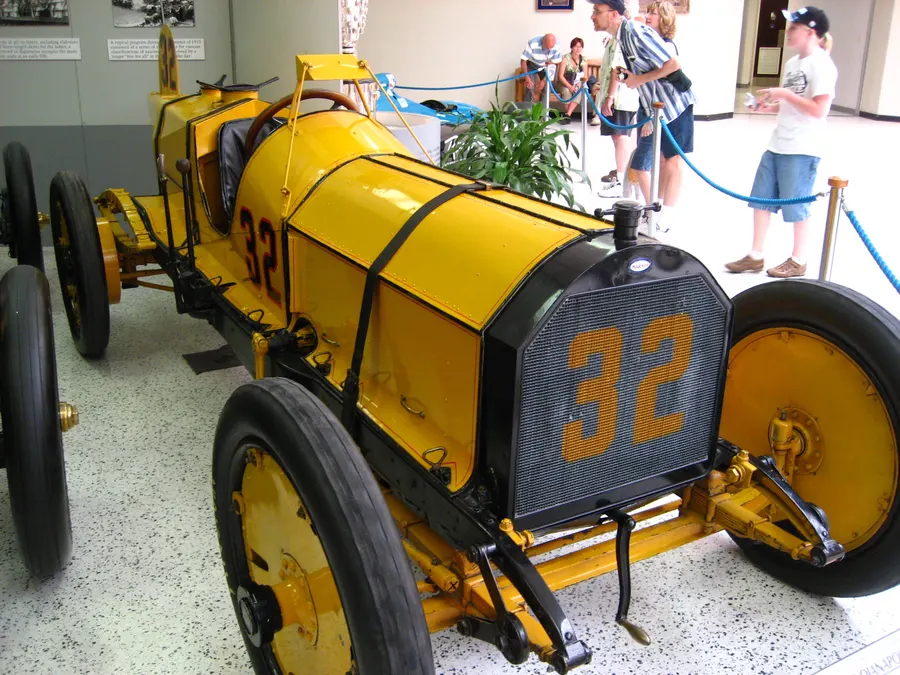
The Marmon Wasp, the car Ray Harroun drove to victory in the first Indianapolis 500, now in the speedway's museumThe Marmon Wasp, the car Ray Harroun drove to victory in the first Indianapolis 500, now in the speedway’s museumImage: The359 · CC BY-SA 3.0
sport · Americas

Ray Harroun wins the first Indianapolis 500

The Indianapolis Motor Speedway opened in 1909 as a testing ground and showcase for America’s young car industry, and its owners soon paved the 2.5-mile oval with millions of bricks. For 1911 they decided to stake everything on a single great race of 500 miles, and on 30 May a crowd of around 80,000 to 90,000 people turned out to watch 40 cars start. The race lasted more than six and a half hours. It was won by Ray Harroun, an engineer at the Marmon company, in a streamlined single-seater called the Wasp, averaging about 74.6 miles an hour. Rather than carry a riding mechanic to watch for traffic behind, Harroun fixed a mirror to his car, one of the earliest uses of a rear-view mirror. The race has been held at Indianapolis ever since.

Source: Indianapolis Motor Speedway: The First 500 ↗
1913
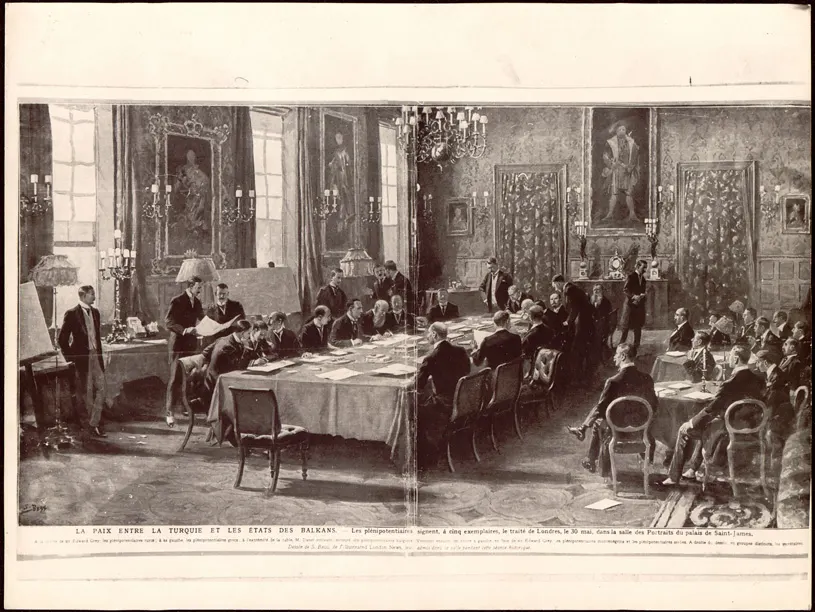
Delegates at the signing of the peace treaty in London on 30 May 1913Delegates at the signing of the peace treaty in London on 30 May 1913Image: Unknown author · Public domain
world · Europe

A treaty in London ends the First Balkan War

In October 1912 Bulgaria, Serbia, Greece and Montenegro went to war together against the Ottoman Empire, and within weeks their armies had overrun most of its remaining lands in Europe. Peace talks opened in London under the watchful eye of the great powers, broke down, and resumed after more fighting, including the fall of the great Ottoman fortress city of Edirne in March 1913. On 30 May 1913 the Treaty of London was signed. The Ottomans gave up almost all their European territory apart from a strip near Constantinople, and the powers insisted on an independent Albania. But the victors could not agree how to share out Macedonia. Just a month later Bulgaria attacked its former allies, starting a Second Balkan War that ended with Bulgaria losing much of what it had won.

Source: Britannica: Treaties of London ↗
1961
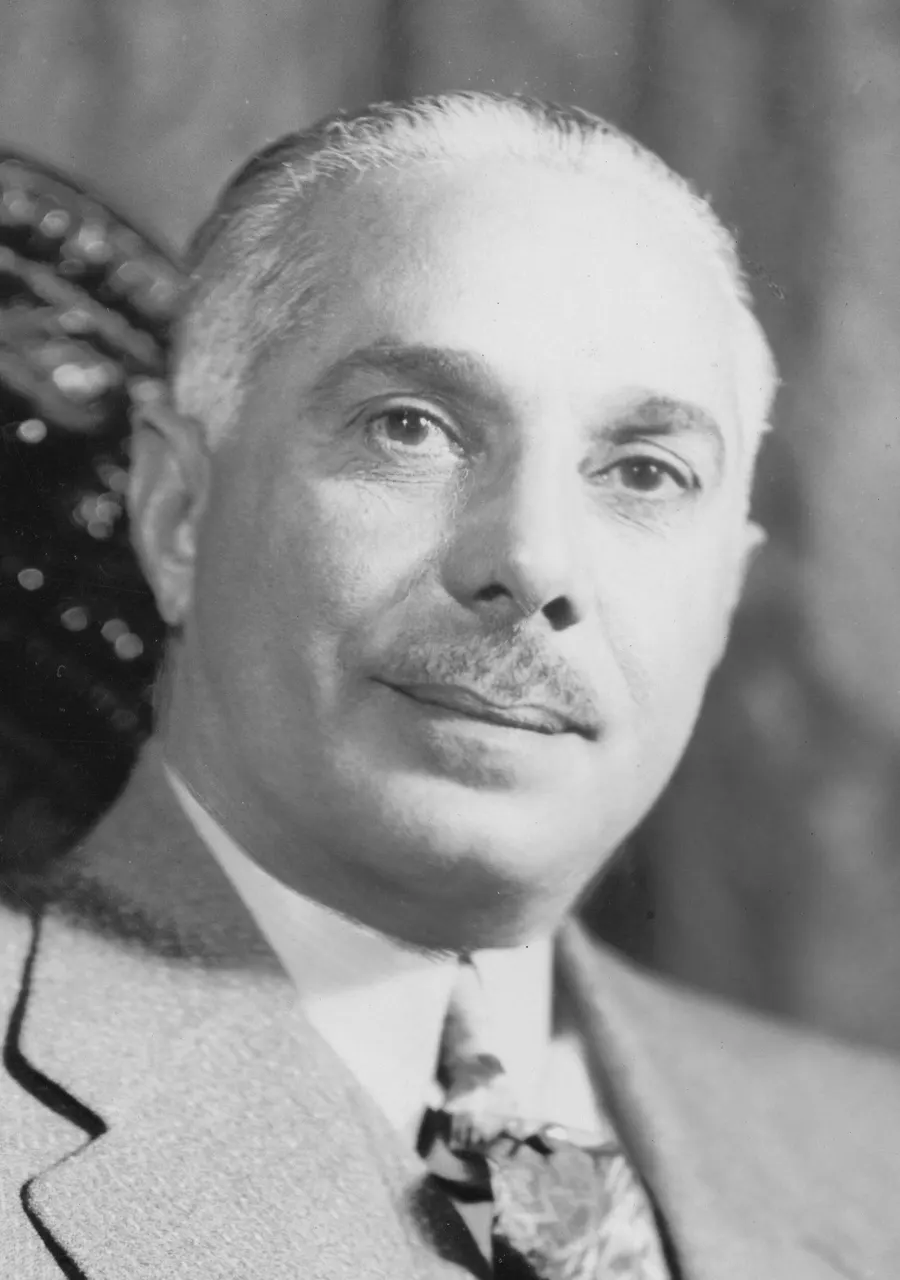
Rafael Trujillo, dictator of the Dominican Republic from 1930 to 1961Rafael Trujillo, dictator of the Dominican Republic from 1930 to 1961Image: Unknown author. · Public domain
politics · Americas

The Dominican dictator Rafael Trujillo is killed

Rafael Trujillo, an army officer, seized control of the Dominican Republic in 1930 and held it for more than thirty years, whether or not he was officially president. His regime renamed the capital after him, made him one of the richest men in the Americas and dealt ruthlessly with opponents, and in 1937 his troops killed thousands of Haitians living near the border. By 1961 opposition at home was growing and he had lost the support of the United States and his neighbours. On the night of 30 May a group of conspirators ambushed his car on the road out of the capital as he was being driven to his farm at San Cristóbal, and shot him dead. Many of the plotters were hunted down, but his family’s grip on power soon collapsed.

Source: Britannica: Rafael Trujillo ↗
1967
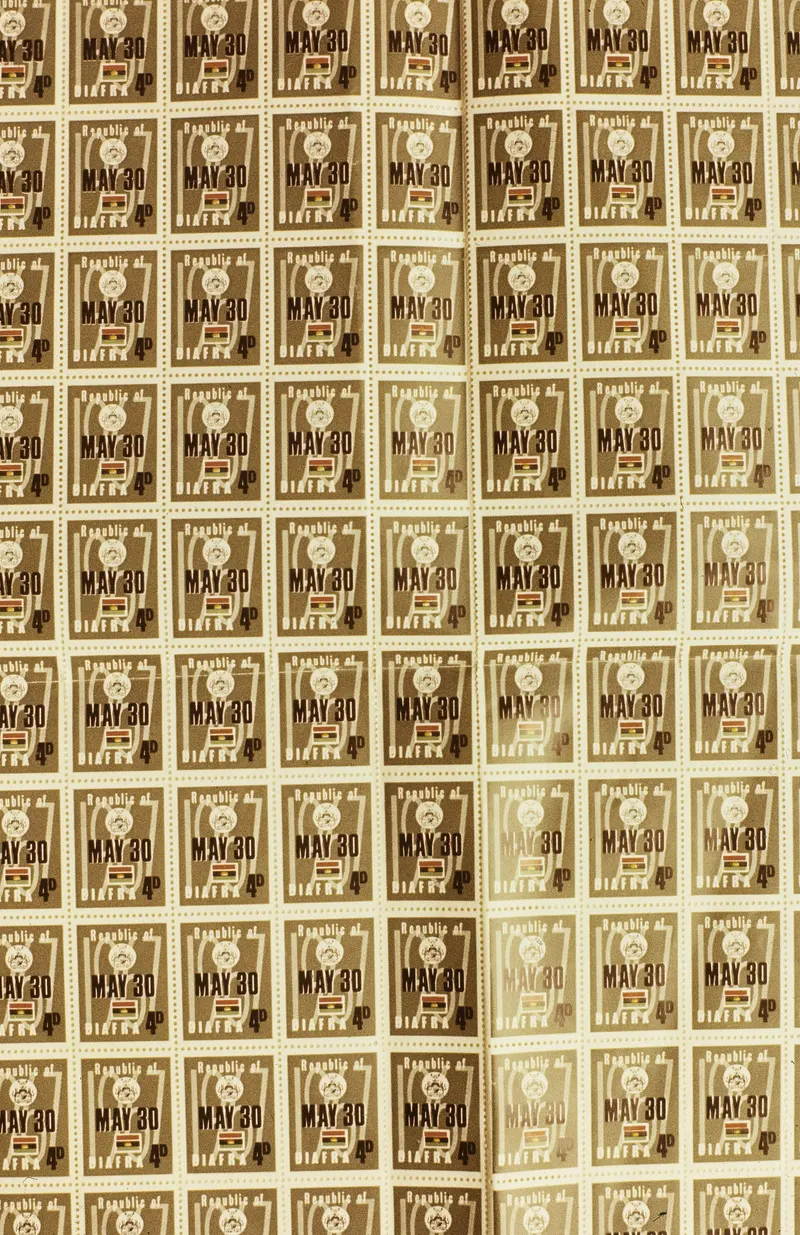
A sheet of Biafran stamps inscribed "Republic of Biafra, May 30", the day independence was declaredA sheet of Biafran stamps inscribed “Republic of Biafra, May 30”, the day independence was declaredImage: Aart Rietveld · CC BY-SA 4.0
politics · Africa

Biafra breaks away from Nigeria

Seven years after independence, Nigeria was being pulled apart. Two military coups in 1966 were followed by the killing of thousands of Igbo people in the north, and huge numbers fled home to the Igbo-dominated Eastern Region. Its military governor, Lieutenant Colonel Odumegwu Ojukwu, came to believe that the east could no longer be safe inside the federation, and talks with the federal leader Yakubu Gowon failed. On 30 May 1967 Ojukwu proclaimed the region an independent state, the Republic of Biafra. The federal government in Lagos treated this as rebellion, and fighting broke out in July. The war that followed lasted two and a half years; a blockade brought famine to Biafra, and hundreds of thousands of people died, many of them from hunger, before Biafra surrendered in January 1970.

Source: Britannica: Nigerian Civil War ↗
1975
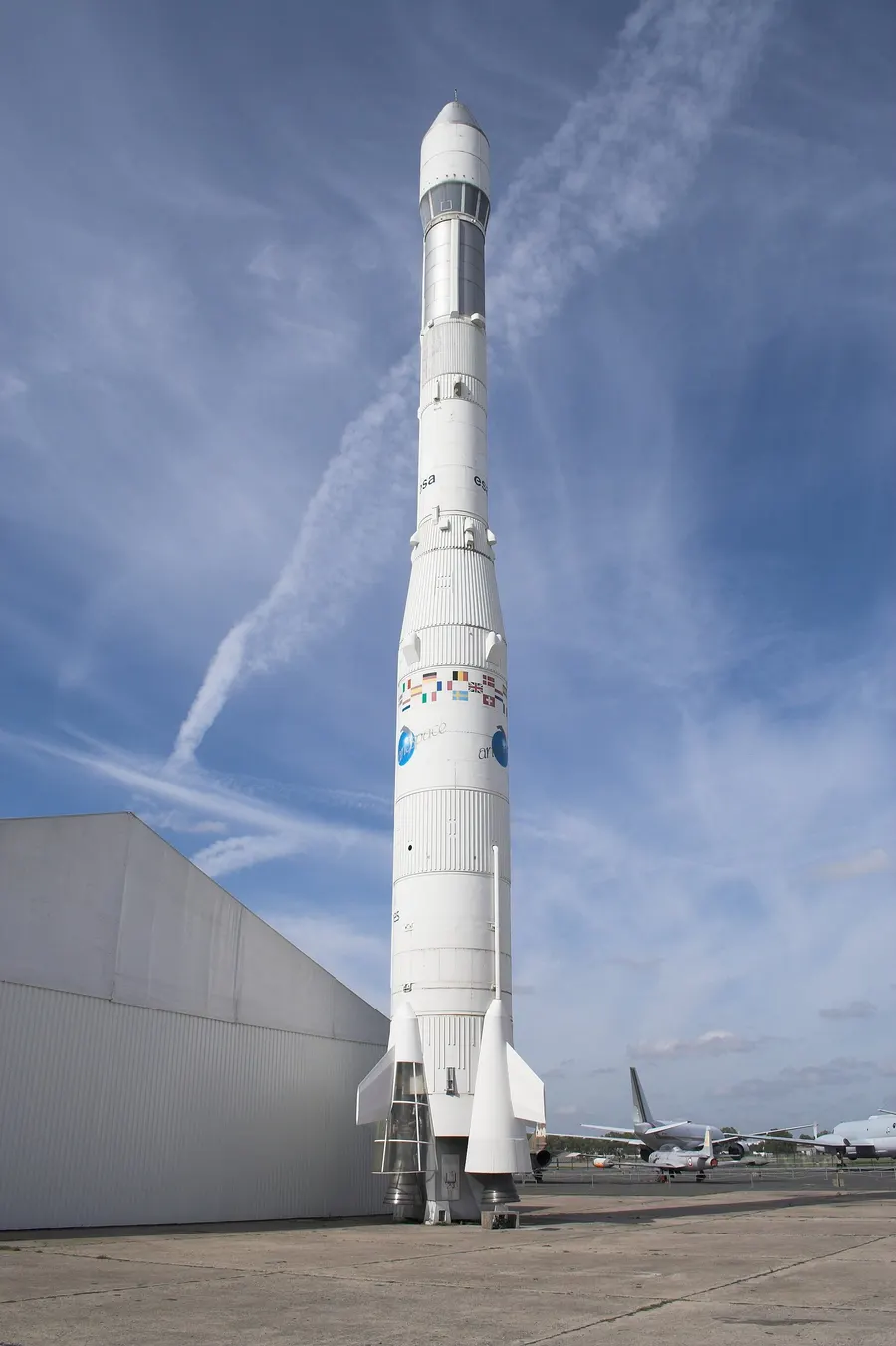
A full-size Ariane 1, ESA's first launcher, on display at Le Bourget near ParisA full-size Ariane 1, ESA’s first launcher, on display at Le Bourget near ParisImage: ignis · CC BY-SA 3.0
science · Europe

European countries sign up to a single space agency

Europe’s space efforts had been split between two bodies, one for research satellites and one for rockets. At a conference in Paris on 30 May 1975 the convention creating the European Space Agency was opened for signature and signed by nine countries, with Ireland following at the end of the year. ESA took over the work of both bodies, and its Ariane rocket first flew in 1979.

Source: European Space Agency: History, ESA Convention 1975 ↗
1987
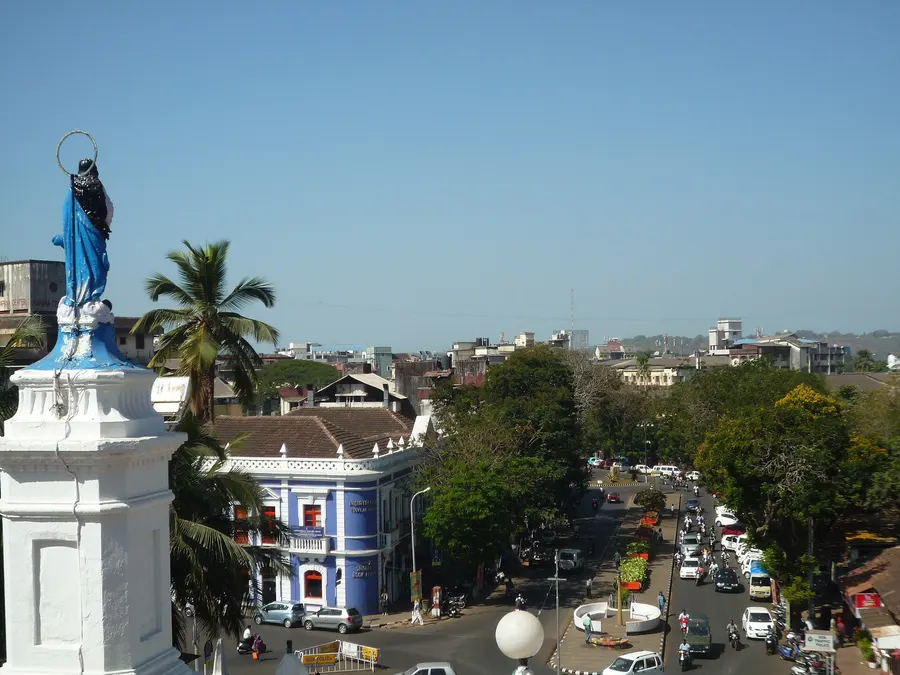
A street in Panaji, the capital of GoaA street in Panaji, the capital of GoaImage: Макс Вальтер · CC BY-SA 3.0
politics · Asia

Goa becomes India’s 25th state

For more than four centuries Goa was a Portuguese colony, until Indian forces ended Portuguese rule in December 1961. It was then governed from Delhi as a union territory together with Daman and Diu. After years of campaigning by Goans to protect their distinct identity, a constitutional amendment made Goa a full state of India on 30 May 1987, and the day is now celebrated as Goa Statehood Day.

Source: Government of Goa, Department of Information and Publicity: Milestones of Goa ↗
VI
2000 TO TODAY

Modern Day

The events of recent decades that have already become part of the historical record.

2012
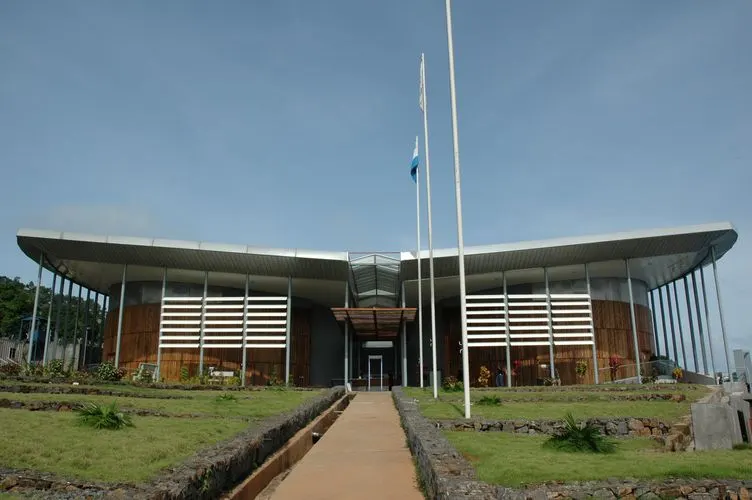
The Special Court for Sierra Leone building in Freetown, photographed in 2005The Special Court for Sierra Leone building in Freetown, photographed in 2005Image: ALFA-CODE · CC BY-SA 3.0

world · Africa

Former Liberian president Charles Taylor is sentenced to 50 years

Charles Taylor, president of Liberia from 1997 to 2003, was tried by the UN-backed Special Court for Sierra Leone, sitting in The Hague for security reasons. Found guilty in April 2012 of aiding and abetting crimes by rebel forces during Sierra Leone’s civil war, he was sentenced on 30 May to 50 years in prison. He was the first former head of state convicted by an international court since the Nuremberg trials.

Source: UN News: Special Court sentences former Liberian leader Charles Taylor to 50 years in prison ↗
2020
NASA astronauts Bob Behnken and Doug Hurley, the crew of the Demo-2 flight, seated in their Crew Dragon capsuleNASA astronauts Bob Behnken and Doug Hurley, the crew of the Demo-2 flight, seated in their Crew Dragon capsuleImage: SpaceX · CC0
science · Americas

A privately built spacecraft carries astronauts into orbit

After the Space Shuttle was retired in 2011, the United States had no way of launching its own astronauts and relied on Russian Soyuz rockets to reach the International Space Station. NASA’s answer was to pay private companies to build and fly new crew spacecraft, and SpaceX’s Crew Dragon was the first to be ready for a test flight with people on board. On 30 May 2020 NASA astronauts Bob Behnken and Doug Hurley lifted off on a Falcon 9 rocket from Launch Complex 39A at the Kennedy Space Center, the pad once used by Apollo and the Shuttle. It was the first crewed launch from American soil in nine years. Their capsule docked with the space station the next day, and they splashed down safely in the Gulf of Mexico in August.

Source: NASA: NASA Astronauts Launch from America in Historic Test Flight of SpaceX Crew Dragon ↗
RESEARCH

Sources & Further Reading

Selected authoritative references supporting the events on this page.

Britannica: Saint Joan of Arc↗Catholic Encyclopedia: St. Joan of Arc↗FranceArchives: Théophraste Renaudot↗Bibliothèque nationale de France: Gazette (Paris, 1631), catalogue record↗Britannica: Peace of Prague↗Catholic Encyclopedia: The Thirty Years War↗Britannica: Treaty of Paris (1814)↗Britannica: Treaties of Paris (1814-1815)↗All India Radio News (Akashvani): Hindi Journalism Day being celebrated today↗Government of India, New India Samachar (PIB): Ignited the Revolution↗Britannica: Abdülaziz↗Britannica: Murad V↗Indianapolis Motor Speedway: The First 500↗Britannica: The First Indy 500, a Spectacular Start in 1911↗Britannica: Treaties of London↗Office of the Historian, US State Department: Treaty of peace signed at London on May 30, 1913↗Britannica: Rafael Trujillo↗Britannica: History of the Dominican Republic↗Britannica: Nigerian Civil War↗Britannica: Odumegwu Ojukwu↗European Space Agency: History, ESA Convention 1975↗European Space Agency: ESA Convention↗Government of Goa, Department of Information and Publicity: Milestones of Goa↗National Portal of India, Know India: Goa↗UN News: Special Court sentences former Liberian leader Charles Taylor to 50 years in prison↗Residual Special Court for Sierra Leone: Press release, Charles Taylor sentenced to 50 years↗NASA: NASA Astronauts Launch from America in Historic Test Flight of SpaceX Crew Dragon↗NASA Kennedy Space Center blog: NASA, SpaceX Successfully Launch Demo-2 Mission↗
WHY THESE MOMENTS?

Significance before volume

This page is not the longest possible list of events. It is a chronological journey through 30 May, where each entry is chosen for historical significance, human interest and reliability.

Facts are checked against authoritative museums, archives, universities and reference works. Where sources disagree, the page says so.

EXPLORED THE DEEPER STORY?

Return to the highlights of 30 May

Discover the lighter side of the date with famous birthdays, culture, firsts and lives remembered.

Explore This Day →
← PREVIOUS DAY29 May
HISTORY & TIMELINE30 May
NEXT DAY →31 May