
HISTORY & TIMELINE
31 May

A journey through
31 May in history

The story of 31 May runs from a Roman emperor killed by his own people as the Vandals closed in on Rome in 455 to Angola’s rival leaders signing a peace deal in Lisbon in 1991. In between come a king laying the first stone of the Pont Neuf, Samuel Pepys closing his diary, a truce drawn along the Great Wall of China, midget submarines slipping into Sydney Harbour and a ceasefire line on the Golan Heights.

I
EARLIEST RECORDS

Ancient & Early History

The earliest worthwhile records and events connected with this date.

455
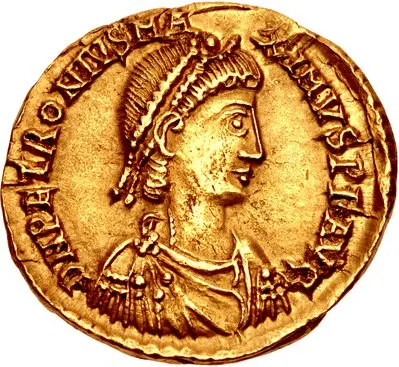
A gold solidus of Petronius Maximus from the Rome mint, emperor for barely eleven weeksA gold solidus of Petronius Maximus from the Rome mint, emperor for barely eleven weeksImage: CNG Coins · CC BY-SA 2.5
politics · Europe

A Roman emperor is killed as the Vandals approach

The wealthy senator Petronius Maximus seized the Western Roman throne in March 455 after the murder of Valentinian III. The Vandal king Gaiseric declared that his treaty with Rome had died with Valentinian, and sailed for Italy. As the Vandal fleet neared, Maximus tried to flee the city and on 31 May was killed by an angry Roman crowd. Days later the Vandals entered Rome and plundered it for two weeks.

Source: Britannica: Petronius Maximus ↗
II
THE MIDDLE AGES

Medieval History

Kingdoms, conflict, faith, power and the changing medieval world.

1223
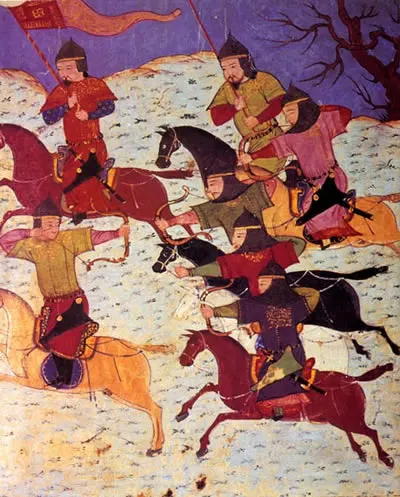
Mongol horsemen in a 14th-century Persian manuscript, the Jami al-tawarikh of Rashid al-DinMongol horsemen in a 14th-century Persian manuscript, the Jami al-tawarikh of Rashid al-DinImage: Sayf al-Vâhidî. Hérât. Afghanistan · Public domain
world · Europe

The Mongols crush the princes of Rus’ on the Kalka River

After destroying the Khwarazmian Empire in Central Asia, Genghis Khan allowed two of his finest generals, Jebe and Subutai, to lead a great reconnaissance raid to the west. Their horsemen rode through the Caucasus and out on to the steppes north of the Black Sea, where they beat the nomadic Cumans. The surviving Cuman chiefs fled to their neighbours, the princes of Kievan Rus’, and begged for help. Several princes, among them Mstislav of Kiev and Mstislav of Galich, joined forces and marched east. The Mongols drew them on with a long retreat, then turned to fight beside the Kalka River, near the Sea of Azov, on 31 May 1223. When the Cumans broke and fled, they threw the Rus’ ranks into confusion, and the Mongol cavalry cut the allied army to pieces. The raiders then rode home, and did not return for about fifteen years.

Source: Britannica: Battle of the Kalka River ↗
III
A CHANGING WORLD

Early Modern Era

Exploration, political change, scientific development and expanding global connections.

1578
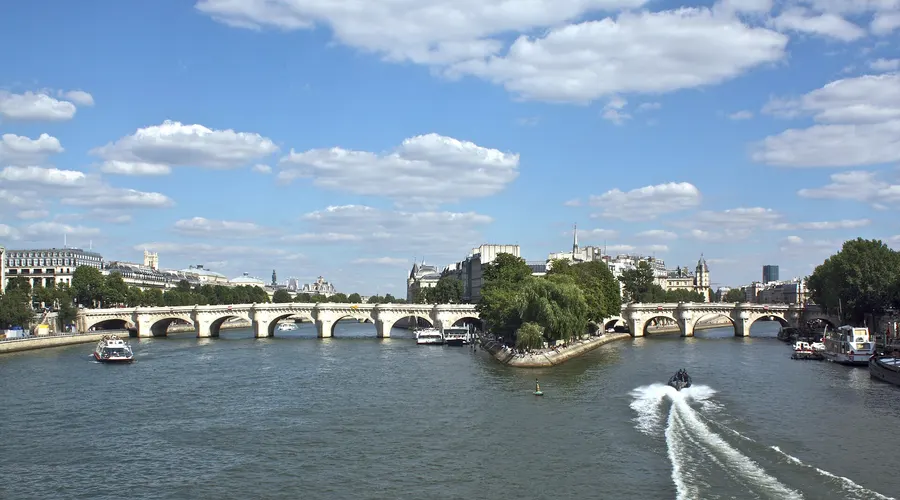
The Pont Neuf crossing the Seine in ParisThe Pont Neuf crossing the Seine in ParisImage: Rmrfstar · CC BY-SA 3.0
world · Europe

The first stone of the Pont Neuf is laid in Paris

On 31 May 1578 King Henri III laid the first stone of a new bridge across the Seine at the tip of the Île de la Cité, linking the Louvre with the growing districts of the left bank. Built of stone, with no houses along it, it was a new kind of bridge for Paris. Wars of religion and money troubles slowed the work, and it was finished under Henri IV. Despite its name, the ‘New Bridge’ is now the oldest in Paris.

Source: Ville de Paris: Paris et ses ponts, toute une histoire ↗
1669
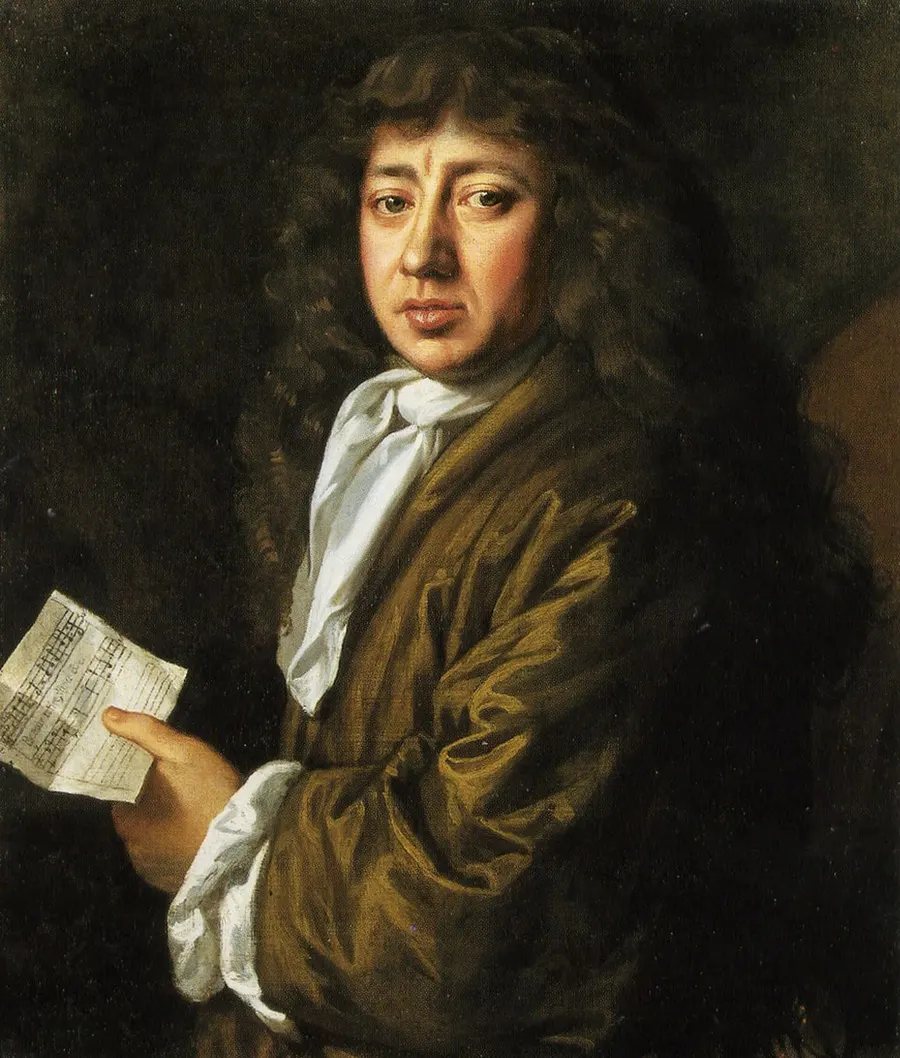
Samuel Pepys, painted by John Hayls in 1666Samuel Pepys, painted by John Hayls in 1666Image: John Hayls · Public domain
culture · Europe

Samuel Pepys writes the last entry in his diary

For more than nine years, from the first day of 1660, the London naval official Samuel Pepys wrote a private diary in shorthand. He set down everything: the return of King Charles II, the Great Plague of 1665, the Great Fire of London the following year, the business of the Navy Office, and his own quarrels, pleasures, music and meals, with a frankness rare in any age. By 1669 his eyes were giving him so much pain that he feared he was going blind, and on 31 May he wrote a sad last entry, saying he must now give the diary up. In fact his sight held, and he went on to a long career running the navy. He left his library, diary included, to Magdalene College, Cambridge. When the shorthand was deciphered and published in the 1800s, it became one of the most loved records of English life ever written.

Source: Britannica: The Diary of Samuel Pepys ↗
IV
THE NINETEENTH CENTURY

The 1800s

Industry, empire, invention, reform and a century of enormous transformation.

1859
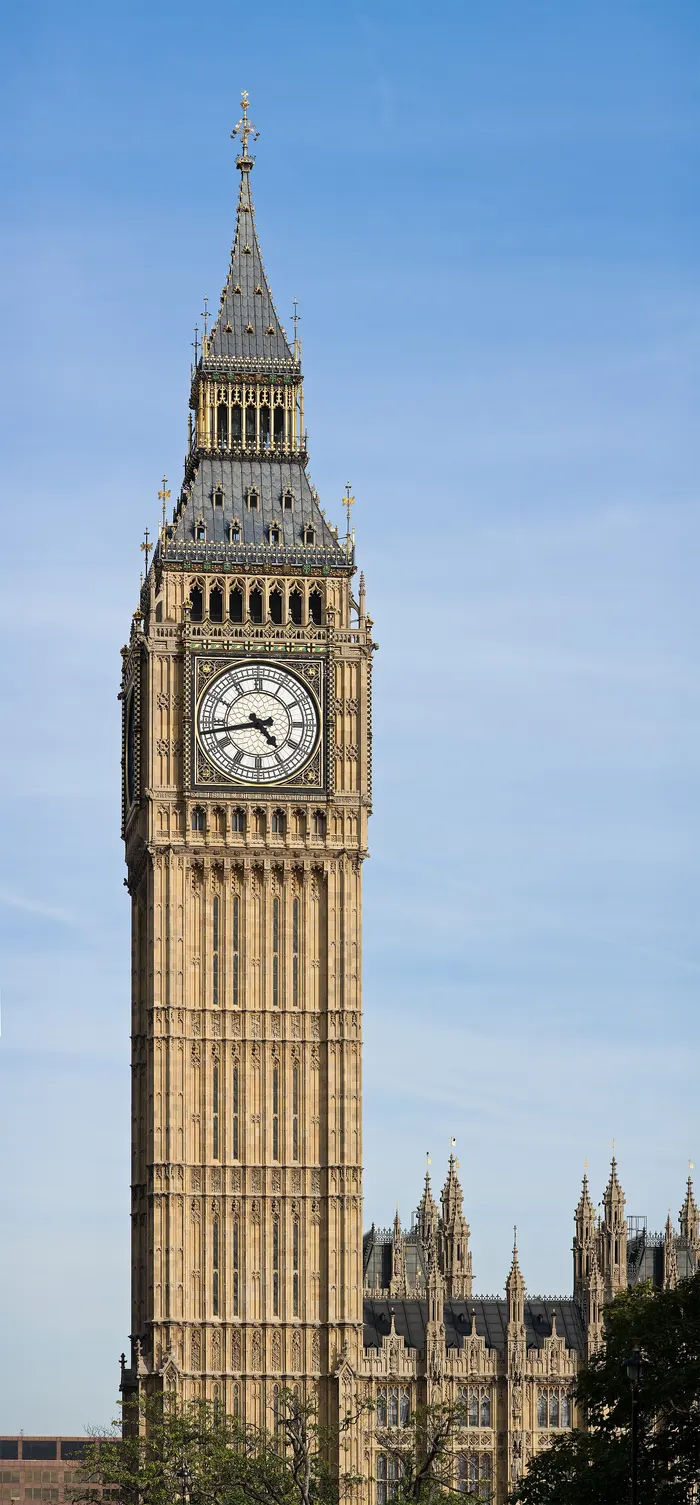
The clock tower of the Palace of Westminster, now called the Elizabeth Tower, home of the Great Clock and Big BenThe clock tower of the Palace of Westminster, now called the Elizabeth Tower, home of the Great Clock and Big BenImage: Diliff · CC BY 3.0
world · Europe

Westminster’s Great Clock starts keeping time

When the Palace of Westminster was rebuilt after the fire of 1834, its new clock tower was meant to hold the finest public clock in the world. The Astronomer Royal, George Airy, demanded that it be accurate to within a second, a standard many clockmakers thought impossible for so large a mechanism. The amateur horologist Edmund Beckett Denison produced the design, and the firm of Edward Dent built it. The clock was installed in the tower in April 1859 and began keeping time on 31 May. The great hour bell, nicknamed Big Ben, first rang out that July, but cracked within a few months and stayed silent for about four years. The clock itself proved remarkably reliable, and its chimes became one of the best-known sounds in the world. In 2012 the tower was renamed the Elizabeth Tower.

Source: UK Parliament: A brief history of Big Ben and Elizabeth Tower ↗
1879
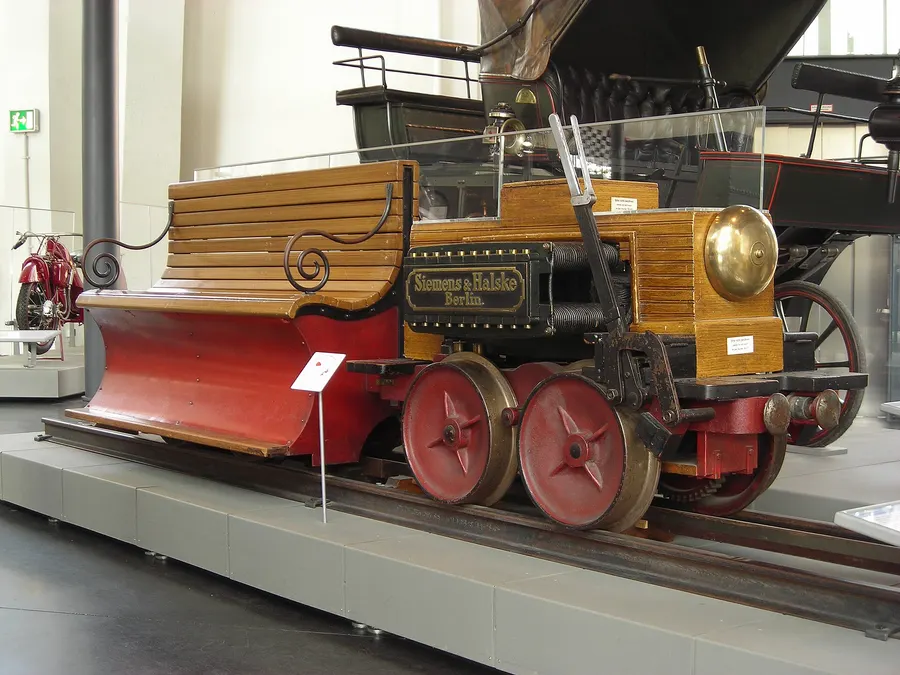
The small electric locomotive built by Siemens & Halske in 1879The small electric locomotive built by Siemens & Halske in 1879Image: Mattes · Public domain
world · Europe

Siemens shows off the world’s first electric railway

In 1866 the Berlin engineer Werner von Siemens discovered the dynamo-electric principle, which made it possible to generate electricity cheaply and in large amounts. By the late 1870s his firm, Siemens & Halske, was producing dynamos in series and looking for new ways to put electric power to work, from lighting streets and arcades to driving machines that until then had depended on steam, water or muscle. On 31 May 1879 the company unveiled its answer at the Berlin Trade Exhibition: a small electric locomotive drawing open carriages full of visitors around a circuit in the exhibition grounds, with the current fed to it through the track instead of from a boiler or a horse. It was a showpiece rather than a working line, but it proved that electric traction was practical, and within a few years electric trams and underground railways were being built across Europe.

Source: Siemens: Siemens presents the world’s first electric railway ↗
V
THE TWENTIETH CENTURY

The 1900s

War and peace, technological leaps, social change, politics, sport and popular culture.

1902
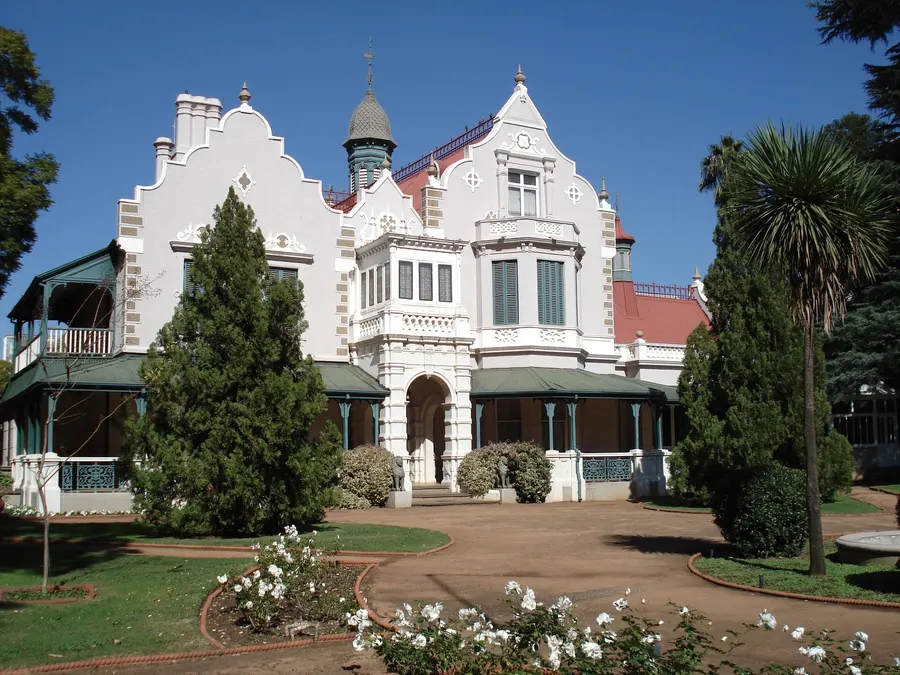
Melrose House in Pretoria, where the peace ending the South African War was signedMelrose House in Pretoria, where the peace ending the South African War was signedImage: Cvanrooyen · CC BY-SA 3.0
politics · Africa

Peace is signed at Vereeniging, ending the Boer War

By 1902 the war between the British Empire and the two Boer republics, the South African Republic (Transvaal) and the Orange Free State, had dragged on for more than two and a half years. Boer commandos fought on in the countryside, while British forces burned farms and held civilians in camps. In May, Boer delegates gathered at Vereeniging, on the Vaal River, to decide whether to accept British terms. They voted to make peace, and late on 31 May 1902 the treaty was signed in the dining room of Melrose House in Pretoria. The two republics lost their independence and came under British rule, but the Boers received an amnesty, a promise of self-government and £3 million to rebuild their farms. The question of votes for Black South Africans was put off, a decision with long consequences. Eight years later to the day, the Union of South Africa was born.

Source: South African History Online: Peace Treaty of Vereeniging, 31 May 1902 ↗
1916
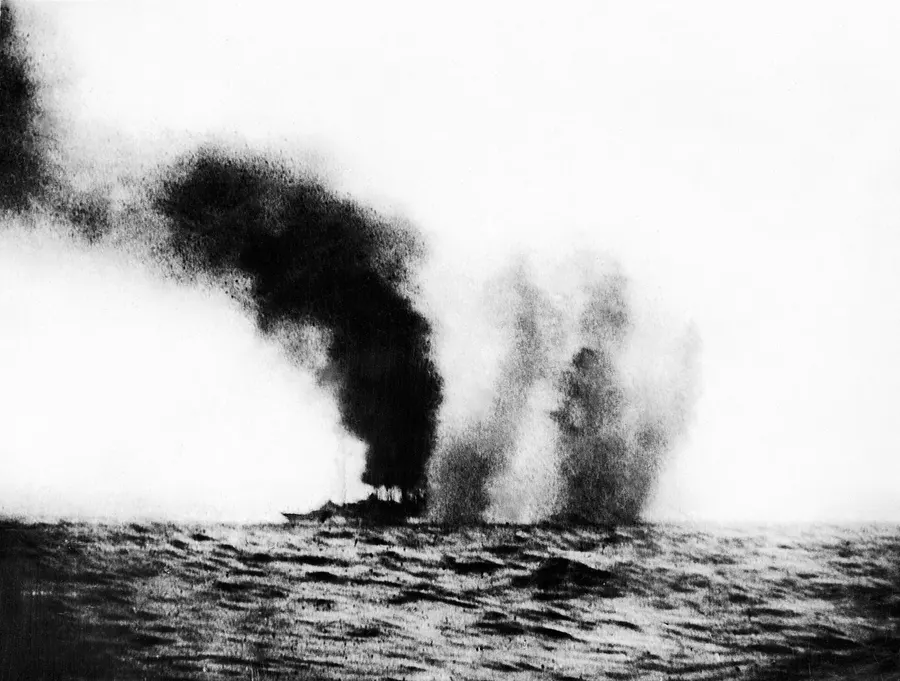
The light cruiser HMS Birmingham under fire from the German High Seas Fleet at Jutland, 31 May 1916The light cruiser HMS Birmingham under fire from the German High Seas Fleet at Jutland, 31 May 1916Image: Royal Navy official photographer · Public domain
world · Europe

Britain and Germany fight the great sea battle of Jutland

For most of the First World War the two largest battle fleets in the world, Britain’s Grand Fleet and Germany’s High Seas Fleet, had watched each other across the North Sea. In late May 1916 the German commander, Admiral Reinhard Scheer, planned to lure part of the British fleet into a trap. British codebreakers picked up the signals, and Admiral John Jellicoe put to sea with his whole fleet before the Germans had even sailed. The fleets met off the coast of Jutland, in Denmark, on the afternoon of 31 May, and the fighting went on into the night. Around 250 ships and 100,000 men took part. Britain lost 14 ships and about 6,000 sailors, Germany 11 ships and about 2,500 men, and both sides claimed victory. But the German fleet slipped home and seldom ventured out again, leaving Britain in command of the North Sea.

Source: Imperial War Museums: Battle of Jutland ↗
1933
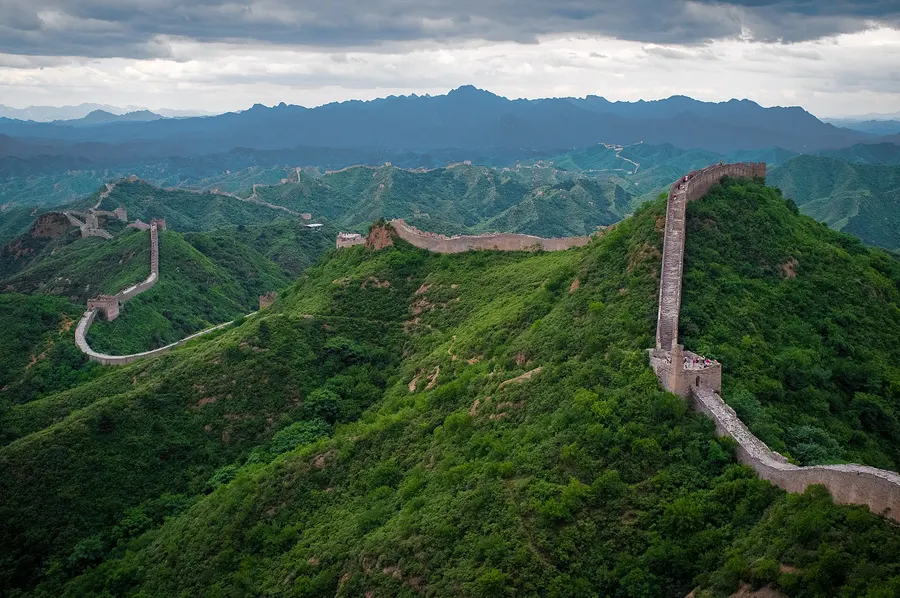
The Great Wall of China, which marked the edge of the zone set up by the truceThe Great Wall of China, which marked the edge of the zone set up by the truceImage: Severin.stalder · CC BY-SA 3.0
world · Asia

The Tanggu Truce draws a line at the Great Wall

Japan seized Manchuria in 1931 and early in 1933 pushed on into the province of Rehe, then sent troops south of the Great Wall towards Beijing. On 31 May 1933 Chinese and Japanese officers signed a truce at Tanggu, near Tianjin, creating a demilitarised zone between Beijing and the Great Wall. It halted the fighting but left Manchuria in Japanese hands, and full-scale war between the two countries followed in 1937.

Source: Britannica: Empire of Japan, the road to World War II ↗
1942
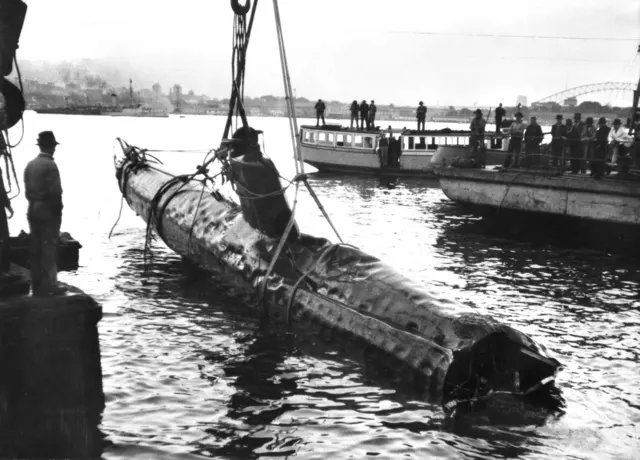
A Japanese midget submarine being raised from the bed of Sydney Harbour on 1 June 1942, the day after the raidA Japanese midget submarine being raised from the bed of Sydney Harbour on 1 June 1942, the day after the raidImage: Keam, Ronald Noel · Public domain
world · Oceania

Japanese midget submarines raid Sydney Harbour

On the night of 31 May 1942 three Japanese submarines lying off Sydney each released a two-man midget submarine. One became caught in the anti-submarine net and its crew blew it up. Another fired two torpedoes at the American cruiser USS Chicago; both missed, but one exploded under the depot ship HMAS Kuttabul, killing 21 sailors. The third was sunk by depth charges. The missing midget was finally found by divers off Sydney’s northern beaches in 2006.

Source: Royal Australian Navy: Japanese midget submarine attack on Sydney Harbour ↗
1970
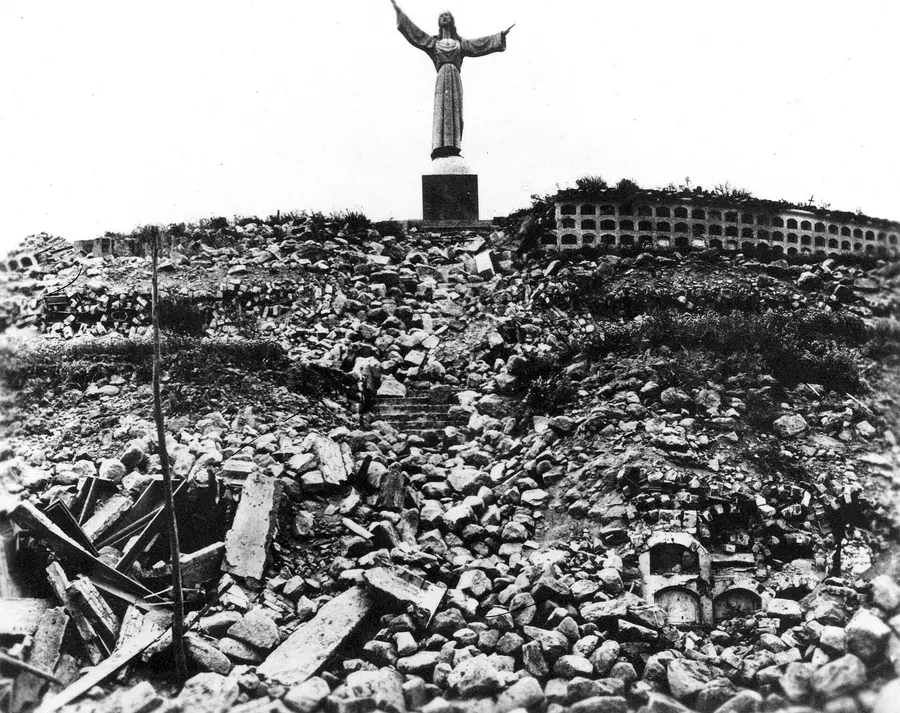
The statue of Christ on Cemetery Hill, which with four palm trees was nearly all that remained of Yungay, photographed in 1970The statue of Christ on Cemetery Hill, which with four palm trees was nearly all that remained of Yungay, photographed in 1970Image: U.S. Geological Survey · Public domain
world · Americas

An earthquake and avalanche devastate Peru’s Ancash region

At about twenty past three on the afternoon of 31 May 1970, a magnitude 7.9 earthquake struck beneath the Pacific, some 25 kilometres off the Peruvian fishing port of Chimbote. The violent shaking brought down thousands of homes built of adobe mud brick in the coastal towns and in the mountain valleys of the Ancash region, including much of the city of Huaraz. High above the valley, the quake broke loose a vast mass of rock and ice from the north peak of Huascarán, Peru’s highest mountain. It swept down at hundreds of kilometres an hour and buried the town of Yungay and part of Ranrahirca. In all, around 50,000 people died and some 20,000 more were never found, making it the worst natural disaster in Peru’s history. Old Yungay is now a memorial site, and a new town was built nearby.

Source: Britannica: Ancash earthquake of 1970 ↗
1974
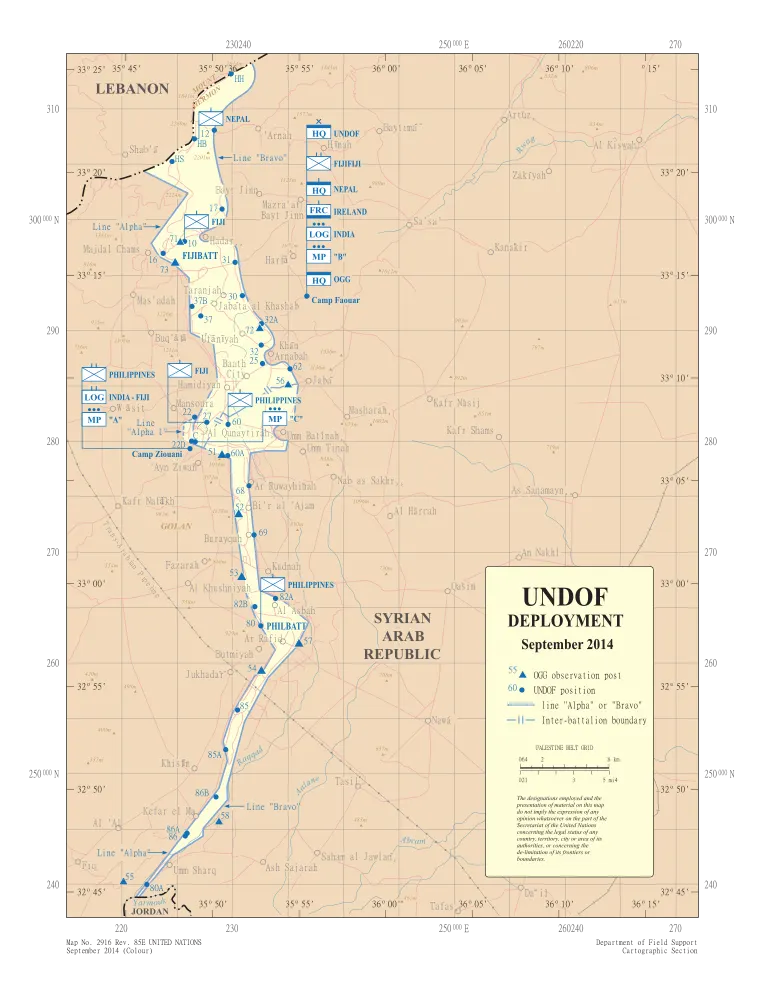
A United Nations map of the UNDOF area of separation on the Golan Heights, 2014A United Nations map of the UNDOF area of separation on the Golan Heights, 2014Image: Department of Field Support Cartographic Section, United Nations · Public domain
politics · Middle East

Israel and Syria agree to pull their armies apart

After the war of October 1973, Israeli and Syrian forces still faced each other on the Golan Heights. Months of American shuttle diplomacy produced an agreement, signed on 31 May 1974, to separate the two armies, exchange prisoners and create a buffer zone between them. The same day the UN Security Council set up the UN Disengagement Observer Force to watch over it. It was not a peace treaty, but the line held for decades.

Source: UNDOF: Background ↗
1991
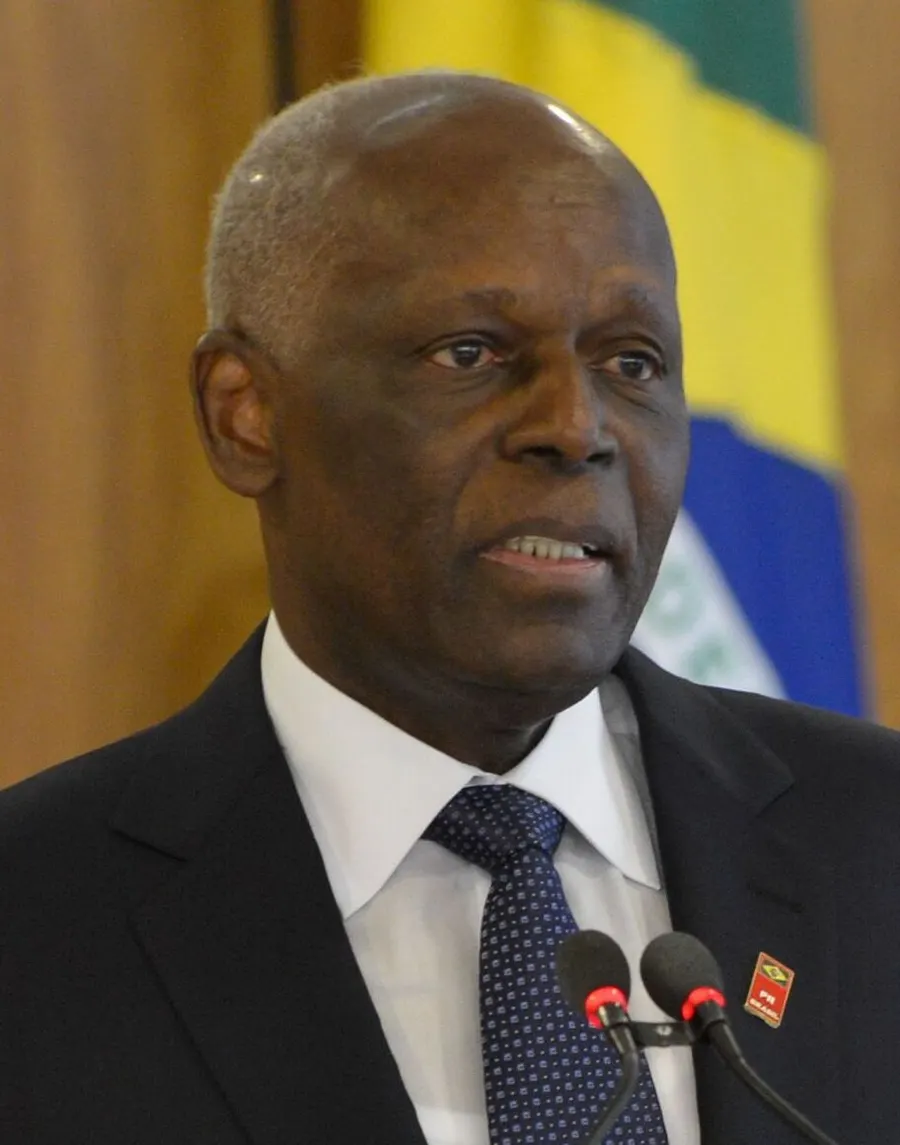
José Eduardo dos Santos, President of Angola, who signed the Bicesse AccordsJosé Eduardo dos Santos, President of Angola, who signed the Bicesse AccordsImage: Fabio Rodrigues Pozzebom/Agência Brasil · CC BY 3.0 br
politics · Africa

Angola’s rivals sign a peace deal in Lisbon

Angola had been at war with itself almost since independence in 1975. On 31 May 1991, in Lisbon, President José Eduardo dos Santos of the MPLA and the UNITA leader Jonas Savimbi signed the Bicesse Accords. They promised a ceasefire, a single national army and multi-party elections under United Nations supervision. The elections were held in 1992, but UNITA rejected the result and the fighting resumed, lasting until 2002.

Source: UN Peacemaker: Peace Accords for Angola (Bicesse Accords) ↗
VI
2000 TO TODAY

Modern Day

The events of recent decades that have already become part of the historical record.

2002
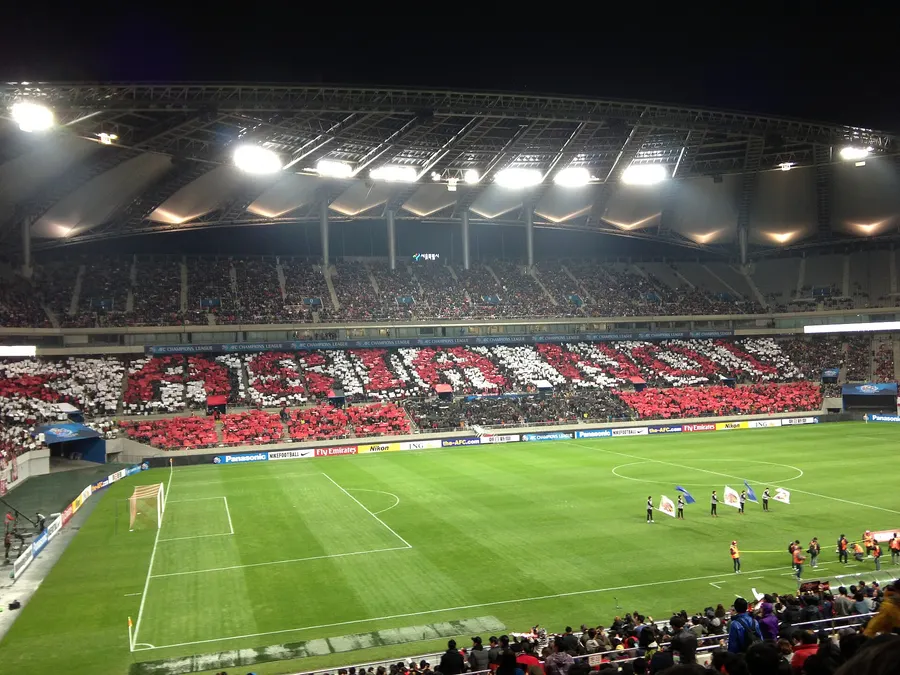
The Seoul World Cup Stadium, where the 2002 tournament opened, during a match in 2013The Seoul World Cup Stadium, where the 2002 tournament opened, during a match in 2013Image: Photo and Share CC · CC BY 2.0
sport · Asia

The first World Cup in Asia opens with a famous shock

The 2002 FIFA World Cup was the first to be held in Asia, and the first to be shared between two countries, South Korea and Japan. It opened on 31 May with a ceremony at the new Seoul World Cup Stadium, followed by the first match: France, the reigning world and European champions, against Senegal, playing at a World Cup for the very first time. In the 30th minute El Hadji Diouf raced down the left and crossed, and Papa Bouba Diop scrambled the ball in. Senegal held on to win 1-0, one of the greatest upsets in the tournament’s history. The newcomers went on to reach the quarter-finals, while France went home after the group stage without scoring a goal. Brazil won the final in Yokohama a month later.

Source: FIFA: Diouf, Senegal’s win over France is the World Cup’s greatest ↗
RESEARCH

Sources & Further Reading

Selected authoritative references supporting the events on this page.

WHY THESE MOMENTS?

Significance before volume

This page is not the longest possible list of events. It is a chronological journey through 31 May, where each entry is chosen for historical significance, human interest and reliability.

Facts are checked against authoritative museums, archives, universities and reference works. Where sources disagree, the page says so.

EXPLORED THE DEEPER STORY?

Return to the highlights of 31 May

Discover the lighter side of the date with famous birthdays, culture, firsts and lives remembered.

Explore This Day →
← PREVIOUS DAY30 May
HISTORY & TIMELINE31 May
NEXT DAY →1 June