Explore 22 November

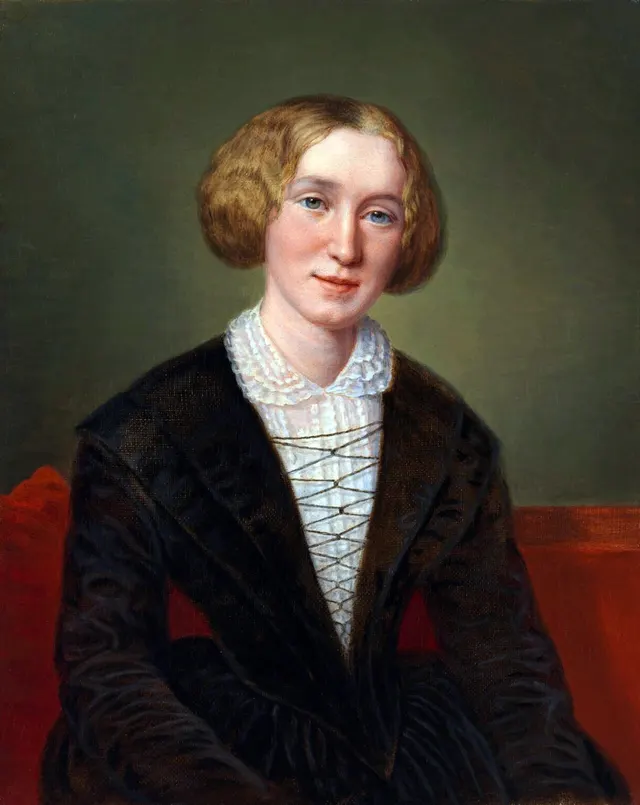
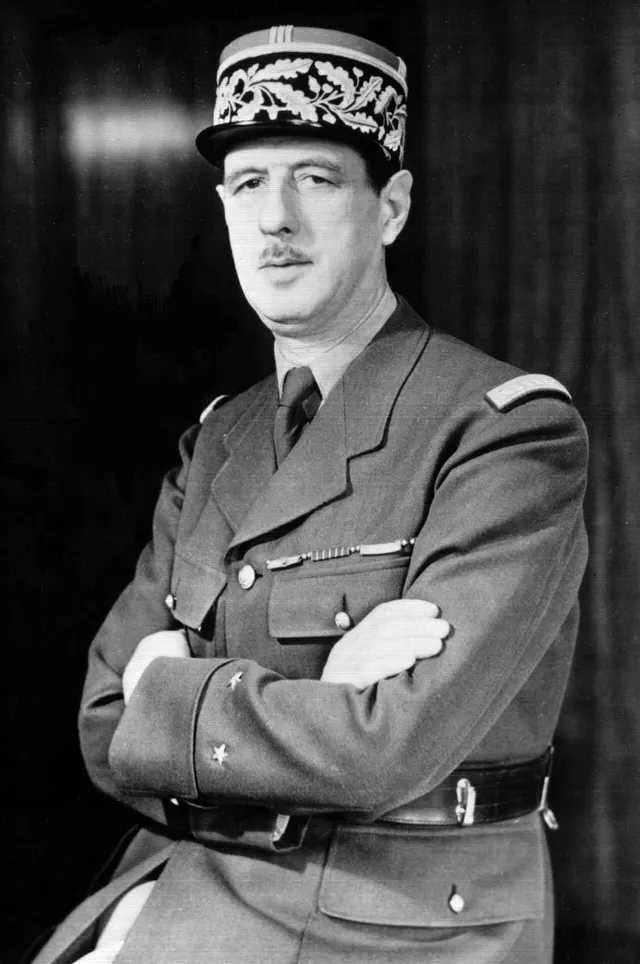
Explore 22 November: Vasco da Gama rounds the Cape of Good Hope, President Kennedy is killed in Dallas, the UN sets out ‘land for peace’ and Juan Carlos becomes King of Spain. Meet Charles de Gaulle, George Eliot and Benjamin Britten, born on this date.

This day through time →7 verified events across 3 eras

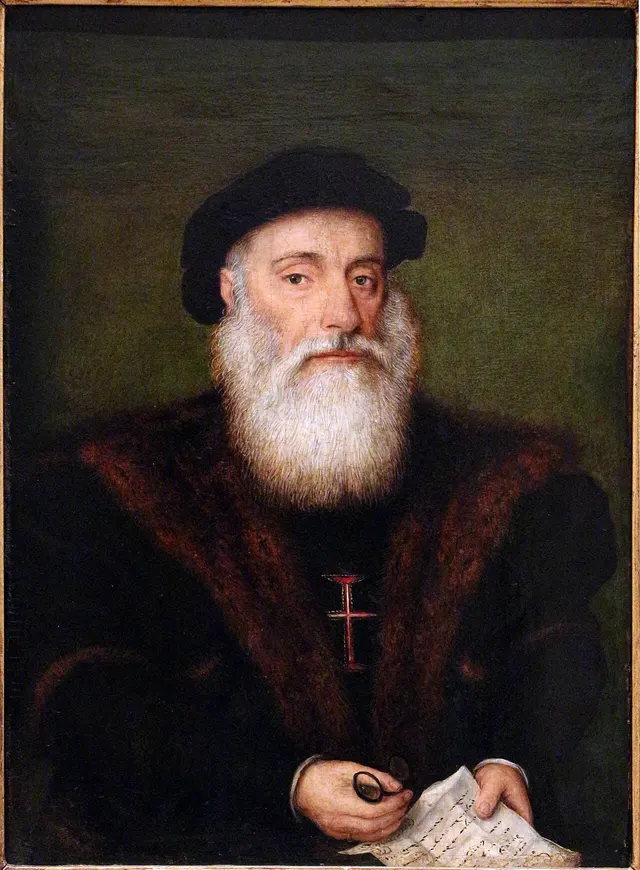
Vasco da Gama, in an anonymous portrait of about 1525.
Image creditSailko · CC BY 3.0Resized and cropped for display.

Vasco da Gama rounds the Cape of Good Hope

Vasco da Gama left Lisbon on 8 July 1497 with four ships, charged by King Manuel I with finding a sea route to India. After months in the open Atlantic, contrary winds and currents held the fleet back off southern Africa, and it was not until 22 November 1497 that they rounded the Cape of Good Hope.

Sailing on up the east coast of Africa, where they traded and took on a pilot, the Portuguese reached India in May 1498. Da Gama’s voyage opened a direct sea route between Europe and Asia and the beginning of Portugal’s empire in the Indian Ocean.

Read the full storyHistory & Timeline →Source: Encyclopaedia Britannica: Vasco da Gama ↗
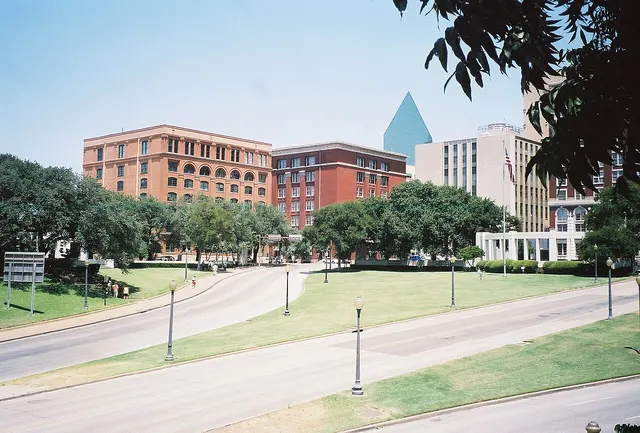
Dealey Plaza in Dallas, with the former Texas School Book Depository on the left, photographed in 2003.
Image creditBrodie319 · Public domainResized and cropped for display.

President Kennedy is assassinated in Dallas

At 12.30 on 22 November 1963, as his open car passed through Dealey Plaza in Dallas, Texas, President John F. Kennedy was hit by shots fired from a sixth-floor window of the Texas School Book Depository. Governor John Connally of Texas was badly wounded. Kennedy was declared dead at Parkland Memorial Hospital half an hour later.

Vice-President Lyndon Johnson was sworn in as president aboard Air Force One that afternoon. The accused gunman, Lee Harvey Oswald, was himself shot dead two days later before he could stand trial. The Warren Commission concluded in 1964 that Oswald had acted alone.

Read the full storyHistory & Timeline →Source: John F. Kennedy Presidential Library: November 22, 1963, death of the President ↗
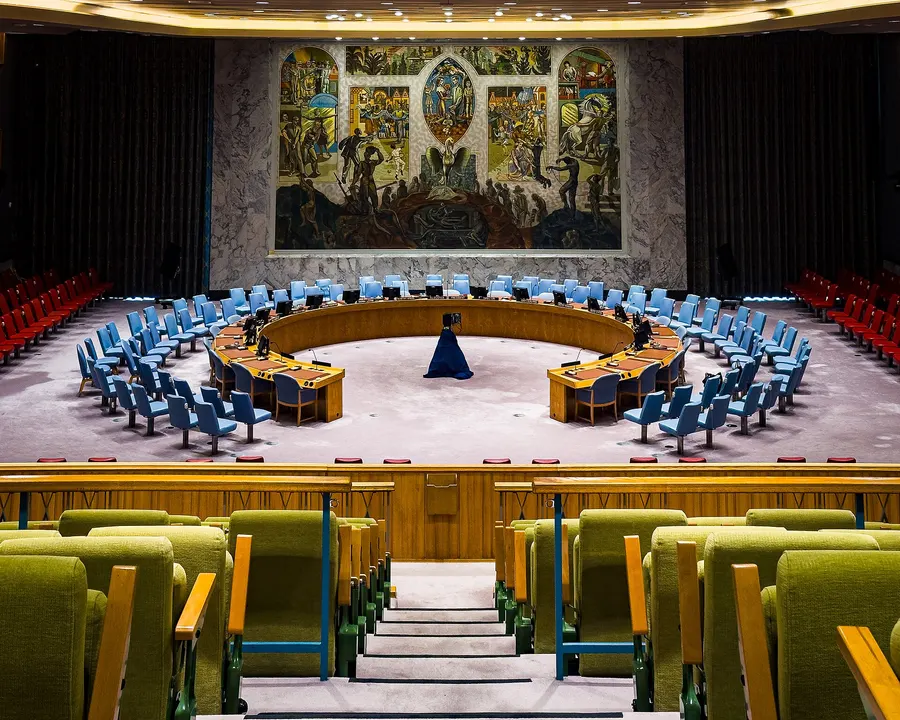
The UN Security Council chamber in New York.
Image creditJdforrester · CC BY 4.0Resized and cropped for display.

The UN sets out ‘land for peace’

Five months after the Six-Day War, the UN Security Council unanimously adopted Resolution 242 on 22 November 1967. It called for the withdrawal of Israeli forces from territories occupied in the recent conflict, and for every state in the region to be able to live in peace within secure and recognised boundaries.

Its principle of ‘land for peace’ became the basis of later negotiations between Israel and its neighbours, although the Palestine Liberation Organization rejected it until 1988 because it did not mention the Palestinians by name.

Read the full storyHistory & Timeline →Source: United Nations: Security Council Resolution 242 (1967) ↗
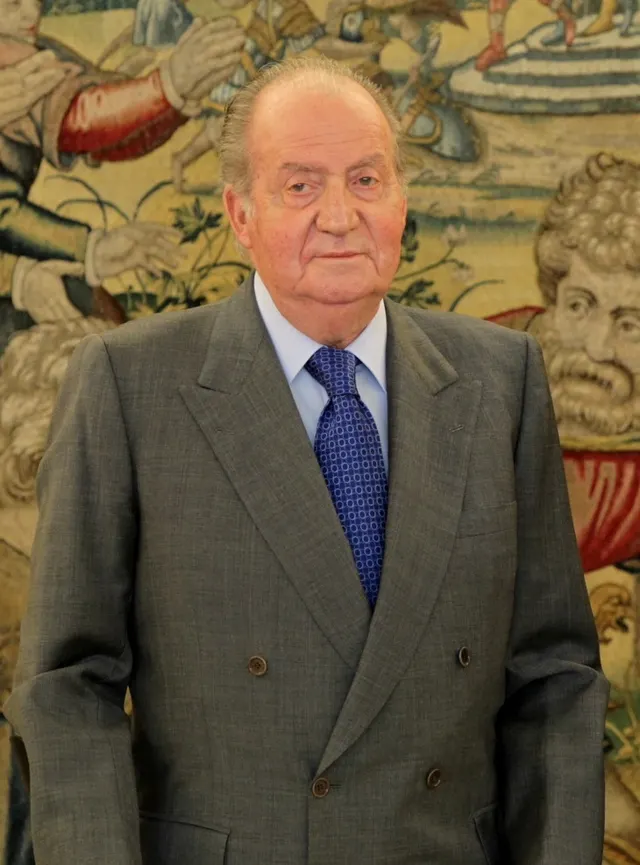
King Juan Carlos I in 2013.
Image creditIrekia · CC BY 2.0Resized and cropped for display.

Juan Carlos becomes King of Spain

Two days after the death of the dictator Francisco Franco, Juan Carlos de Borbón was proclaimed King of Spain before the Cortes in Madrid on 22 November 1975. Franco had named him as his successor in 1969, expecting him to continue the regime.

Instead the new king backed a rapid move to democracy. He appointed the reformer Adolfo Suárez as prime minister in 1976, political parties were legalised, free elections followed in 1977, and a democratic constitution was approved in 1978. He reigned until he abdicated in favour of his son Felipe in 2014.

Read the full storyHistory & Timeline →Source: Encyclopaedia Britannica: Juan Carlos ↗
♙
PEOPLE

Born Today

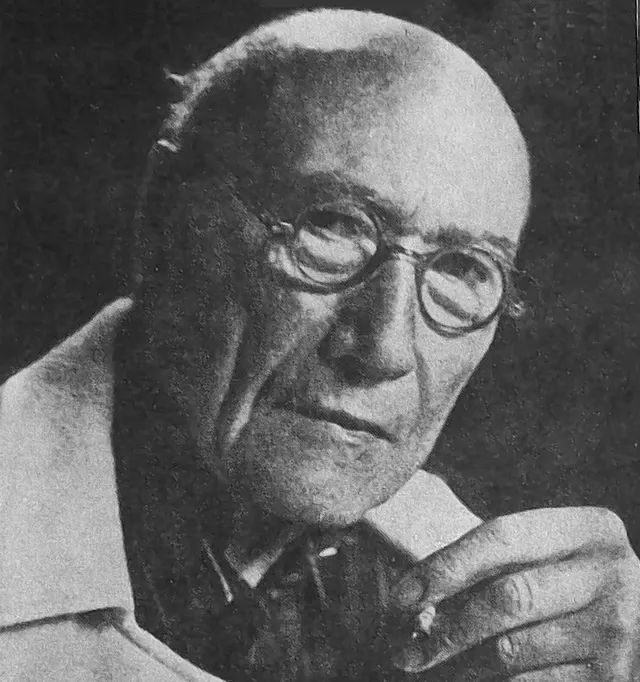
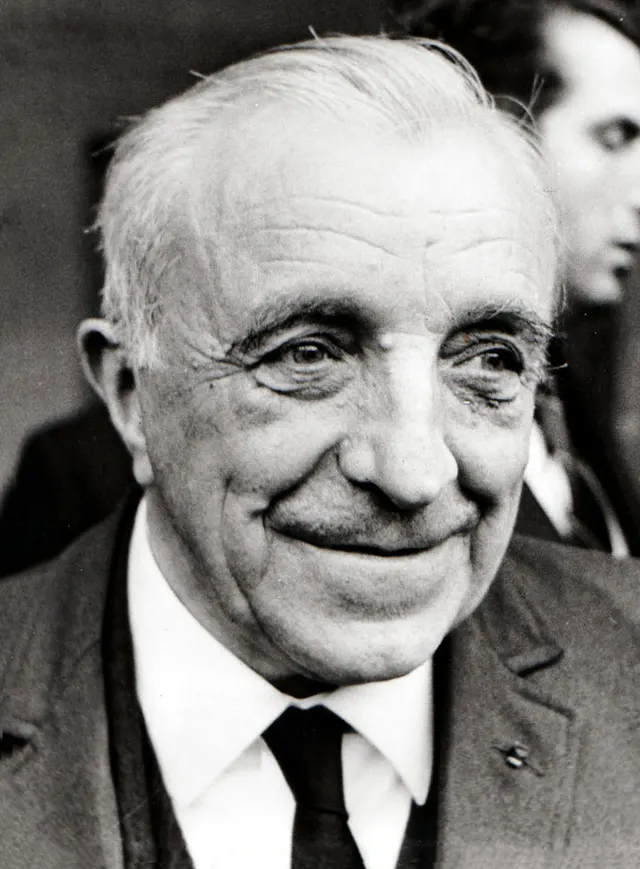
André Gide
Image creditunknow. uploader Claudio Elias · Public domainResized and cropped for display.

André Gide

French writer, author of The Immoralist and The Counterfeiters, who won the Nobel Prize in Literature in 1947.

Louis Néel
Image creditFarabola · Public domainResized and cropped for display.

Louis Néel

French physicist who shared the 1970 Nobel Prize in Physics for his work on magnetism.

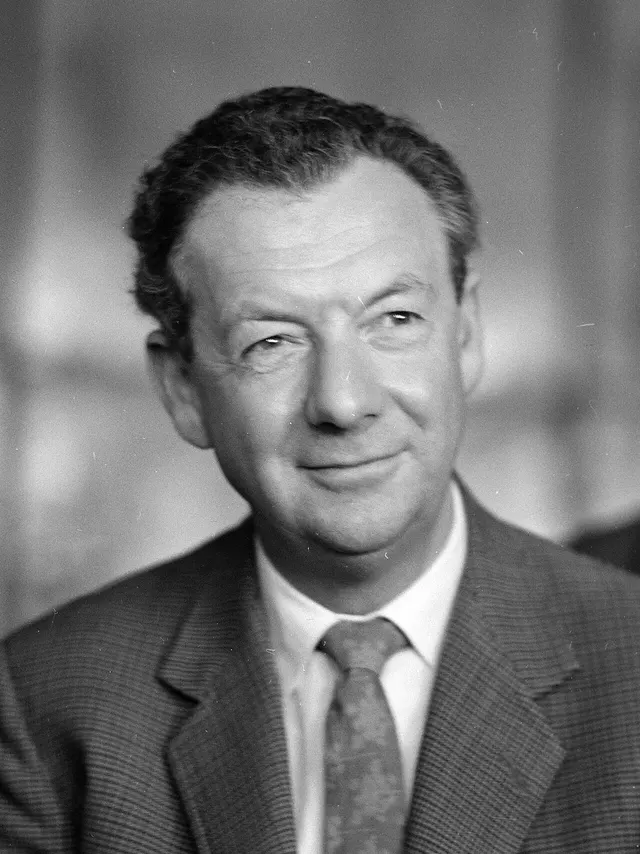
Benjamin Britten
Image creditSzalay Zoltán · CC BY-SA 3.0Resized and cropped for display.

Benjamin Britten

English composer of the opera Peter Grimes and the War Requiem.

Andrew Huxley
Image creditUnknown authorUnknown author · Public domainResized and cropped for display.

Andrew Huxley

English physiologist who shared the 1963 Nobel Prize for explaining how nerve impulses travel.

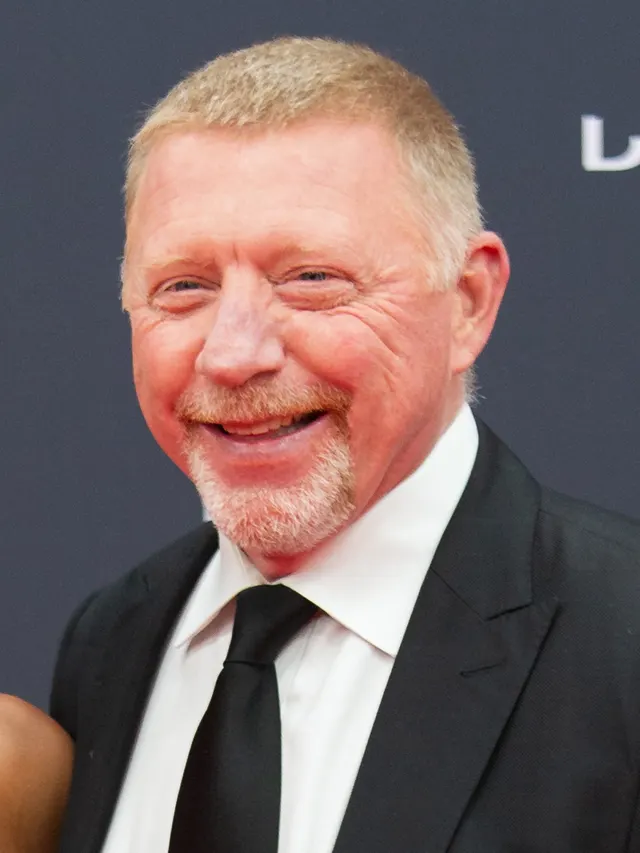
Boris Becker
Image creditBarcex · CC BY-SA 4.0Resized and cropped for display.

Boris Becker

German tennis player who became the youngest men’s Wimbledon champion at 17 in 1985.

☆
SPORTING HISTORY

Sporting Moments

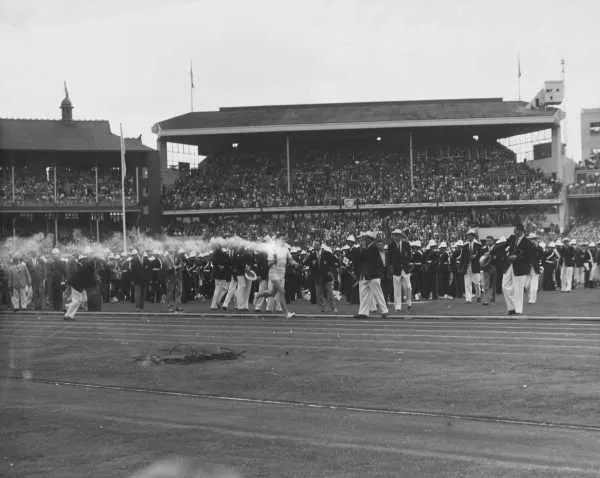
Ron Clarke carries the Olympic torch into the Melbourne Cricket Ground at the opening ceremony, 22 November 1956.
Image creditJohn R. Morrison · Public domainResized and cropped for display.

Melbourne opens the first southern-hemisphere Olympics

The Duke of Edinburgh opened the Games of the XVI Olympiad before a capacity crowd of about 103,000 at the Melbourne Cricket Ground on 22 November 1956, the first Olympic Games held in the southern hemisphere. The young distance runner Ron Clarke lit the cauldron, singed by the sparking torch.

The Games ran until 8 December.

Read the full storyHistory & Timeline →Source: Melbourne Cricket Ground: Top 10 MCG moments at the 1956 Olympic Games ↗
✦
LIVES REMEMBERED

Remembered Today

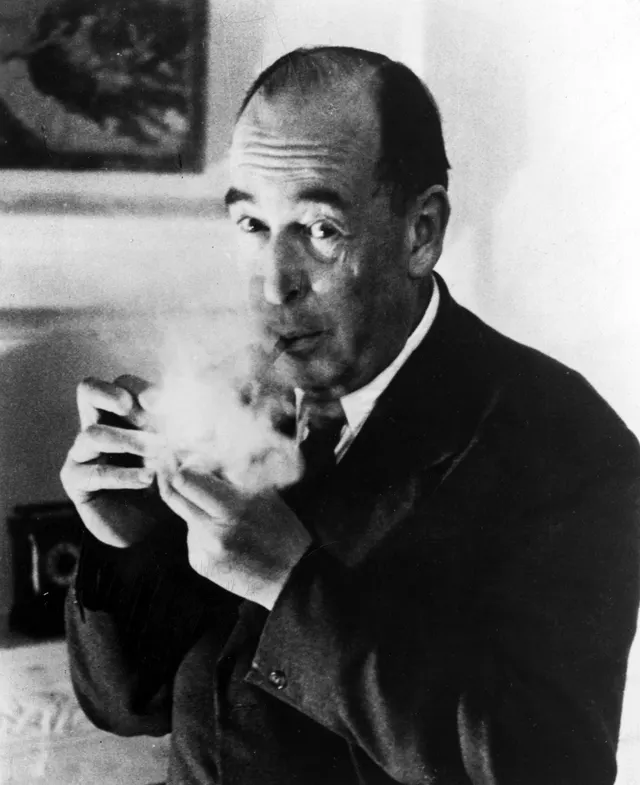
C. S. Lewis
Image creditJohn S. Murray · Public domainResized and cropped for display.

C. S. Lewis

Belfast-born writer and scholar, author of The Chronicles of Narnia.

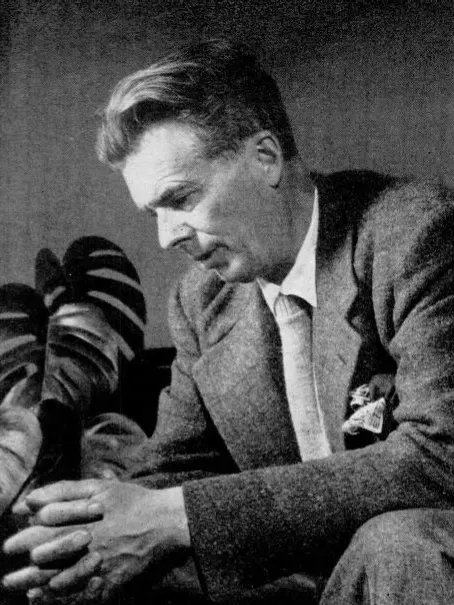
Aldous Huxley
Image creditAldous Huxley · Public domainResized and cropped for display.

Aldous Huxley

English writer, author of the novel Brave New World.

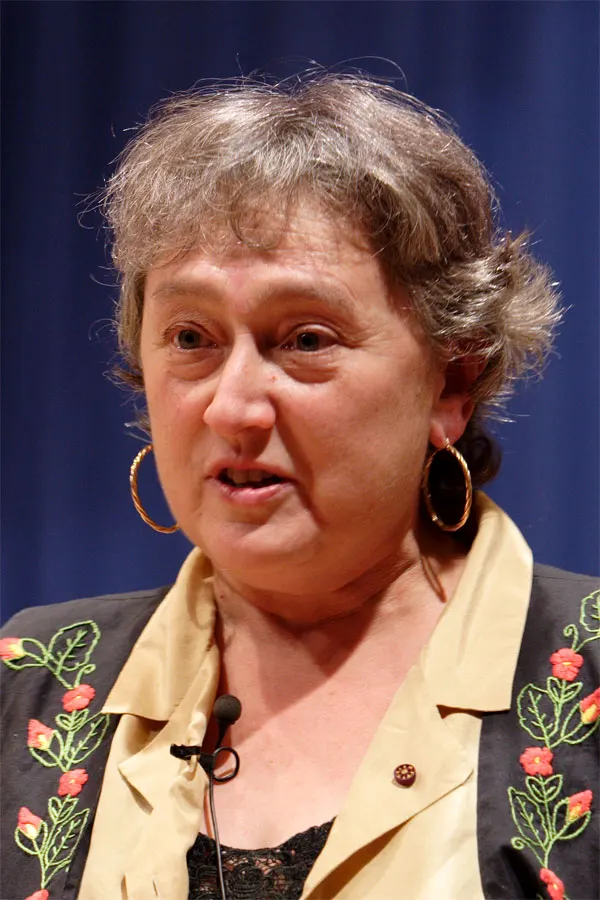
Lynn Margulis
Image creditJpedreira · CC BY-SA 2.5Resized and cropped for display.

Lynn Margulis

American biologist who showed that complex cells arose from partnerships between simpler organisms.

☉
AROUND THE WORLD

Observances & Anniversaries

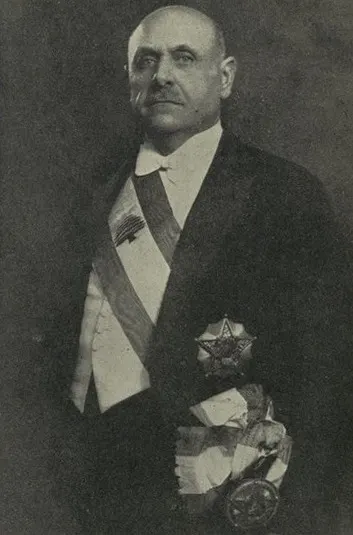
Bechara El Khoury, Lebanon's first president after independence, in 1947.
Bechara El Khoury, Lebanon’s first president after independence, in 1947.
Image creditUnknown authorUnknown author · Public domainResized and cropped for display.

Independence Day in Lebanon

In November 1943 the French authorities arrested Lebanon’s newly elected president, Bechara El Khoury, and most of his government after they removed French control from the constitution. Protests and British pressure forced their release, and Lebanon marks 22 November 1943 as the day it became independent.

Source: Encyclopaedia Britannica: Lebanon, the French mandate ↗
HISTORY & TIMELINE

Finished the highlights?

Follow 22 November chronologically, from the Middle Ages to the modern day, with 7 verified events and the sources behind them.

This day through time →