Explore 16 November

Explore 16 November: Pizarro seizes the Inca emperor, Sweden’s king falls at Lützen, Livingstone reaches the Victoria Falls and UNESCO is founded. Meet Chinua Achebe, José Saramago and W. C. Handy, born on this date.

This day through time →10 verified events across 3 eras

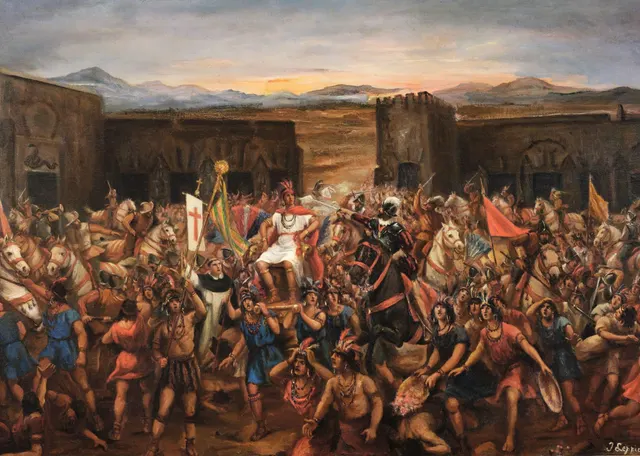
The Capture of Atahualpa, painted by Juan Lepiani in the 1920s.
Image creditJuan Lepiani · Public domainResized and cropped for display.

Pizarro seizes the Inca emperor at Cajamarca

Francisco Pizarro’s small Spanish force, fewer than 200 men, reached the town of Cajamarca in the northern Andes in November 1532, where the Inca ruler Atahualpa was camped with a vast army. On 16 November Atahualpa entered the town square with thousands of unarmed attendants to meet the strangers.

When he rejected a friar’s demand that he accept Christianity and the rule of the Spanish king, Pizarro gave the signal. With guns, cannon and horses the Spaniards killed thousands of Atahualpa’s followers and took him prisoner. The Inca emperor was executed the following year, and the capture opened the way to the Spanish conquest of the Inca Empire.

Read the full storyHistory & Timeline →Source: Encyclopaedia Britannica: Battle of Cajamarca (1532) ↗
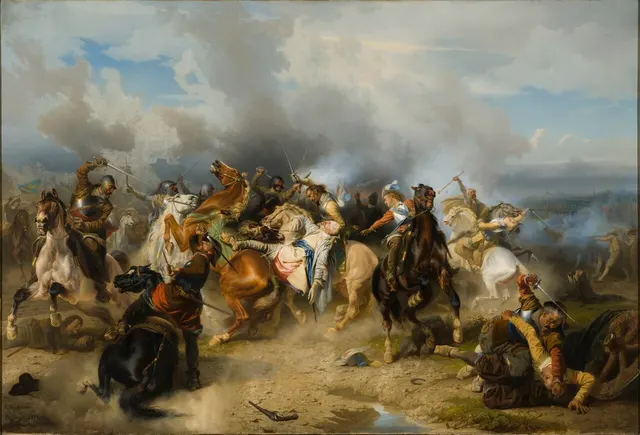
The death of King Gustav II Adolf at Lützen, painted by Carl Wahlbom in 1855.
Image creditCarl Wahlbom · Public domainResized and cropped for display.

Gustavus Adolphus is killed at Lützen

In the Thirty Years’ War King Gustavus Adolphus of Sweden had made his country the leading Protestant power in Europe. On 16 November 1632 he attacked the imperial army of Albrecht von Wallenstein outside Lützen, near Leipzig in Saxony. Fog delayed the Swedish advance, and the fighting swung back and forth all day.

The Swedes held the field, but their king was dead: leading a cavalry charge, he was hit several times and fell from his horse. His heir, Queen Christina, was not yet six, and the chancellor Axel Oxenstierna governed for her. In Sweden, which still used the old calendar, the battle is remembered on 6 November.

Read the full storyHistory & Timeline →Source: Encyclopaedia Britannica: Battle of Lützen ↗
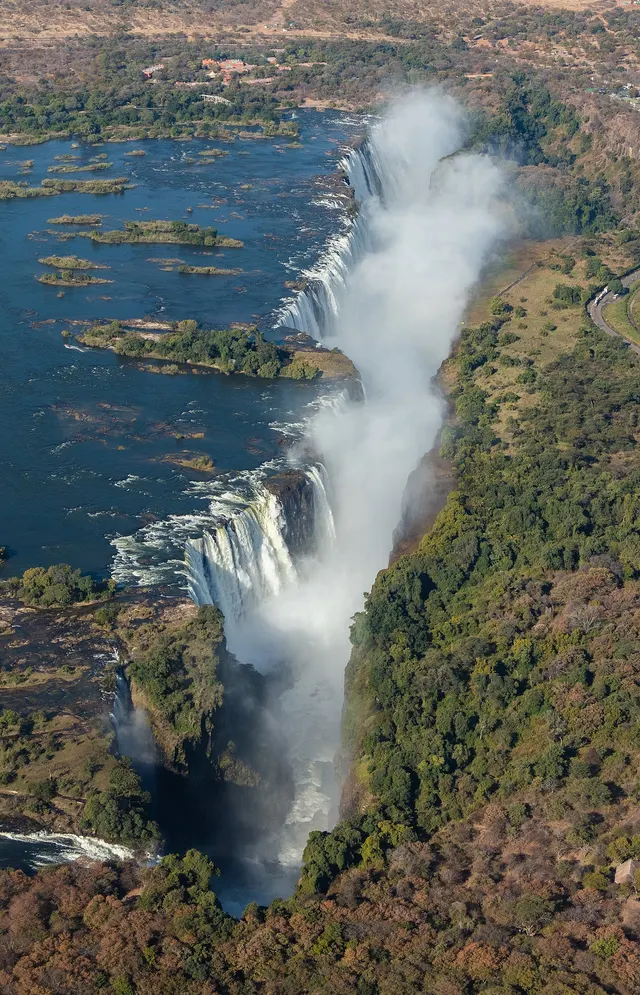
The Victoria Falls on the Zambezi, between Zambia and Zimbabwe, seen from the air in 2018.
Image creditDiego Delso · CC BY-SA 4.0Resized and cropped for display.

Livingstone reaches the Victoria Falls

The Scottish missionary and explorer David Livingstone, travelling down the Zambezi River, was taken by canoe to the edge of a great waterfall on 16 November 1855, becoming the first European known to have seen it. Local people called it Mosi-oa-Tunya, ‘the smoke that thunders’, after its towering cloud of spray.

Livingstone named the falls after Queen Victoria. More than 1,700 metres wide and over 100 metres high, they form the largest single curtain of falling water in the world and have been a UNESCO World Heritage Site, shared by Zambia and Zimbabwe, since 1989.

Read the full storyHistory & Timeline →Source: UNESCO World Heritage Centre: Mosi-oa-Tunya / Victoria Falls ↗
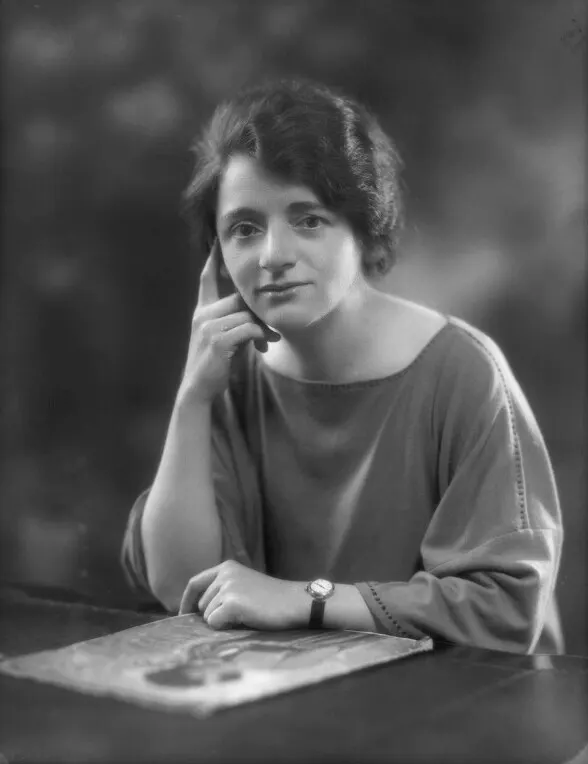
Ellen Wilkinson, the British education minister who presided over the conference.
Image creditBassano Ltd · Public domainResized and cropped for display.

UNESCO’s constitution is signed in London

Only months after the Second World War ended, delegates from more than forty countries met in London from 1 to 16 November 1945 to create a United Nations body for education, science and culture. Its constitution opens with the idea that since wars begin in the minds of men, it is in the minds of men that the defences of peace must be built.

At a plenary session presided over by the British education minister Ellen Wilkinson, the delegates signed the constitution on 16 November. It came into force in November 1946, and UNESCO later made its home in Paris.

Read the full storyHistory & Timeline →Source: UNESCO: 75 years ago, UNESCO’s Constitution adopted ↗
♙
PEOPLE

Born Today

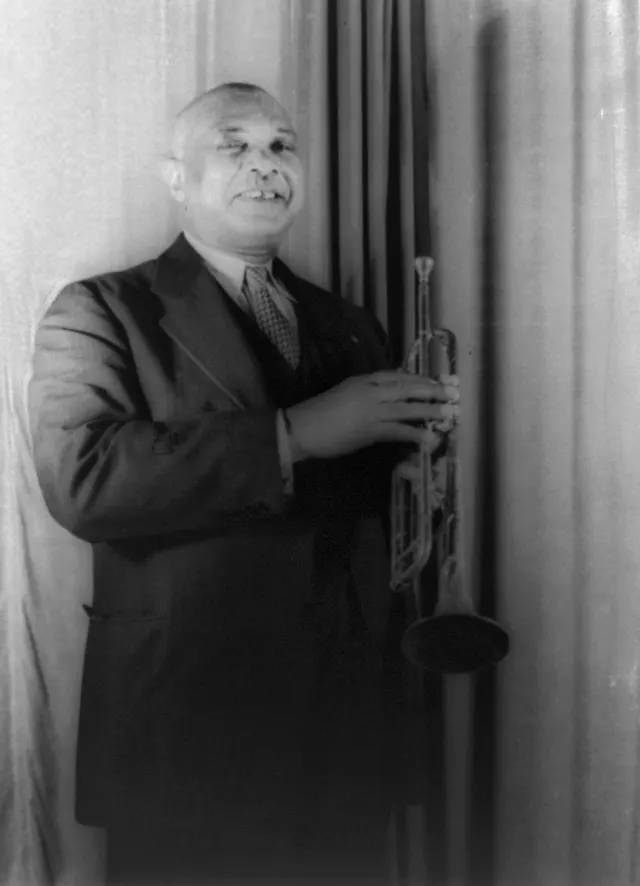
W. C. Handy
Image creditCarl Van Vechten · Public domainResized and cropped for display.

W. C. Handy

American composer and bandleader, called the ‘Father of the Blues’, who wrote St. Louis Blues.

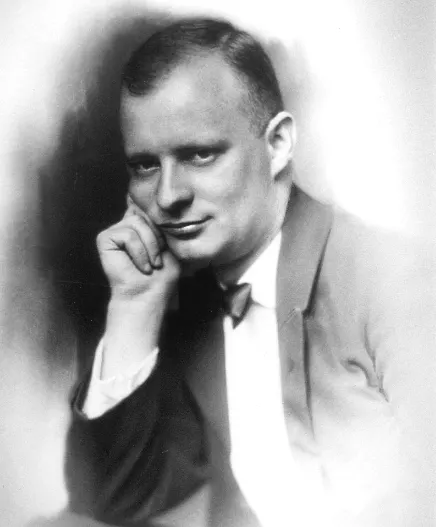
Paul Hindemith
Image creditUnknown · CC BY-SA 3.0Resized and cropped for display.

Paul Hindemith

German composer and viola player, whose works include the symphony Mathis der Maler.

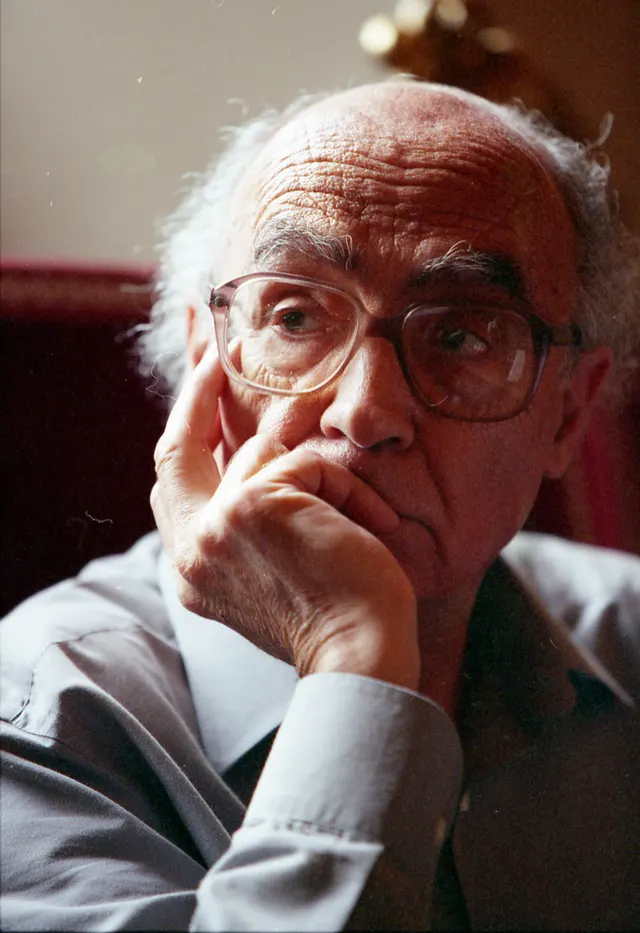
José Saramago
Image creditopera propria · CC BY-SA 4.0Resized and cropped for display.

José Saramago

Portuguese novelist, author of Blindness, who won the Nobel Prize in Literature in 1998.

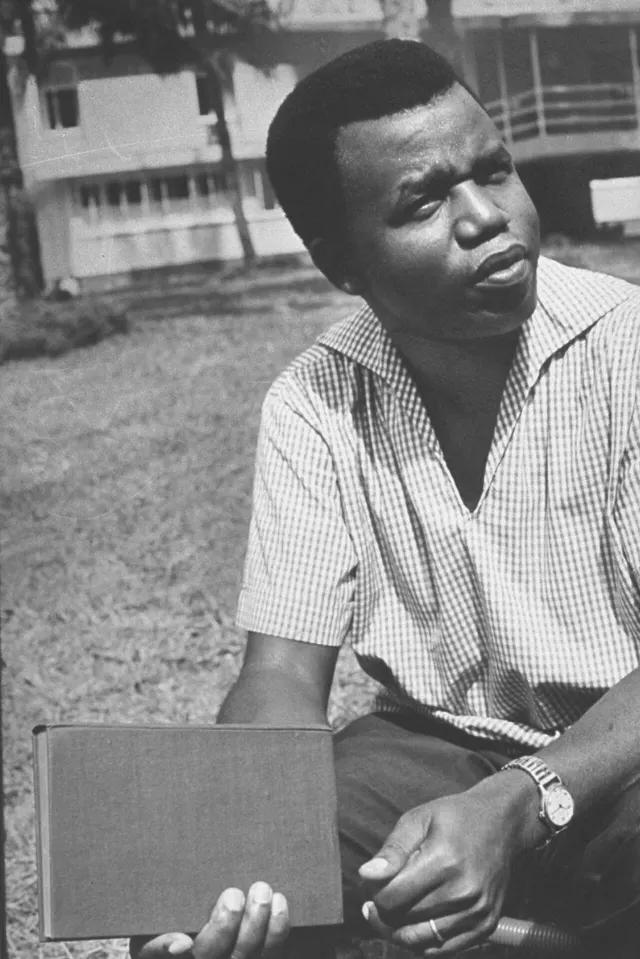
Chinua Achebe
Image creditCarlo Bavagnoli · Public domainResized and cropped for display.

Chinua Achebe

Nigerian novelist whose Things Fall Apart is one of the most widely read books by an African writer.

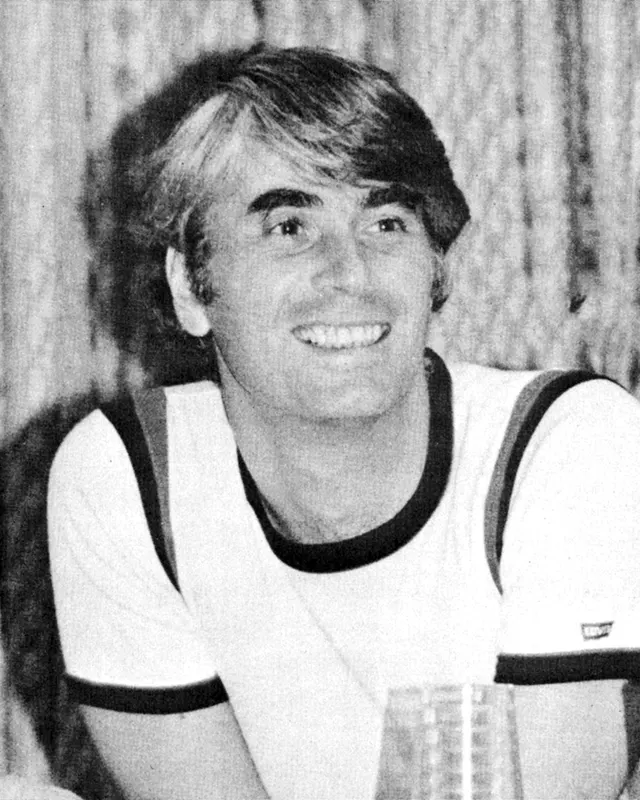
Robert Nozick
Image creditLibertarian Review · Public domainResized and cropped for display.

Robert Nozick

American philosopher whose Anarchy, State, and Utopia argued for a minimal state.

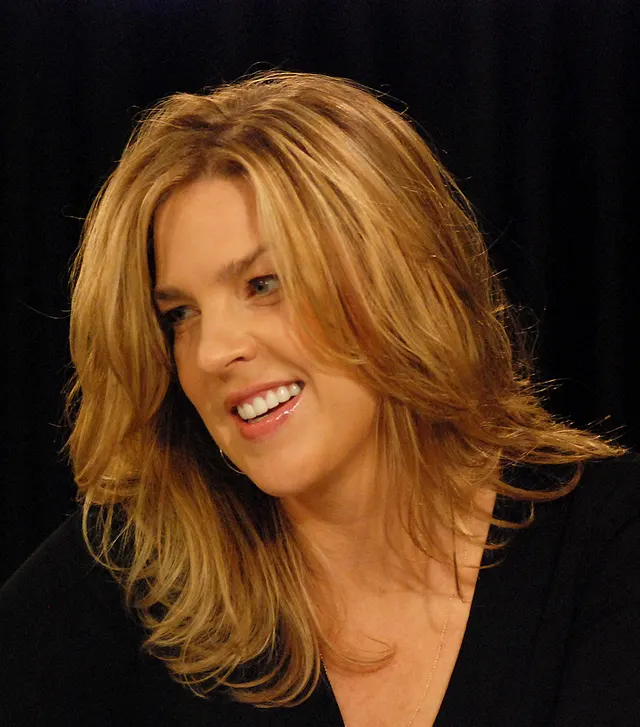
Diana Krall
Image creditChris Govias · CC BY-SA 4.0Resized and cropped for display.

Diana Krall

Canadian jazz pianist and singer, one of the best-selling jazz artists of her generation.

◉
IDEAS THAT CHANGED THINGS

Firsts, Science & Discoveries

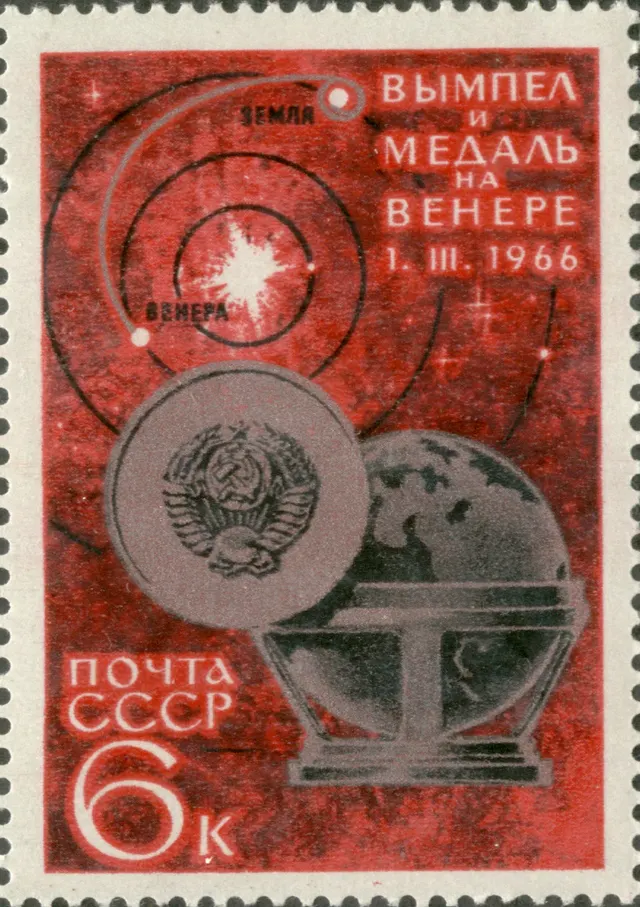
A Soviet stamp of 1966 marking Venera 3's arrival at Venus.
A Soviet stamp of 1966 marking Venera 3’s arrival at Venus.
Image creditRussian government · Public domainResized and cropped for display.

Venera 3 sets out for Venus

The Soviet probe Venera 3 was launched from the Baikonur cosmodrome in Kazakhstan on 16 November 1965. It carried a capsule designed to parachute through the atmosphere of Venus and radio back measurements.

Its communications failed in February 1966, before it could send any data from the planet, but on 1 March 1966 it crashed onto Venus, the first spacecraft ever to reach the surface of another planet.

Read the full storyHistory & Timeline →Source: NASA Space Science Data Coordinated Archive: Venera 3 ↗
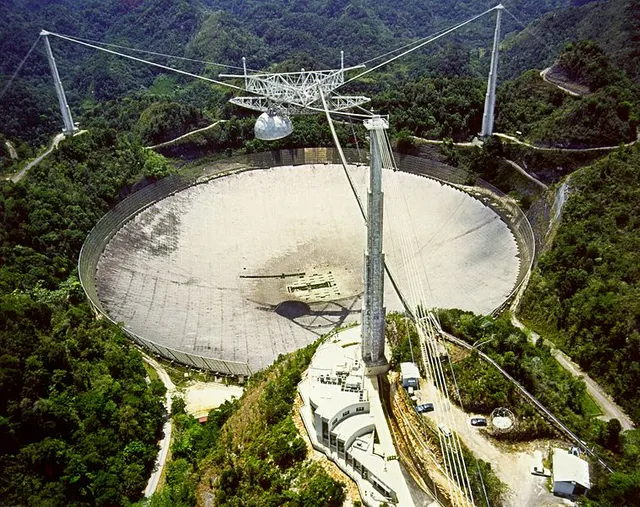
The Arecibo radio telescope in Puerto Rico, seen from the air in 2012.
Image creditH. Schweiker/WIYN and NOAO/AURA/NSF · CC BY 4.0Resized and cropped for display.

The Arecibo message is beamed into space

At a ceremony on 16 November 1974 to mark an upgrade of the giant Arecibo radio telescope in Puerto Rico, astronomers transmitted a short radio message towards the star cluster M13, about 25,000 light years away.

Designed by Frank Drake with help from Carl Sagan and others, the 1,679-bit message could be arranged into a simple picture showing numbers, DNA, a human figure, the Solar System and the telescope itself. It took less than three minutes to send and was more a demonstration than a serious attempt at contact.

Read the full storyHistory & Timeline →Source: SETI Institute: Arecibo ↗
✦
LIVES REMEMBERED

Remembered Today

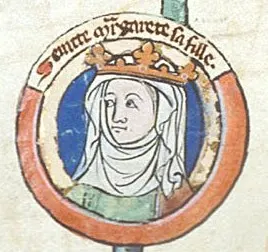
Saint Margaret of Scotland
Image creditAnonymousUnknown author · Public domainResized and cropped for display.

Saint Margaret of Scotland

English-born queen of Malcolm III of Scotland, known for her piety and church reforms (Julian calendar).

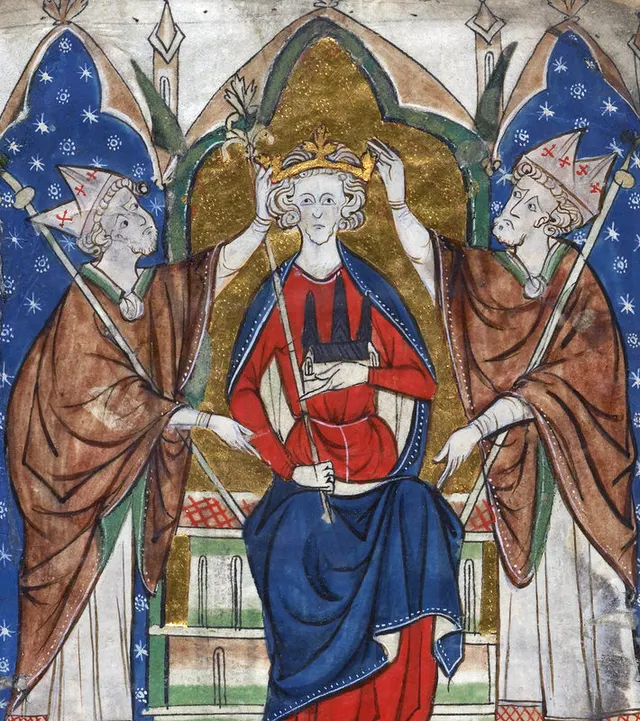
Henry III of England
Image creditAnonymousUnknown author · Public domainResized and cropped for display.

Henry III of England

King of England for 56 years, who rebuilt Westminster Abbey (Julian calendar).

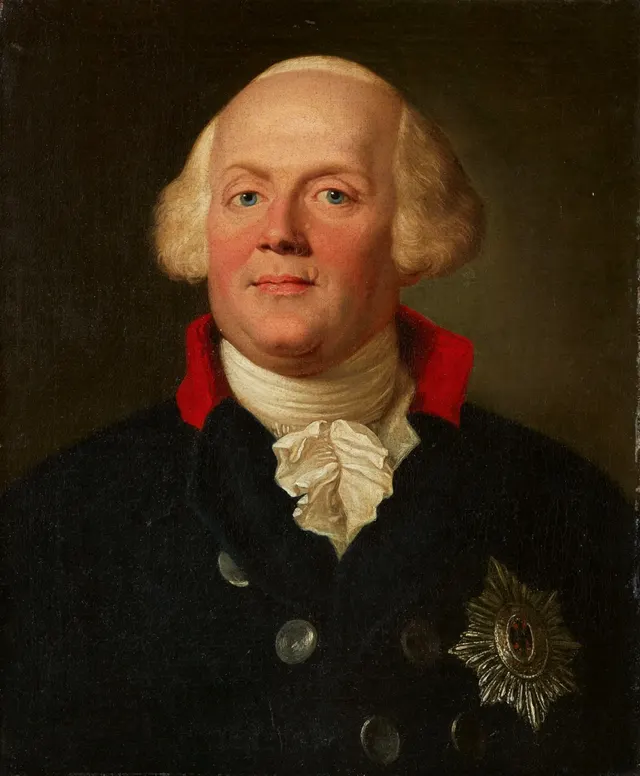
Frederick William II of Prussia
Image creditAnton Graff · Public domainResized and cropped for display.

Frederick William II of Prussia

King of Prussia and nephew of Frederick the Great, under whom Prussia gained large lands in the partitions of Poland.

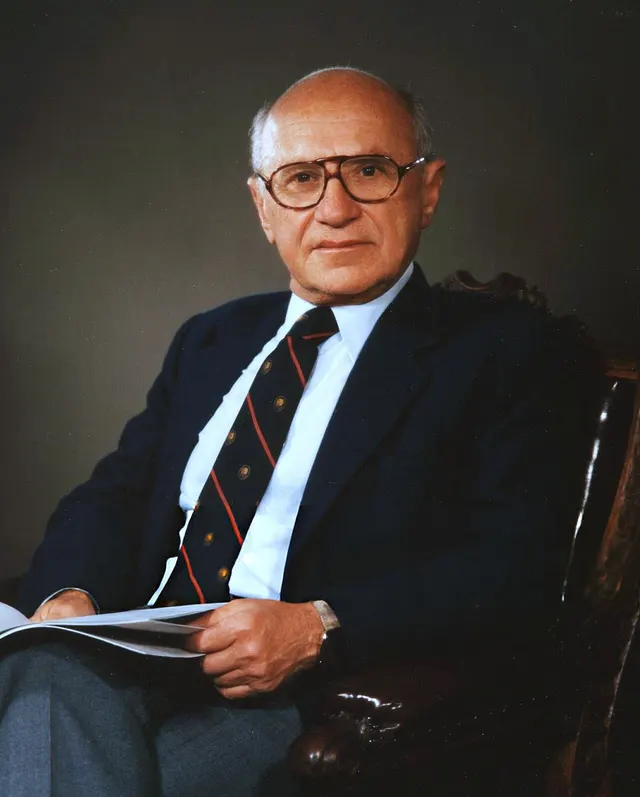
Milton Friedman
Image creditBachrach Studios · Public domainResized and cropped for display.

Milton Friedman

American economist and Nobel laureate, a leading champion of free markets and monetarism.

☉
AROUND THE WORLD

Observances & Anniversaries

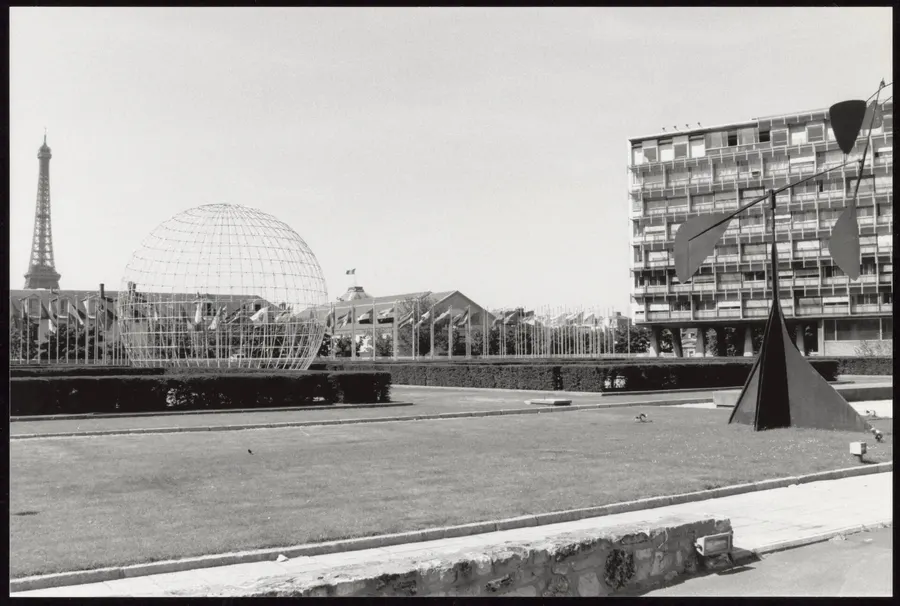
The entrance to UNESCO's headquarters in Paris, with Alexander Calder's mobile Spirale.
The entrance to UNESCO’s headquarters in Paris, with Alexander Calder’s mobile Spirale.
Image creditMichel Claude · CC BY-SA 3.0 igoResized and cropped for display.

International Day for Tolerance

On 16 November 1995 UNESCO’s member states adopted a Declaration of Principles on Tolerance, describing tolerance as respect and appreciation for the world’s many cultures and ways of life. The following year the UN General Assembly made 16 November the International Day for Tolerance.

Source: United Nations: International Day for Tolerance ↗
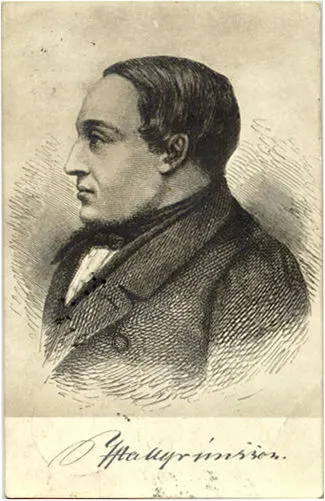
Jónas Hallgrímsson, the Romantic poet born on 16 November 1807.
Image creditDéssington · Public domainResized and cropped for display.

Icelandic Language Day

Since 1996 Iceland has celebrated its language on 16 November, the birthday of the poet and naturalist Jónas Hallgrímsson, who did much to renew written Icelandic in the 19th century. Schools and libraries hold events, and a national prize is awarded in his name.

Source: Government of Iceland: Celebrating the Day of the Icelandic Language ↗
HISTORY & TIMELINE

Finished the highlights?

Follow 16 November chronologically, from the Middle Ages to the modern day, with 10 verified events and the sources behind them.

This day through time →