Explore 17 November

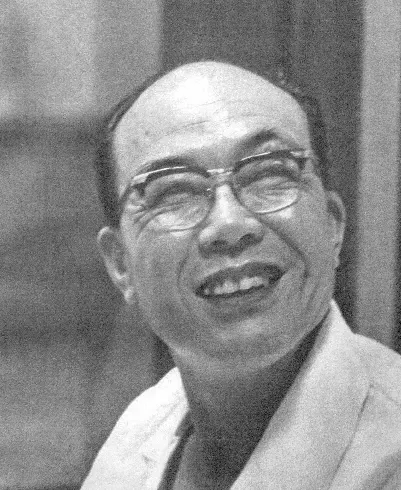
Explore 17 November: the Suez Canal opens, Elizabeth I becomes queen, the Dalai Lama takes power in Tibet and Prague’s students start the Velvet Revolution. Meet Martin Scorsese, Soichiro Honda and August Möbius, born on this date.

This day through time →9 verified events across 4 eras

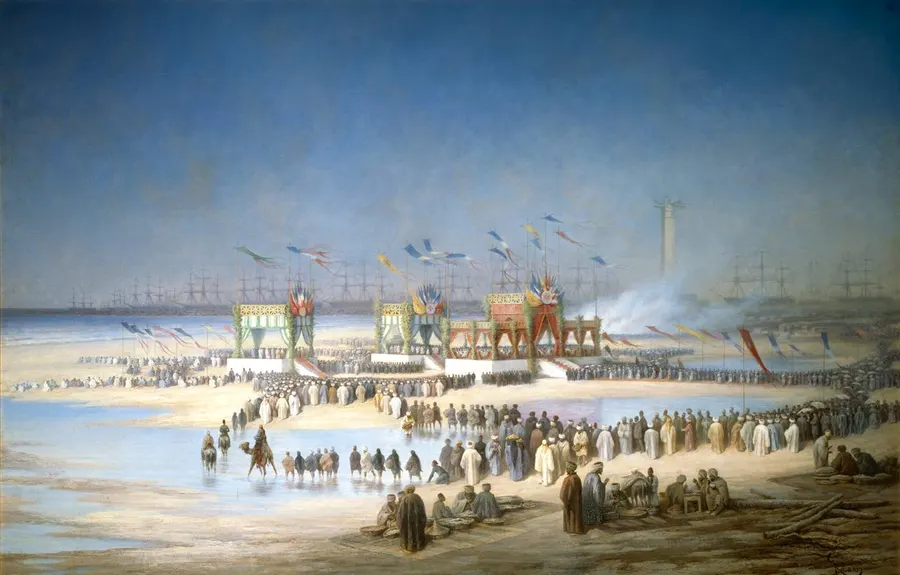
The inauguration of the Suez Canal at Port Said, painted by Édouard Riou in 1869.
Image creditÉdouard Riou · Public domainResized and cropped for display.

The Suez Canal is opened

After ten years of digging across the Egyptian desert, the Suez Canal linking the Mediterranean with the Red Sea was inaugurated on 17 November 1869. About 6,000 guests came to Port Said at the invitation of Egypt’s khedive, Ismail Pasha, among them the Emperor of Austria, the Crown Prince of Prussia and the Norwegian playwright Henrik Ibsen.

The French imperial yacht L’Aigle, carrying the Empress Eugénie, led a procession of ships into the canal. Built by a company led by the French diplomat Ferdinand de Lesseps, the canal cut thousands of miles from the sea route between Europe and Asia and became one of the most important waterways in the world.

Read the full storyHistory & Timeline →Source: Suez Canal Authority: Canal history ↗
Elizabeth I in the 'Darnley Portrait', painted around 1575.
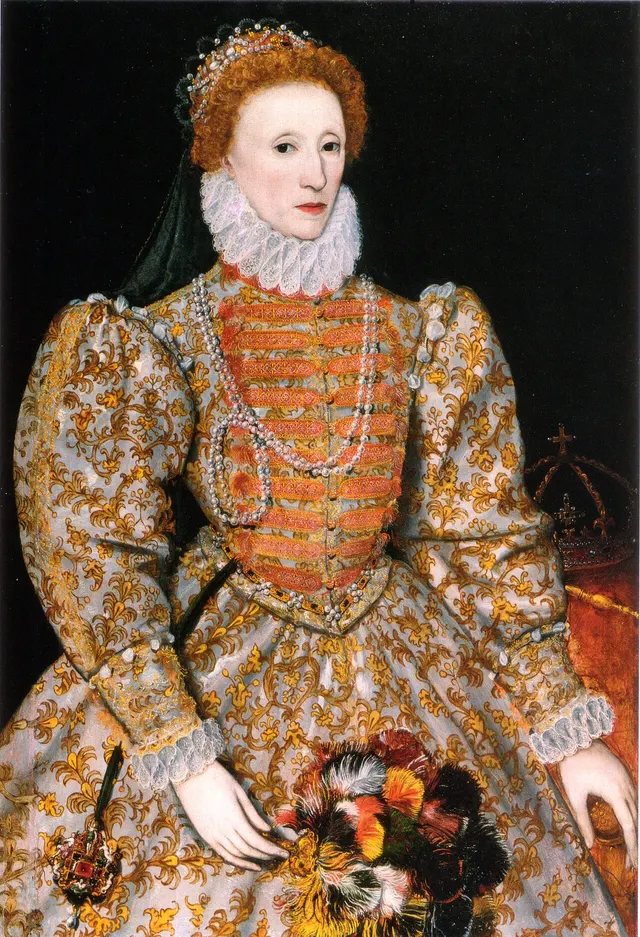
Elizabeth I in the ‘Darnley Portrait’, painted around 1575.
Image creditUnidentified painter · Public domainResized and cropped for display.

Elizabeth I becomes Queen of England

Queen Mary I of England died on 17 November 1558, and her 25-year-old Protestant half-sister Elizabeth succeeded her. Mary had kept Elizabeth under close watch and once imprisoned her in the Tower of London, but in her last illness acknowledged her as heir.

The new queen’s accession was greeted with bells and bonfires. On her first morning as queen she chose William Cecil, later Lord Burghley, as her principal secretary, and her reign of 44 years gave its name to the Elizabethan age. The anniversary of her accession was celebrated in England for generations afterwards.

Read the full storyHistory & Timeline →Source: Royal Museums Greenwich: Becoming Queen Elizabeth I ↗
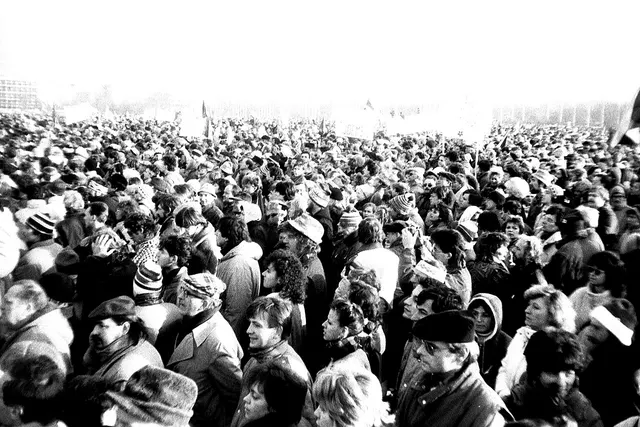
A huge crowd on Letná plain in Prague during the Velvet Revolution, 25 November 1989.
Image creditŠJů (cs:ŠJů) · CC BY-SA 3.0Resized and cropped for display.

Prague’s students start the Velvet Revolution

On 17 November 1989 students in Prague gathered to mark the fiftieth anniversary of the Nazi crackdown on Czech universities. The officially approved march turned into a protest against the communist government, and on Národní třída riot police trapped and beat the demonstrators, who chanted ‘We have bare hands’.

The violence set off strikes and daily mass demonstrations across Czechoslovakia. Within weeks the Communist Party gave up its monopoly of power, and on 29 December the dissident playwright Václav Havel was elected president. Because hardly a shot was fired, it became known as the Velvet Revolution.

Read the full storyHistory & Timeline →Source: Radio Prague International: The Velvet Revolution ↗
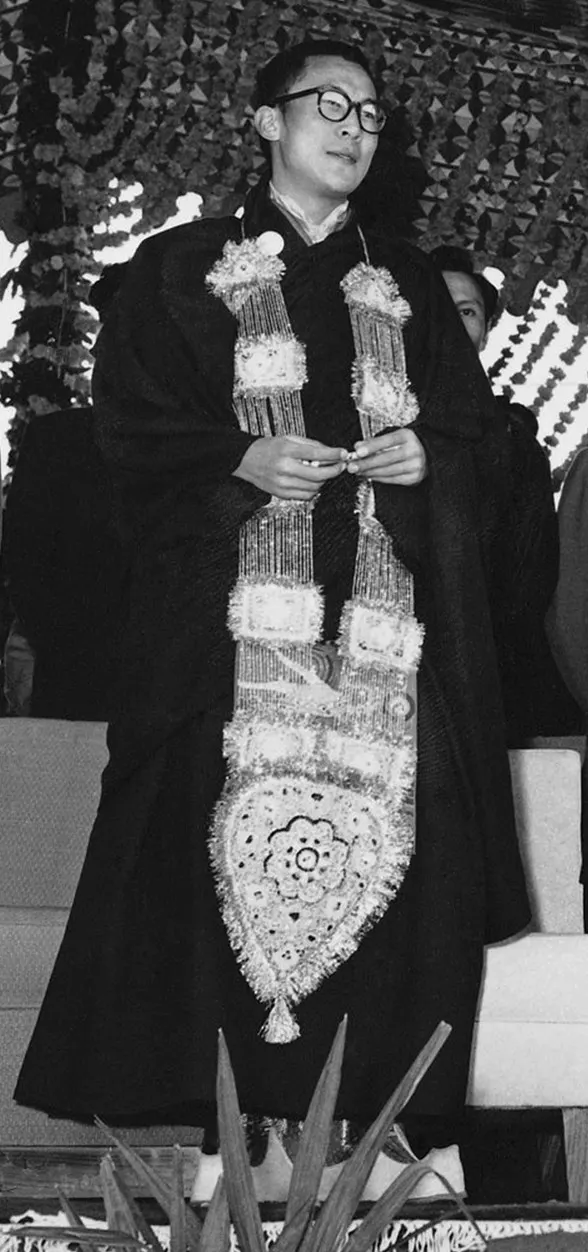
The 14th Dalai Lama on a visit to Delhi in 1956.
Image creditHomai Vyarawalla · Public domainResized and cropped for display.

The 15-year-old Dalai Lama takes power in Tibet

In October 1950 Chinese troops crossed into eastern Tibet. As the news worsened, Tibet’s leaders urged that the young 14th Dalai Lama, Tenzin Gyatso, should take full political authority years before the usual age. On 17 November 1950, at the age of fifteen, he was enthroned as Tibet’s temporal leader at the Norbulingka Palace in Lhasa.

He tried for nine years to work with the Chinese authorities, but after the failed Tibetan uprising of 1959 he fled to India, where he has led a government in exile ever since. He was awarded the Nobel Peace Prize in 1989.

Read the full storyHistory & Timeline →Source: Office of His Holiness the Dalai Lama: Birth to exile ↗
♙
PEOPLE

Born Today

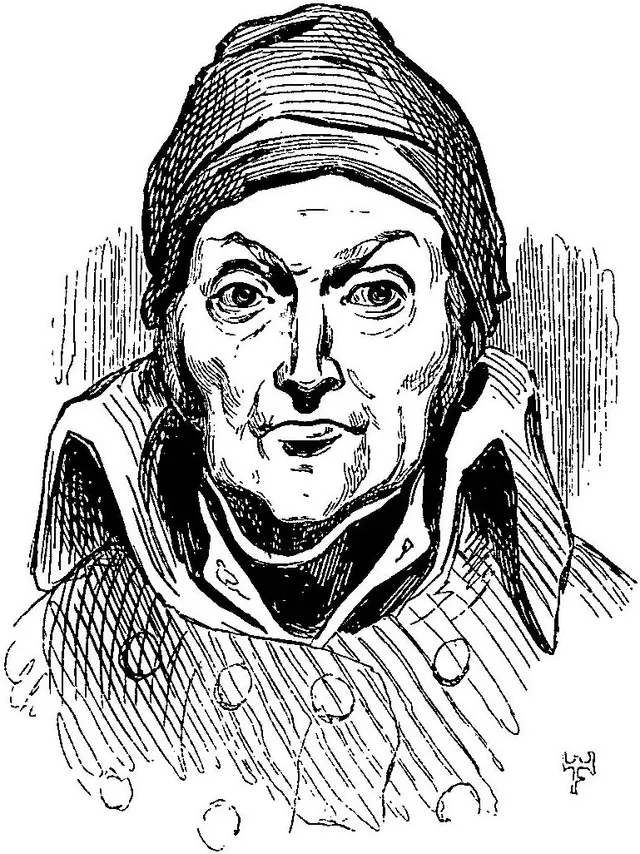
Nicolas Appert
Image creditÉdouard Foucaud · Public domainResized and cropped for display.

Nicolas Appert

French confectioner who invented the method of preserving food in sealed containers, the origin of canning.

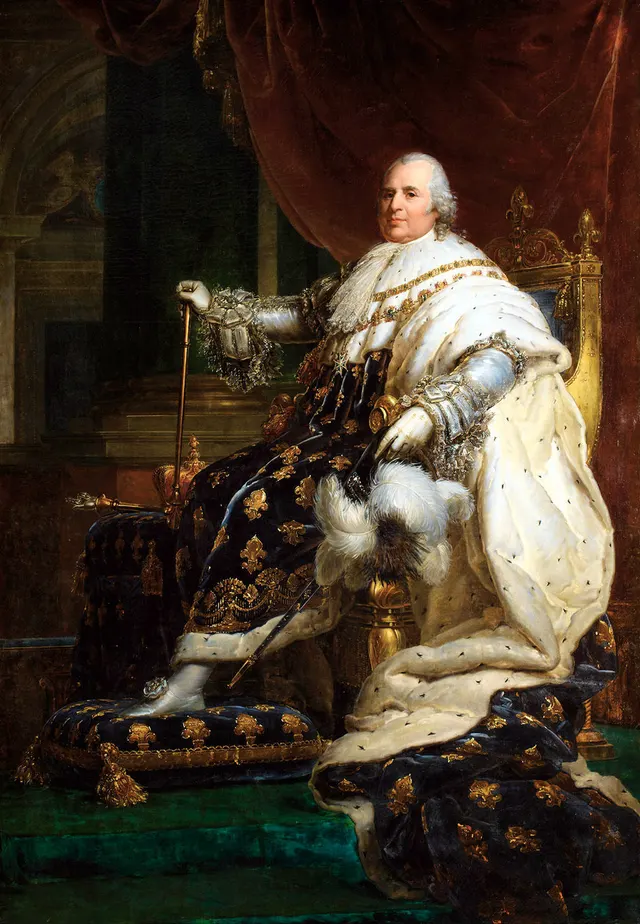
Louis XVIII
Image creditFrançois Gérard · Public domainResized and cropped for display.

Louis XVIII

Brother of Louis XVI who became King of France when the monarchy was restored after Napoleon’s fall.

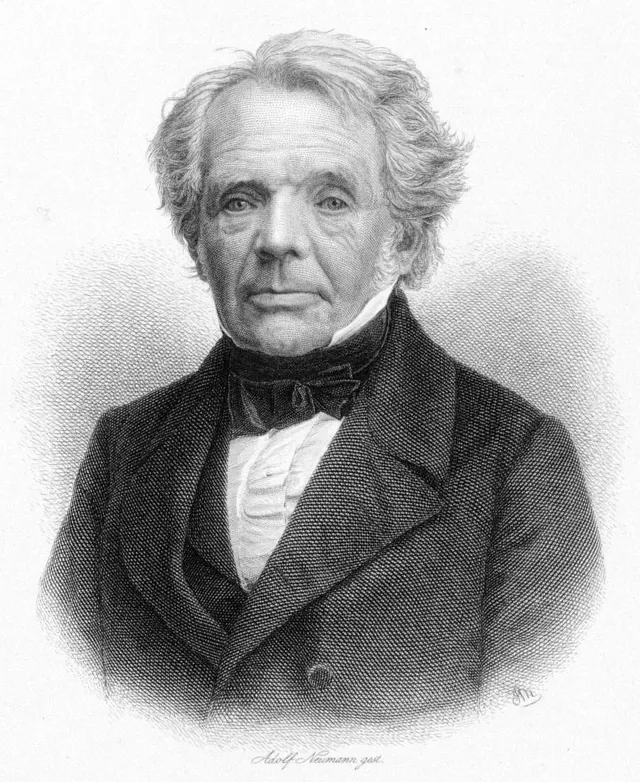
August Ferdinand Möbius
Image creditAdolf Neumann · Public domainResized and cropped for display.

August Ferdinand Möbius

German mathematician and astronomer, remembered for the one-sided Möbius strip.

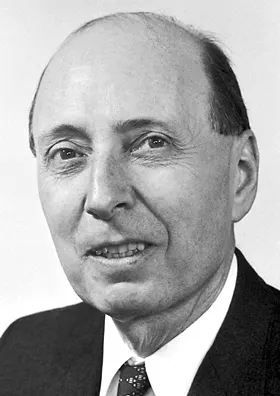
Eugene Wigner
Image creditNobel foundation · Public domainResized and cropped for display.

Eugene Wigner

Hungarian-born physicist who shared the 1963 Nobel Prize in Physics for his work on atomic nuclei and symmetry.

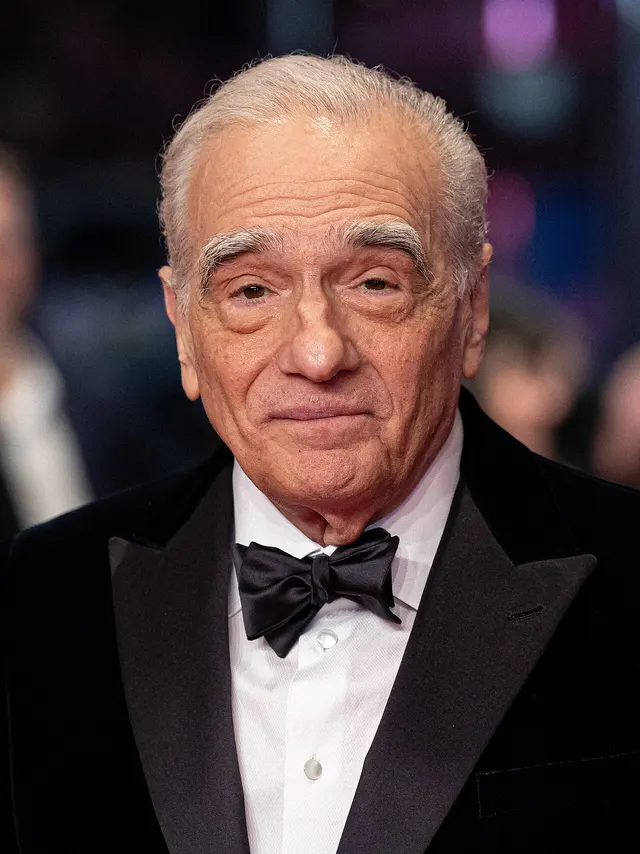
Martin Scorsese
Image creditHarald Krichel · CC BY-SA 4.0Resized and cropped for display.

Martin Scorsese

American film director of Taxi Driver, Raging Bull and Goodfellas.

◉
IDEAS THAT CHANGED THINGS

Firsts, Science & Discoveries

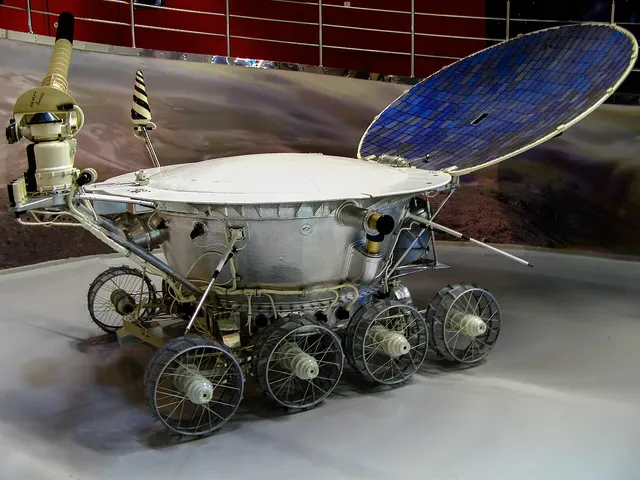
A full-size model of the Lunokhod 1 rover.
Image creditPetar Milošević · CC BY-SA 3.0Resized and cropped for display.

Lunokhod 1, the first rover on the Moon

The Soviet spacecraft Luna 17 landed in the Sea of Rains on 17 November 1970 and rolled out Lunokhod 1, a remote-controlled eight-wheeled vehicle steered by a team of drivers on Earth. It was the first robot rover to explore another world.

Built to work for three lunar days, it kept going for eleven, travelling more than 10 kilometres and sending back over 20,000 television pictures and more than 200 panoramas over about ten months.

Read the full storyHistory & Timeline →Source: NASA Space Science Data Coordinated Archive: Lunokhod 1 ↗
✦
LIVES REMEMBERED

Remembered Today

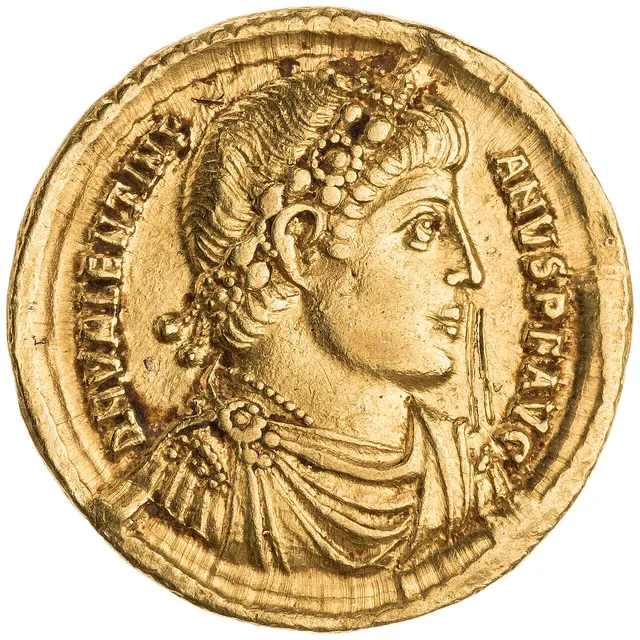
Valentinian I
Image creditANS · CC BY-SA 4.0Resized and cropped for display.

Valentinian I

Roman emperor who ruled the western half of the empire and defended its Rhine and Danube frontiers (Julian calendar).

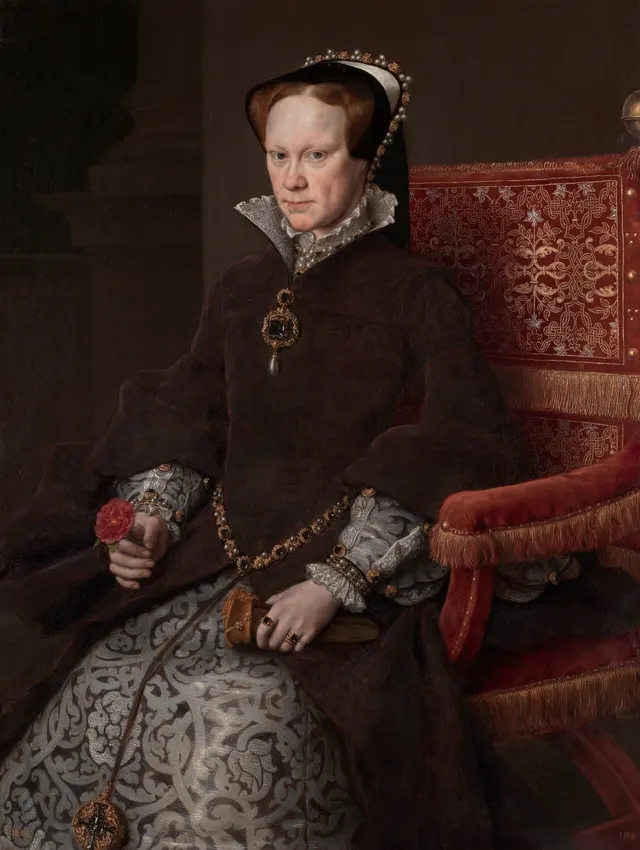
Mary I of England
Image creditAntonis Mor · Public domainResized and cropped for display.

Mary I of England

Queen of England who restored Catholicism and had hundreds of Protestants burned (Julian calendar).

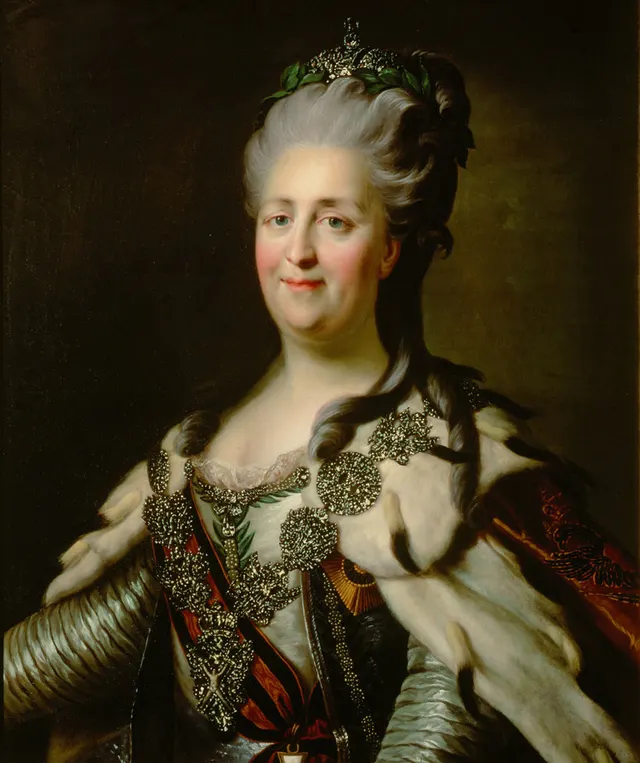
Catherine the Great
Image creditAfter Alexander Roslin · Public domainResized and cropped for display.

Catherine the Great

Empress of Russia for 34 years, who greatly enlarged the empire and corresponded with the thinkers of the Enlightenment.

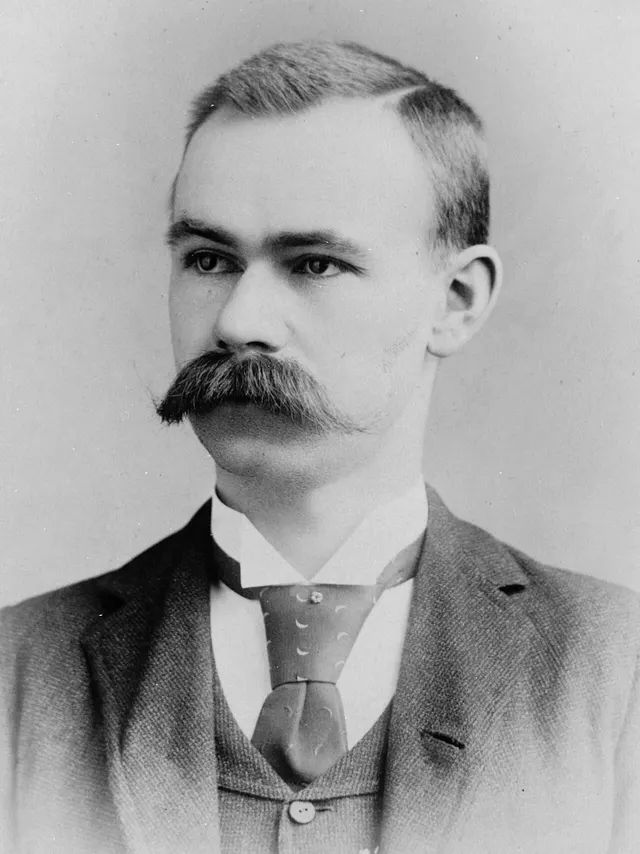
Herman Hollerith
Image creditCharles Milton Bell · Public domainResized and cropped for display.

Herman Hollerith

American inventor of the punched-card tabulating machine, whose company became part of IBM.

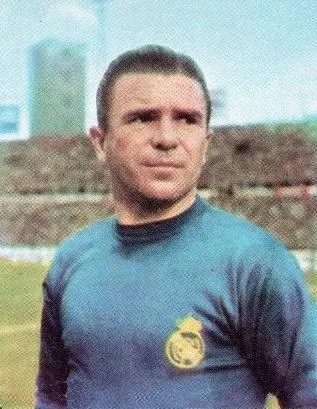
Ferenc Puskás
Image creditPanini · Public domainResized and cropped for display.

Ferenc Puskás

Hungarian footballer, one of the greatest goalscorers, who starred for Hungary and Real Madrid.

☉
AROUND THE WORLD

Observances & Anniversaries

Jan Opletal, the Czech student whose death in 1939 led to the protests remembered on this day.
Image creditUnknown authorUnknown author · Public domainResized and cropped for display.

International Students’ Day

On 17 November 1939 the Nazi occupiers of Czechoslovakia closed the Czech universities, executed nine student leaders and sent more than a thousand students to concentration camps, after protests that followed the death of the student Jan Opletal. The date has been kept as International Students’ Day since 1941, and in the Czech Republic and Slovakia it is also a day of struggle for freedom and democracy.

Source: Radio Prague International: The 17th of November, remembering Jan Opletal ↗
HISTORY & TIMELINE

Finished the highlights?

Follow 17 November chronologically, from the Middle Ages to the modern day, with 9 verified events and the sources behind them.

This day through time →