Explore 19 January

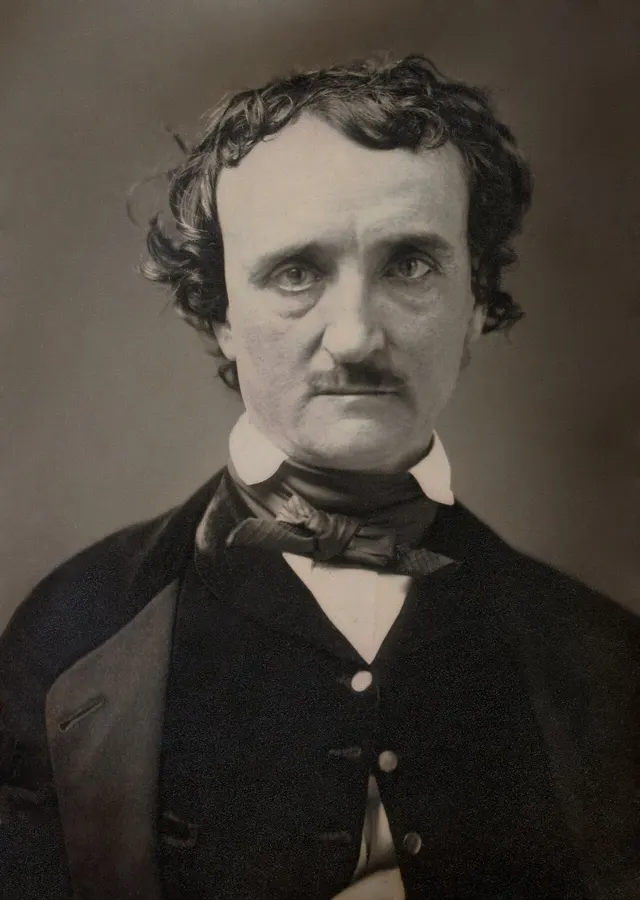
Explore 19 January: Georgia votes to leave the Union, Britain and Egypt agree to rule the Sudan together, German airships bomb English towns for the first time and the United States and Iran sign the deal that ends the hostage crisis. Meet James Watt, Edgar Allan Poe and Paul Cézanne, born on 19 January.

This day through time →11 verified events across 4 eras

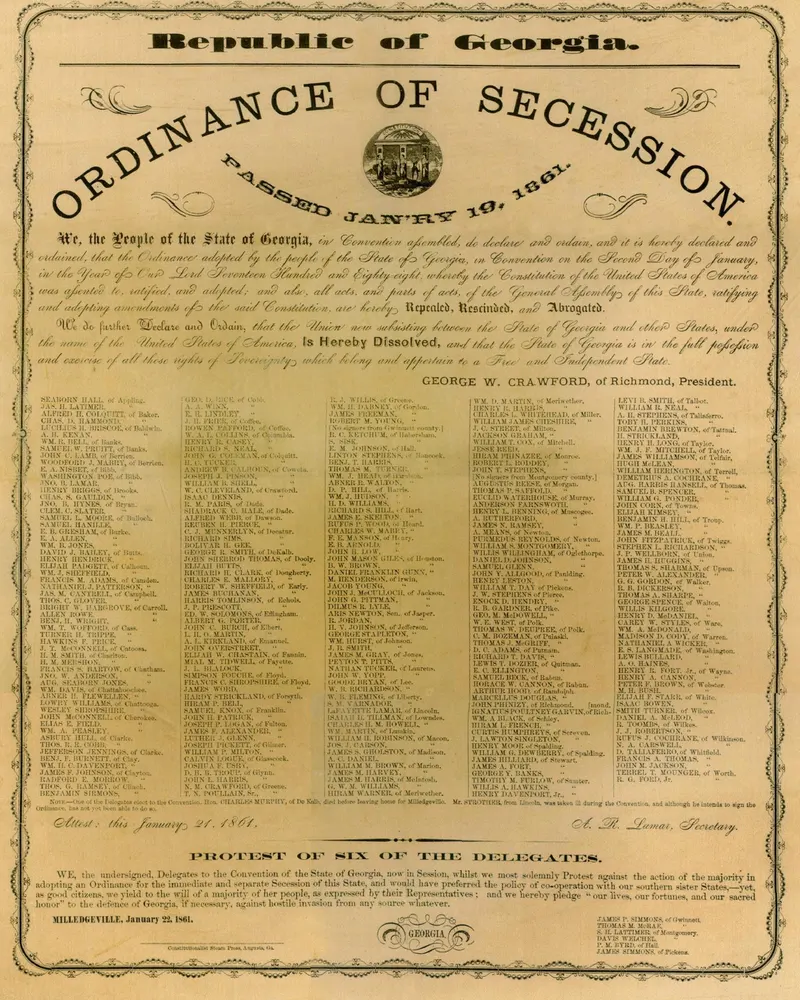
A printed copy of Georgia's ordinance of secession, 'passed Jan'ry 19, 1861', with the names of the signers.
A printed copy of Georgia’s ordinance of secession, ‘passed Jan’ry 19, 1861’, with the names of the signers.
Image creditGeorgia Legislature · Public domainResized and cropped for display.

Georgia votes to leave the Union

Abraham Lincoln’s election as president in November 1860 convinced many white Southerners that slavery was no longer safe inside the United States. South Carolina seceded in December, and Mississippi, Florida and Alabama followed early in January.

Georgia, the most populous state of the Deep South, met in convention at its capital, Milledgeville. On 19 January 1861 a last attempt to delay secession failed by 208 votes to 89, and at two in the afternoon the convention’s president declared the union between Georgia and the other states dissolved. Within weeks Georgia helped found the Confederate States of America, and the Civil War began in April.

Read the full storyHistory & Timeline →Source: New Georgia Encyclopedia: Georgia Secession Convention of 1861 ↗
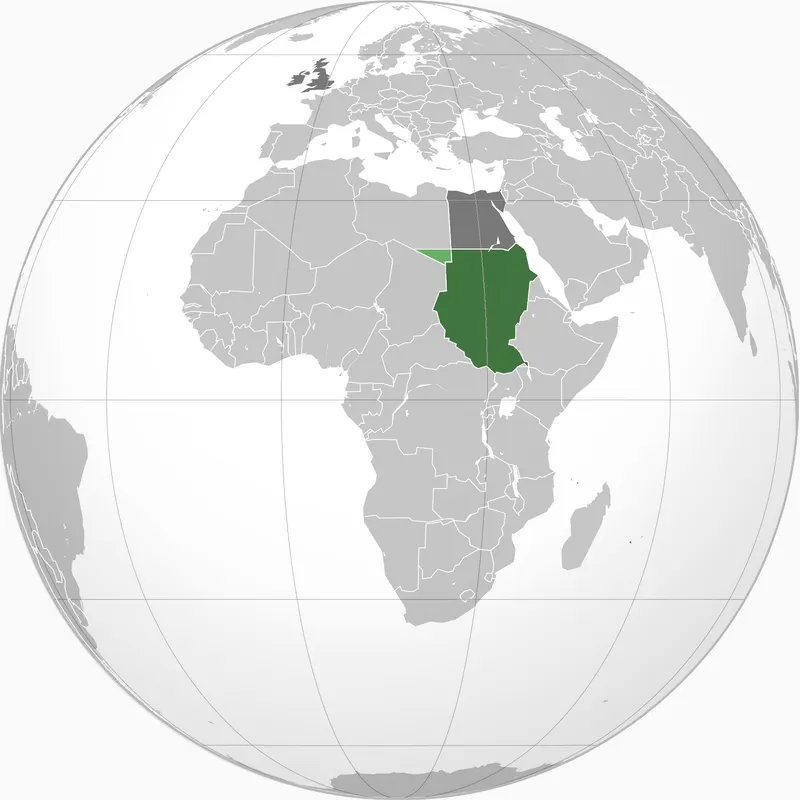
A map of the Anglo-Egyptian Sudan (green), the vast territory ruled jointly in name by Britain and Egypt from 1899 to 1956.
Image creditVoodooIsland at English Wikipedia · Public domainResized and cropped for display.

Britain and Egypt agree to rule the Sudan together

In September 1898 an Anglo-Egyptian army under Herbert Kitchener destroyed the forces of the Mahdist state at Omdurman, ending thirteen years of independent Sudanese rule that had begun with the fall of Khartoum.

On 19 January 1899 Britain and Egypt signed an agreement setting up a ‘condominium’, a joint government of the Sudan. A governor-general, nominated by Britain and appointed by the khedive of Egypt, held supreme civil and military power. Egypt shared the rule in name, but in practice Britain was in control. The arrangement lasted until the Sudan became an independent republic on 1 January 1956.

Read the full storyHistory & Timeline →Source: Encyclopaedia Britannica: Anglo-Egyptian Condominium ↗
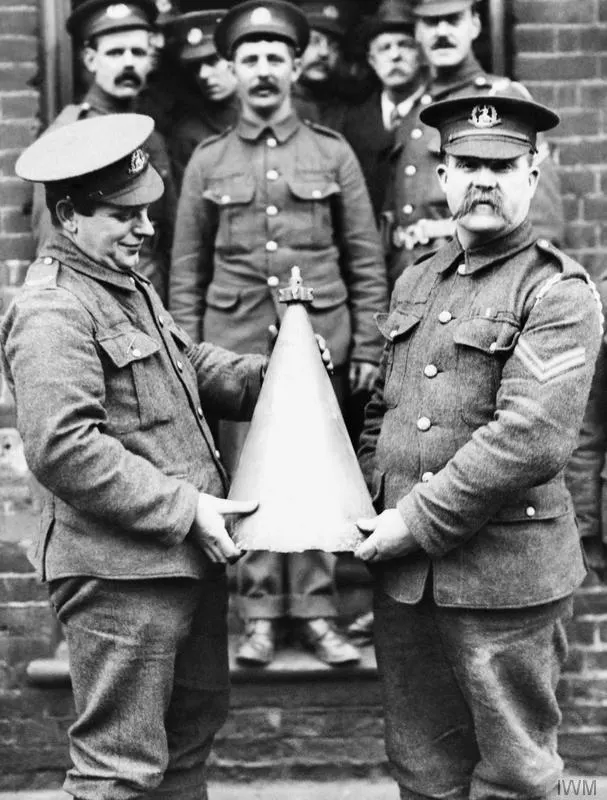
Men of the Norfolk Regiment with part of a German bomb dropped on Great Yarmouth by Zeppelin L3 on 19 January 1915.
Image creditUnknown authorUnknown author · Public domainResized and cropped for display.

German airships bomb Britain for the first time

Early in the First World War Germany began using its giant Zeppelin airships to carry the war to Britain’s home front. On the morning of 19 January 1915 two naval airships, L3 and L4, set off from near Hamburg, aiming for the Humber.

Bad weather blew them off course, and that evening they dropped their bombs on Great Yarmouth, King’s Lynn and villages in Norfolk instead. Four people were killed, among them Samuel Smith and Martha Taylor in Great Yarmouth, the first British civilians to die in an air raid. More than fifty Zeppelin raids were made on Britain during the war, and the fear they caused, more than the damage, changed how Britain thought about defence.

Read the full storyHistory & Timeline →Source: The National Archives: Zeppelin raids ↗
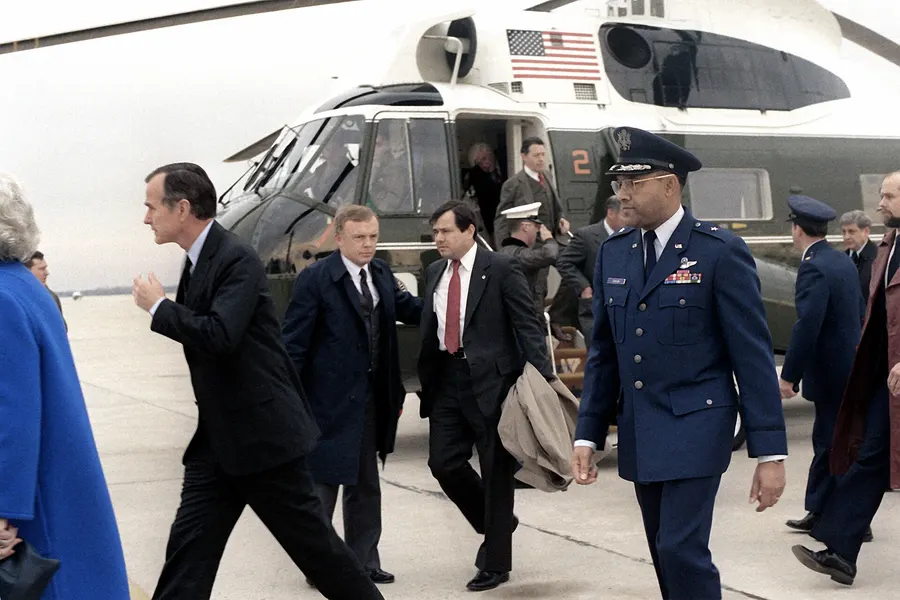
Vice-President George Bush waits at Andrews Air Force Base to welcome the freed hostages home, 27 January 1981.
Image creditPhotographer's Name: Templeton · Public domainResized and cropped for display.

The United States and Iran sign the deal to free the hostages

In November 1979 Iranian students stormed the United States embassy in Tehran and took its staff hostage. Fifty-two Americans were held for more than a year while negotiations stalled and a military rescue attempt failed in the desert.

Algerian diplomats carried messages between the two governments, and on 19 January 1981 the Algiers Accords were signed: Iran would release the hostages, and the United States would unfreeze Iranian assets and settle claims through an international tribunal. The hostages were freed the next day, minutes after Ronald Reagan was sworn in as president, after 444 days in captivity.

Read the full storyHistory & Timeline →Source: US Office of the Historian: an end to the hostage crisis ↗
♙
PEOPLE

Born Today

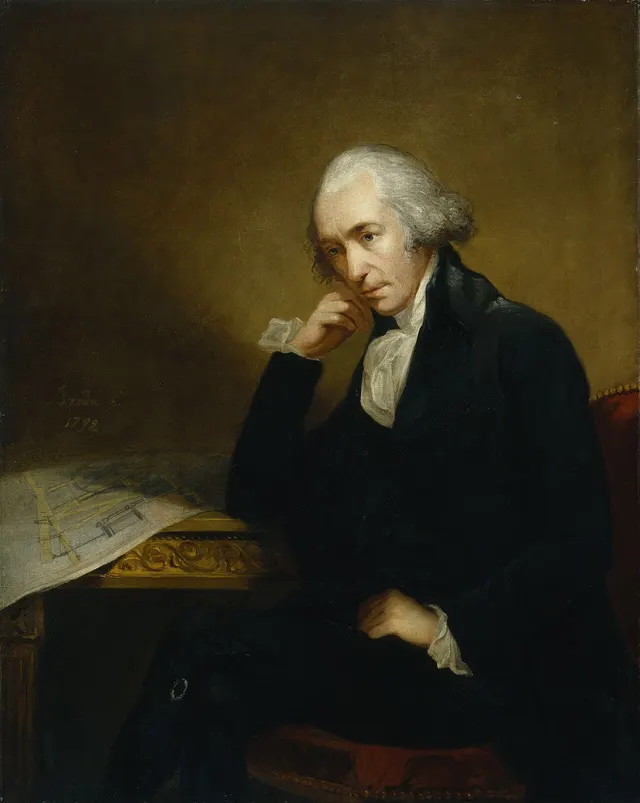
James Watt
Image creditCarl Frederik von Breda · Public domainResized and cropped for display.

James Watt

Scottish engineer whose improved steam engine powered the Industrial Revolution.

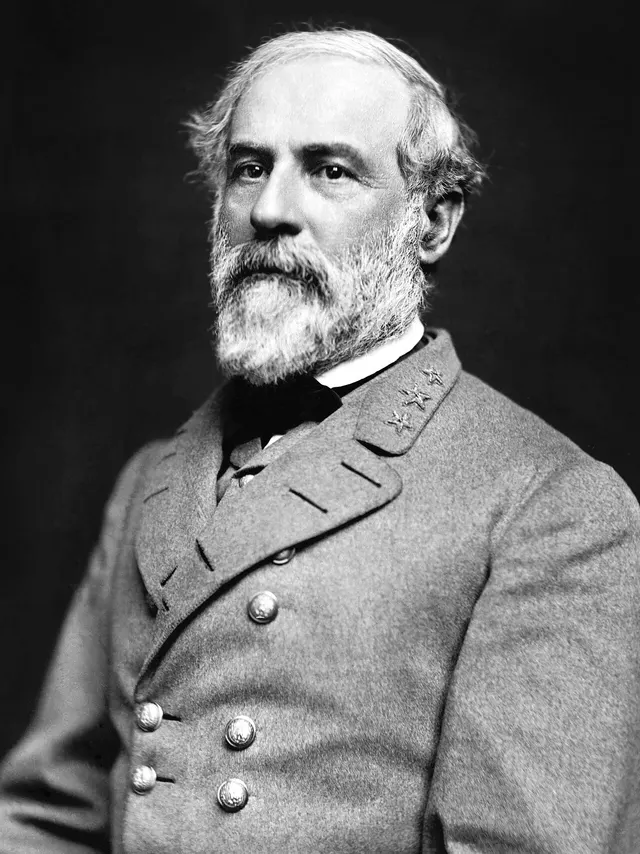
Robert E. Lee
Image creditJulian Vannerson · Public domainResized and cropped for display.

Robert E. Lee

Commander of the Confederate army of Northern Virginia in the American Civil War.

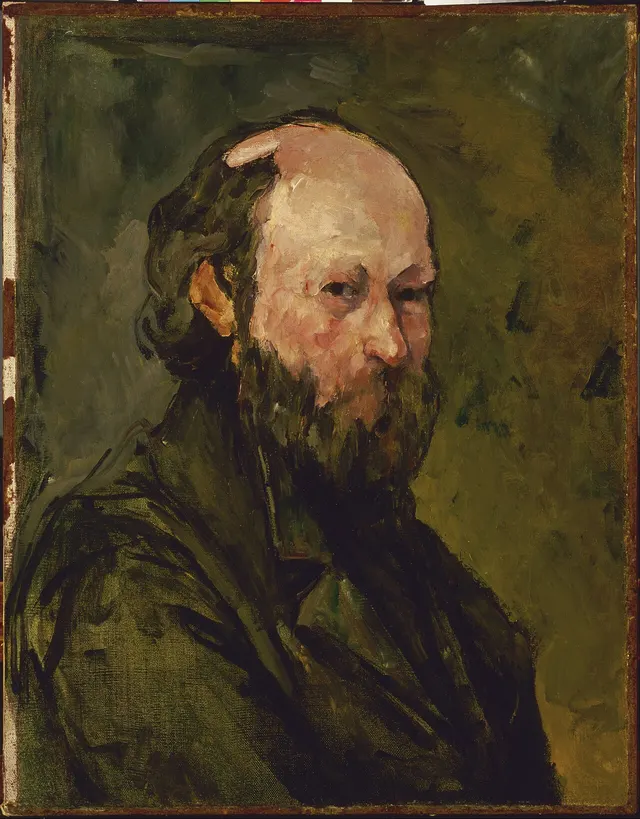
Paul Cézanne
Image creditPaul Cézanne · Public domainResized and cropped for display.

Paul Cézanne

French painter whose still lifes and landscapes opened the way to modern art.

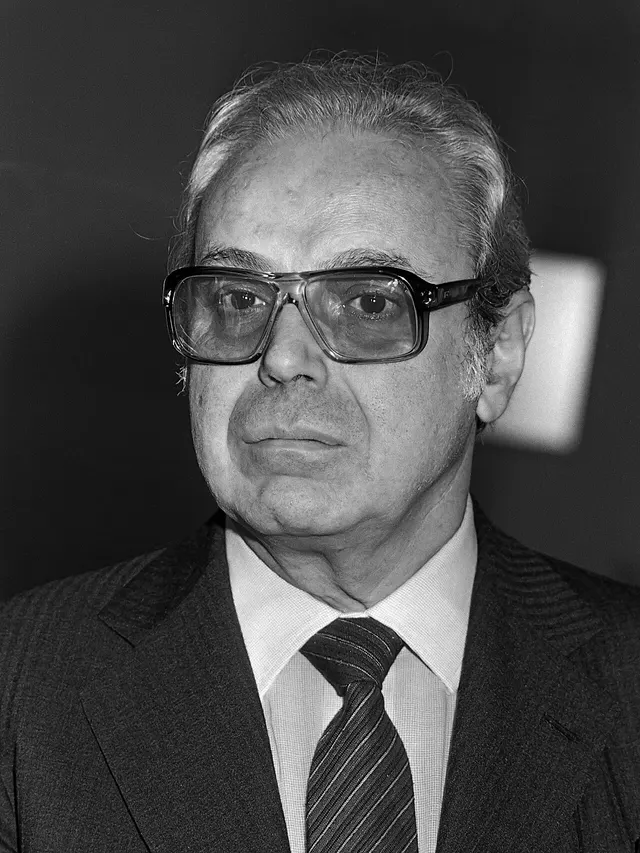
Javier Pérez de Cuéllar
Image creditRob Bogaerts for Anefo · CC BY-SA 3.0 nlResized and cropped for display.

Javier Pérez de Cuéllar

Peruvian diplomat, Secretary-General of the United Nations from 1982 to 1991.

Stefan Edberg
Image creditRobin Fritzson · CC BY 3.0Resized and cropped for display.

Stefan Edberg

Swedish tennis player, winner of six Grand Slam singles titles.

◉
IDEAS THAT CHANGED THINGS

Firsts, Science & Discoveries

A neon-filled glass tube bent into the element's symbol, Ne, glowing its characteristic red-orange.
A neon-filled glass tube bent into the element’s symbol, Ne, glowing its characteristic red-orange.
Image creditUser:Pslawinski · CC BY-SA 2.5Resized and cropped for display.

Georges Claude patents the neon lamp

The French engineer Georges Claude made his fortune separating liquid air into its gases for industry, which left him with neon, a rare gas with no obvious use. Passing an electric current through a tube of pure neon, he found that it glowed a brilliant red-orange, and he first showed neon lighting in Paris in 1910.

On 19 January 1915 the United States granted him a patent for his system of lighting with luminescent tubes, which used specially designed electrodes to keep the tubes glowing for long periods. Claude’s company licensed the design around the world, and neon signs soon lit up the shopfronts and theatres of the 1920s.

Read the full storyHistory & Timeline →Source: Google Patents: US1125476A, system of illuminating by luminescent tubes (G. Claude, patented 19 January 1915) ↗
New Horizons lifts off aboard an Atlas V rocket from Cape Canaveral, 19 January 2006.
Image creditNASA/Ken Thornsley · Public domainResized and cropped for display.

New Horizons sets off for Pluto

Pluto, discovered in 1930, was the only planet of the classical nine never visited by a spacecraft. On 19 January 2006 NASA launched New Horizons, a probe about the size of a piano, on an Atlas V rocket from Cape Canaveral, leaving Earth faster than any spacecraft before it.

After a journey of nine and a half years it flew past Pluto on 14 July 2015, revealing mountains of water ice, plains of frozen nitrogen and a thin blue haze of atmosphere. It went on to pass Arrokoth, a small icy world in the Kuiper Belt, on New Year’s Day 2019, the most distant object ever explored close up.

Read the full storyHistory & Timeline →Source: NASA: 19 January 2006, New Horizons launches for Pluto ↗
♫
MUSIC • FILM • BOOKS • CULTURE

Culture Stories

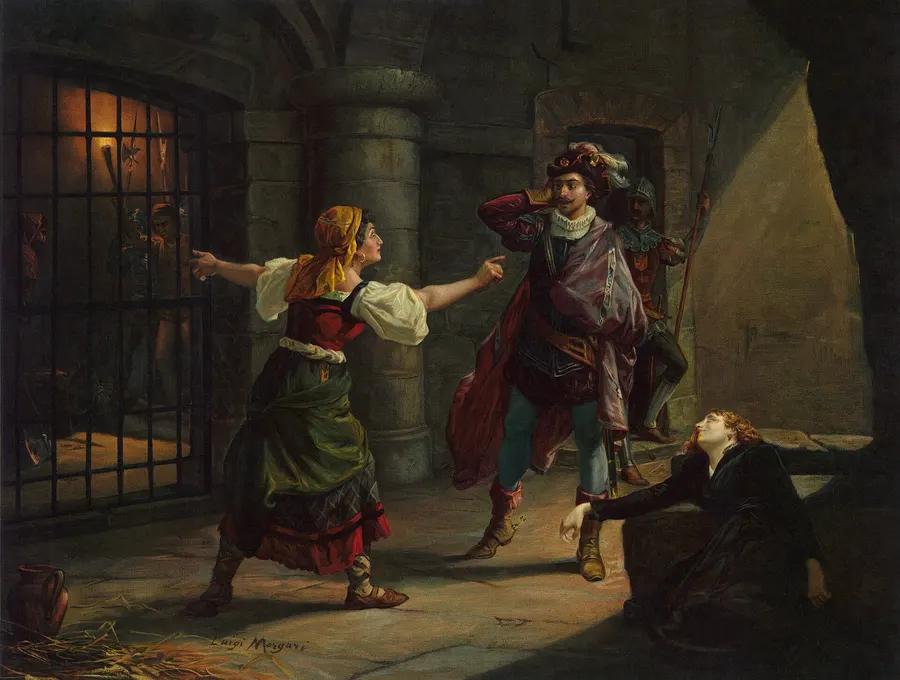
A scene from Il trovatore, from a nineteenth-century print by Luigi Morgari.
Image creditLuigi Morgari / Adam Cuerden · Public domainResized and cropped for display.

Verdi’s Il trovatore opens in Rome

Giuseppe Verdi’s Il trovatore, a dark tale of a gypsy’s revenge, rival lovers and a child thrown on a fire, is set in fifteenth-century Spain and based on a Spanish play by Antonio García Gutiérrez.

It had its first performance at the Teatro Apollo in Rome on 19 January 1853 and was an immediate success. Written between Rigoletto and La traviata, it completed the trio of operas that made Verdi the most popular composer in Italy, and its Anvil Chorus remains one of the best-known tunes in all opera.

Read the full storyHistory & Timeline →Source: Encyclopaedia Britannica: Il trovatore ↗
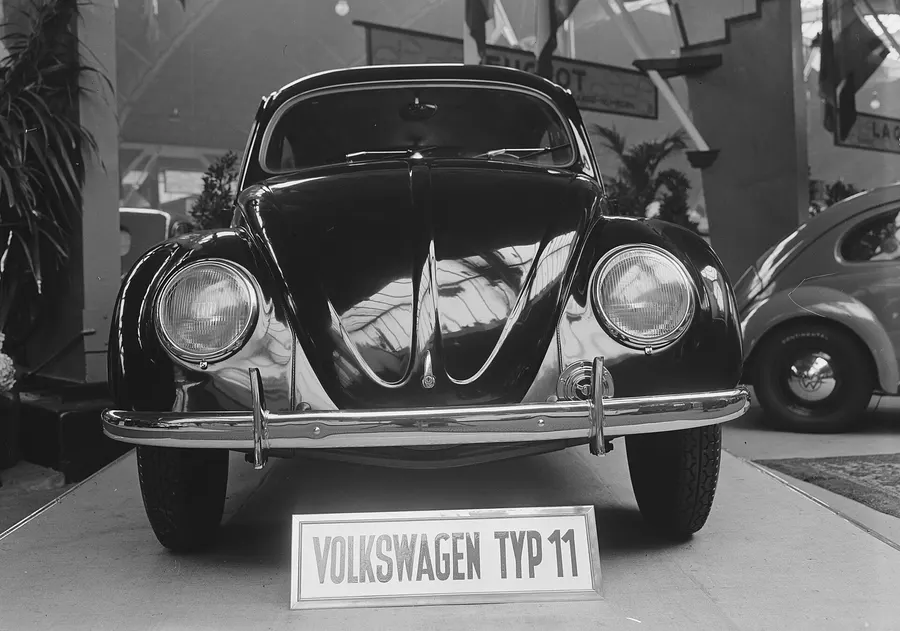
An early export Volkswagen, sold as the Type 11, on show at the Amsterdam motor show in 1948.
Image creditNationaal Archief · CC0Resized and cropped for display.

The last Beetle built in Germany leaves the factory

The Volkswagen Beetle was designed in the 1930s as a ‘people’s car’ for Nazi Germany but went into mass production only after the war, under British supervision, at Wolfsburg. It became the symbol of West Germany’s economic recovery and was sold around the world.

By the 1970s newer models such as the Golf were taking over, and Beetle production ended at Wolfsburg in 1974. On 19 January 1978 the last German-built Beetle, one of more than 16 million, came off the line at Emden and went to the company museum. Production continued in Brazil and Mexico, where the final Beetle was built in 2003.

Read the full storyHistory & Timeline →Source: Volkswagen Newsroom: VW Beetle, the real miracle ↗
✦
LIVES REMEMBERED

Remembered Today

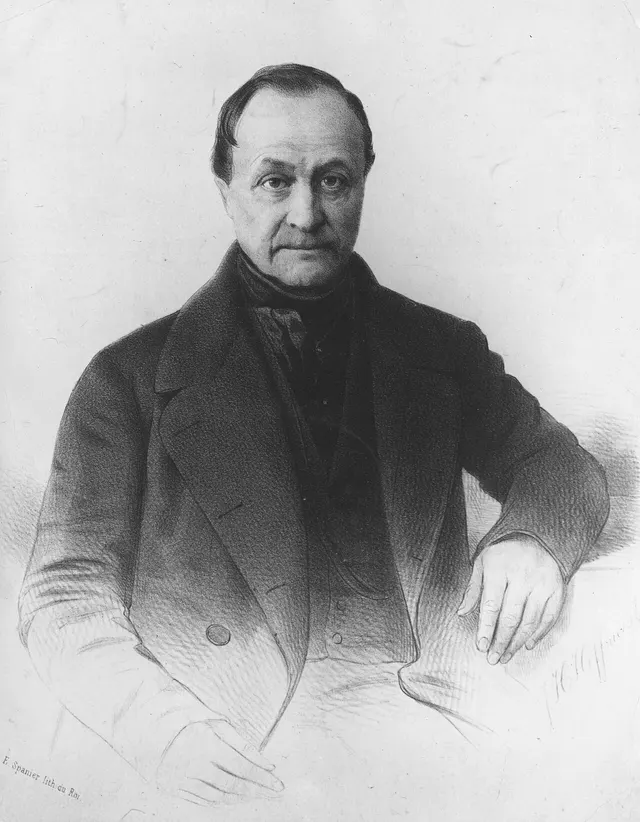
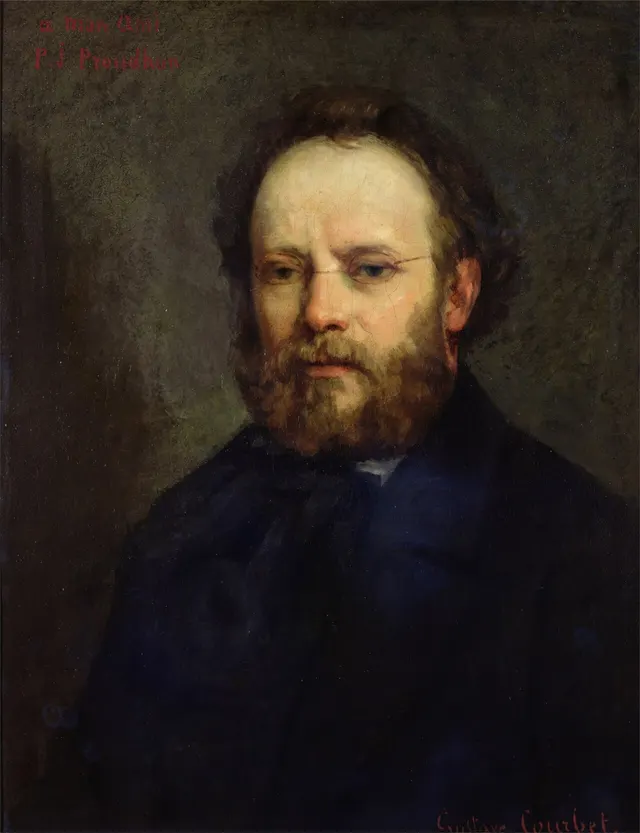
Pierre-Joseph Proudhon
Image creditGustave Courbet · Public domainResized and cropped for display.

Pierre-Joseph Proudhon

French thinker who asked ‘What is property?’ and was the first to call himself an anarchist.

Ettore Scola
Image creditRob Bogaerts for Anefo · CC BY-SA 3.0Resized and cropped for display.

Ettore Scola

Italian film director of We All Loved Each Other So Much and A Special Day.

☉
AROUND THE WORLD

Observances & Anniversaries

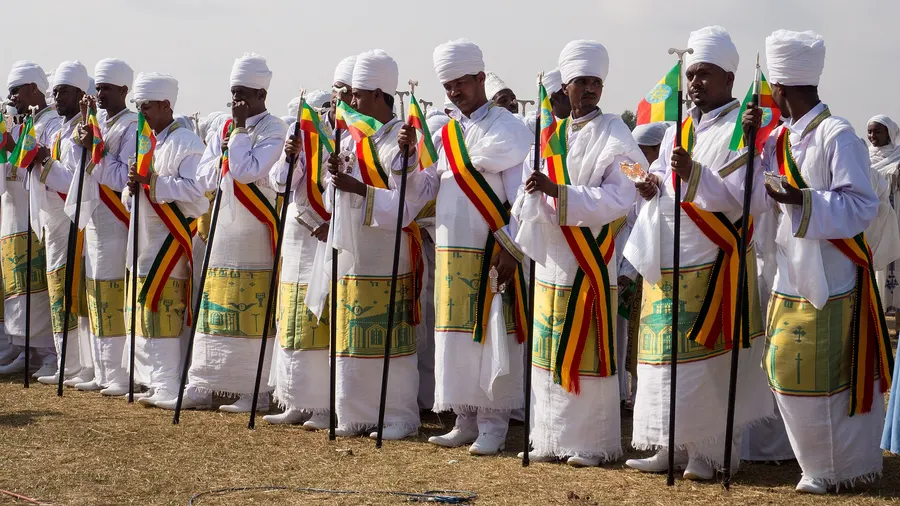
Ethiopian Orthodox priests in white robes before the Timkat ceremony at Jan Meda, Addis Ababa, 19 January 2015.
Image creditJean Rebiffé · CC BY 4.0Resized and cropped for display.

Timkat, the Ethiopian Epiphany

On 19 January (20 January in leap years) Ethiopian Orthodox Christians celebrate Timkat, the baptism of Jesus in the River Jordan. On the eve, priests carry each church’s tabot, a replica of the tablets of the Law, in procession to a pool or river; at dawn the water is blessed and sprinkled on the crowds, and the day is filled with singing and dancing. UNESCO added the festival to its list of the intangible heritage of humanity in 2019.

Source: UNESCO Intangible Cultural Heritage: Ethiopian epiphany ↗
HISTORY & TIMELINE

Finished the highlights?

Follow 19 January chronologically, from the Middle Ages to the modern day, with 11 verified events and the sources behind them.

This day through time →