Explore 20 January

Explore 20 January: Simon de Montfort’s parliament brings townsmen to Westminster for the first time, a British envoy agrees terms that hand Hong Kong Island to Britain, Nazi officials meet at Wannsee to organise the murder of Europe’s Jews and John F. Kennedy asks Americans what they can do for their country. Meet André-Marie Ampère, Federico Fellini and Buzz Aldrin, born on 20 January.

This day through time →9 verified events across 5 eras

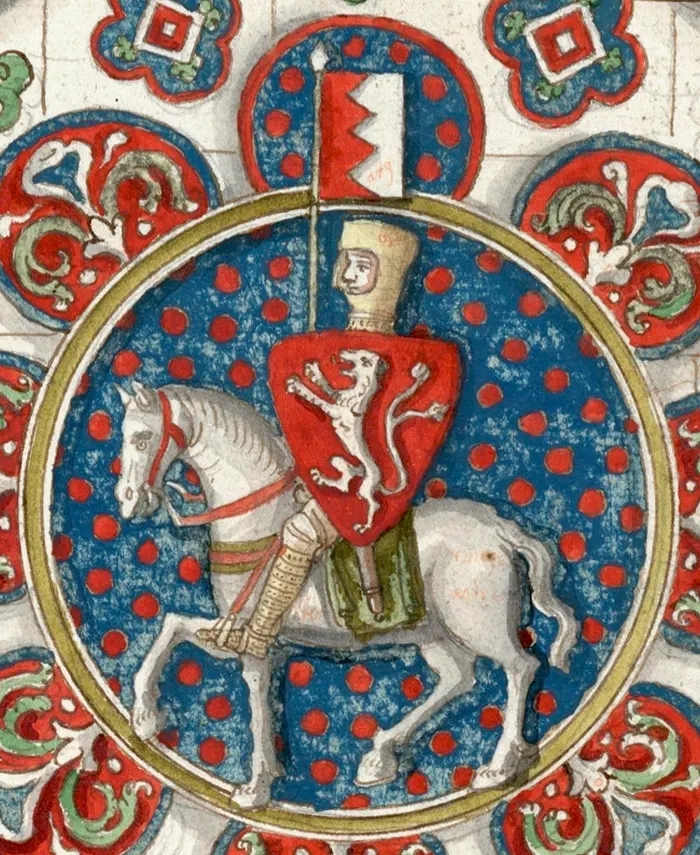
Simon de Montfort on horseback, from a drawing of a thirteenth-century stained-glass window in Chartres Cathedral.
Image creditUnknown authorUnknown author · Public domainResized and cropped for display.

Simon de Montfort’s parliament brings the towns to Westminster

In 1264 Simon de Montfort, Earl of Leicester, led the barons who rebelled against Henry III, defeated the king at Lewes and took him prisoner. To win wider support for his government, Montfort summoned a parliament to Westminster.

It met on 20 January 1265. Alongside the bishops and barons came two knights from each county and, for the first time, two citizens or burgesses from each of the chosen towns, gathered to discuss the affairs of the realm and not simply to agree to taxes. Montfort was killed at Evesham that August, but the idea of calling the commons to parliament survived and grew into the House of Commons.

Read the full storyHistory & Timeline →Source: UK Parliament: Simon de Montfort’s parliament ↗
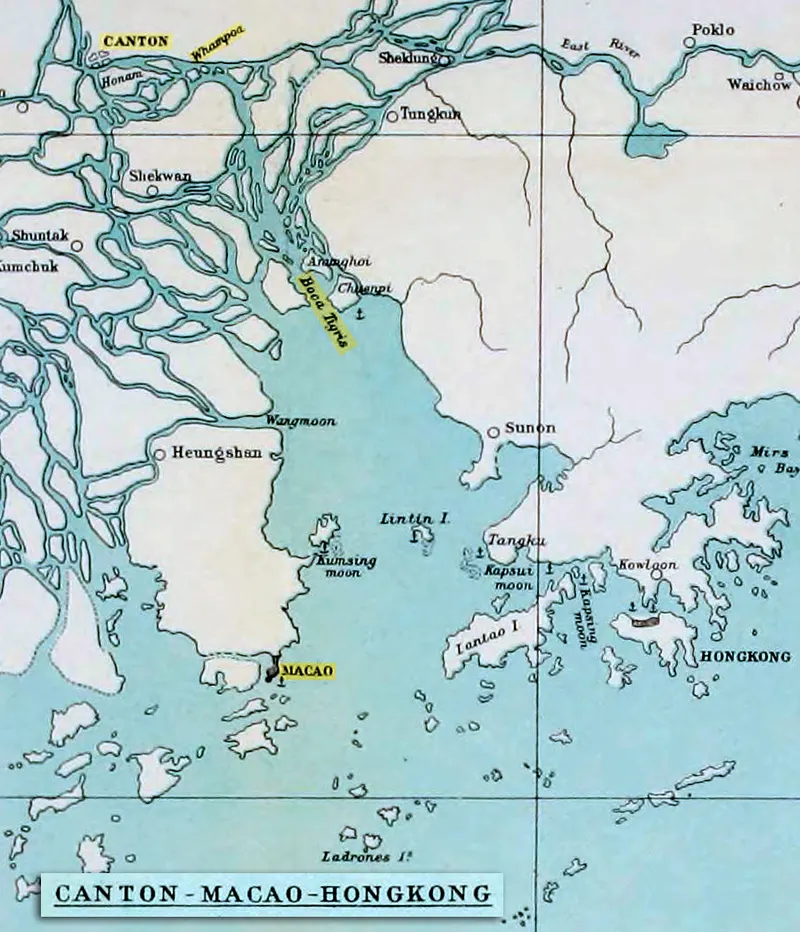
The Pearl River delta, from Canton down past the Bocca Tigris to Macao and Hong Kong, in a map published in 1910.
Image creditW. & A. K. Johnston Limited · Public domainResized and cropped for display.

Britain’s envoy agrees terms that give it Hong Kong Island

The First Opium War began when China tried to stop British merchants smuggling opium into Canton. After British warships destroyed the forts guarding the river, the British envoy Charles Elliot and the Chinese commissioner Qishan negotiated at Chuenpi, near the mouth of the Pearl River.

On 20 January 1841 Elliot announced the terms: among them, Hong Kong Island was to be ceded to Britain. Neither government accepted the deal. Qishan was sent to Beijing in chains, and in London Lord Palmerston dismissed Hong Kong as ‘a barren island with hardly a house upon it’. But British sailors raised the flag there on 26 January, and the Treaty of Nanjing confirmed the cession the following year.

Read the full storyHistory & Timeline →Source: Hong Kong Government Yearbook: history ↗
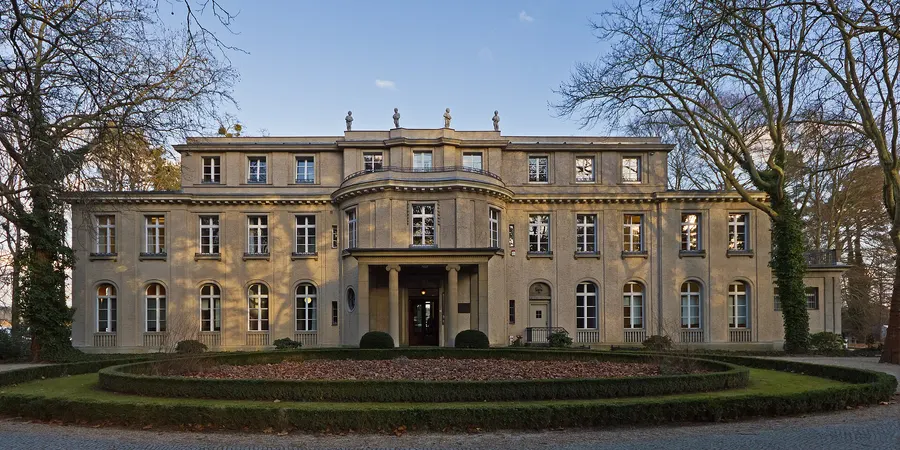
The villa at Wannsee in Berlin where the conference was held, now a memorial and education centre.
Image creditA.Savin · CC BY-SA 3.0Resized and cropped for display.

Nazi officials meet at Wannsee to coordinate the murder of Europe’s Jews

By the start of 1942 German killing squads had already murdered hundreds of thousands of Jews in the occupied Soviet Union. On 20 January Reinhard Heydrich, head of the Nazi security police, called fifteen senior officials from the SS, the Nazi party and government ministries to a villa at Wannsee in Berlin.

They did not debate whether to kill Europe’s Jews; that decision had already been taken. They met to coordinate it across the ministries whose cooperation was needed. The minutes, which survived the war, list eleven million Jews across Europe as targets. In the extermination camps that followed, about 1.7 million Jews were murdered in 1942 and 1943 alone.

Read the full storyHistory & Timeline →Source: United States Holocaust Memorial Museum: Wannsee Conference and the ‘Final Solution’ ↗
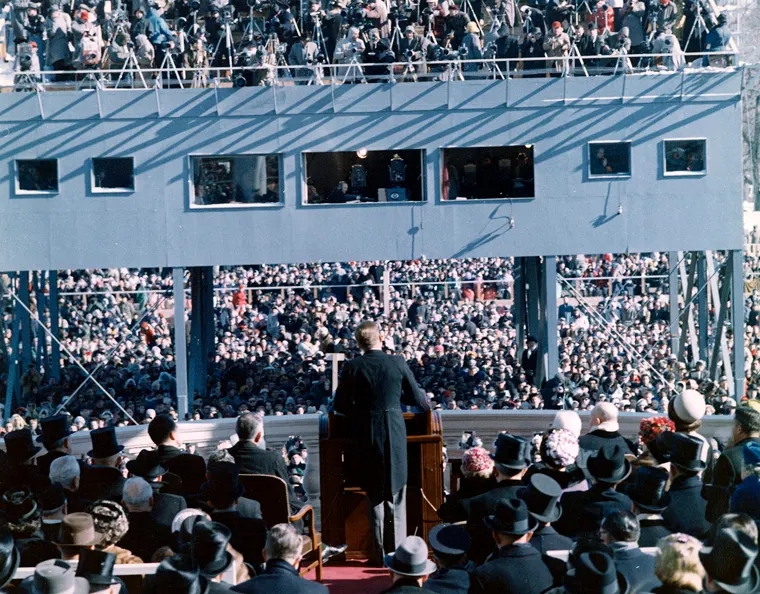
John F. Kennedy delivers his inaugural address at the Capitol in Washington, 20 January 1961.
Image creditUnited States Army Signal Corps photograph in the John F. Kennedy Presidential Library and Museum, Boston. · Public domainResized and cropped for display.

John F. Kennedy: ‘Ask not what your country can do for you’

At 43, John F. Kennedy was the youngest man ever elected president of the United States. He was sworn in on the east front of the Capitol on 20 January 1961, in bitter cold after a heavy snowfall the night before.

His inaugural address, which he had drafted and cut again and again with his aide Ted Sorensen, lasted about fourteen minutes and spoke mostly to the rest of the world, promising to ‘pay any price’ for liberty in the Cold War. Its most famous line was addressed at home: ‘Ask not what your country can do for you, ask what you can do for your country.’

Read the full storyHistory & Timeline →Source: John F. Kennedy Presidential Library: inaugural address ↗
♙
PEOPLE

Born Today

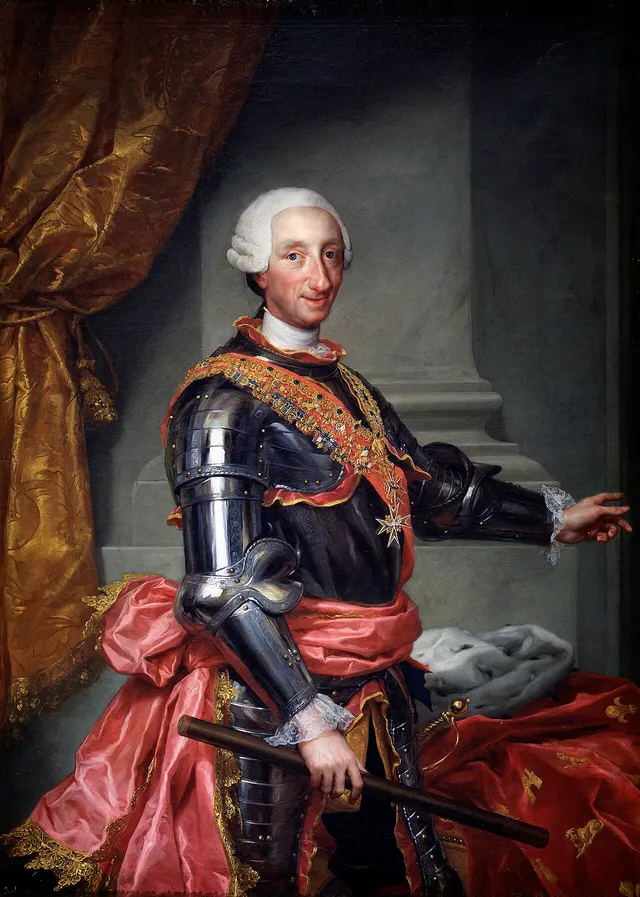
Charles III of Spain
Image creditAnton Raphael Mengs · Public domainResized and cropped for display.

Charles III of Spain

King of Spain from 1759, a reforming ‘enlightened despot’ who rebuilt Madrid.

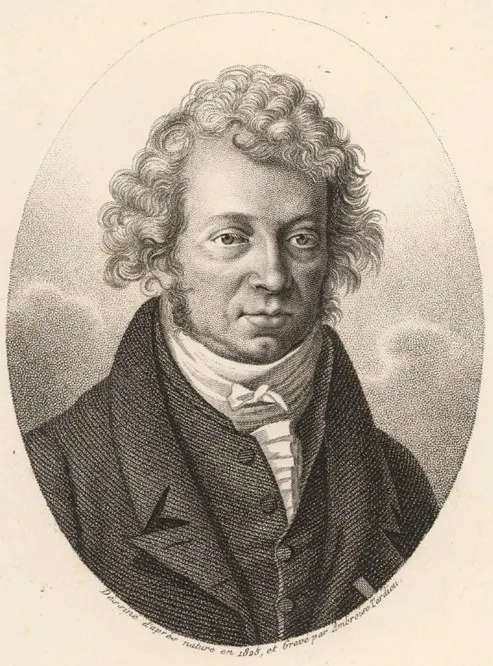
André-Marie Ampère
Image creditAmbroise Tardieu · Public domainResized and cropped for display.

André-Marie Ampère

French physicist who founded the science of electromagnetism; the unit of current is named after him.

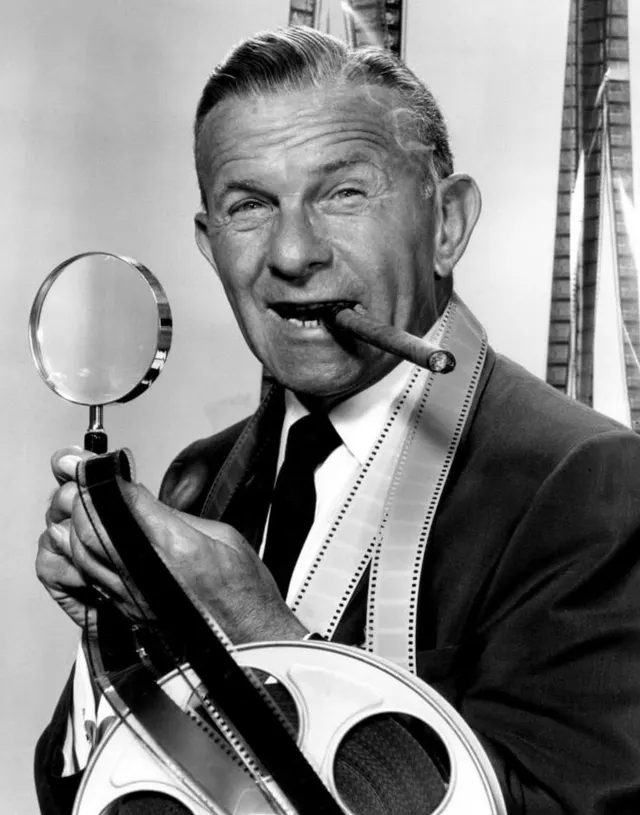
George Burns
Image creditNBC/Elmer W. Holloway · Public domainResized and cropped for display.

George Burns

American comedian who worked for more than ninety years, famous with his wife Gracie Allen.

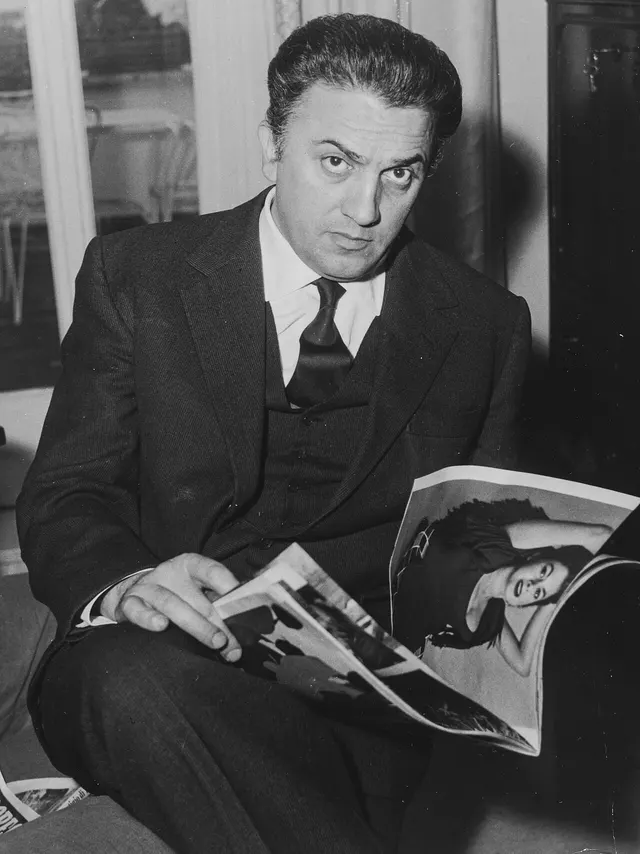
Federico Fellini
Image creditItaliamia · Public domainResized and cropped for display.

Federico Fellini

Italian film director of La Strada, La Dolce Vita and 8½.

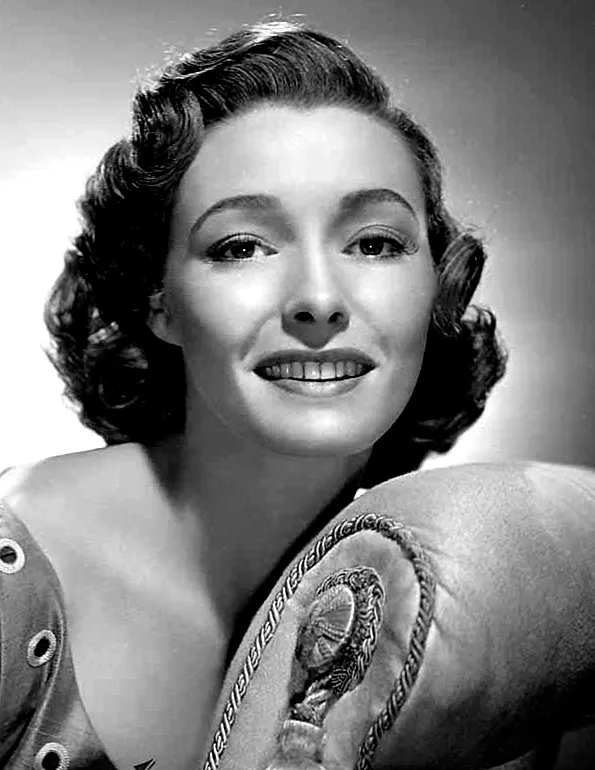
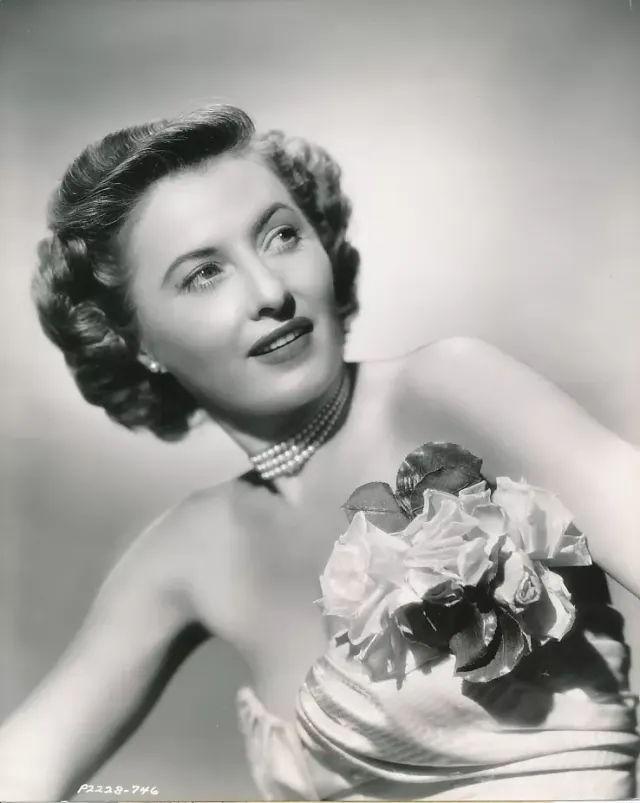
Patricia Neal
Image creditPhotofest · Public domainResized and cropped for display.

Patricia Neal

American actress who won an Oscar for Hud.

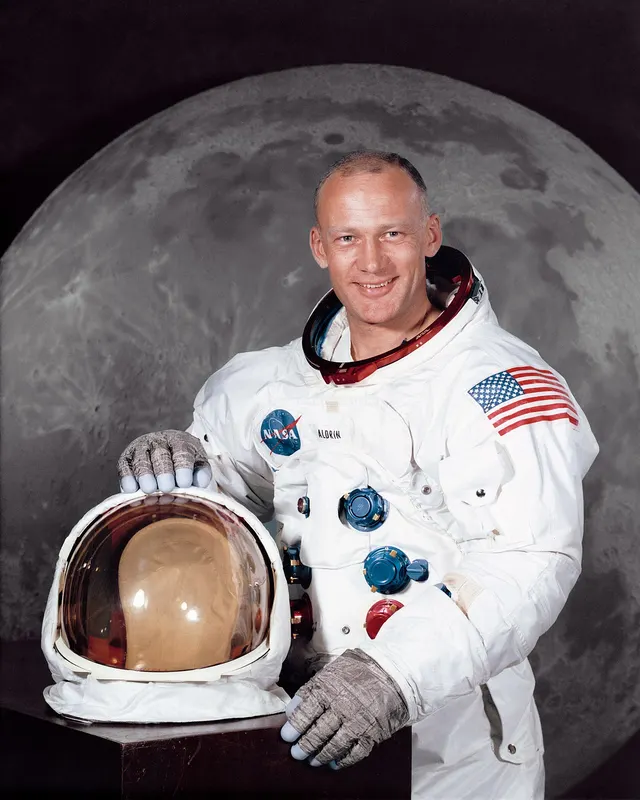
Buzz Aldrin
Image creditNASA · Public domainResized and cropped for display.

Buzz Aldrin

American astronaut, the second person to walk on the Moon, in July 1969.

✦
LIVES REMEMBERED

Remembered Today

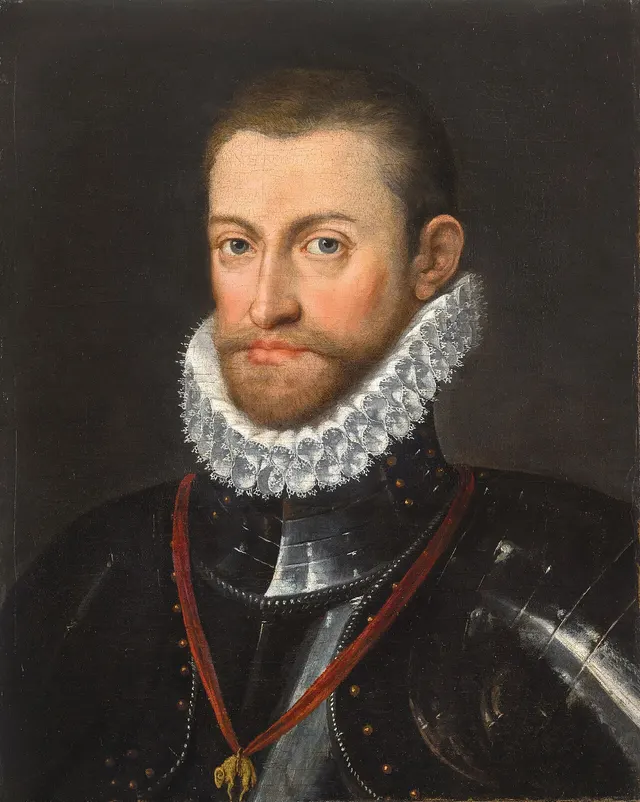
Rudolf II
Image creditWorkshop of Martino Rota · Public domainResized and cropped for display.

Rudolf II

Holy Roman Emperor who made Prague a centre of art and science, patron of Kepler and Tycho Brahe.

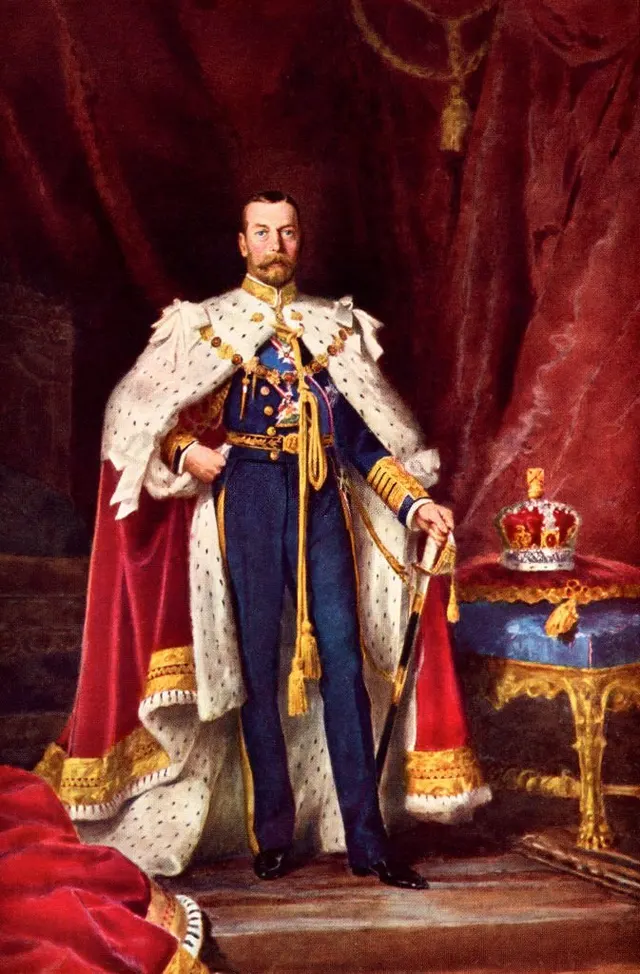
George V
Image creditAfter Luke Fildes · Public domainResized and cropped for display.

George V

King of the United Kingdom from 1910, who renamed the royal house Windsor during the First World War.

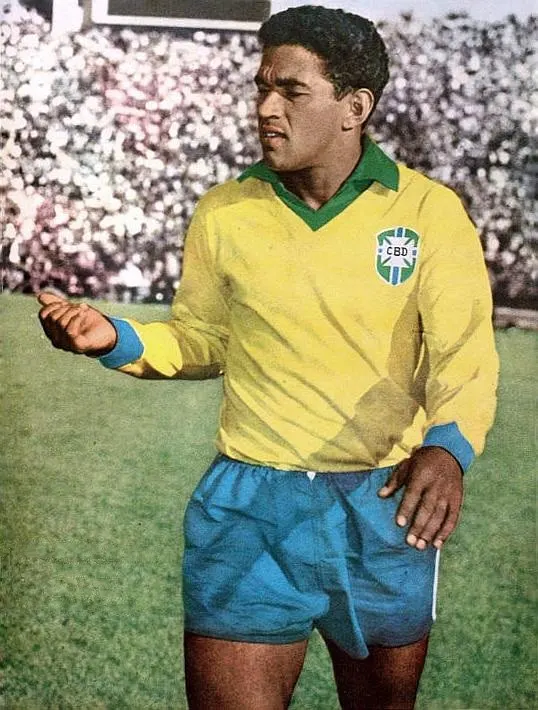
Garrincha
Image creditEl Gráfico, n° 2233 · Public domainResized and cropped for display.

Garrincha

Brazilian winger whose dribbling helped win the World Cups of 1958 and 1962.

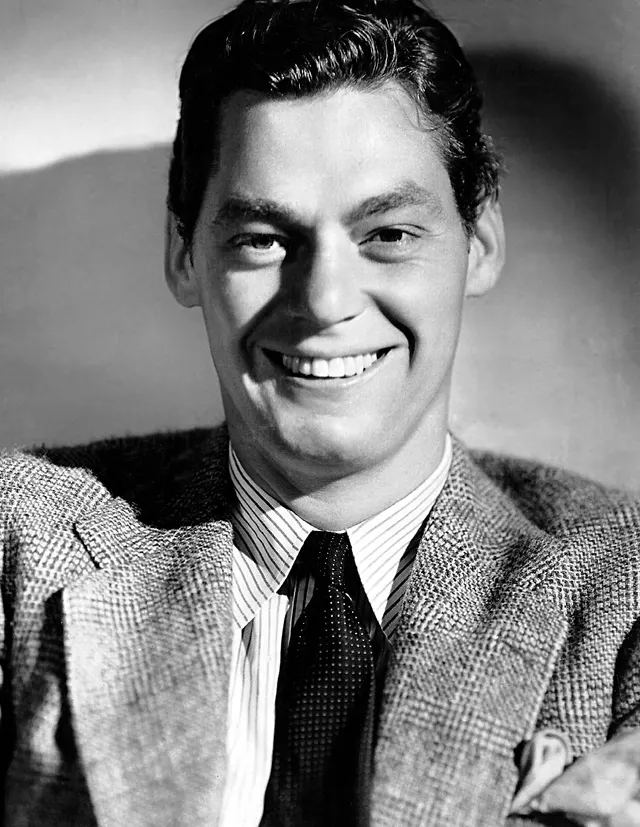
Johnny Weissmuller
Image creditMGM studio · Public domainResized and cropped for display.

Johnny Weissmuller

American swimmer with five Olympic gold medals who became Hollywood’s Tarzan.

Barbara Stanwyck
Image creditWhitey Schafer · Public domainResized and cropped for display.

Barbara Stanwyck

American actress of Double Indemnity and Ball of Fire.

Audrey Hepburn
Image creditBud Fraker (1916-2002) [1] · Public domainResized and cropped for display.

Audrey Hepburn

British actress of Roman Holiday and Breakfast at Tiffany’s, later a UNICEF ambassador.

Etta James
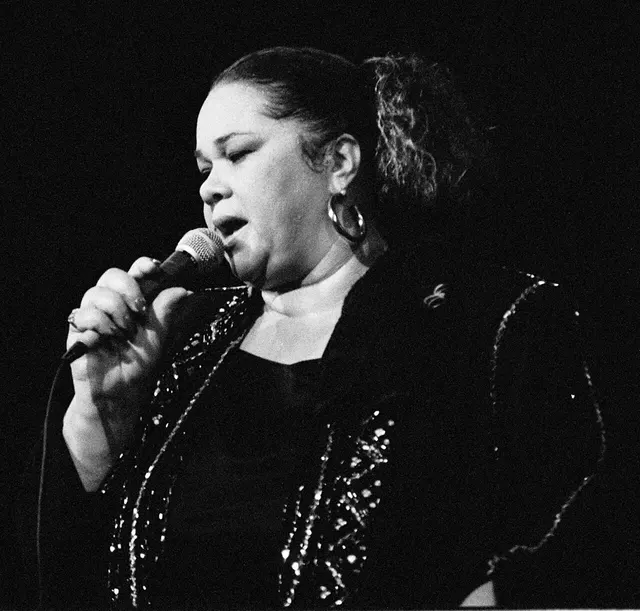
Image creditRoland Godefroy · CC BY-SA 3.0Resized and cropped for display.

Etta James

American singer of At Last, whose voice spanned blues, soul and jazz.

☉
AROUND THE WORLD

Observances & Anniversaries

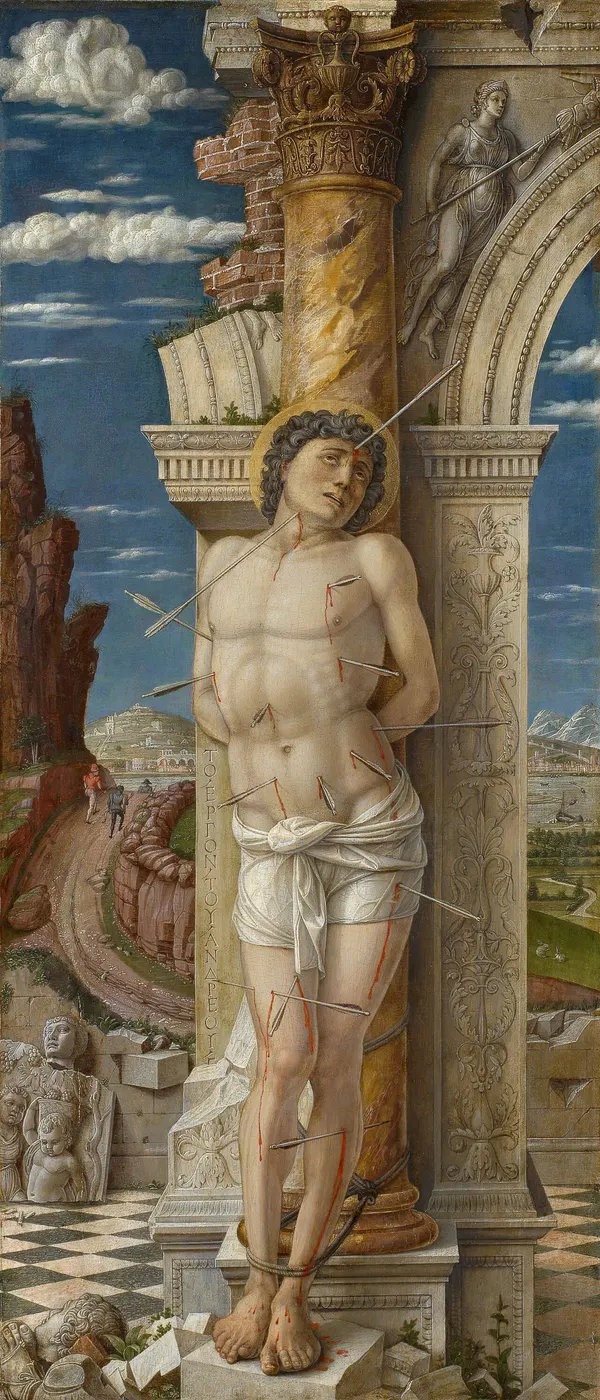
Saint Sebastian, painted by Andrea Mantegna about 1460 (Kunsthistorisches Museum, Vienna).
Image creditAndrea Mantegna · Public domainResized and cropped for display.

Saint Sebastian’s Day, Rio de Janeiro’s festival

20 January is the feast of Saint Sebastian, a Roman soldier martyred for his Christian faith around the year 288 and usually painted pierced by arrows. He is the patron saint of Rio de Janeiro, whose full name, São Sebastião do Rio de Janeiro, was given at its founding in 1565. The day is a holiday in the city, marked by masses and a procession to the Metropolitan Cathedral.

Source: City of Rio de Janeiro: celebrations mark the Day of Saint Sebastian, patron saint of Rio ↗
HISTORY & TIMELINE

Finished the highlights?

Follow 20 January chronologically, from the Middle Ages to the modern day, with 9 verified events and the sources behind them.

This day through time →