41The emperor Caligula is murdered by his own guards
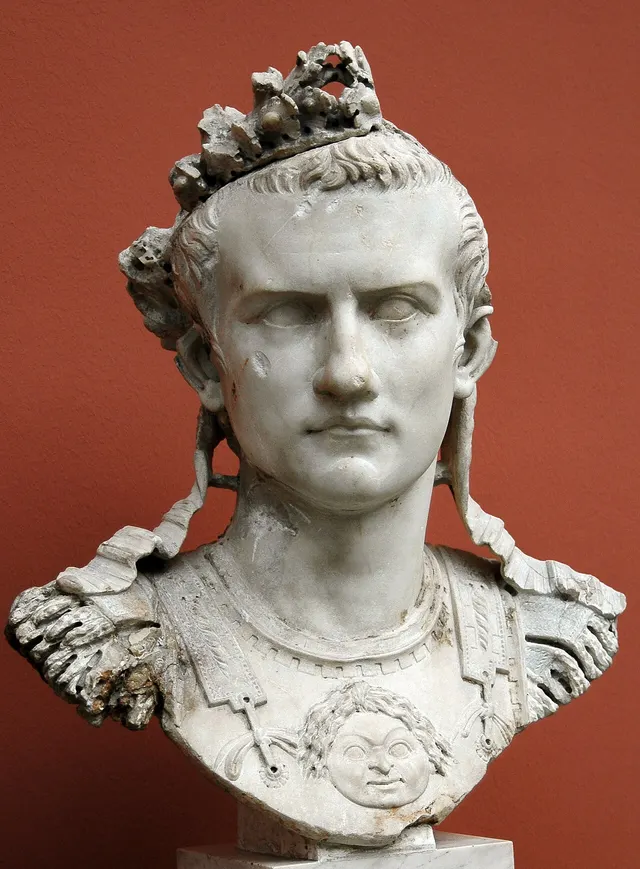
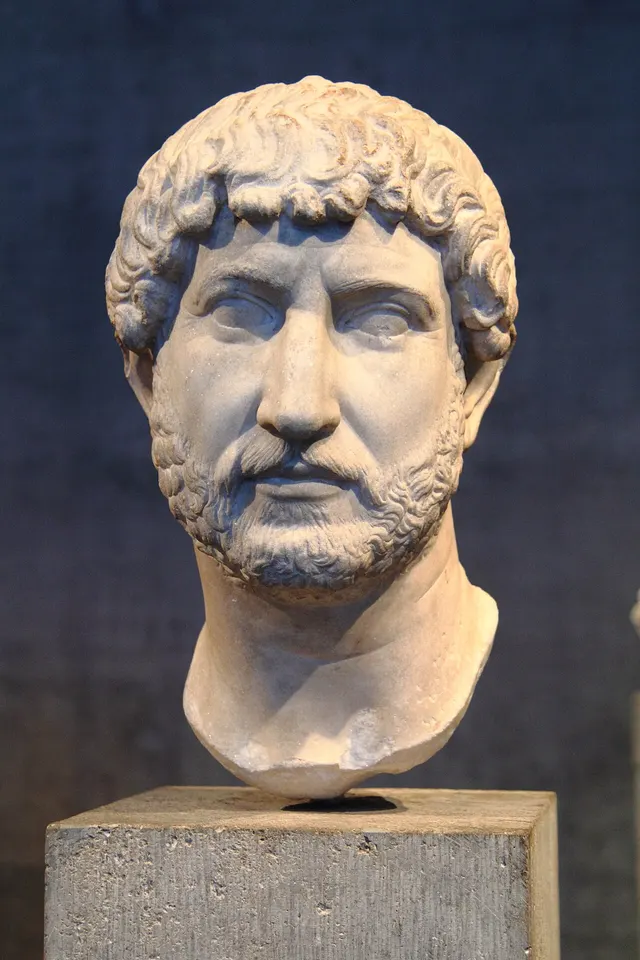
Gaius Caesar, known from boyhood by his nickname Caligula, ‘little boot’, became Roman emperor in AD 37 to great rejoicing. Within months his rule turned cruel and erratic: ancient writers describe executions on a whim, ruinous spending and his demand to be worshipped as a god.
On 24 January 41, during games on the Palatine Hill, he was attacked in a passage near his palace by Cassius Chaerea, a tribune of the Praetorian Guard whom he had often mocked, and other officers, and stabbed to death. His wife and daughter were also killed. The guardsmen found his uncle Claudius hiding in the palace and proclaimed him emperor.
Read the full storyHistory & Timeline →Source: Encyclopaedia Britannica: Caligula ↗
1458Hungary’s nobles choose Matthias Corvinus as king
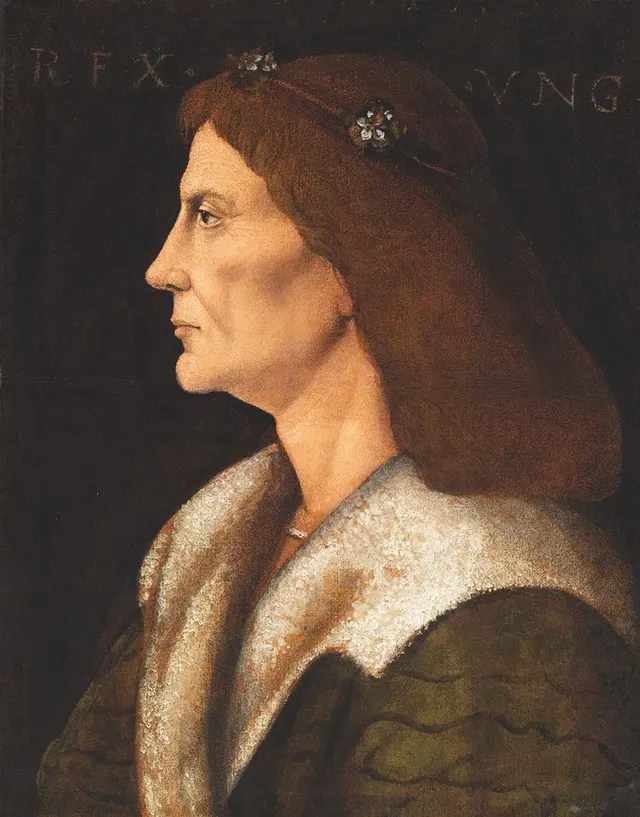
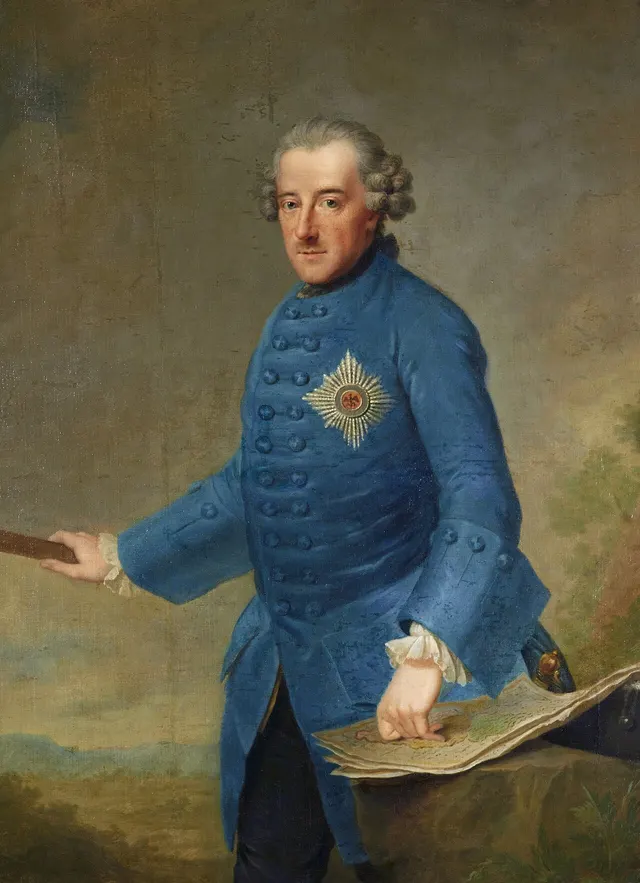
When the young king Ladislas V died suddenly in 1457, Hungary had no obvious heir. The nobles gathered at Buda and Pest, and on 24 January 1458 they elected the fifteen-year-old Matthias Hunyadi, son of the great general János Hunyadi, who had defeated the Ottomans at Belgrade. He was the first king of medieval Hungary without royal ancestry.
Matthias became one of the most powerful rulers of his age. He built a standing army, the Black Army, conquered Moravia, Silesia and even Vienna, and made his court at Buda a centre of the Italian Renaissance, with a library of illuminated manuscripts, the Corvinas, that was famous across Europe.
Read the full storyHistory & Timeline →Source: Encyclopaedia Britannica: Matthias I ↗
1848A carpenter finds gold at Sutter’s Mill
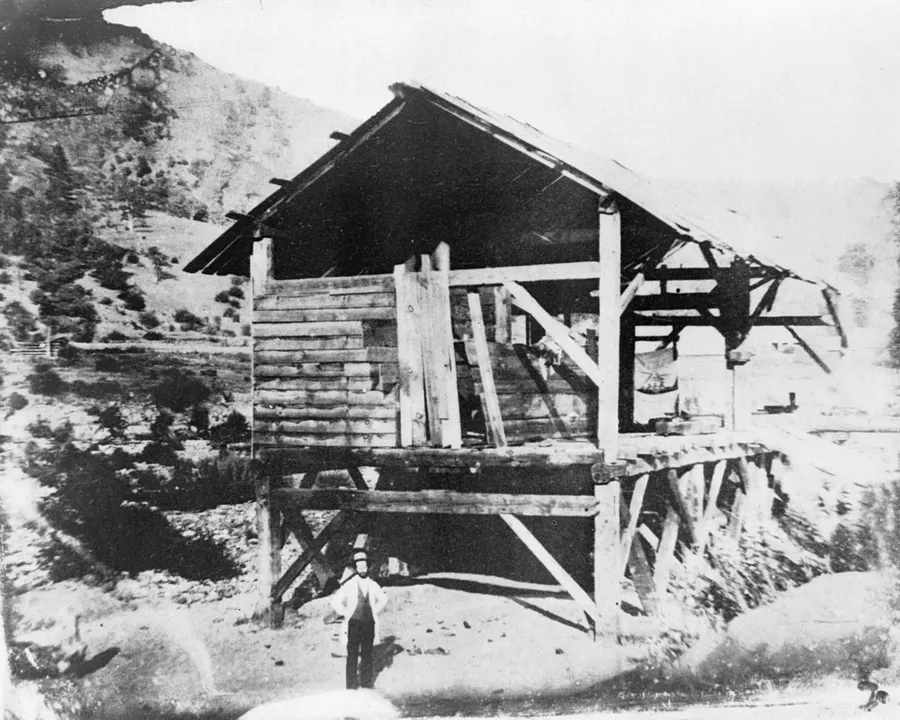
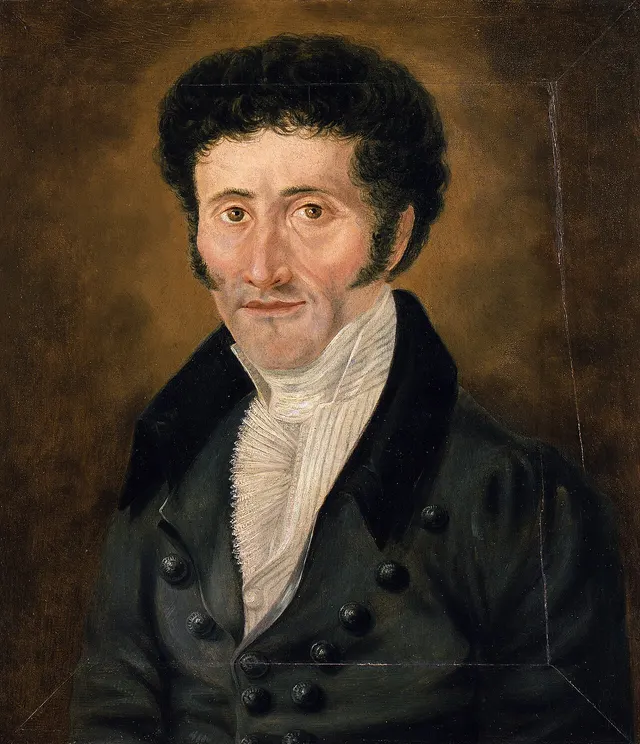
James Marshall, a carpenter from New Jersey, was building a water-powered sawmill for the Swiss settler John Sutter on the American River at Coloma, in the foothills of the Sierra Nevada. On the morning of 24 January 1848 he went to check the tailrace, the channel that carried water away from the wheel.
‘My eye was caught by something shining in the bottom of the ditch,’ he later said. It was gold. Sutter tried to keep the find quiet, but by the end of the year the news had spread around the world, and in 1849 some 80,000 fortune-seekers, the ‘forty-niners’, poured into California. The gold rush transformed the territory, which became a state in 1850, and devastated its Native peoples.
Read the full storyHistory & Timeline →Source: California State Parks: Marshall Gold Discovery State Historic Park ↗
1966Indira Gandhi becomes India’s first woman prime minister
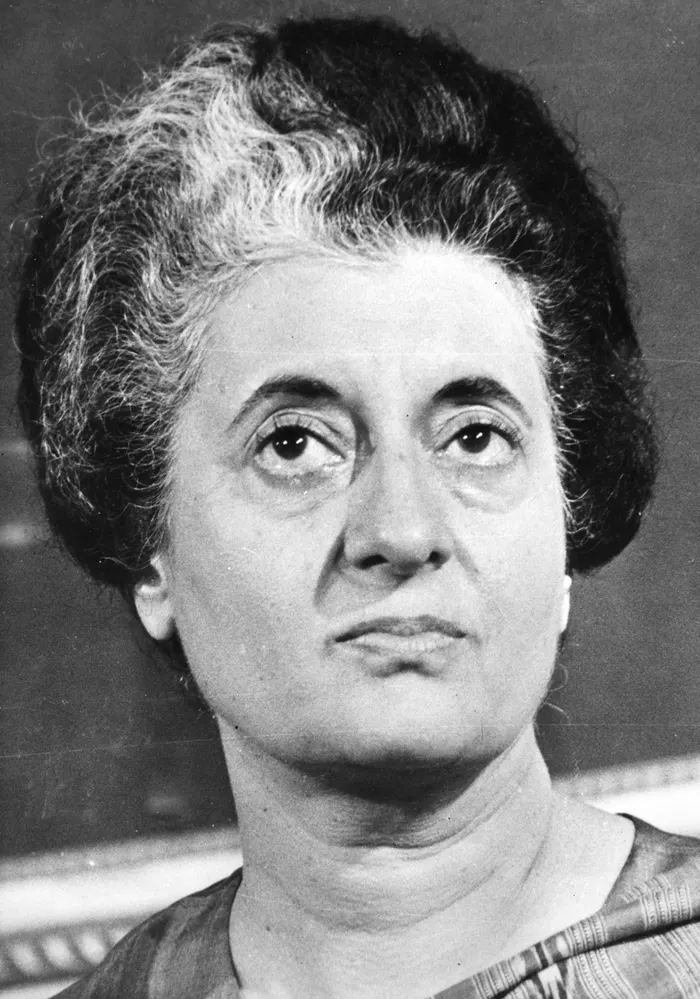
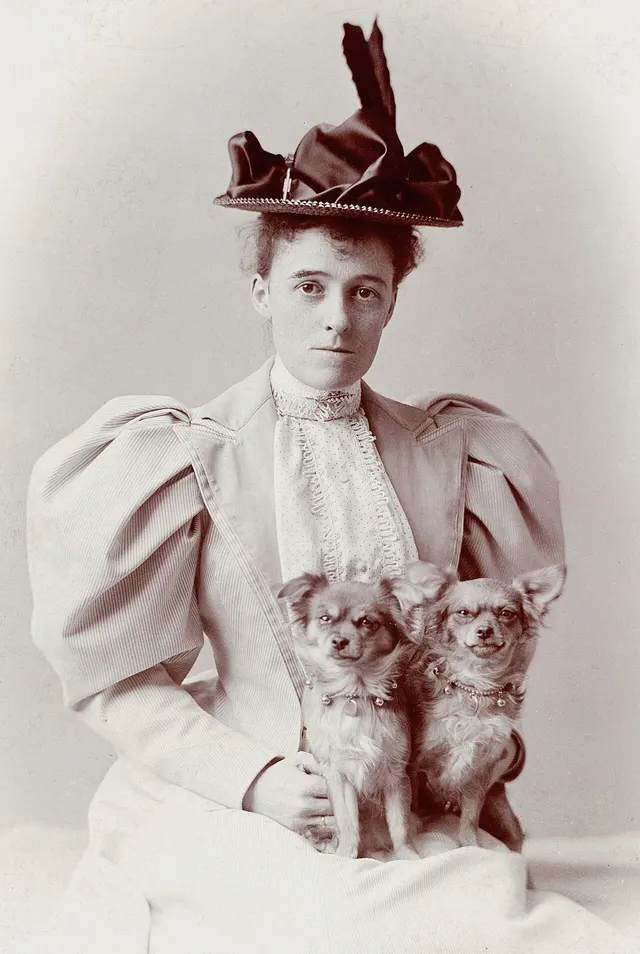
When the prime minister Lal Bahadur Shastri died suddenly in Tashkent in January 1966, the leaders of the Congress party looked for a successor. They chose Indira Gandhi, the daughter of India’s first prime minister, Jawaharlal Nehru, partly because they expected her to be easy to guide. She beat the veteran Morarji Desai for the party’s leadership by 355 votes to 169.
She was sworn in on 24 January 1966, India’s first and so far only woman prime minister. She proved far tougher than her backers had imagined, leading India to victory over Pakistan in 1971, and she ruled for sixteen years in all, including the Emergency of 1975-77, before her assassination in 1984.
Read the full storyHistory & Timeline →Source: Prime Minister of India: Smt. Indira Gandhi ↗