Explore 26 January

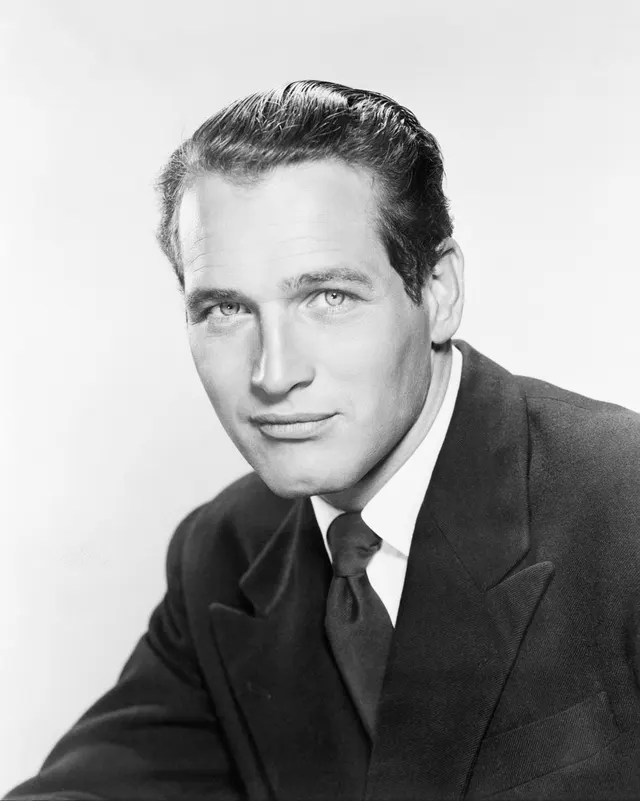
Explore 26 January: the Ottoman Empire signs away Hungary at Karlowitz, the First Fleet raises the British flag at Sydney Cove, Khartoum falls to the Mahdi and India becomes a republic. Meet Paul Newman, Jacqueline du Pré and Wayne Gretzky, born on 26 January.

This day through time →9 verified events across 4 eras

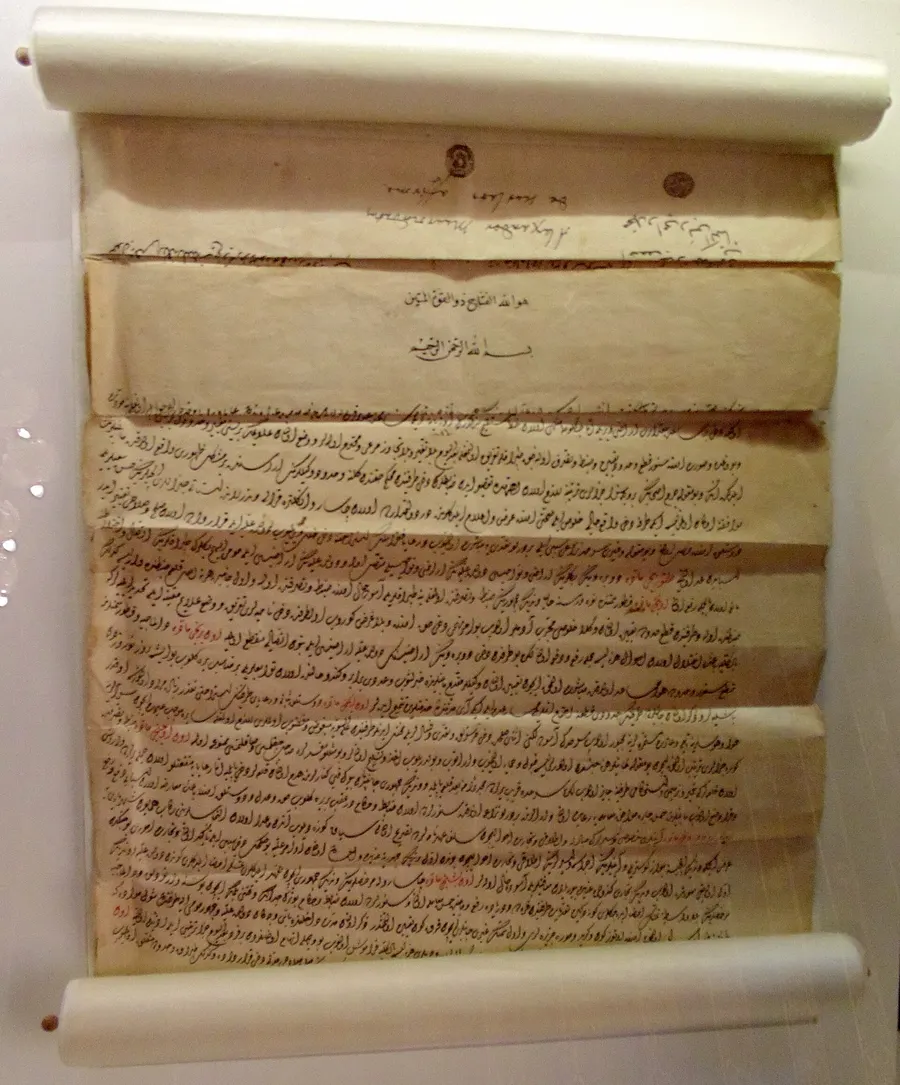
A copy of the Treaty of Karlowitz, on display in the Doge's Palace in Venice.
A copy of the Treaty of Karlowitz, on display in the Doge’s Palace in Venice.
Image creditO.Mustafin · CC0Resized and cropped for display.

The Ottoman Empire signs away Hungary at Karlowitz

In 1683 an Ottoman army besieged Vienna and was driven off. Austria, Poland, Venice and later Russia joined in a Holy League and spent the next sixteen years pushing the Ottomans back down the Danube, winning a crushing victory at Zenta in 1697.

Peace was signed at Karlowitz, in what is now Serbia, on 26 January 1699, with Britain and the Dutch Republic acting as mediators. The sultan gave up almost all of Hungary and Transylvania to Austria, Podolia to Poland and much of Dalmatia and the Morea to Venice. It was the first time the Ottomans had accepted defeat at a peace conference with a coalition of Christian powers, and it made Habsburg Austria the leading power in central Europe.

Read the full storyHistory & Timeline →Source: Encyclopaedia Britannica: Treaty of Carlowitz ↗
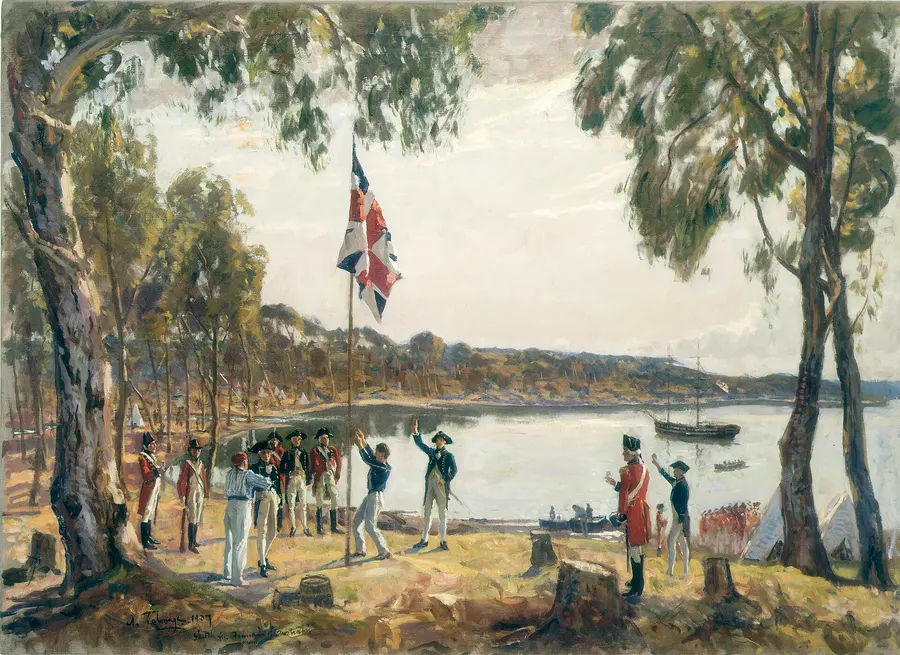
The Founding of Australia, Algernon Talmage's 1937 oil sketch of Arthur Phillip's party raising the flag at Sydney Cove (State Library of New South Wales).
The Founding of Australia, Algernon Talmage’s 1937 oil sketch of Arthur Phillip’s party raising the flag at Sydney Cove (State Library of New South Wales).
Image creditAlgernon Talmage · Public domainResized and cropped for display.

The First Fleet raises the British flag at Sydney Cove

Eleven ships carrying about 1,000 people, most of them convicts, left Portsmouth in May 1787 under Captain Arthur Phillip to found a penal colony in New South Wales. They reached Botany Bay in the third week of January 1788, but Phillip found poor soil, little fresh water and an exposed anchorage.

He sailed a short way north into Port Jackson and chose a sheltered cove with a freshwater stream, which he named Sydney Cove. There, on 26 January 1788, the British flag was raised and the colony began. The day is kept as Australia Day; for many Aboriginal and Torres Strait Islander people it marks the start of dispossession, and some call it Invasion Day or Survival Day.

Read the full storyHistory & Timeline →Source: National Museum of Australia: the First Fleet arrives at Sydney Cove ↗
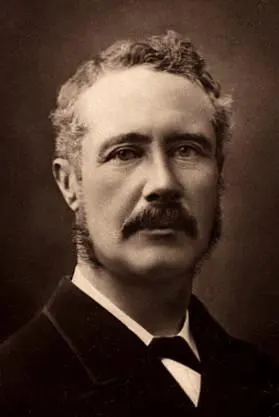
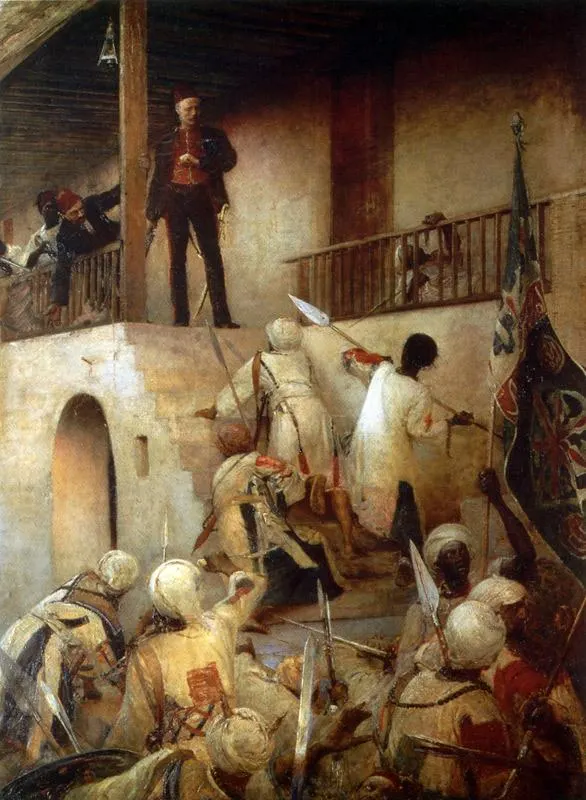
General Gordon's Last Stand, George William Joy's 1893 painting of Gordon on the palace steps at Khartoum.
General Gordon’s Last Stand, George William Joy’s 1893 painting of Gordon on the palace steps at Khartoum.
Image creditGeorge W. Joy · Public domainResized and cropped for display.

Khartoum falls to the Mahdi

In the early 1880s Muhammad Ahmad, who proclaimed himself the Mahdi, led a rising against Egyptian rule in Sudan. Britain, which then controlled Egypt, sent General Charles Gordon to Khartoum to bring the Egyptian garrison out, but Gordon stayed on, and from March 1884 the Mahdi’s forces held the city under siege.

A relief column was sent from Britain only after months of delay. Before dawn on 26 January 1885 the Mahdist army stormed the starving city, killing Gordon and most of the garrison. The steamers of the relief force came in sight of Khartoum two days later and turned back. Gordon became a hero in Britain, and the government was blamed for abandoning him.

Read the full storyHistory & Timeline →Source: Encyclopaedia Britannica: Siege of Khartoum ↗
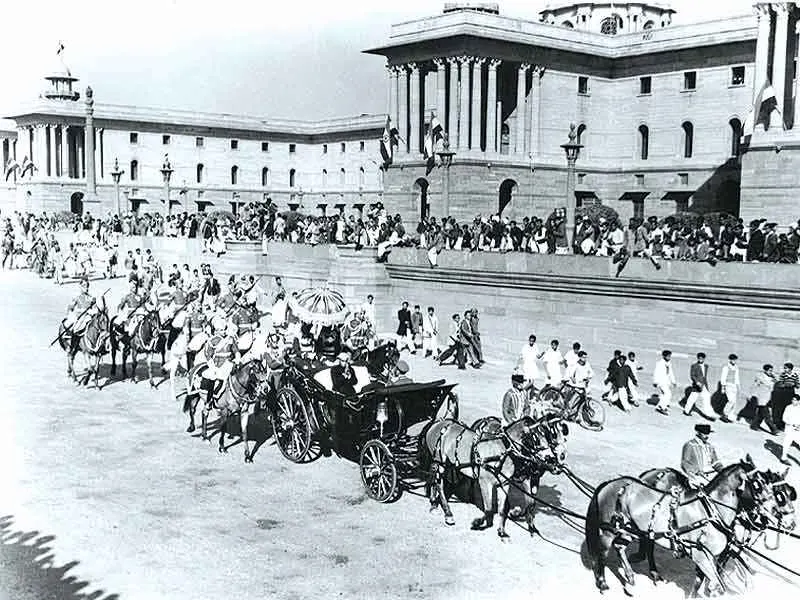
President Rajendra Prasad, in the horse-drawn carriage, at the first Republic Day parade in New Delhi, 26 January 1950.
Image creditUnknown authorUnknown author · Public domainResized and cropped for display.

India becomes a republic

India won independence from Britain in August 1947 as a dominion, with the British king still its head of state. A Constituent Assembly, its drafting committee chaired by B. R. Ambedkar, spent almost three years writing a constitution, and adopted it on 26 November 1949.

It came into force two months later, on 26 January 1950, a date chosen because on 26 January 1930 the Indian National Congress had declared its aim of complete independence. India became a sovereign democratic republic, and Rajendra Prasad was sworn in as its first president. The day has been celebrated ever since as Republic Day.

Read the full storyHistory & Timeline →Source: Encyclopaedia Britannica: Republic Day (India) ↗
♙
PEOPLE

Born Today

Charles XIV John
Image creditCarlsSston · CC0Resized and cropped for display.

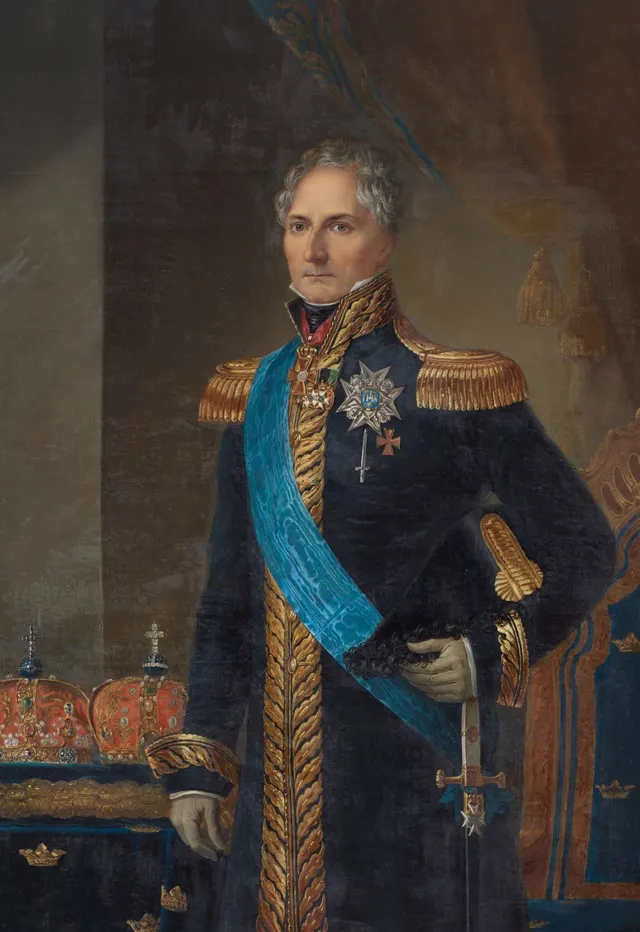
Charles XIV John

French marshal Jean-Baptiste Bernadotte, who became king of Sweden and Norway and founded the reigning Swedish dynasty.

Stéphane Grappelli
Image creditAllan warren · CC BY-SA 3.0Resized and cropped for display.

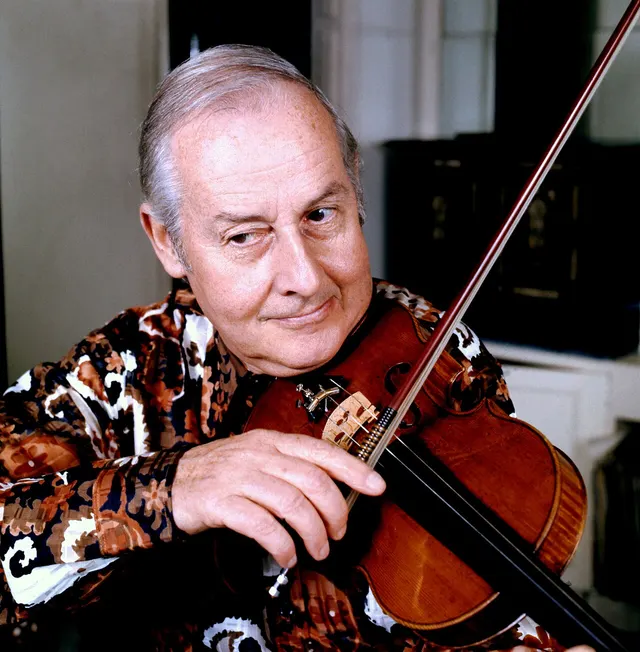
Stéphane Grappelli

French jazz violinist who founded the Quintette du Hot Club de France with Django Reinhardt.

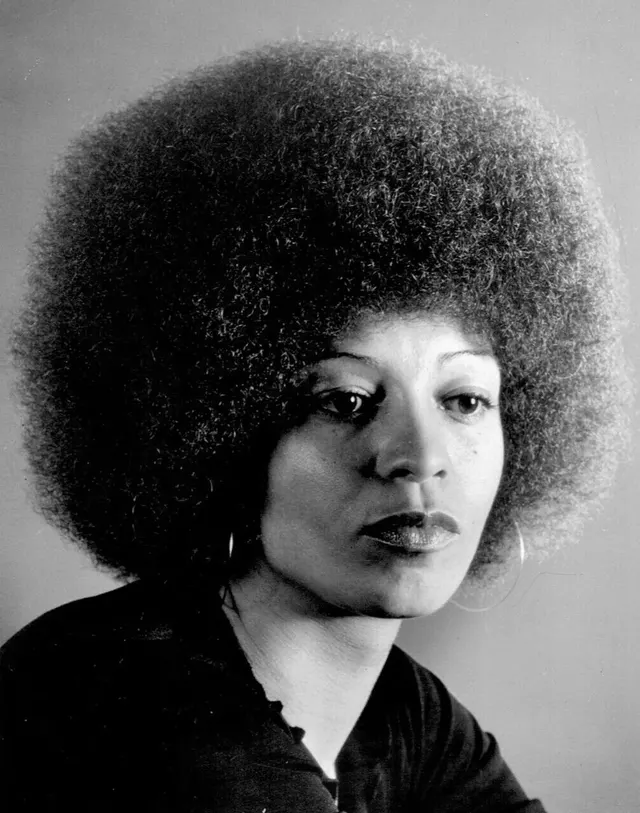
Angela Davis
Image creditPhilippe Halsman · Public domainResized and cropped for display.

Angela Davis

American activist, philosopher and writer on race, gender and prisons.

Jacqueline du Pré
Image creditBenno Rothenberg · CC BY 4.0Resized and cropped for display.

Jacqueline du Pré

British cellist celebrated for her recording of Elgar’s Cello Concerto.

Wayne Gretzky
Image creditAndre Forget - Andrew Scheer · CC0Resized and cropped for display.

Wayne Gretzky

Canadian ice hockey player known as the Great One, the NHL’s all-time leading scorer.

José Mourinho
Image creditZafer · CC BY 4.0Resized and cropped for display.

José Mourinho

Portuguese football manager who won the Champions League with Porto and Inter Milan.

◉
IDEAS THAT CHANGED THINGS

Firsts, Science & Discoveries

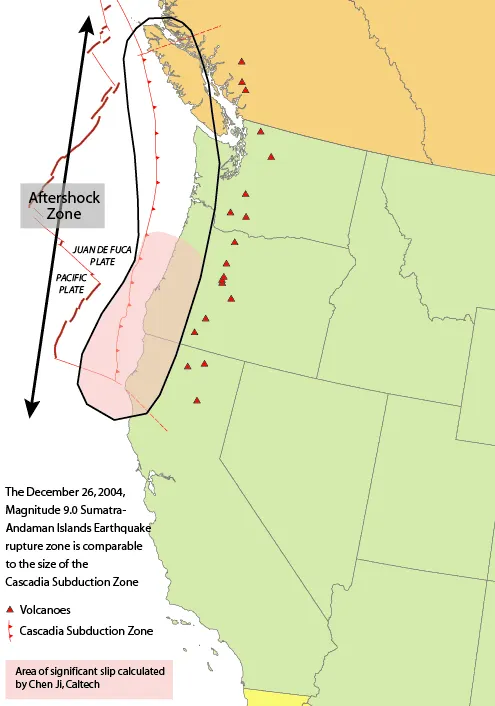
A US Geological Survey map of the Cascadia subduction zone, where the 1700 earthquake struck.
Image creditThe original uploader was Curps at English Wikipedia. Later versions were uploaded by Remember the dot at en.wikipedia. · Public domainResized and cropped for display.

A great earthquake strikes Cascadia, and Japan records the tsunami

Off the Pacific coast of North America, from Vancouver Island to northern California, one plate of the Earth’s crust slides beneath another along the Cascadia subduction zone. No written record of a great earthquake there existed, but geologists found drowned forests and sand layers left by a tsunami along the coast.

Japanese villages had recorded a tsunami in January 1700 that arrived with no earthquake felt. Working back from the times the waves struck, scientists dated the Cascadia earthquake to about nine in the evening of 26 January 1700, with a magnitude of about 9. The same fault is expected to break again.

Read the full storyHistory & Timeline →Source: Pacific Northwest Seismic Network: 1700 Cascadia subduction zone earthquake ↗
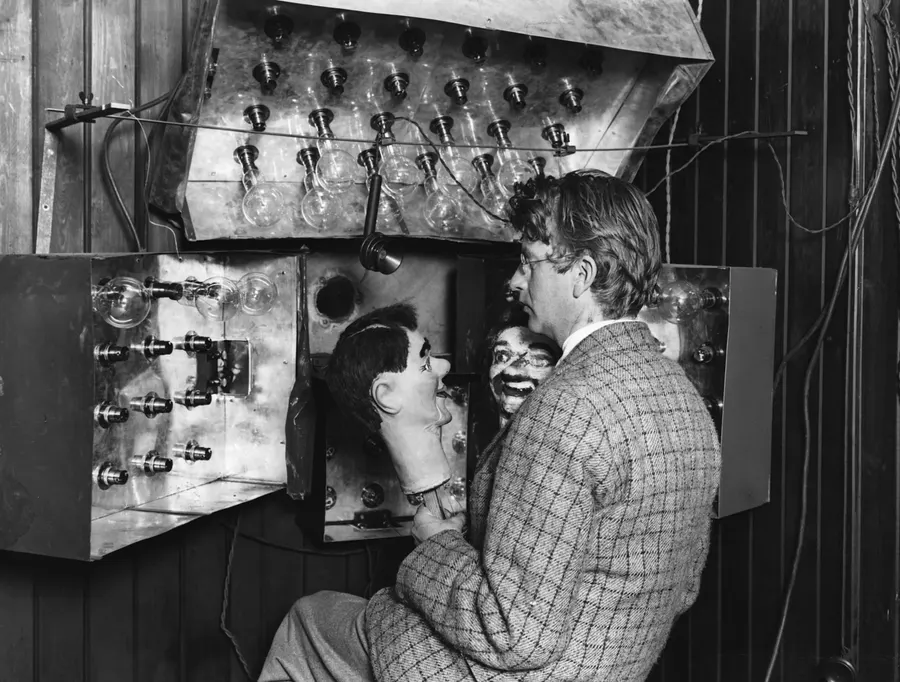
John Logie Baird with his early television apparatus and the ventriloquist's dummy he used as a subject.
John Logie Baird with his early television apparatus and the ventriloquist’s dummy he used as a subject.
Image creditOrrin Dunlap, Jr. · Public domainResized and cropped for display.

John Logie Baird demonstrates television

The Scottish inventor John Logie Baird worked on television in a cramped attic workshop at 22 Frith Street in Soho, using a spinning disc with holes in it to scan a scene line by line. His favourite subject was the head of a ventriloquist’s dummy, which could sit under hot lights for hours.

On 26 January 1926 he showed his system to members of the Royal Institution and a newspaper reporter. They saw a small, flickering but recognisable picture of the dummy’s face, and then of a person speaking and moving. It was the first public demonstration of live television. The BBC later used Baird’s system for its first television broadcasts.

Read the full storyHistory & Timeline →Source: Engineering and Technology History Wiki (IEEE): first public demonstration of television, 1926 ↗
✦
LIVES REMEMBERED

Remembered Today

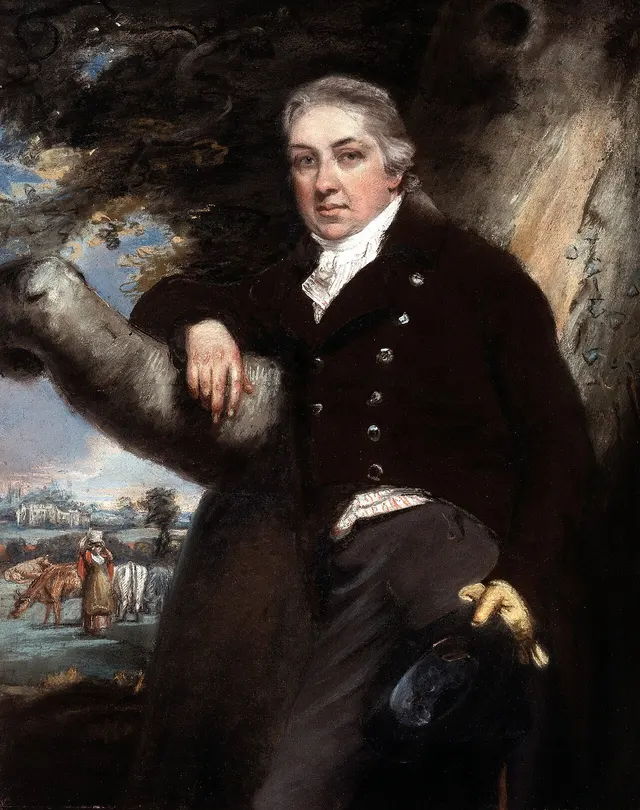
Edward Jenner
Image creditJohn Raphael Smith · Public domainResized and cropped for display.

Edward Jenner

English doctor whose smallpox vaccine founded the science of immunisation.

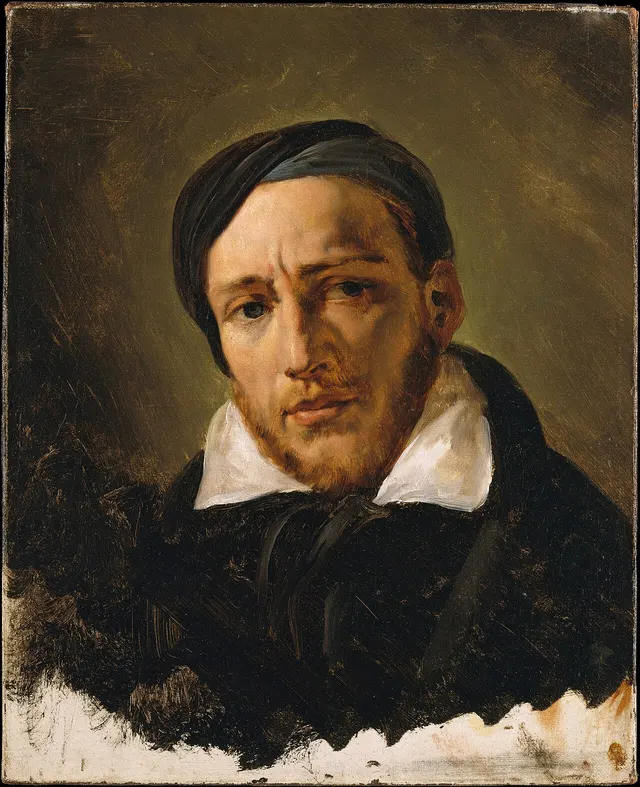
Théodore Géricault
Image creditHorace Vernet · CC0Resized and cropped for display.

Théodore Géricault

French Romantic painter of The Raft of the Medusa.

Nelson Rockefeller
Image creditWhite House · Public domainResized and cropped for display.

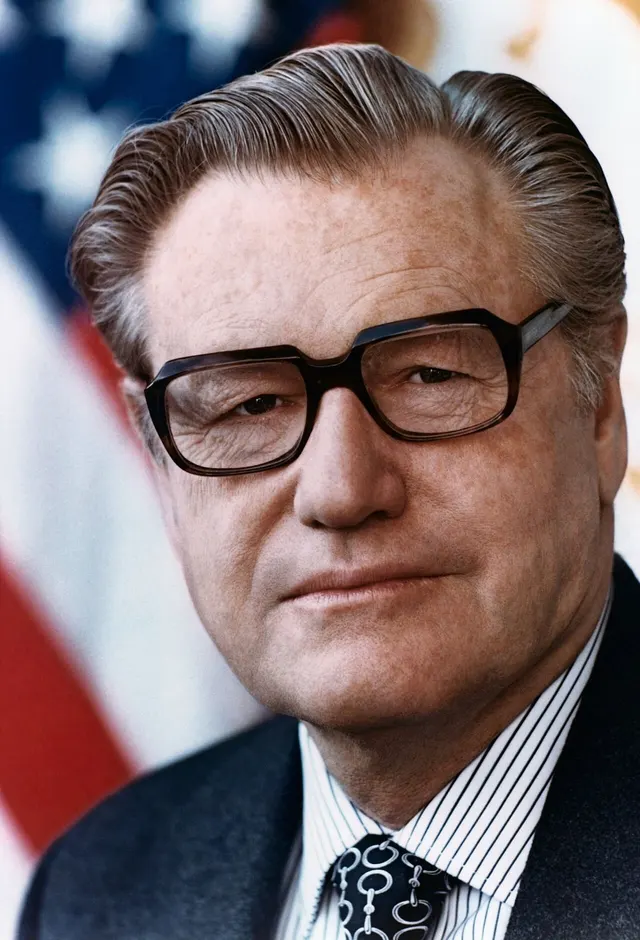
Nelson Rockefeller

Governor of New York for fifteen years and vice-president of the United States.

Kobe Bryant
Image creditKeith Allison · CC BY-SA 2.0Resized and cropped for display.

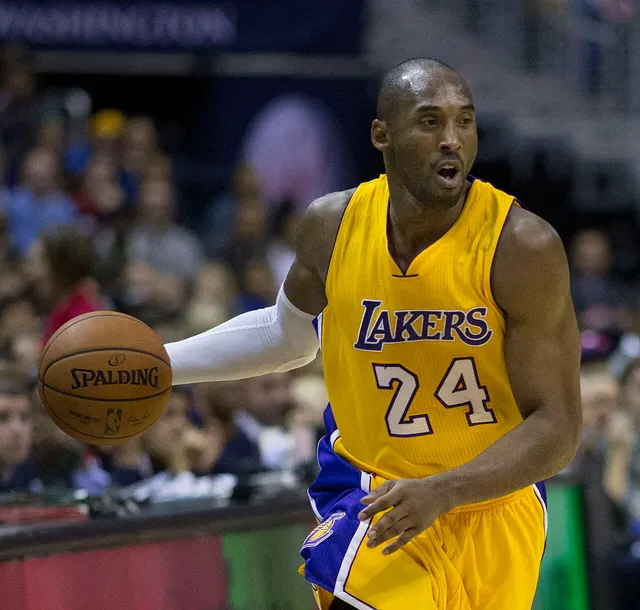
Kobe Bryant

American basketball star who won five NBA titles with the Los Angeles Lakers.

☉
AROUND THE WORLD

Observances & Anniversaries

The Founding of Australia, Algernon Talmage's 1937 oil sketch of the flag-raising at Sydney Cove.
The Founding of Australia, Algernon Talmage’s 1937 oil sketch of the flag-raising at Sydney Cove.
Image creditAlgernon Talmage · Public domainResized and cropped for display.

Australia Day

Australia’s national day marks the raising of the British flag at Sydney Cove on 26 January 1788. It is a public holiday, with citizenship ceremonies, the Australian of the Year award and celebrations across the country. For many Aboriginal and Torres Strait Islander people it is a day of mourning, and the date is debated every year.

Source: National Museum of Australia: the First Fleet arrives at Sydney Cove ↗
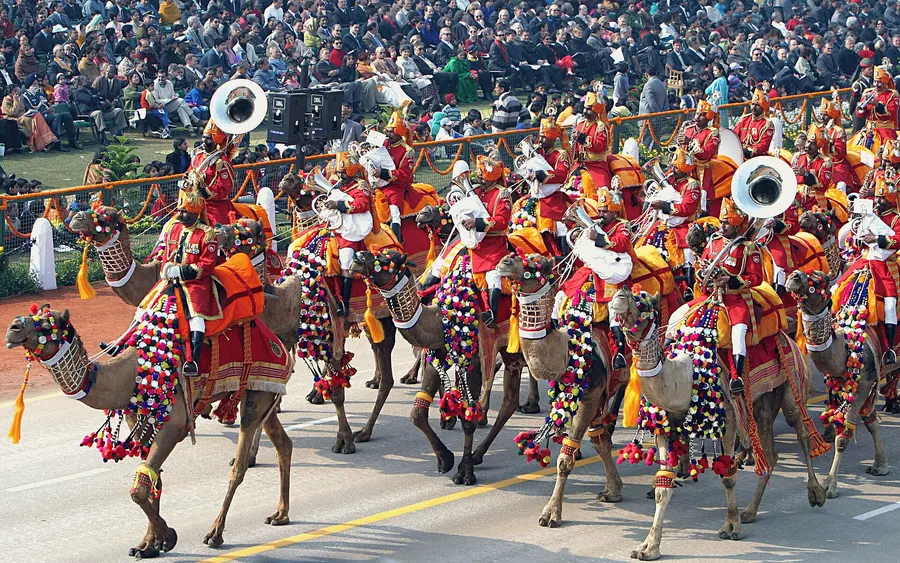
The Border Security Force's camel band in the Republic Day parade in New Delhi, 26 January 2004.
The Border Security Force’s camel band in the Republic Day parade in New Delhi, 26 January 2004.
Image creditAntônio Milena · CC BY 3.0 brResized and cropped for display.

Republic Day in India

India celebrates the day its constitution came into force in 1950 with a national holiday. In New Delhi the president takes the salute at a great parade of troops, bands, tableaux from every state and a fly-past, watched by a foreign guest of honour.

Source: Encyclopaedia Britannica: Republic Day (India) ↗
HISTORY & TIMELINE

Finished the highlights?

Follow 26 January chronologically, from the Middle Ages to the modern day, with 9 verified events and the sources behind them.

This day through time →